
Plants
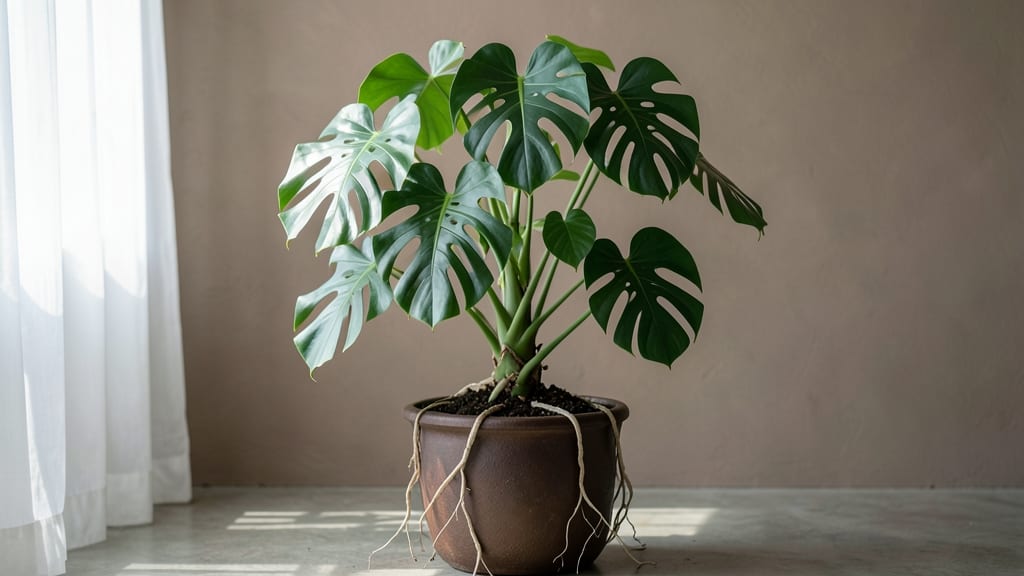
Growing large round leaf plants like Monstera or Alocasia feels like nurturing tiny tropical rainforests in your home. 🌿 These giants thrive with bright, indirect light and surprisingly little fuss—just don’t let them dry out completely.
My first Alocasia nearly died from neglect, but once I adjusted my watering routine, it shot up faster than I expected.
The secret to their success is matching their needs to their natural habitat: moist but well-draining soil, occasional misting for humidity, and a spot where they can stretch toward the light without scorching.
Most people overwater these plants, thinking they need constant moisture—honestly, I’ve drowned more than I’ve saved. A simple finger test before watering saves countless leaves.
With proper care, you’ll end up with glossy, heart-shaped leaves that make any room feel lush and vibrant. These plants grow fast—some varieties can reach 6 feet in a single season—and they clean the air while they’re at it.
The best part? They’re forgiving when you make mistakes, as long as you correct them quickly.
Whether you’re growing them in pots, hanging baskets, or even as a statement plant in a corner, these tropical beauties adapt well. Just remember: bright light, consistent moisture, and a little patience go a long way. Here’s how to keep them thriving year-round!
Why Leaves Stay Small
If your sunlight-loving large-leafed plant isn’t hitting its full potential—think Monstera deliciosa, Alocasia, or Philodendron bipinnatifidum—small, underwhelming leaves might be the culprit. While these plants are known for their bold, dramatic foliage, several factors can stunt their growth.
Understanding the root causes helps you adjust care and watch those leaves burst into their full glory. Here’s why it happens—and how to fix it.
Large-leafed plants are sun worshippers, and without enough light, they revert to survival mode. When deprived of bright, indirect to direct sunlight, their energy shifts from leaf expansion to basic photosynthesis. This results in:
- Smaller leaves – The plant prioritizes producing any foliage over large, show-stopping varieties.
- Dull or pale coloration – Chlorophyll production drops, leading to washed-out leaves.
- Long, leggy stems – The plant stretches (etiolation) to reach light, sacrificing leaf size.
💡 Pro Tip: Most large-leafed plants thrive in 6+ hours of bright, indirect light daily. If indoors, place them near east- or south-facing windows. For low-light spots, supplement with a grow light (12–14 hours/day) to mimic natural conditions.
Waterlogged roots strangle growth. When soil stays soggy, roots suffocate, cutting off nutrient and water delivery to leaves. This triggers:
- Stunted leaf development – The plant diverts energy to root recovery instead of foliage.
- Yellowing or browning edges – A sign of root stress and nutrient deficiencies.
- Mushy stems – Severe cases lead to root rot, which can kill the plant.
🔥 Fix It:
- Use a well-draining potting mix (add perlite, orchid bark, or coco coir).
- Water only when the top 2–3 inches of soil are dry (stick your finger in to check!).
- Ensure pots have drainage holes—no exceptions!
Leaves need the right balance of nutrients to grow large and lush. Too little or too much fertilizer throws the plant off balance:
📊 Common Deficiencies Causing Small Leaves
| Nutrient | Symptoms | Solution |
|---|---|---|
| Nitrogen (N) | Pale, small leaves; slow growth | Use a balanced fertilizer (10-10-10 or 20-20-20) during spring/summer. |
| Potassium (K) | Weak stems; yellowing leaf edges | Add banana peel tea or a potassium-rich fertilizer. |
| Magnesium (Mg) | Yellow patches between leaf veins | Apply Epsom salt (1 tbsp/gallon of water) monthly. |
⚠️ Over-Fertilizing Risks: Too much salt or chemicals burns roots, halting growth. Flush soil every 2–3 months with water to prevent buildup.
Large-leafed tropical plants thrive in warm, humid conditions. When exposed to:
- Cold drafts (<50°F/10°C) – Growth slows or stops entirely.
- Dry air (<40% humidity) – Leaves curl, brown, and stay small.
- Sudden temperature swings – Causes shock, stunting new growth.
🌡️ Ideal Conditions:
- Keep temps between 65–85°F (18–29°C).
- Maintain 50–70% humidity (use a humidifier or pebble tray).
- Avoid placing near AC vents, heaters, or open windows.
When roots outgrow their container, they circle and strangle each other, limiting nutrient uptake. Signs your plant is root-bound:
- Roots emerge from drainage holes or wrap around the pot’s base.
- New growth is tiny and sparse despite proper care.
- Soil dries out too quickly (roots can’t absorb water efficiently).
🔄 Fix It:
- Repot into a container 2–3 inches larger in diameter (spring is best!).
- Choose a pot with good drainage and fresh, nutrient-rich soil.
- Prune circling roots gently before repotting.
🎯 Bottom Line: Small leaves are usually a red flag—your plant is either starving, stressed, or cramped. Adjust light, water, nutrients, and environment, and you’ll soon see those bold, oversized leaves you’ve been dreaming of! 🌿✨
Fixing Common Leaf Plant Woes
When your large round-leafed beauty starts showing signs of stress, quick action can turn things around. Below, we’ve mapped out the most common issues—yellowing, browning, wilting, or pests—and provided practical, step-by-step fixes tailored to each problem. Plus, we’ll share prevention tips to keep your plant thriving long-term.
🔥 Cause: Soggy soil or lack of essential nutrients (like nitrogen or magnesium) often leads to yellowing leaves, especially on the lower stems.
👨🍳 Fix It:
- Check the soil moisture – Stick your finger 1–2 inches deep. If it’s damp, hold off on watering for a few days.
- Repot if needed – If roots are sitting in water or the soil smells foul, transfer your plant to fresh, well-draining potting mix.
- Fertilize lightly – Use a balanced liquid fertilizer (10-10-10 or 20-20-20) diluted to half-strength. Apply every 4–6 weeks during growing season (spring–fall).
- Trim affected leaves – Snip off yellowed leaves at the base with clean scissors to redirect energy to healthy growth.
💡 Prevention Tips:
- Use pots with drainage holes to avoid waterlogging.
- Water only when the top inch of soil feels dry.
- Flush the soil occasionally with water to remove excess salts.
🔥 Cause: Crispy, brown leaf edges are usually a sign of sunburn (too much direct sunlight) or dry air (common in homes with low humidity).
👨🍳 Fix It:
- Adjust light exposure – Move your plant to a spot with bright, indirect light (e.g., near an east-facing window). If outdoors, provide afternoon shade.
- Boost humidity – Place the pot on a tray filled with pebbles and water, or use a humidifier nearby. Mist leaves lightly in the morning (avoid evening misting to prevent fungal issues).
- Trim damaged edges – Use sterilized scissors to cut off brown, crispy bits. Avoid removing too much leaf surface at once.
💡 Prevention Tips:
- Rotate the pot occasionally for even light exposure.
- Group plants together to create a microclimate with higher humidity.
- Avoid placing near heaters, vents, or direct airflow.
🔥 Cause: Wilting can mean your plant is thirsty, but it could also signal root rot (from overwatering) or compacted soil (restricting root growth).
👨🍳 Fix It:
- Check soil moisture – If the soil is bone-dry, water thoroughly until it drains from the bottom. If it’s still damp, let it dry out completely before watering again.
- Inspect the roots – Gently remove the plant from its pot and examine the roots. Healthy roots are firm and white; mushy or black roots mean rot.
- If roots are healthy: Repot in fresh, well-draining soil.
- If roots are rotted: Trim away the bad roots with clean scissors, dust the cuts with cinnamon (a natural antifungal), and repot in sterile soil.
- Adjust watering habits – Water deeply but less frequently. Aim for 1–2 times per week in summer and every 2–3 weeks in winter.
💡 Prevention Tips:
- Use a moisture meter to track soil dryness accurately.
- Avoid letting your plant sit in saucers of standing water.
- Choose pots with good drainage and aeration.
🔥 Cause: Tiny webs, white cottony patches, or sticky residue on leaves usually mean pests like spider mites or mealybugs have moved in.
👨🍳 Fix It:
- Isolate the plant – Move it away from other plants to prevent spreading.
- Wipe down leaves – Use a damp cloth or sponge with soapy water (1 tsp mild dish soap per quart of water) to remove pests.
- Spray with neem oil – Mix 1 tsp neem oil + 1 tsp mild soap + 1 quart of water. Spray the top and bottom of leaves every 5–7 days for 2–3 weeks.
- Introduce beneficial insects – Ladybugs or lacewings can eat pests naturally (available at garden centers).
💡 Prevention Tips:
- Inspect new plants before bringing them indoors.
- Keep your plant clean—dust and debris attract pests.
- Quarantine new additions for a few weeks.
🔥 Cause: If your large-leafed plant grows sluggishly, it may need more light or better nutrition.
👨🍳 Fix It:
- Move to a brighter spot – Aim for 6+ hours of indirect sunlight daily. If natural light is limited, supplement with a grow light (12–14 hours/day).
- Fertilize regularly – Use a balanced fertilizer (like 20-20-20) every 6–8 weeks in growing season. For a nutrient boost, try a fish emulsion or seaweed extract.
- Repot if root-bound – If roots circle the pot, upgrade to a container 2–3 inches larger with fresh potting mix.
💡 Prevention Tips:
- Rotate the plant monthly for even growth.
- Avoid over-fertilizing—it can burn roots.
- Prune leggy stems to encourage bushier growth.
🎯 Final Pro Tip: Most issues stem from watering mistakes or light mismatches. Observe your plant’s environment closely—it’ll give you clear signals! With these fixes, your large round-leafed giant will bounce back stronger than ever. 🌿✨
Frequently asked questions
What are the most common large round leaf plants for indoor growing?
Popular choices include Monstera deliciosa (Swiss cheese plant), Alocasia (elephant ear), Philodendron bipinnatifidum (tree philodendron), and Aglaonema. These thrive indoors with proper light and humidity. The Monstera is especially beginner-friendly, while Alocasia offers dramatic foliage for experienced growers.
How often should I water my large leaf plant?
Water when the top 2–3 inches of soil feel dry—typically every 7–10 days in summer and every 2–3 weeks in winter. Overwatering is the #1 killer! Stick your finger in the soil to check moisture levels before watering. These plants prefer slightly moist but never soggy soil.
Why are my plant's leaves turning yellow?
Yellow leaves usually mean overwatering or nutrient deficiency. Check if the soil is soggy—if so, let it dry out completely. For nutrients, use a balanced fertilizer (10-10-10) every 6–8 weeks during growing season. Yellowing on lower leaves is normal aging, but new leaves should stay vibrant.
Can I grow these plants outdoors?
Yes! Most large leaf plants thrive outdoors in USDA zones 9–11 with partial shade. In colder climates, grow them in containers and bring them indoors before 50°F (10°C) temperatures. They love humidity, so outdoor spots near water features or in tropical microclimates work best.
How do I get my plant to grow bigger leaves?
For larger leaves, ensure your plant gets bright, indirect light (6+ hours/day) and warmth (65–85°F/18–29°C). Use a humidifier or place the pot on a pebble tray. Fertilize monthly during growing season with a nitrogen-rich fertilizer to promote leaf growth. Patience is key—some varieties can take months to reach their full leaf size!