
Trees
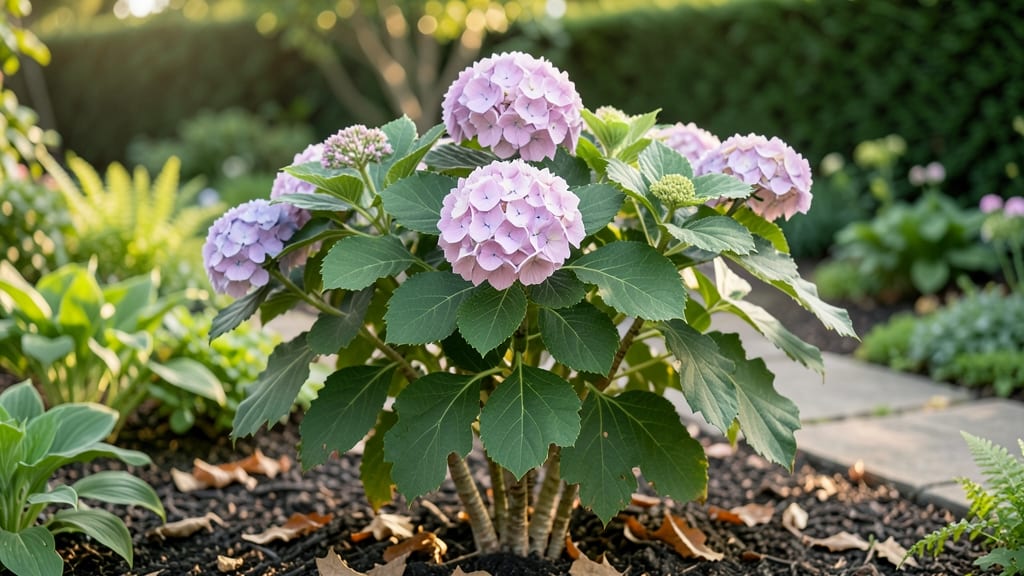
Growing Hydrangea quercifolia 'Alice' means year-round foliage drama with almost no effort. 🌿 This compact oakleaf hydrangea stays under 6 feet tall, sports deep burgundy fall leaves, and blooms with white lacecap flowers that turn pinkish with age—all while thriving in tough conditions.
Unlike fussy hydrangeas, 'Alice' handles heat, humidity, and even occasional drought once established. The secret to her success? Morning sun and afternoon shade in zones 5-9, moist but well-drained soil, and zero pruning for the first three years.
I planted mine last spring in a partially shaded spot near my patio, and she’s already outpaced my other hydrangeas in both beauty and resilience. No floppy stems, no deadheading—just reliable, low-maintenance elegance.
By summer’s end, you’ll have a vibrant focal point that shines in every season: spring blooms, summer foliage, and fall colors that stop neighbors in their tracks. Even the leaves stay attractive year-round, turning coppery in winter.
The only real rule? Water deeply once a week during dry spells, and you’re set. Works in containers or garden beds, urban courtyards, or as a small tree specimen. Here’s how to get her growing strong from day one—no green thumb required.
📚 In This Guide
- What you need
- Instructions
- Tips and common mistakes
- Wrapping up and next steps
What you need
- ● Oak Leaf Hydrangea Alice Plant: 1 healthy nursery-grown specimen (3–5 gallons in a pot or bare-root for transplanting)
- ● Note: Check for vibrant, deep green leaves and no signs of pests/disease.
- ● Planting Site: Partial shade to full sun (4–6 hours of dappled sunlight daily)
- ● Well-draining soil (amend with compost if your soil is heavy or clay-like)
- ● Space: 4–6 feet in diameter (accounts for mature spread)
- ● Soil Amendments: 5–10 lbs of organic compost or peat moss (per planting hole)
- ● 1 cup of slow-release fertilizer (10-10-10 or similar, for initial planting)
- ● Tools: 1 garden trowel or spade (for digging)
- ● 1 garden hose or watering can (with a fine rose attachment)
- ● 1 mulch (2–3 inches of shredded bark or pine needles)
- ● Pruning shears (for shaping or rejuvenating mature plants)
- ● Epsom salt (1 tbsp/month in water for magnesium boost, especially in acidic soils)
- ● Plant support (stakes or cages if your garden has strong winds)
- ● Soil pH test kit (to ensure ideal 5.0–6.0 pH range for vibrant foliage)
Step-by-step guide to planting and establishing oak leaf hydrangea 'Alice'
This hardy beauty thrives with just a few key steps—let’s get your 'Alice' hydrangea planted right.
🌱 Step 1: Choose the Perfect Planting Spot
Oak leaf hydrangeas like 'Alice' adore partial shade to full sun—4-6 hours of morning sun is ideal, especially in hotter climates. Look for a spot with well-draining soil and shelter from harsh afternoon winds, which can stress the plant. I always check the dappled shade under mature trees or along a north-facing wall for that perfect balance.
Dig a hole twice as wide as the root ball but only as deep—planting too deep can suffocate the roots. Loosen the sides of the hole with a shovel to encourage root spread. If your soil is heavy clay, mix in a handful of compost to improve drainage. The goal is to mimic the natural, airy soil these hydrangeas love.
🪴 Step 2: Plant with Care and Amend Soil
Gently remove the hydrangea from its container and tease apart any circling roots—this prevents girdling as the plant matures. Place it in the hole so the top of the root ball sits level with the surrounding soil (never buried deeper). Backfill with native soil mixed with 1 part compost to enrich without overwhelming the plant.
Press the soil lightly around the base to remove air pockets, but don’t compact it—hydrangeas hate dense soil. Water deeply right after planting to settle the roots into place. You’ll know it’s done right when the soil looks evenly moist but not soggy. Mulch with 2-3 inches of organic mulch (like shredded bark) to retain moisture and protect roots from temperature swings.
☀️ Step 3: Water and Feed for Vibrant Growth
For the first 2-3 weeks, water deeply every 2-3 days—enough to moisten the soil 6 inches down. After that, let the soil dry slightly between waterings; hydrangeas are drought-tolerant once established, but young plants need consistent moisture. I check by sticking my finger in the soil: if it feels dry an inch down, it’s time to water.
Feed lightly in early spring with a balanced, slow-release fertilizer (10-10-10) or a hydrangea-specific formula to encourage lush foliage. Avoid high-nitrogen fertilizers—they promote leafy growth at the expense of those stunning blooms. Once established, these plants are low-maintenance, but a monthly dose of compost tea in growing season keeps them thriving.
✂️ Step 4: Prune for Shape and Health
Prune 'Alice' hydrangeas right after flowering (late summer to early fall) to shape the plant and encourage next year’s blooms. Remove dead or crossing branches first, then trim back any leggy growth by one-third to maintain a compact form. Never prune in late winter—this variety blooms on old wood, so cutting back too early risks losing next season’s flowers.
Watch for yellowing leaves or wilting branches—these are signs of overwatering or fungal issues. If you see powdery mildew on the foliage, prune affected leaves immediately and apply a fungicide spray (like neem oil) to prevent spread. With proper pruning, your 'Alice' will develop that classic oak leaf shape and burst with pink to deep burgundy blooms year after year.
Tips & tricks for perfect oak leaf hydrangea 'Alice' planting
These simple yet game-changing tricks will help your 'Alice' hydrangea thrive with minimal fuss—because even the hardiest plants appreciate a little extra care.
Sunlight Strategy: The 4-6 hours of morning sun recommendation is perfect for balancing growth and bloom production. If your location gets intense afternoon sun, consider a 50% shade cloth during peak hours (12-3 PM) to prevent leaf scorch. I've seen 'Alice' plants in full sun thrive, but they reward partial shade with deeper burgundy blooms and more vibrant foliage.
Root Ball Technique: When removing your hydrangea from its container, gently squeeze the root ball to encourage roots to spread outward. This mimics natural root growth and prevents that "pot-bound" look. If you notice circling roots, use your fingers to gently separate them—this simple step prevents girdling as the plant matures, which can stunt growth for years.
Mulching Mastery: That 2-3 inch layer of organic mulch isn't just for looks—it's a moisture regulator and temperature stabilizer. I recommend using shredded hardwood bark because it breaks down slowly and improves soil structure over time. Keep mulch 2-3 inches away from the plant stem to prevent rot, and refresh it annually to maintain its insulating properties.
Watering Wisdom: The finger-in-the-soil test is your best friend during those first critical 2-3 weeks. If you're unsure about the 6-inch depth, think of it as watering until moisture reaches just below your first knuckle when you insert your finger. Overwatering is the #1 killer of young hydrangeas—always let the top inch dry out between waterings once established.
Pro Tips for Oak Leaf Hydrangea Alice
- These simple yet game-changing tricks will help your 'Alice' hydrangea thrive with minimal fuss—because even the hardiest plants appreciate a little extra care.
- Sunlight Strategy: The 4-6 hours of morning sun recommendation is perfect for balancing growth and bloom production.
- Root Ball Technique: When removing your hydrangea from its container, gently squeeze the root ball to encourage roots to spread outward.
Frequently asked questions
Got questions about growing and caring for the stunning Oak Leaf Hydrangea 'Alice'? You’re not alone! Here are some of the most common queries—plus straightforward answers to keep your plant thriving with minimal fuss.
What’s the best time of year to plant Oak Leaf Hydrangea 'Alice'?
The ideal window is early spring or early fall—when temperatures are mild (50–70°F) and the soil isn’t frozen or waterlogged. Planting in summer can stress the roots, while winter’s chill might delay establishment. Pro tip: If you’re in a hot climate, opt for fall to avoid summer heat stress!
How often should I water my 'Alice' hydrangea?
Newly planted hydrangeas need 1–1.5 inches of water per week, including rainfall. Once established (after 1–2 years), they’re drought-tolerant but still appreciate deep watering every 10–14 days during dry spells. Mulch around the base to retain moisture and protect roots!
When and how should I prune Oak Leaf Hydrangea 'Alice'?
Prune in late winter or early spring (before new growth) to shape the plant and remove dead wood. Avoid heavy pruning in fall—it can stimulate tender new growth that won’t survive winter. Use clean, sharp shears and cut just above a bud or lateral branch for the cleanest results.
Why aren’t my 'Alice' hydrangea leaves turning the signature burgundy in fall?
Color intensity depends on sunlight, temperature swings, and soil drainage. If leaves stay green, check for:
- Shade: Move to a sunnier spot (6+ hours of light).
- Poor drainage: Amend heavy soil with compost.
- Fertilizer overload: Overfeeding can dull fall colors.
Are there low-maintenance alternatives to 'Alice' hydrangea?
If you love the drama but want even less upkeep, try:
- Oak Leaf Hydrangea 'Snow Queen': Pure white blooms, equally hardy.
- Panicle Hydrangea 'Limelight': Disease-resistant, thrives in heat.
- Annabelle Hydrangea: Compact, drought-tolerant, and pest-resistant.
Wrapping up and next steps
Growing Oak Leaf Hydrangea 'Alice' is like inviting a low-maintenance diva into your garden—she delivers year-round beauty with just a sprinkle of attention. From her show-stopping fall foliage to her resilient nature, this hydrangea proves that stunning landscapes don’t require endless effort.
Now that you’re armed with the right soil, sunlight, and care tips, it’s time to roll up your sleeves and watch her thrive!
🌱 Next step: Mark your calendar for spring planting or early fall—then step back and enjoy the show. Your garden (and future neighbors) will thank you!