
Diseases
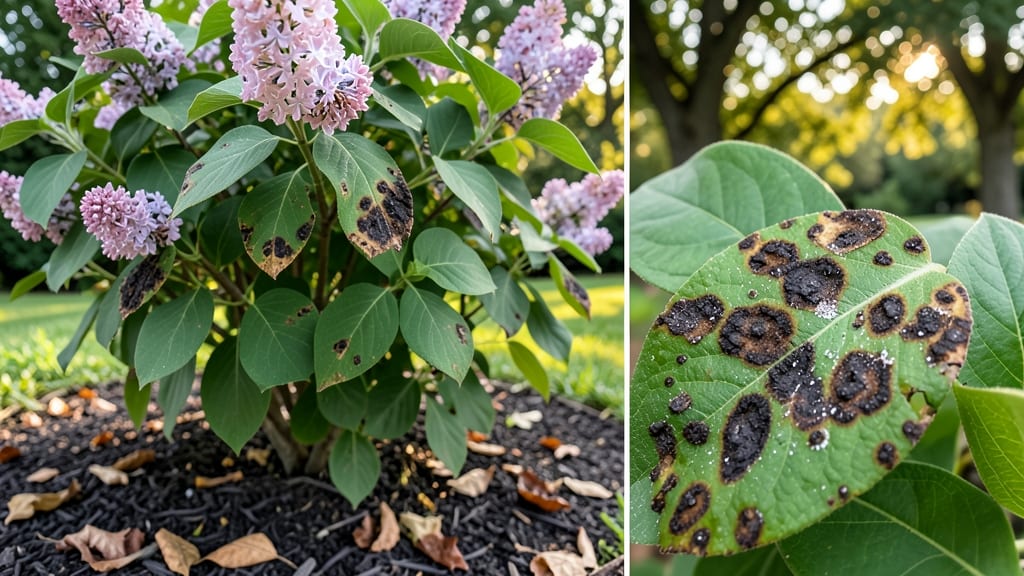
Your lilacs' once-vibrant leaves turning brown and crispy isn't just bad luck—it's a leaf blight disease among lilac diseases, and catching it early saves your shrubs. 🌿 I've nursed back more than a few lilacs from this fungal foe, and the secret is acting fast before it spreads to the stems.
The first signs? Small brown spots with yellow halos that multiply like weeds if you ignore them.
This disease thrives when lilacs are stressed—too much shade, poor air circulation, or last season's dead leaves smothering the base. Rainy springs make it worse, turning your shrubs into fungal buffets.
The good news? You don't need harsh chemicals to fight back. Pruning out infected leaves (and sterilizing your tools!) plus spacing plants for airflow cuts off the fungus's party.
Within weeks of proper care, you'll see fresh green leaves pushing through, and next season's blooms will be even more spectacular. The key is consistency: monitor plants weekly during wet weather, water at the base (not overhead), and mulch properly to keep roots happy.
Think of it as giving your lilacs a spa day—they'll thank you with years of purple perfection.
For stubborn cases, organic fungicides like neem oil or copper spray work wonders when applied at the first sign of trouble. But prevention is easier than cure: clean up fallen leaves in fall and choose disease-resistant varieties like 'Dwarf Korean' or 'Miss Kim' if your area gets soggy springs.
Your lilacs will bounce back stronger than ever.
Root Causes Of Lilac Leaf Blight
Leaf blight in lilacs isn’t just a random misfortune—it’s usually the result of specific environmental and biological triggers. Understanding these causes is the first step to preventing or managing the problem. Below, we break down the most common reasons lilacs develop leaf blight, complete with scientific explanations and actionable insights.
Leaf blight in lilacs is most commonly caused by fungal infections, particularly Septoria syringae (Septoria leaf spot) and Venturia species (anthracnose). These fungi thrive in moist, warm conditions and spread via:
- Spores in the air or water: Fungal spores land on leaves, germinate, and penetrate through natural openings like stomata (pores) or wounds. Once inside, they multiply rapidly, causing brown or black spots with yellow halos—a classic sign of blight.
- Overhead watering: Wet foliage for prolonged periods (especially at night) creates the perfect breeding ground. Septoria spores, for example, require 12–24 hours of leaf wetness to infect lilacs effectively.
- Infected plant debris: Old leaves, twigs, or fallen blossoms harboring fungal spores can reinfect healthy plants the following season if not removed.
💡 Pro Tip: Prune and dispose of infected leaves before they fall to the ground. Bag them in sealed plastic and toss them in the trash—not the compost!
Lilacs love sunlight, but they hate humidity. When plants are too close together or shaded by other vegetation, airflow is restricted, trapping moisture and creating a fungal paradise. Here’s why it matters:
- Stagnant air = higher humidity: Fungi like Venturia spread faster in still, damp air. Even a few inches of space between branches can make a difference.
- Shade from other plants: Lilacs need 6–8 hours of direct sunlight daily. Shady spots slow drying, keeping leaves wet longer and inviting fungal growth.
- Thick foliage traps dew: Morning dew on dense leaves can linger for hours, giving fungi the moisture they crave.
🌡️ Actionable Fix: Space lilacs 3–5 feet apart and prune to improve airflow. Remove nearby weeds or overgrown shrubs blocking sunlight.
Watering habits play a huge role in fungal outbreaks. Lilacs are drought-tolerant once established, but overwatering or improper techniques create ideal conditions for blight:
- Overhead irrigation: Sprinklers or hose sprays wet leaves directly, promoting fungal spores. Root-level watering (using soaker hoses or drip systems) keeps foliage dry.
- Waterlogging soil: Poor drainage or clay soil can lead to root stress, weakening the plant’s defenses. Fungi exploit stressed plants more easily.
- Late-day watering: Watering after 6 PM leaves leaves wet overnight, extending fungal exposure.
⏰ Best Practice: Water early in the morning (before 10 AM) to allow leaves to dry quickly. Aim for 1–1.5 inches of water per week, adjusting for rainfall.
A lilac’s natural defenses weaken under stress, making it vulnerable to fungal attacks. Common stressors include:
- Nutrient deficiencies: Lack of nitrogen, phosphorus, or potassium reduces plant vigor. Yellowing leaves (chlorosis) signal poor health, inviting fungi like Septoria.
- Physical damage: Pruning wounds, hail, or pest bites create entry points for spores. Always use sterilized tools and make clean cuts.
- Improper pruning timing: Pruning too late in the season (after new growth starts) stresses lilacs, leaving them open to infection.
- Poor soil health: Compacted or acidic soil (pH < 6.0) hinders root growth. Lilacs prefer slightly alkaline soil (pH 6.5–7.5).
💪 Boost Defenses: Feed lilacs with a balanced organic fertilizer (10-10-10) in early spring. Test soil pH and amend with lime if needed.
By addressing these root causes—fungal spores, poor airflow, watering habits, and plant stress—you’ll dramatically reduce the risk of leaf blight in your lilacs. The key is prevention through proper care, not just reactive treatments.
Revive Your Lilacs Naturally
Leaf blight on lilacs can feel like a harsh verdict for your prized shrubs, but with the right approach, you can nurse them back to health—and even prevent future outbreaks. The key lies in identifying the cause and applying targeted, organic solutions.
Below, we break down the fixes for each common blight trigger, plus proactive steps to keep your lilacs thriving.
Fungal infections like Botrytis or Septoria thrive in damp, crowded conditions. Here’s how to tackle them:
🔥 Step 1: Prune for Airflow
- Remove infected leaves (burn or compost them away from your garden).
- Thin out dense branches to improve sunlight and airflow—fungi love shaded, humid spots.
- Trim in dry weather (morning is best) to avoid spreading spores.
🍳 Step 2: Apply Organic Fungicides
- Neem oil spray: Mix 1 tbsp neem oil + 1 tsp mild soap in 1 quart water. Spray undersides of leaves (where spores hide) every 7–10 days until new growth appears.
- Baking soda solution: Stir 1 tbsp baking soda + 1 quart water + a few drops of soap. Spray on leaves (test a small area first).
- Copper fungicide: Use an organic copper-based spray (like Copper Soap) as a last resort—it’s effective but can harm soil microbes if overused.
👨🍳 Step 3: Boost Plant Immunity
- Water at the base (never overhead) to keep foliage dry.
- Mulch with compost (2–3 inches) to improve soil health and reduce stress.
- Fertilize lightly with a balanced organic fertilizer (e.g., fish emulsion) to support recovery.
Bacterial blight (often from Pseudomonas) spreads rapidly in wet conditions. Act fast:
🔪 Step 1: Sterilize Tools
- Clean pruners with 70% rubbing alcohol or a 10% bleach solution between cuts to prevent spreading bacteria.
🥘 Step 2: Remove and Replace
- Prune infected leaves immediately—bacterial spots can’t be cured, only contained.
- Replace mulch near the base if it’s soggy (bacteria love moisture).
- Avoid overhead irrigation—use drip systems or soaker hoses instead.
✨ Step 3: Prevent Recurrence
- Space lilacs 3–4 feet apart to reduce humidity in the canopy.
- Apply hydrogen peroxide spray (3% solution, diluted 1:1 with water) every 2 weeks to inhibit bacteria.
- Plant resistant varieties like ‘Dwarf Korean’ lilacs if bacterial blight is recurrent.
- 🌡️ Monitor humidity: Lilacs hate soggy soil—ensure drainage and avoid planting in low spots.
- 🎯 Rotate fungicides: If using chemicals, alternate between neem oil, copper, and baking soda to prevent resistance.
- 🔥 Sanitize yearly: Sterilize pruners and clean up fallen leaves in autumn to break the disease cycle.
- ✨ Companion planting: Surround lilacs with garlic, marigolds, or thyme—their antimicrobial properties deter fungi and bacteria.
With these targeted fixes, your lilacs can bounce back stronger. The secret? Act early, stay consistent, and prioritize airflow and dryness. Soon, those fragrant blooms will be back in full force—blight-free!
Frequently asked questions about lilac leaf blight
What do lilac leaf blight spots look like?
Leaf blight typically starts as small brown or black spots with yellow halos around them. As it spreads, these spots grow larger, sometimes developing gray centers with tiny black dots (fungal spores). Severe cases show entire leaves turning crispy and brown, often starting at the bottom of the plant.
Can I save my lilac if it already has leaf blight?
Yes! Act fast by pruning infected leaves (sterilize tools first!) and applying neem oil or baking soda spray. Improve airflow by spacing plants 3-5 feet apart and watering at the base. With consistent care, lilacs often recover fully within 4-6 weeks.
Is leaf blight contagious to other plants?
Yes, fungal spores can spread to nearby plants through wind, water, or tools. Keep infected lilacs isolated during treatment and avoid working with healthy plants until the blight is under control. Clean pruners with 70% rubbing alcohol between cuts to prevent cross-contamination.
How can I prevent leaf blight next year?
Focus on airflow and dryness: Space lilacs properly, prune for sunlight, and water early in the morning. Remove all fallen leaves in autumn, and consider disease-resistant varieties like 'Miss Kim' or 'Dwarf Korean' lilacs. Apply preventive neem oil sprays in spring.
Will chemical fungicides work better than organic options?
Chemical fungicides can be effective but may harm beneficial insects and soil microbes. Organic options like copper spray or neem oil work well when applied consistently. For severe cases, rotate between organic and chemical treatments—but always prioritize prevention through proper plant care.