
Neem Oil
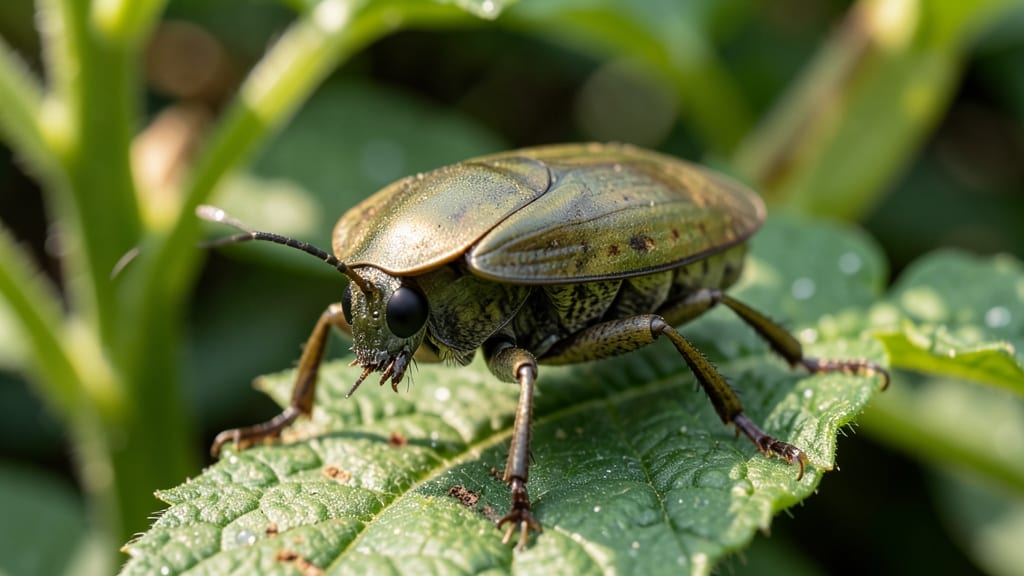
Leaf-footed bugs are a nightmare until you meet their natural enemies. 🌿 I've battled these sap-sucking pests for years, but once I learned to harness their predators, my garden's ecosystem shifted from chaos to balance. The real heroes?
Parasitic wasps like Perillus bioculatus (the two-spotted stink bug hunter) and birds like chickadees and wrens that snack on adults and nymphs. These predators thrive in gardens with diverse plantings, leaf litter, and water sources—exactly the opposite of sterile, chemical-treated landscapes.
You'll see fewer leaf-footed bugs within 2-3 weeks as predator populations establish. The key is creating habitats they love: mulch piles for overwintering wasps, dense shrubs for bird nesting, and flowering plants that attract their prey.
Neem oil isn't just a spray—it's a signal to predators that the garden is safe from synthetic poisons. Let's turn your yard into a pest-control powerhouse without a single harmful chemical.
Natural predator imbalances exposed
Leaf-footed bugs thrive when their natural predators are outnumbered, outmaneuvered, or simply absent. This imbalance isn’t random—it’s the result of ecological shifts, human activity, and even climate patterns. Understanding these causes helps gardeners and farmers strategically deploy neem oil and other organic defenses to restore balance.
Here’s why these pests gain the upper hand and how to recognize the signs.
Many leaf-footed bugs fall prey to parasitoid wasps, spider predators, and ladybugs. However, when gardeners or farmers overuse broad-spectrum pesticides (even synthetic or organic ones like pyrethrin), these beneficial insects are wiped out indiscriminately. Without their natural checks, leaf-footed bug populations explode.
- 💡 Pro Tip: Avoid pesticides labeled "kills on contact" near flowering plants—these attract beneficial insects but also poison them.
- 🔍 Watch For: Fewer lacy-winged flies or ground beetles in your garden, which are key predators.
As cities and farms spread, habitat fragmentation forces predators into smaller, isolated areas. Leaf-footed bugs, which thrive in weedy, undisturbed patches, benefit from this disruption. Additionally, monoculture farming (planting single crops) removes the diversity predators need for food and shelter.
Example: A soybean field with no wildflower borders offers no refuge for assassin bugs or damsel bugs, allowing leaf-footed bugs to feast unchecked.
- ✨ Actionable Fix: Plant native wildflowers or herbaceous borders around crops to lure predators back.
- 🌡️ Climate Note: Warmer winters in some regions let leaf-footed bugs survive longer, while their predators may not adapt as quickly.
Leaf-footed bugs target stressed or overripe plants, especially tomatoes, peppers, and citrus. When gardeners over-fertilize with nitrogen or irrigate excessively, plants produce lush, tender growth—an all-you-can-eat buffet for these pests. Meanwhile, predators like geocoris bugs (a type of big-eyed bug) may avoid these nutrient-rich but predator-unfriendly zones.
| Sign of Overabundance | What It Means |
|---|---|
| Yellowing leaves with holes (not just edges) | Leaf-footed bugs are feeding, but predators aren’t keeping up. |
| Sticky residue on lower leaves | Honeydew from bugs is attracting ants, which protect the pests. |
🔥 Quick Fix: Prune overripe fruit and reduce nitrogen to toughen plant defenses. Predators prefer balanced, slightly stressed plants.
Leaf-footed bugs thrive in hot, dry conditions, while many of their predators (like lacewings) prefer cooler, humid environments. Rising temperatures and erratic rainfall create mismatches:
- Drought-stressed plants produce more sugars, attracting bugs.
- Heavy rains wash away predator eggs but leave adult bugs unharmed.
- Early springs confuse predator life cycles, causing population crashes.
🌡️ Adaptation Tip: Use mulch to retain moisture and shade cloth in peak heat to deter bugs while keeping predators comfortable.
Natural Ways to Control Leaf-Footed Bugs
Leaf-footed bugs can wreak havoc on your garden, but the good news is that nature offers powerful, chemical-free solutions to keep them in check. Below, we’ll break down practical, step-by-step fixes tailored to the root causes of infestations—whether it’s overcrowding, weak plants, or lack of predators.
These methods focus on prevention, habitat enhancement, and organic interventions like neem oil to restore balance.
Leaf-footed bugs thrive when their natural enemies are scarce. Encourage predators like ladybugs, lacewings, and parasitic wasps by creating a bug-friendly ecosystem.
How to Do It: 🔥 Plant Companion Flowers
Grow dill, fennel, yarrow, or marigolds near your vulnerable plants (tomatoes, peppers, beans).
These attract lacewings and parasitic wasps, which prey on leaf-footed bug eggs and nymphs. - Pro Tip: 🌱 Use a mix of flowering plants at different heights to provide shelter and food for predators year-round.
👨🍳 Install Predator Hotels
- DIY lacewing egg cartons or beetle boxes (drill holes in wood blocks) to give beneficial insects a safe place to overwinter.
- Example: Hang a lacewing egg carton near infested areas—once hatched, they’ll hunt leaf-footed bugs aggressively.
🦋 Release Beneficial Insects
- Purchase lacewing larvae or ladybugs from garden centers and release them at dusk (they’re nocturnal and less stressed by heat).
- Warning: ⏰ Release them in the evening to reduce sunburn and improve survival rates.
Healthy plants are less appealing to leaf-footed bugs. Focus on soil health, watering, and pruning to make your garden less inviting.
How to Do It:
💡 Improve Soil Fertility
- Test your soil and amend with compost or worm castings to boost plant resilience. Weak, nutrient-deficient plants attract more pests.
- Pro Tip: 🥗 Add a handful of compost around the base of plants weekly during growing season.
🌡️ Water Deeply but Less Often
- Leaf-footed bugs love stressed plants, which often result from shallow, frequent watering. Water deeply 1–2 times per week to encourage strong roots.
- Avoid overhead watering—it keeps foliage damp, making plants more susceptible to bugs.
✨ Prune for Airflow
- Overcrowded plants trap moisture and attract bugs. Prune regularly to improve airflow, especially in tomato and pepper plants.
- Quick Fix: 🔪 Remove yellowing or damaged leaves immediately—they’re a buffet for leaf-footed bugs.
Neem oil is a powerful, organic deterrent that disrupts leaf-footed bug feeding and reproduction. It’s safe for plants (when used correctly) and won’t harm beneficial predators.
How to Do It:
🍳 Mix the Solution
- 1 tbsp neem oil + 1 tsp mild liquid soap + 1 quart water in a spray bottle.
- Shake well before each use—neem oil separates.
👨🍳 Apply at the Right Time
- Spray early morning or late evening (avoid direct sunlight—it can burn leaves).
- Target: Under leaves, stems, and flower clusters (where eggs are often laid).
- Reapply every 7–10 days or after rain.
🔥 Preventive Spray Schedule
| Stage | Frequency | Notes |
|---|---|---|
| Early Season | Every 2 weeks | Builds a protective film |
| Post-Harvest | Weekly | Removes overwintering eggs |
| During Outbreaks | Every 5–7 days | Knockdown existing bugs |
Pro Tip: 🌡️ Store neem oil in a cool, dark place—heat degrades its effectiveness.
Sometimes, mechanical control is the fastest way to stop an infestation before it spreads.
How to Do It:
🕷️ Use Row Covers
- Floating row covers (lightweight fabric) over young plants prevent bugs from laying eggs while allowing pollination.
- Tip: Secure edges tightly—even small gaps let bugs in!
🎯 DIY Sticky Traps
- Coat yellow or blue cardboard with Tanglefoot (a sticky adhesive) and place near plants.
- Leaf-footed bugs are attracted to these colors and get trapped.
- Check traps daily—remove trapped bugs to avoid odor buildup.
🔪 Handpick Adults
- Morning is best—bugs are sluggish and easier to spot.
- Drop them into soapy water (1 tbsp dish soap per gallon) to kill them instantly.
- Wear gloves—some people are allergic to their saliva!
The best defense is a proactive garden strategy that keeps leaf-footed bugs from moving in permanently.
How to Do It:
💡 Rotate Crops
- Avoid planting tomatoes, peppers, or beans in the same spot yearly—leaf-footed bugs overwinter in soil.
- Example Rotation:
- Year 1: Tomatoes
- Year 2: Beans (they attract different pests)
- Year 3: Peppers
🌡️ Clean Up Debris
- Remove fallen leaves, plant debris, and weeds in autumn—they harbor overwintering eggs.
- Quick Task: 🧹 Spend 10 minutes post-harvest raking up all plant material.
✨ Interplant with Repellents
- Basil, mint, and thyme deter leaf-footed bugs. Plant them among susceptible crops.
- Bonus: These herbs also improve flavor and repel other pests!
Final Note: Consistency is key! Combine predator support, plant health, neem oil, and physical barriers for the best results. Within 2–4 weeks, you’ll see a dramatic reduction in leaf-footed bug activity—without chemicals. 🚀
Frequently asked questions
What are the most effective natural predators of leaf-footed bugs?
The top predators include lacewings, parasitic wasps (like Perillus bioculatus), ladybugs, and assassin bugs. Birds such as chickadees and wrens also help by eating adults and nymphs. These predators thrive in gardens with diverse plantings and shelter.
How long does it take for predator populations to establish in my garden?
With the right habitat, you’ll typically see a noticeable reduction in leaf-footed bugs within 2-3 weeks. Full predator establishment may take 4-6 weeks, especially if you’re starting from scratch. Consistency in providing food (like companion flowers) and shelter speeds up the process.
Can I attract predators if I live in an urban area with limited space?
Even small urban gardens can support predators. Use container plants like dill or marigolds, install predator hotels (like lacewing egg cartons), and leave some leaf litter for overwintering insects. Window boxes with flowering herbs also attract beneficial insects.
Will neem oil harm the predators I'm trying to attract?
No, neem oil is selectively toxic to leaf-footed bugs while being safe for most predators when used correctly. Always apply it early morning or evening to avoid harming beneficial insects. The key is proper dilution (1 tbsp neem oil + 1 tsp soap per quart of water) and avoiding overspray.
What should I do if I see fewer predators in my garden?
Check for habitat gaps—predators need food, water, and shelter. Add native flowering plants, install birdhouses, and avoid broad-spectrum pesticides. If you’ve recently used chemicals, wait 4-6 weeks for predator populations to recover naturally.