
Shrubs
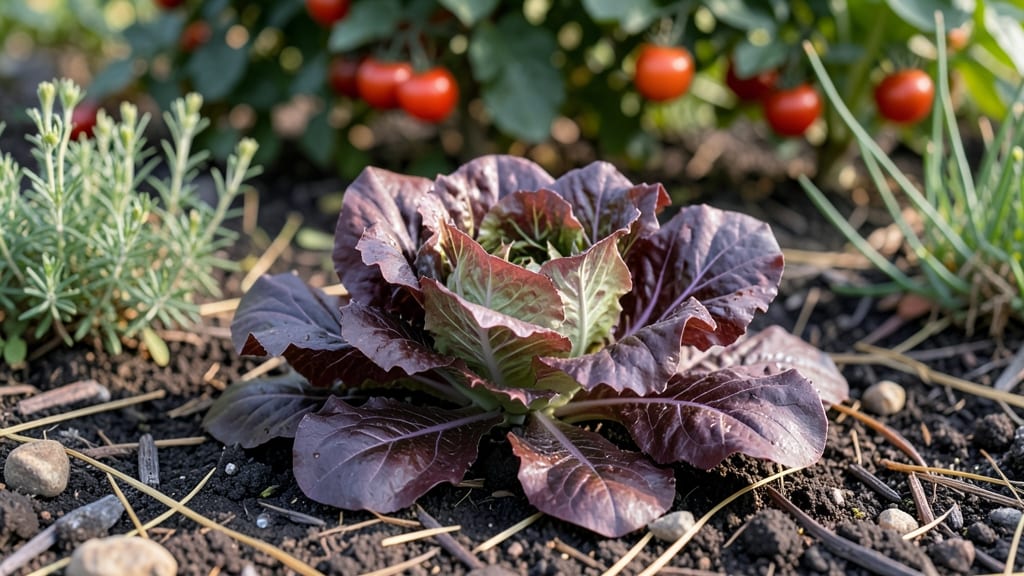
Planting leaf red lettuce transforms your garden into a bold, edible masterpiece that thrives when others fail. 🌿 This cold-hardy perennial keeps its striking deep-red foliage through winter, offering both beauty and harvest—no summer bolting in sight.
My first batch last November proved it: crisp, peppery leaves that lasted until spring, even under snow. The secret lies in cool-season care: well-draining soil, morning sun, and consistent moisture.
Start seeds indoors 6-8 weeks before frost or sow directly in fall or early spring for the most vibrant growth. Space plants 8-12 inches apart—close enough to create a lush carpet, but far enough to prevent mildew.
You’ll harvest young leaves in 4-6 weeks and continue cutting outer leaves all season. The flavor deepens after light frost, and the color stays showstopping—perfect for salads, garnishes, or simply admiring from your windowsill. Even my neighbor’s skeptical "lettuce always bolts" comment got quiet when they saw mine thriving.
Works in containers, raised beds, or ground plots, and pairs beautifully with other cold-hardy greens like spinach or arugula. Here’s how to keep yours looking like a living jewel all year.
📚 In This Guide
- What you need
- Instructions
- Tips and common mistakes
- Wrapping up and next steps
What you need
- ● Seeds or young plants: Choose cold-hardy perennial lettuce varieties like Lactuca sativa 'Perpetual Spinach' or 'Jericho Romaine' (available at nurseries or online seed banks). Quantity: 10–20 seeds or 3–5 young plants.
- ● Well-draining soil: Mix 2 parts garden soil with 1 part compost (pH 6.0–7.0). For containers, use a lightweight potting mix with perlite.
- ● Sunlight access: Partial shade (4–6 hours of morning sun) is ideal, especially in hot climates. Dappled sunlight works best for tender leaves.
- ● Watering can or drip irrigation: Lettuce loves consistent moisture. A 1-gallon watering can or soaker hose keeps roots happy.
- ● Organic mulch: Straw or shredded leaves (2–3 inches thick) to retain moisture and suppress weeds.
- ○ Gardening gloves (optional but recommended for handling soil).
- ● Hand trowel or small shovel for planting/seeding.
- ● Pruning shears (for harvesting leaves and shaping plants).
- ○ Cold frame or row covers (optional, for extending growing seasons in frost-prone areas).
- ● Fertilizer: Balanced 5-5-5 organic fertilizer or compost tea (apply every 4–6 weeks).
Step-by-step guide to growing leaf red lettuce
This vibrant perennial thrives with minimal fuss—here’s how to cultivate it for bold, edible foliage all season.
🌱 Step 1: Choose the Right Location and Soil
Leaf red lettuce loves partial shade to full sun, especially in hotter climates where it bolts quickly. I always select a spot with morning sun and afternoon shade—this keeps leaves tender and prevents bitter flavors. The soil should be well-draining but moisture-retentive, so I mix in 2-3 inches of compost into the top 6 inches of soil before planting.
Test your soil’s pH—ideal is 6.0-7.0. If your soil is heavy clay, amending with 1 part sand to 2 parts compost improves drainage without sacrificing moisture. Work the amendments into the soil until it’s loose and crumbly, about 8-10 inches deep. This ensures roots can spread freely without hitting compacted layers.
🌿 Step 2: Plant Seeds or Transplants at the Right Time
For seeds, sow directly in the garden 4-6 weeks before your last frost date in spring, or 6-8 weeks before the first hard frost in fall. I like to plant in succession every 2-3 weeks for a continuous harvest—this prevents bolting from heat stress. Press seeds ¼ inch deep and space them 6-8 inches apart in rows 12 inches apart.
If using transplants, choose established plants with 4-6 true leaves and firm stems. Set them in the ground at the same depth they grew in their nursery pots, then water deeply to settle the soil around the roots. Mulch with 1-2 inches of straw to retain moisture and suppress weeds—this is especially critical in hot weather when lettuce wilts quickly.
💧 Step 3: Water Consistently and Monitor for Bolting
Leaf red lettuce thrives with 1-1.5 inches of water weekly, delivered evenly at the soil level—not overhead. I water in the early morning so leaves dry quickly, reducing fungal risks like downy mildew. Let the top 1 inch of soil dry out between waterings, but never let it stay bone-dry for more than 2-3 days—wilting stress triggers bolting.
Watch for heat stress signs: leaves curling at the edges or turning bitter. If temperatures rise above 80°F, provide afternoon shade with a 30-50% shade cloth. You’ll know your lettuce is happy when new leaves unfurl with deep burgundy edges and crisp texture—this is the peak flavor window.
✂️ Step 4: Harvest and Maintain for Continuous Growth
Start harvesting outer leaves when they reach 4-6 inches long, using clean scissors or fingers to pinch them at the base. This encourages the plant to produce more leaves—you’ll get 3-4 harvests per plant before bolting slows growth. Always leave the inner rosette intact so the plant keeps producing.
Fertilize lightly every 4-6 weeks with a balanced organic fertilizer (10-10-10) to replenish nutrients. Avoid high-nitrogen fertilizers—they promote leafy growth at the expense of flavor. In late summer, cut back the entire plant to 2 inches tall to stimulate a fall regrowth flush, especially in mild climates.
⏰ Step 5: Overwinter and Extend the Season
Leaf red lettuce is surprisingly cold-hardy—it survives down to 15°F with proper protection. In fall, mulch heavily with 4-6 inches of straw or leaves to insulate roots. In winter, add a floating row cover on frosty nights to prevent freeze damage. You’ll often see new growth resuming in early spring.
For year-round production, start a second planting in late summer for a fall-winter harvest. This perennial won’t give you the same volume as annual varieties, but its bold color and cold tolerance make it a standout in any garden. With these steps, you’ll enjoy crisp, vibrant leaves from early spring through late fall.
Tips & tricks for perfect leaf red lettuce
Here's what nobody tells you about growing this stunning perennial—tricks that'll keep your lettuce thriving from spring to fall.
Soil Preparation Secret: When amending heavy clay soil with the 1 part sand to 2 parts compost ratio, mix it into the top 8-10 inches until it's completely loose. I use a broadfork to break up compacted layers without disturbing the soil structure—this prevents root restriction that causes bitter flavors. The key is creating a crumbly texture that holds moisture but drains freely, exactly like a well-aged garden bed.
Heat Stress Prevention: At the first sign of leaves curling above 80°F, don't wait for shade cloth—act immediately by watering deeply at the soil level. I've found that adding 1-2 inches of straw mulch right after planting creates a cooler microclimate that delays bolting by 2-3 weeks. The mulch also conserves moisture, which is critical since leaf red lettuce needs that consistent 1-1.5 inches weekly.
Harvesting Technique: When harvesting those 4-6 inch leaves, use clean scissors to cut at a 45-degree angle just above the inner rosette. This angled cut exposes more surface area for new growth while preventing water from pooling on the leaves, which reduces fungal risks. I harvest every 2-3 days during peak production to maintain crisp texture and vibrant color—over-mature leaves lose their signature burgundy hue.
Winter Protection: For that 15°F cold-hardiness, the secret is in the layers. After adding the 4-6 inches of straw mulch, place a floating row cover over the entire plant during frost warnings. The air pocket created between the cover and leaves insulates against freezing temperatures while allowing light penetration. I've successfully grown leaf red lettuce through winters with temperatures dipping to 10°F using this method.
Pro Tips for Leaf Red Lettuce
- Here's what nobody tells you about growing this stunning perennial—tricks that'll keep your lettuce thriving from spring to fall.
- Soil Preparation Secret: When amending heavy clay soil with the 1 part sand to 2 parts compost ratio, mix it into the top 8-10 inches until it's completely loose.
- Heat Stress Prevention: At the first sign of leaves curling above 80°F, don't wait for shade cloth—act immediately by watering deeply at the soil level.
Frequently asked questions
Got questions about growing leaf red lettuce? You’re not alone!
Whether you're a seasoned gardener or just starting out, these answers will help you navigate everything from planting to troubleshooting. Let’s dive in:
How cold-hardy is leaf red lettuce, and can it survive winter?
Leaf red lettuce is surprisingly resilient! Most varieties tolerate light frosts down to 20–25°F (-6 to -4°C) without damage. For harsh winters, use mulch (straw or leaves) to insulate roots. In zones 7–10, it often regrows in spring, offering year-round color with minimal effort. Just avoid heavy snow or ice buildup.
How long does it take for leaf red lettuce to grow enough to harvest?
You can start harvesting baby leaves in just 3–4 weeks! For full-sized leaves, wait 6–8 weeks after sowing. The key is consistent moisture—keep soil damp but not soggy. Cut outer leaves first to encourage regrowth, and you’ll enjoy a continuous harvest for months.
Can I grow leaf red lettuce in containers, and what size pot do I need?
Leaf red lettuce thrives in containers as long as the pot is at least 6–8 inches deep with drainage holes. A 12-inch diameter pot can support 2–3 plants. Use a well-draining potting mix and place the container in partial shade during peak summer heat to prevent bolting.
What pests or diseases should I watch for, and how do I prevent them?
Common pests include aphids, slugs, and snails, while diseases like downy mildew (gray fuzz on leaves) can strike in humid conditions. Prevent issues by:
- Rotate crops annually to avoid soil-borne diseases.
- Handpick pests early or use neem oil.
- Space plants 6–12 inches apart for airflow.
- Avoid overhead watering to keep leaves dry.
Is leaf red lettuce edible, and how does it taste compared to regular lettuce?
Yes! It’s 100% edible and packed with flavor—sweet, slightly peppery, and crunchy, with a deeper taste than iceberg. The red veins add a visual pop to salads, sandwiches, or as a garnish. Rich in vitamin K, folate, and antioxidants, it’s a nutrient-dense upgrade for any meal.
Wrapping up and next steps
Leaf red lettuce isn’t just a pretty face—it’s a versatile, cold-hardy perennial that brings bold color and fresh flavor to your garden year-round. Whether you’re growing it for its striking foliage, easy care, or culinary potential, this plant proves that drama doesn’t require complexity.
Ready to dive in? Start small—plant a few leaves in a pot or patch this weekend! 🌱 With a little patience, you’ll soon be harvesting vibrant greens (or sharing them with neighbors who’ll be jealous of your garden flair).
💡 Pro tip: Document your progress with photos—your future self (or fellow plant lovers) will thank you!