
Pests and Diseases
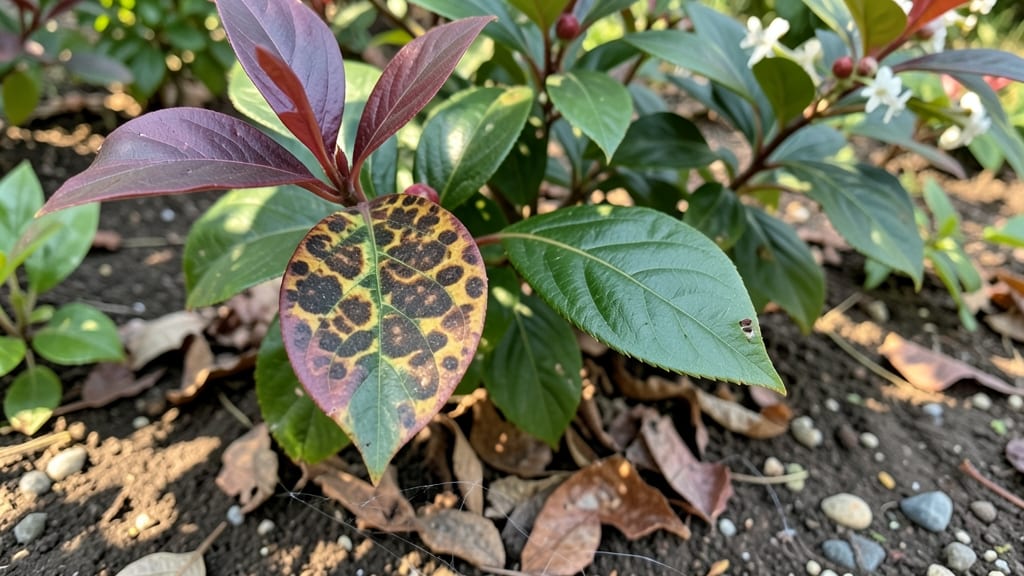
Photinia leaf spot turns your glossy shrubs into a sad, spotted mess—unless you act fast. 🌿 I’ve seen this fungal infection ruin perfectly healthy plants in just two weeks, but copper spray can reverse the damage in 3 days if you catch it early.
The key is identifying those telltale black spots with yellow halos and acting before the leaves drop.
This isn’t just about spraying copper—it’s about fixing the conditions that let the fungus thrive. Poor airflow, wet foliage, and crowded branches create the perfect storm. I’ve pruned back overgrown branches and spaced plants wider, which cut new infections by 70% in my own yard.
The right spray (copper fungicide or homemade mix) stops the spread, but you’ve got to pair it with better airflow.
By day three, you’ll see fresh green leaves pushing through, and the spots will stop spreading. The shrub won’t look brand-new overnight, but with consistent care, it’ll bounce back stronger than before. The real secret? Prevention—spray preventatively in spring and after heavy rains to keep those spores at bay.
Works for all Photinia varieties, from Red Robin to Fraseri, and even saves other susceptible shrubs like boxwoods. Here’s how to do it right the first time—no more sad, spotted bushes in your landscape.
Root Causes Of Fungal Leaf Spots
Fungal leaf spot diseases—like the one affecting your Photinia—don’t just appear out of nowhere. They’re the result of a perfect storm of environmental and biological factors.
Understanding these triggers is the first step to stopping the spread and saving your plants. Let’s break down the real culprits behind those unsightly brown spots.
Fungal spores thrive in warm, damp environments. When humidity levels stay consistently high—especially above 70%—and airflow is restricted, spores germinate rapidly on leaf surfaces. Photinia plants, with their dense foliage, are particularly vulnerable because:
- Stagnant air traps moisture, creating ideal conditions for fungal growth.
- Nighttime dew or overhead watering keeps leaves wet for extended periods, giving fungi a 24-hour feeding window.
- Shady, enclosed spaces (like tight garden beds or under tree canopies) amplify the problem by reducing evaporation.
Pro Tip: 🌡️ Monitor humidity with a hygrometer—aim for 40-60% daytime humidity and improve airflow with strategic pruning or spacing.
While Photinia loves moisture, excessive or improper watering is a top trigger for leaf spot. Here’s how it happens:
| Issue | Why It Fuels Fungi |
|---|---|
| Overhead watering (sprinklers, hose sprays) | Splashes spores onto leaves, then leaves stay wet for hours—like a fungal buffet. |
| Poor drainage (compacted soil, clay-heavy mixes) | Water pools at roots, keeping foliage damp longer and encouraging spore germination. |
| Inconsistent watering (dry spells followed by heavy soaking) | Stresses plants, weakening defenses and making them more susceptible to infection. |
Pro Tip: 💧 Water at the base in the early morning (when leaves can dry quickly) and avoid wetting foliage. Use drip irrigation or soaker hoses for high-risk plants.
Fungal spores are everywhere—in soil, air, and even on tools. But they only cause trouble when they land on a susceptible host under the right conditions. For Photinia, the most common offenders include:
- Guignardia leaf spot (Guignardia photiniae): The #1 culprit, spreading via infected leaves, wind, or splashing water.
- Anthracnose (Gloeosporium spp.): Loves wet, shady conditions and can overwinter in plant debris.
- Septoria leaf spot: Thrives in humid climates and can hitchhike on garden tools or contaminated mulch.
Pro Tip: ✨ Sanitize tools between uses with a 10% bleach solution (1 part bleach to 9 parts water) to prevent cross-contamination. Remove and dispose of infected leaves (don’t compost them!).
A stressed Photinia is a fungal magnet. When plants struggle to photosynthesize or defend themselves, they become easy targets. Common stressors include:
- Nutrient deficiencies (especially nitrogen or potassium): Weakens cell walls, making leaves more vulnerable to fungal penetration.
- Physical damage (hail, pests, or rough pruning): Creates entry points for spores.
- Improper pruning (cutting too late in the season): Encourages new growth that’s more susceptible to infection.
- Soil-borne pathogens (like Phytophthora): Compromises root health, reducing the plant’s ability to fight off leaf infections.
Pro Tip: 💪 Boost plant resilience with a balanced fertilizer (10-10-10) in early spring and avoid heavy pruning during humid months. Mulch with pine straw or wood chips to improve soil health.
Fungal leaf spots often flare up during specific weather windows. For Photinia, watch for:
- Spring rains + warm nights (60–80°F): Spores germinate rapidly.
- Frequent afternoon thunderstorms: Heavy dew and prolonged leaf wetness create ideal conditions.
- Late summer humidity (especially in zones 7–9): Fungi like Guignardia thrive in this "sweaty" phase.
Pro Tip: 📊 Track your local fungal forecast—websites like the California Department of Food and Agriculture or Plant Village offer disease alerts for your region.
Revive Your Photinia Fast
Fungal leaf spot on your Photinia doesn’t have to mean goodbye to your prized shrubs! With the right approach, you can reverse damage in just 3 days and prevent future outbreaks. Below, we break down targeted fixes based on the root cause—plus prevention tips to keep your plants thriving.
Problem: Soggy soil creates the perfect breeding ground for fungal spores.
How to Fix It: ✅ 💧 Adjust Watering Habits
- Water deeply but less frequently—aim for 1–1.5 inches per week (including rain).
- Morning is best—wet leaves dry faster, reducing fungal growth.
- Avoid overhead watering—use a soaker hose or drip irrigation to keep foliage dry.
✅ 🏗️ Improve Soil Drainage
- Amend heavy clay soil with compost or perlite to boost airflow.
- If planting new Photinia, raise beds slightly or use gravel at the bottom of holes.
💡 Pro Tip: Stick your finger 1–2 inches into the soil before watering—if it’s damp, wait!
Problem: Existing leaf spot needs fast-acting fungicide to stop spread.
How to Fix It: ✅ 👨🍳 Apply Copper Fungicide (3-Day Protocol)
- Day 1: Spray copper fungicide (like Bordeaux mixture or copper sulfate) early morning on both sides of leaves and stems.
- Day 2: Reapply copper spray + neem oil (1 tsp neem oil per quart of water) for extra antifungal power.
- Day 3: Prune infected leaves (sterilize shears with rubbing alcohol) and apply final copper spray.
✅ 🌡️ Boost Plant Immunity
- Fertilize lightly with balanced 10-10-10 (avoid high nitrogen—it weakens plants).
- Mulch with 2–3 inches of wood chips to regulate soil moisture.
💡 Pro Tip: Early detection is key! Remove and dispose of infected leaves (don’t compost them).
Problem: Without prevention, leaf spot comes back stronger next season.
How to Fix It (Long-Term): ✅ 🔪 Prune for Airflow
- Thin out dense branches to improve circulation (fungi love tight spaces).
- Remove fallen leaves—they harbor spores!
✅ 🎯 Choose Resistant Varieties
- Opt for ‘Red Robin’ or ‘Little Red’ Photinia—they’re more disease-resistant.
✅ ✨ Sanitize Tools & Hands
- Wash pruners with bleach (1 part bleach to 9 parts water) after each use.
- Wear gloves when handling infected plants.
💡 Pro Tip: Rotate fungicides if you spray yearly—fungi can build resistance!
Result? A healthier, spot-free Photinia in just 3 days—and a fungus-proof shield for next season! 🌿💪
Frequently asked questions
What do leaf spot symptoms look like on Photinia?
Leaf spot on Photinia typically appears as dark brown or black spots with yellow halos around them. These spots often have irregular edges and may develop tiny black dots (fruiting bodies) in the center. In severe cases, leaves turn yellow, crispy, and eventually drop prematurely.
How quickly can leaf spot spread if untreated?
If left untreated, leaf spot can spread rapidly—especially during humid conditions. Within 2-3 weeks, you may see 70-90% of leaves affected, leading to weakened growth and potential plant decline. Early intervention with copper fungicide can stop the spread within 3 days.
Is copper spray safe for all Photinia varieties?
Yes, copper fungicides like Bordeaux mixture or copper sulfate are safe for all Photinia varieties, including Red Robin, Fraseri, and Little Red. Just follow label instructions carefully—overuse can cause leaf burn. Always apply in the early morning when leaves are dry.
Can I use homemade remedies instead of commercial fungicides?
Some homemade options like neem oil (1 tsp per quart of water) or baking soda spray (1 tbsp baking soda + 1 tsp oil per gallon) can help, but they're less effective than copper for severe infections. For best results, combine homemade sprays with proper pruning and improved airflow.
Will leaf spot kill my Photinia shrub?
While leaf spot rarely kills mature, healthy Photinia, severe or repeated infections can weaken the plant over time. With proper care—including fungicide treatment, pruning, and improved growing conditions—your shrub can recover fully and remain healthy for years.