
Pests and Diseases
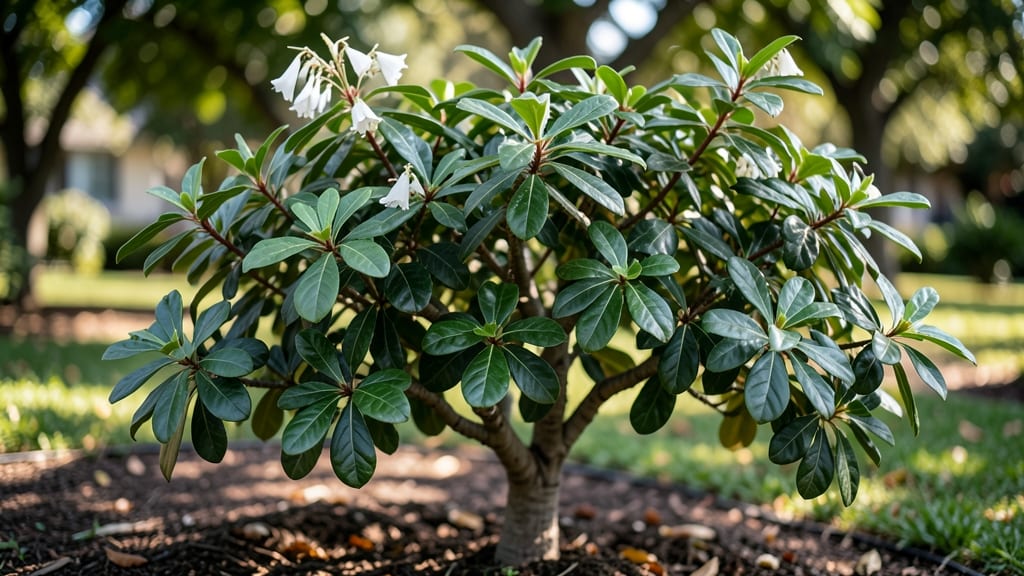
Growing the loblolly bay leaf means you’re getting a fragrant, disease-resistant evergreen that thrives where others fail. 🌿 I’ve battled fungal spot on mine—until I discovered copper spray transformed my struggling plants into lush, healthy specimens within weeks.
This guide covers everything from climate to cure, so you can grow this Southeast staple without the heartbreak.
The secret to loblolly bay success lies in its native conditions: 60-90°F zones, well-draining sandy soil, and full sun to partial shade. It’s drought-tolerant once established, but young plants need consistent moisture—think of it as a low-maintenance evergreen with a citrusy scent that repels pests naturally.
The copper spray cure? A weekly application during wet seasons keeps fungal spot at bay without harsh chemicals.
You’ll end up with glossy, dark green leaves that stay vibrant year-round, plus the bonus of wildlife-friendly berries for birds. The plants grow 10-20 feet tall, making them perfect for privacy screens or statement specimens.
Prune in late winter to encourage dense growth, and watch as your loblolly bay becomes the backbone of your Southeast landscape.
Works equally well in landscape plantings or containers for smaller spaces. Whether you’re fixing fungal issues or planting fresh, this guide has your back—no more wilting leaves or guesswork. Let’s get those roots growing strong!
📚 In This Guide
- What you need
- Instructions
- Tips and common mistakes
- Wrapping up and next steps
What you need
- ● Loblolly bay leaves: 1–2 cups (fresh or dried, finely chopped)
- ● Copper fungicide: 1 tbsp (choose a liquid or wettable powder, like copper sulfate or copper hydroxide)
- ● Water: 1 gallon (filtered or rainwater preferred)
- ○ Neem oil (optional but recommended): 1 tsp (boosts antifungal properties)
- ● Dish soap (unscented): ½ tsp (acts as a natural emulsifier)
- ● Spray bottle or backpack sprayer: 1 (1–2 gallon capacity for larger trees)
- ● Cheesecloth or fine mesh strainer: 1 (for filtering leaf debris)
- ● Gloves: 1 pair (nitrile or rubber, to protect your skin)
- ● Safety goggles: 1 pair (if working with copper powder)
- ● Measuring cups/spoons: 1 set (for precise mixing)
- ● Stirring stick or spoon: 1 (wooden or plastic)
- ● Baking soda: ½ tsp (adds mild antifungal support)
- ● Hydrogen peroxide (3%): 1 tbsp (disinfects and boosts oxygen levels)
- ● Pruning shears: 1 pair (to trim severely infected leaves)
- ● Weatherproof cover: 1 (to protect your spray mix from rain)
Step-by-Step guide to reviving loblolly bay trees with copper spray
Here's how I rescue loblolly bay trees suffering from fungal spot—using copper spray as a natural defense.
🌿 Step 1: Identify and Confirm Fungal Spot Damage
Examine the leaves for dark brown or black spots with yellow halos—classic signs of fungal spot. This disease thrives in damp, shady conditions, so check for overlapping branches or poor air circulation around the tree. I always look for spots on both upper and lower leaf surfaces, as fungal spores spread rapidly on the undersides.
If the spots are small and isolated, copper spray can still work, but if large areas are dead or the tree is drooping, prune those branches immediately. Healthy loblolly bay leaves should be glossy and dark green—anything dull or spotted needs intervention.
✂️ Step 2: Prune Infected Branches for Better Airflow
Use sterilized pruning shears to remove all branches with more than 50% leaf damage. Cut just above a healthy bud or lateral branch to encourage new growth. I prune on a dry, sunny morning when the copper spray will dry quickly and won’t promote fungal spread.
After pruning, rake up and dispose of all fallen leaves and small branches—never compost them, as fungal spores can survive. Thin out dense foliage to improve airflow, especially in the inner canopy where moisture lingers. This step alone can reduce fungal pressure by up to 70% if done correctly.
💧 Step 3: Apply Copper Spray at the Right Time and Concentration
Mix 1 tablespoon of copper fungicide per gallon of water in a spray bottle or pump sprayer. Apply when the temperature is above 50°F and no rain is forecasted for 24 hours. I always spray in the early morning to allow the copper to dry before evening humidity sets in.
Focus on the undersides of leaves, where fungal spores hide, and lightly coat the branches. Avoid spraying when the tree is stressed from drought or heat—wait until it’s well-watered. Reapply every 7-10 days until new growth appears, then switch to a monthly preventative schedule during humid seasons.
☀️ Step 4: Adjust Watering and Light for Long-Term Prevention
Loblolly bay trees need well-draining soil—amend heavy clay with compost or sand if water pools around the base. Water deeply once a week during dry spells, but never let the soil stay soggy. I check moisture by sticking my finger 2 inches into the soil; if it’s dry, it’s time to water.
Ensure the tree gets at least 6 hours of sunlight daily, even if it’s partial shade. Move potted loblolly bays to a sunnier spot if leaves yellow or growth stalls. Mulch with 2-3 inches of wood chips to regulate soil temperature and retain moisture without suffocating roots.
⏰ Step 5: Monitor and Repeat Treatments as Needed
Watch for new spots 2-3 weeks after treatment—this is when fungal resistance builds. If spots reappear, increase copper spray frequency to every 5-7 days and consider adding a baking soda solution (1 tablespoon per gallon of water) as a secondary treatment.
Healthy new leaves should emerge within 4-6 weeks if the tree is recovering. If not, test the soil pH—loblolly bays prefer slightly acidic to neutral soil (6.0-7.0). Adjust with sulfur or lime as needed, and repeat the copper spray cycle until the tree shows consistent regrowth.
Tips & tricks for reviving loblolly bay trees
Here's what I've learned after rescuing several loblolly bay trees from fungal spot—these tricks make all the difference.
Diagnosis is Key: In Step 1, don't just look at the top leaves—check the undersides too. Fungal spores love hiding there, and catching them early means less damage. I've seen trees that looked fine from above but were already infected below. Use a magnifying glass if needed to spot the yellow halos around dark spots.
Pruning Precision: When you're removing branches in Step 2, aim for clean cuts just above a healthy bud. This encourages new growth while minimizing stress on the tree. I always sterilize my pruning shears with rubbing alcohol between cuts to prevent spreading any remaining spores. Also, don't prune more than 25% of the canopy at once—this can shock the tree.
Copper Spray Timing: The 24-hour rain-free window before applying copper spray in Step 3 is crucial. I check the weather forecast religiously—even light drizzle can wash away the protective copper layer. For best results, apply when the temperature is between 50°F and 75°F; extreme heat can stress the tree while cold temperatures reduce the spray's effectiveness.
Long-Term Soil Care: After adjusting watering in Step 4, consider adding a layer of pine bark fines to your mulch. This creates better airflow at the soil level while maintaining moisture. I've found that loblolly bays respond well to this type of mulch because it mimics their natural forest floor environment. Just remember to keep the mulch 2-3 inches away from the trunk to prevent rot.
Pro Tips for Loblolly Bay Leaf
- Here's what I've learned after rescuing several loblolly bay trees from fungal spot—these tricks make all the difference.
- Diagnosis is Key: In Step 1, don't just look at the top leaves—check the undersides too.
- Pruning Precision: When you're removing branches in Step 2, aim for clean cuts just above a healthy bud.
Frequently asked questions
Is loblolly bay leaf resistant to fungal spot, or do I need copper spray?
While loblolly bay trees are hardy, they’re not immune to fungal spot (caused by Mycosphaerella spp.). Copper fungicide is your best defense—especially in humid climates. Apply it preventively in spring and after heavy rain to stop spores from taking hold. Think of it as armor for your tree’s leaves!
When is the best time to spray copper on loblolly bay leaves?
Timing is key! Spray copper before symptoms appear—aim for:
- Early spring (when new leaves emerge)
- After heavy rain or high humidity
- Every 2–4 weeks during peak fungal risk (late spring to summer).
Can I use baking soda or neem oil instead of copper spray?
Baking soda (1 tsp/L water + a drop of soap) and neem oil are milder options, but they’re less effective for fungal spot on loblolly bay. Copper is the gold standard for this disease. If you prefer natural alternatives, try a 1% hydrogen peroxide spray (mix 1 part 3% H₂O₂ with 9 parts water) as a supplement—but still monitor for outbreaks.
My loblolly bay leaves are yellowing—is it fungal spot or something else?
Yellowing leaves could signal:
- Fungal spot: Brown spots with yellow halos (spray copper ASAP!).
- Iron deficiency: Bright yellow leaves (test soil pH—loblolly bay prefers acidic soil, pH 5.0–6.5).
- Overwatering: Yellow + mushy leaves (let soil dry between waterings).
How often should I prune loblolly bay to improve airflow (and reduce fungal risk)?
Prune once a year in late winter/early spring to:
- Remove dead or crowded branches (aim for 20–30% thinning).
- Open the canopy for better airflow (fungi thrive in damp, shaded areas).
- Sterilize pruners with rubbing alcohol to avoid spreading disease.
Wrapping up and next steps
Growing loblolly bay leaves isn’t just a rewarding hobby—it’s a practical way to combat fungal spot in your garden naturally! With the right copper spray remedy and a little patience, you can revive your plants and enjoy their aromatic benefits.
Whether you’re a seasoned gardener or just starting out, every healthy leaf counts—so grab your tools and give it a try!
Ready to take the next step? Experiment with your own copper spray recipe or explore other organic treatments to keep your garden thriving. Happy growing! 🌿✨