
Blooming
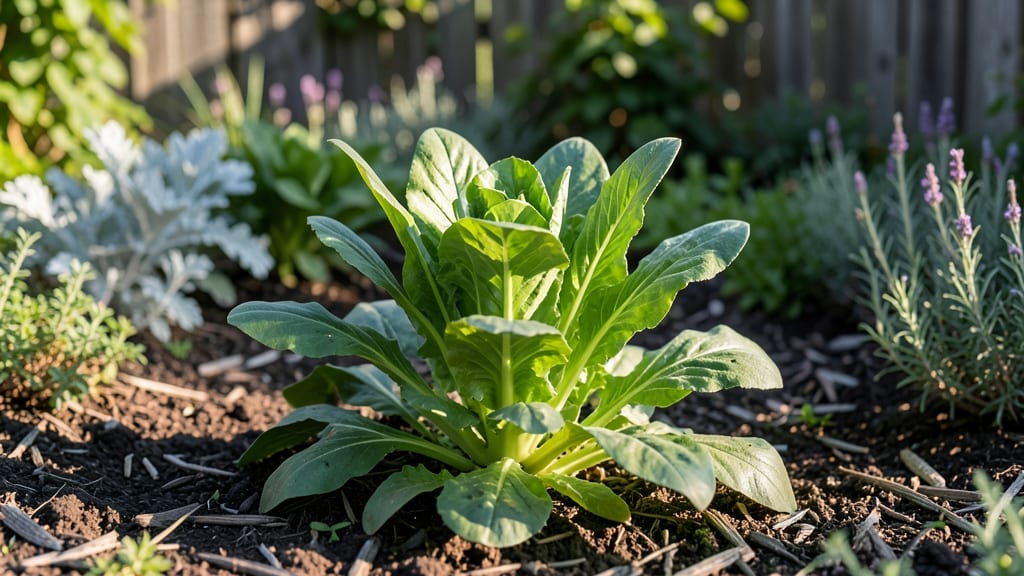
Long leaf lettuce thrives where most greens bolt—cool mornings and afternoon shade give you crisp leaves through summer. 🌿 I learned this the hard way after my first batch turned bitter in July heat, but now I grow it year-round with just a few adjustments.
The secret isn't complicated: it's about timing, shade, and watering smarter than you think.
You'll need well-draining soil with compost mixed in—think fluffy, not dense—and a spot that gets morning sun but shade after 11 AM. Most gardeners overwater lettuce, but long leaf varieties actually prefer consistent moisture without soggy roots.
A 2-inch layer of mulch keeps roots cool and cuts down on weeds, which is a game-changer for busy gardeners.
By mid-summer, you'll be harvesting deep green, tender leaves that stay crisp even in heat. The plants keep producing for weeks, giving you more harvests than store-bought bags. Plus, they resist common pests like aphids better than butterhead varieties.
This method works in containers too—just use a 12-inch pot for each plant. Whether you're growing in a raised bed or on a sunny windowsill, the same principles apply. Ready to try it?
📚 In This Guide
- What you need
- Instructions
- Tips and common mistakes
- Wrapping up and next steps
What you need
- ● Seeds: Long leaf lettuce seeds (non-GMO, heirloom, or organic preferred). Aim for 50–100 seeds depending on your harvest goals.
- ● Growing Medium: Well-draining potting soil (sterilized, 10–20 lbs for containers or garden beds).
- ● Compost (1–2 cups per planting hole) for nutrient-rich soil.
- ● Containers or Garden Space: For containers: 5–7 inch deep pots (2–4 plants per pot).
- ● For gardens: 6–12 inches apart in rows, with 18–24 inches between rows.
- ● Watering Supplies: Watering can or hose with a gentle spray nozzle (avoids damaging tender leaves).
- ○ Drip irrigation kit (optional but helpful) for consistent moisture.
- ● Sunlight Access: 4–6 hours of direct sunlight daily (partial shade in hot climates).
- ● Fertilizer: Balanced, organic fertilizer (5-5-5 or 10-10-10 NPK ratio). Use 1 tbsp per plant at planting and again after 3–4 weeks.
- ● Seedling Trays: For starting seeds indoors (6–12 weeks before last frost).
- ● Row Covers: Lightweight fabric to protect seedlings from pests or harsh weather.
- ● pH Tester: Ideal soil pH for lettuce is 6.0–7.0.
- ● Pruning Shears: For harvesting outer leaves without damaging the core.
- ● Mulch: Straw or shredded leaves to retain moisture and suppress weeds.
- ● Temperature: Ideal germination: 60–70°F (15–21°C). Avoid planting when temps exceed 80°F (27°C).
- ● Time Commitment: 30–60 minutes weekly for watering, weeding, and harvesting.
- ● Pest Awareness: Watch for aphids, slugs, or rabbits—natural predators or barriers may be needed.
How to grow long leaf lettuce for continuous harvests
This is the simple system I use to grow crisp, flavorful lettuce all year—no greenhouse needed.
🌱 Step 1: Choose the Right Location and Soil Prep
Long leaf lettuce thrives in partial shade to full sun, making it perfect for spring or fall gardens. I plant mine in a spot that gets 4-6 hours of morning sun and afternoon shade—this prevents bolting (going to seed) in summer heat. The soil should be loose and well-draining; I mix 2 inches of compost into the top 6 inches of soil to give roots plenty of nutrients.
Test your soil's moisture level before planting. Stick your finger 1 inch deep—if it feels dry, water thoroughly the day before planting. Lettuce roots are shallow, so you want them to start in damp soil. Avoid planting where water pools; soggy soil causes rot faster than anything else.
🌿 Step 2: Sow Seeds at the Correct Depth and Spacing
Scatter seeds ¼ inch deep and 1 inch apart in rows spaced 12 inches apart. I use a small hand rake to create shallow furrows, then sprinkle seeds along them. Press them lightly into the soil with your fingertips—just enough to make contact, not bury them. Cover with a thin layer of soil or vermiculite to protect them from drying out.
Keep the soil moist but not soggy until germination. You'll see tiny sprouts in 7-14 days, depending on temperature. If you're planting in summer, use shade cloth to keep soil temps below 75°F—heat speeds up bolting. Once seedlings have 2-3 true leaves, thin them to 6 inches apart to give each plant room to grow.
💧 Step 3: Water and Fertilize for Continuous Growth
Water lettuce deeply once a week (more in extreme heat) to encourage deep root growth. I water in the morning so leaves dry quickly, which prevents fungal diseases like downy mildew. Let the top ½ inch of soil dry out between waterings—this keeps roots healthy without stressing the plant.
Feed with a balanced liquid fertilizer (10-10-10) every 3-4 weeks to keep growth steady. I mix it at half-strength to avoid burning tender leaves. Watch for yellowing between veins—this is your signal to fertilize. Long leaf lettuce grows best when it's happy but not overfed.
✂️ Step 4: Harvest Outer Leaves for Extended Yields
Start harvesting when leaves reach 4-6 inches long. Use clean scissors or your fingers to snip or pluck the outer leaves, leaving the inner ones to keep growing. This method gives you continuous harvests for 6-8 weeks per planting. I always harvest in the morning when leaves are crisp and full of moisture.
If your lettuce starts to bolt (sends up a tall flower stalk), pull it immediately. Bolted lettuce gets bitter and tough. To delay bolting in summer, use shade cloth or plant in a cooler microclimate like near a north-facing wall. With proper care, you can grow long leaf lettuce year-round in most climates.
Tips & tricks for perfect long leaf lettuce growth
Growing crisp, continuous lettuce harvests isn't rocket science—just a few key adjustments that make all the difference. Here's what I've learned after years of trial and error in my own garden.
Location and Sunlight Strategy: The 4-6 hours of morning sun is non-negotiable for that perfect balance. I've found that planting near a north-facing fence or wall creates natural shade in the afternoon—this simple trick prevents bolting even in summer. If you don't have that option, use shade cloth (30-50% coverage) during peak afternoon heat (12-3 PM) when temps climb above 75°F. This mimics the natural shade conditions long leaf lettuce prefers.
Seedling Care Secret: Those first 7-14 days of germination are critical. I've discovered that placing a clear plastic dome or even a cut-open plastic bottle over newly planted seeds creates a mini greenhouse effect. This keeps soil moisture perfect without overwatering. Remove the cover once sprouts appear—just don't let them touch the plastic, or you'll risk mold. The key is maintaining that moist-but-not-soggy soil condition mentioned in Step 1.
Fertilizer Timing: The 3-4 week feeding schedule works perfectly, but here's the pro move: I add a handful of compost to the soil surface right after fertilizing. This gives the roots an extra nutrient boost while preventing salt buildup from the fertilizer. And watch for those yellowing veins between leaves—they're your plant's way of saying "feed me now!" Don't wait until the whole leaf turns yellow, or you'll lose growth potential.
Harvest Hack: When harvesting those 4-6 inch leaves, I always use clean scissors and cut at a 45-degree angle just above the inner leaves. This creates a larger surface area for new growth and prevents tearing. Plus, harvesting in the morning gives you the crispest leaves—morning dew actually enhances their freshness. And here's a bonus: save those outer leaves for salads or cooking while the inner leaves continue growing for your next harvest.
Pro Tips for Long Leaf Lettuce
- Growing crisp, continuous lettuce harvests isn't rocket science—just a few key adjustments that make all the difference.
- Location and Sunlight Strategy: The 4-6 hours of morning sun is non-negotiable for that perfect balance.
- Seedling Care Secret: Those first 7-14 days of germination are critical.
Frequently asked questions
Got questions about growing long leaf lettuce?
You’re not alone! Here are answers to the most common queries to help you cultivate a thriving harvest with ease.
What’s the best time to plant long leaf lettuce for continuous harvests?
Long leaf lettuce thrives in cool seasons, so plant it in early spring (2-3 weeks before last frost) or late summer (6-8 weeks before first frost) for fall harvests. In mild climates, you can even grow it year-round with row covers or shade cloth during hot spells. Successive plantings every 2-3 weeks ensure a steady supply!
How do I protect long leaf lettuce from bolting (going to seed) in hot weather?
Bolting happens when lettuce senses heat—use these tricks to keep it crisp: provide afternoon shade (use shade cloth or plant near taller crops), water deeply at the roots (not just leaves) to cool the soil, and choose heat-tolerant varieties like ‘Jericho’ or ‘Black Seeded Simpson.’ Mulch with straw to retain moisture and stabilize soil temps.
Can I grow long leaf lettuce in containers, and what’s the ideal pot size?
Long leaf lettuce does well in containers as long as the pot is at least 8–12 inches deep (deeper = happier roots). Use a well-draining potting mix and ensure the container has drainage holes. A 5-gallon bucket or large fabric grow bag works perfectly for 2–3 plants. Place containers in a spot with 4–6 hours of sunlight daily.
What pests should I watch for, and how do I get rid of them naturally?
Common pests include aphids, slugs, and flea beetles. Try these organic fixes:
- Aphids: Spray with a mix of water + mild soap or introduce ladybugs.
- Slugs: Set up beer traps or use copper tape around pots.
- Flea beetles: Cover seedlings with floating row fabric until mature.
How do I harvest long leaf lettuce without damaging the plant?
Harvest outer leaves by cutting or twisting them gently at the base—this encourages regrowth! Avoid cutting more than ⅓ of the plant at once to prevent stress. For a full harvest, cut the entire head 1–2 inches above the soil when mature. Bonus: Young leaves taste milder and are perfect for salads!
Wrapping up and next steps
Growing long leaf lettuce is a rewarding journey that brings fresh, crisp greens to your table with minimal fuss—perfect for gardeners of all levels! 🌱 Whether you’re a seasoned pro or just starting, this versatile leafy green thrives with simple care and adaptability.
Now that you’re armed with the right materials and answers to common questions, it’s time to roll up your sleeves and plant those seeds.
Ready to harvest homegrown goodness? Start small—try a container or raised bed—and watch your garden flourish. Happy growing! 🌿