
Vegetables
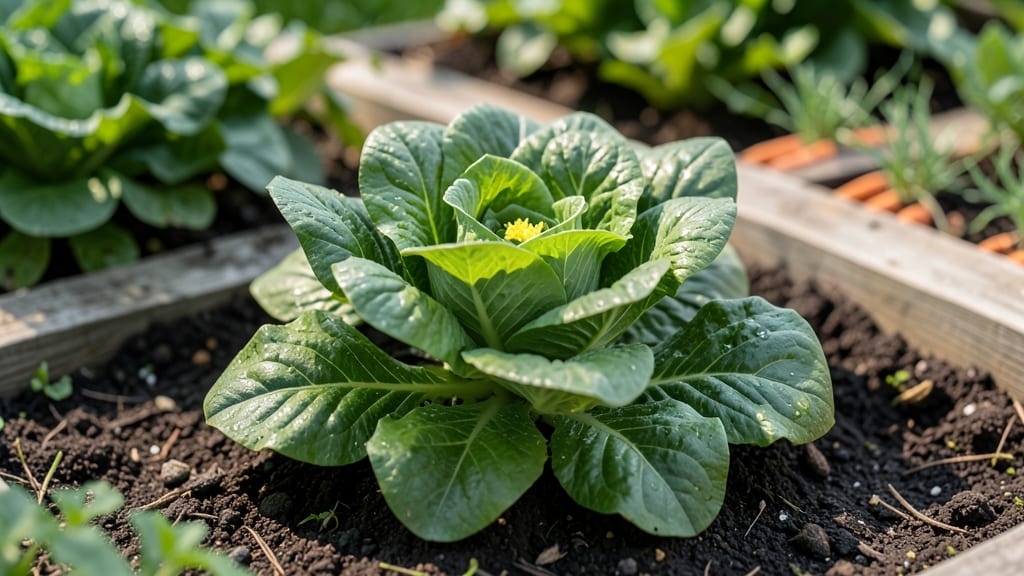
Growing leafy green lettuce that tastes fresher than store-bought in just 4 weeks changed how I eat salads forever. 🌱 The secret isn't fancy equipment—it's timing, shade, and keeping the soil consistently moist.
My first batch of butterhead lettuce went from seed to crisp, buttery leaves in under a month, and I've been hooked ever since.
You'll need a sunny spot (or partial shade in hot climates), well-draining soil, and patience for thin seedlings. Direct sowing works for most varieties, but starting indoors gives you a head start in cooler zones.
The key is spacing—crowded plants mean bitter leaves, while proper airflow keeps them sweet. I use 2-inch spacing for loose-leaf and 12-inch spacing for romaine to avoid competition.
By week 3, you'll be harvesting outer leaves without disturbing the plant, and the flavor? Unbeatable—crisp, sweet, and packed with nutrients. The best part? Lettuce grows year-round in mild climates, and with the right companion plants (like radishes or carrots), pests stay away.
Even my black thumb can't kill these.
Whether you're growing for summer salads or winter harvests, this method scales from windowsill pots to backyard beds. The only mistake I made? Waiting too long to harvest. Let's fix that—here's exactly how to do it right.
📚 In This Guide
- What you need
- Instructions
- Tips and common mistakes
- Wrapping up and next steps
What you need
- ● Seeds: Leafy green lettuce variety (e.g., Buttercrunch, Romaine, or Oakleaf). Aim for 20–50 seeds (or 1–2 seed packets) depending on your growing space.
- ● Growing Containers or Garden Bed: For containers: 6–12-inch deep pots or grow bags (at least 1 container per 4–6 plants for proper spacing).
- ● For in-ground: A sunny, well-draining spot with loose, fertile soil (6–12 inches deep).
- ● Potting Mix: Lightweight, seed-starting mix (avoid garden soil—it’s too dense!). A 10-quart bag covers ~10 containers.
- ● Watering Can or Spray Bottle: A gentle spray prevents disturbing seedlings.
- ○ Fertilizer (Optional but Recommended): Balanced liquid fertilizer (5-5-5 or 10-10-10) for seedlings.
- ● Slow-release granular fertilizer (e.g., 10-10-10) for transplanting.
- ● Garden Gloves & Hand Trowel: For planting and soil prep.
- ● Row Covers or Shade Cloth: Protects seedlings from heat stress (30–50% shade on hot days).
- ● Plant Labels: Mark varieties if growing multiple types.
- ● Organic Mulch (Straw or Grass Clippings): Retains moisture and suppresses weeds.
- ● pH Test Kit: Ideal soil pH for lettuce is 6.0–7.0.
- ● Compost or Worm Castings: Boosts nutrient-rich soil for faster growth.
Step-by-Step guide to growing crisp leafy green lettuce
Here’s how to grow tender, flavorful lettuce heads in just four weeks—no greenhouse or fancy tools needed.
🌱 Step 1: Prepare Your Growing Space and Soil
Lettuce thrives in well-draining, nutrient-rich soil with a pH between 6.0 and 7.0. If you’re planting in the ground, till in 2-3 inches of compost or aged manure to loosen the soil and improve fertility. For containers, use a high-quality potting mix blended with 20% perlite to prevent compaction.
Choose a location that receives 4-6 hours of indirect sunlight daily—too much direct sun causes bolting (premature flowering). If growing indoors near a window, position the container 12-18 inches away to avoid overheating. Lettuce roots are shallow, so a depth of 6-8 inches is ideal for both in-ground and container growing.
🌱 Step 2: Sow Seeds at the Right Depth and Spacing
Sow seeds ¼ inch deep, spacing them 1-2 inches apart in rows 12 inches apart for in-ground planting. For containers, plant 3-4 seeds per 6-inch pot—lettuce grows quickly, so crowding isn’t an issue early on. Gently press the seeds into the soil with your finger, then mist the surface with water until evenly moist but not soggy.
Here’s the thing—lettuce seeds germinate best in cool soil (60-70°F). If your climate runs warm, sow seeds in late afternoon to avoid heat stress. Cover the tray or bed with a lightweight row cover or plastic wrap to retain moisture and speed up germination, which typically takes 5-10 days. Remove the cover once sprouts appear to prevent overheating.
💧 Step 3: Water and Maintain Consistent Moisture
Lettuce roots are sensitive to drying out, so keep the soil evenly moist—never waterlogged. Water at the base of the plants in the morning to allow foliage to dry quickly, reducing fungal risks. You’ll know moisture is right when the top inch of soil feels damp to touch but not saturated. Overhead watering can cause leaf spot disease, so avoid wetting the leaves unless using a fine mist.
Fertilize lightly 10 days after germination with a balanced, water-soluble fertilizer (10-10-10) diluted to half strength. Lettuce is a heavy feeder but doesn’t need much—over-fertilizing leads to bitter leaves. I like to side-dress with compost tea every 2 weeks for a gentle nutrient boost without salt buildup.
☀️ Step 4: Monitor Light and Prevent Bolting
Lettuce bolts (sends up a flower stalk) when stressed by heat or long daylight hours. To delay bolting, provide dappled shade during peak afternoon sun (1–3 PM) if temperatures rise above 75°F. If growing indoors, supplement with a grow light set to 12-14 hours daily—lettuce needs consistent light to stay crisp and sweet.
Watch for yellowing lower leaves—this is normal as the plant matures, but if it spreads upward, your lettuce is bolting. Harvest outer leaves immediately to encourage continued growth. For head lettuce varieties, gently tug on the innermost leaves when they reach 3-4 inches tall to harvest baby leaves while the core continues growing.
✂️ Step 5: Harvest for Maximum Flavor and Regrowth
Leaf lettuce can be harvested cut-and-come-again style: snip the outer leaves at the base when they’re 4-6 inches long, leaving the inner leaves to regrow. This method extends your harvest by 2-3 weeks. For head lettuce, wait until the head is firm and compact (usually 4-6 weeks), then cut the entire head ½ inch above the soil line with a sharp knife.
Real talk: the first harvest is always the sweetest. After cutting, water deeply and fertilize lightly to encourage a second flush of growth. With consistent care, you can coax two full harvests from a single planting before bolting sets in. Store harvested lettuce in a plastic bag with a paper towel in the fridge for 5-7 days to maintain crispness.
Tips & tricks for perfect leafy green lettuce
These simple strategies will help you grow the crispiest, most flavorful lettuce heads in just four weeks—no matter your growing setup.
Soil Preparation Secret: For containers, mix your high-quality potting mix with 20% perlite to create that perfect airy texture lettuce roots love. I've found that adding a handful of worm castings to the mix boosts nutrient availability without overloading the soil. This prevents that bitter taste that often comes from nutrient imbalance, especially when using synthetic fertilizers. The key is creating a loose, crumbly texture that mimics lettuce's natural habitat.
Germination Game-Changer: When covering seeds with plastic wrap or row covers in Step 2, leave a small gap near one edge to allow condensation to escape. I learned this the hard way after watching seedlings drown in their own moisture. The 5-10 day germination window becomes 3-7 days with proper airflow—just enough to speed things up without risking rot. Check daily for sprouts, and remove the cover immediately once you see green.
Light Management: The 4-6 hours of indirect sunlight recommendation is non-negotiable for crispness, but here's what nobody tells you: use a sheer curtain or cheesecloth to diffuse harsh afternoon light if you're growing near windows. I've seen lettuce bolt in just 10 days when exposed to unfiltered midday sun, even in cooler climates. For indoor growers, position lights 6-12 inches above the plants and adjust height as they grow to maintain that 12-14 hour light cycle.
Harvest Timing: For leaf lettuce, harvest when the outer leaves reach 4-6 inches—this is when they've developed enough flavor but before they become tough. I've found that harvesting in the morning gives you the sweetest leaves because the sugars have had all night to convert. For head lettuce, gently squeeze the head—it should feel firm with just a hint of give. If it's rock hard, it's overmature; if it's too soft, give it another 2-3 days.
Pro Tips for Leafy Green Lettuce
- These simple strategies will help you grow the crispiest, most flavorful lettuce heads in just four weeks—no matter your growing setup.
- Soil Preparation Secret: For containers, mix your high-quality potting mix with 20% perlite to create that perfect airy texture lettuce roots love.
- Germination Game-Changer: When covering seeds with plastic wrap or row covers in Step 2, leave a small gap near one edge to allow condensation to escape.
Frequently asked questions
Got questions about growing leafy green lettuce?
You’re not alone! Whether you’re a first-time gardener or looking to troubleshoot, here are answers to the most common queries to help you grow crisp, flavorful heads in no time.
How long does it take for leafy green lettuce to grow?
Leafy greens like loose-leaf lettuce can be harvested in as little as 4–6 weeks, while head varieties like romaine or butterhead take 6–8 weeks. Check seed packets for specific varieties—they’ll give you the exact timeline! For faster results, opt for baby leaf mixes or cut-and-come-again types.
How often should I water leafy green lettuce?
Keep soil consistently moist (but not soggy) for optimal growth. Water daily in hot, dry weather or when the top inch of soil feels dry. Use a gentle spray or drip irrigation to avoid damaging delicate leaves. Pro tip: Water in the morning to reduce evaporation and fungal risks.
Can I grow leafy green lettuce in containers or small spaces?
Lettuce thrives in containers as small as 6–12 inches wide, as long as they have drainage. Choose shallow-rooted varieties like arugula or buttercrunch. For balconies or patios, use lightweight pots with a high-quality potting mix. Just ensure they get 4–6 hours of sunlight daily (partial shade helps in hot climates).
What pests or diseases should I watch for, and how do I prevent them?
Common pests include aphids, slugs, and cabbage worms. Prevent issues by:
- Using row covers or neem oil for aphids.
- Setting up beer traps or copper barriers for slugs.
- Removing infected leaves immediately to stop downy mildew.
How do I harvest leafy green lettuce for the best flavor?
For loose-leaf varieties, snip outer leaves when they’re 4–6 inches tall, leaving the inner growth to continue. For head lettuce, harvest the whole plant when the head feels firm. Use sharp scissors or a knife to avoid crushing leaves. Harvest in the morning after dew dries for peak crispness and flavor!
Wrapping up and next steps
Growing your own leafy green lettuce is a rewarding journey that delivers fresh, crisp, and flavorful harvests in just four weeks! 🌱 Whether you're a seasoned gardener or a curious beginner, this guide has given you all the tools—from selecting the right seeds to troubleshooting common challenges—to succeed.
The key? Patience, consistency, and a little love for your leafy greens.
Now that you’re ready to roll up your sleeves, take the next step—plant those seeds or seedlings and watch your garden transform! Share your progress with fellow green thumbs, and don’t forget to savor every bite of your homegrown goodness. Happy growing! 🌿