
Diseases
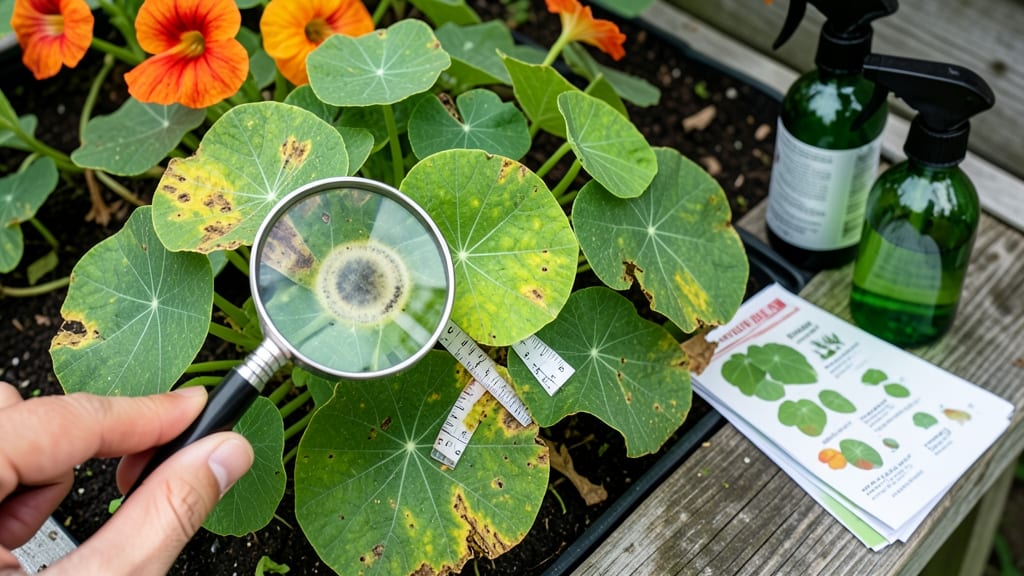
Nasturtium leaf diseases turn those vibrant blooms into sad, spotted messes—fast. 🌿 I’ve seen powdery white patches, yellow craters, and blackened edges ruin what should be a carefree, edible flower bed. The good news? Most nasturtium diseases are preventable, and organic fixes work better than chemicals. The culprits?
Fungal spores (like downy mildew) love damp leaves, while bacterial leaf spot thrives in crowded, wet conditions. Poor air circulation and overhead watering turn your nasturtiums into disease buffets. Even my "low-maintenance" nasturtium patch fell victim last summer—until I changed my watering habits.
With the right approach, you’ll salvage your plants in days. Prune infected leaves immediately, space plants for airflow, and water at the base. The organic cure? A simple baking soda spray or neem oil treatment stops the spread cold. This works for patio pots, raised beds, or full garden borders.
Let’s get those leaves healthy again.
Root Causes Behind Nasturtium Leaf Troubles
Nasturtiums are hardy, vibrant plants—but even they aren’t immune to leaf diseases. Understanding the why behind these issues is the first step to prevention. Below, we break down the most common culprits, from fungal invaders to environmental stressors, and explain how they attack your plants.
Fungi thrive in damp, warm conditions, making them the #1 enemy of nasturtium leaves. These microscopic invaders don’t just appear—they exploit weaknesses in your plant’s defenses.
- Downy Mildew: This fungus (Peronospora spp.) spreads via spores in humid air, forming a fuzzy, grayish-white coating on leaf undersides. It blocks sunlight, stunting growth and turning leaves yellow.
- Powdery Mildew: Unlike its downy cousin, this fungus (Erysiphe spp.) creates a chalky white film on both leaf surfaces. It thrives in poor air circulation and weakens plants by clogging pores.
- Alternaria Leaf Spot: Dark, concentric rings or spots with yellow halos? This fungus (Alternaria brassicicola) loves wet foliage and thrives in temperatures above 75°F (24°C), causing tissue death.
Why it happens: Fungal spores lurk in soil, water, or old plant debris. When conditions are right—high humidity, stagnant air, or overcrowded plants—they germinate and infect leaves through tiny wounds or stomata (leaf pores).
Nasturtiums prefer consistent moisture but despise soggy soil. When roots sit in waterlogged conditions, they can’t absorb oxygen, leading to stress and disease susceptibility.
- Root Rot (Phytophthora, Pythium): Waterlogged soil creates the perfect breeding ground for these soil-borne pathogens. Roots decay, cutting off nutrient flow, and leaves yellow or wilt.
- Bacterial Leaf Spot (Xanthomonas): Excess moisture on leaves creates entry points for bacteria. Spots start as water-soaked, then turn brown with yellow edges, spreading rapidly in humid climates.
Why it happens: Overwatering or poor drainage forces roots to suffocate. Anaerobic soil (low in oxygen) weakens defenses, making plants vulnerable to pathogens. Even well-draining soil can become waterlogged if you:
- Water on a schedule instead of checking soil moisture
- Plant in clay-heavy or compacted soil
- Use containers without drainage holes
Stagnant air traps moisture and spores, turning your nasturtium’s leaves into a fungal buffet. Without airflow, diseases spread faster and recovery slows.
- Botrytis Blight ("Gray Mold"): Thick, gray mold on flowers and leaves? Botrytis cinerea thrives in crowded, humid spaces, especially after rain or overhead watering.
- Leaf Mold (Peronospora spp.): Similar to downy mildew but affects more mature leaves, causing a dark, moldy layer on the upper surface.
Why it happens: Airflow disrupts fungal spores’ ability to land and germinate. When plants are:
- Planted too closely together
- Grown in shaded, enclosed spaces (like greenhouses)
- Watered from above (splashing spores onto leaves)
- Verticillium Wilt (Verticillium spp.): This soil fungus clogs water-conducting vessels in stems, causing wilting, yellowing, and leaf drop. It’s persistent and can survive for years in infected soil.
- Fusarium Wilt (Fusarium oxysporum): Similar to Verticillium but attacks younger plants. It causes sudden wilting, even in well-watered soil, as the fungus disrupts nutrient transport.
- You’ve grown brassicas (like cabbage) in the same spot before (many share pathogens)
- Soil hasn’t been sterilized or rested between plantings
- Plants are stressed from drought or poor nutrition
...the risk of airborne diseases skyrockets.
Not all nasturtium diseases come from the air—some lurk in the soil, waiting for the right moment to strike.
Why it happens: These fungi survive in contaminated soil, organic matter, or old plant debris. They enter roots through microscopic wounds, then move upward, blocking the plant’s vascular system. Nasturtiums are especially vulnerable if:
💡 Pro Tip: Rotate crops and avoid planting nasturtiums in the same bed for 3+ years to break the pathogen cycle. Solarize soil in summer (cover with clear plastic for 4–6 weeks) to kill lurking fungi.
Fix Nasturtium Leaf Issues Fast
Now that you’ve identified the culprit behind your nasturtium’s leaf woes, it’s time to take action! The good news? Most nasturtium leaf problems can be resolved with simple, organic fixes—no harsh chemicals required.
Below, we’ll map out cause-specific solutions and share preventive tips to keep your plants thriving. Let’s get those leaves back to their vibrant best! 🌿💚
Cause: Fungal overgrowth from poor airflow or excess moisture. Solution:
- 🔥 Prune for Airflow Remove crowded or overlapping leaves to improve circulation. Aim for at least 6 inches of space between plants.
- 🍳 Baking Soda Spray (Organic Fungicide) Mix 1 tsp baking soda + 1 quart water + 1 tsp horticultural oil or dish soap. Spray early in the morning (avoid direct sunlight). Repeat every 7–10 days until symptoms fade.
- 🌡️ Adjust Watering Habits Water at the base (not overhead) and only when the top inch of soil is dry. Morning watering prevents evening dampness.
💡 Pro Tip: Interplant nasturtiums with marigolds—their natural antifungal properties deter powdery mildew!
Cause: Fungal spores thriving in cool, wet conditions. Solution:
- ⏰ Remove Infected Leaves Immediately Snip off yellow or spotted leaves and dispose of them in the trash (not compost). This stops spore spread.
- 👨🍳 Neem Oil Spray (Fungal Blockade) Combine 1 tbsp neem oil + 1 tsp mild soap + 1 quart water. Spray both sides of leaves at dusk (neem oil degrades in sunlight). Reapply every 5–7 days for 2–3 weeks.
- ✨ Boost Plant Immunity Feed nasturtiums with a balanced organic fertilizer (like fish emulsion) to strengthen their defenses.
💡 Pro Tip: Avoid overhead irrigation—use drip systems or soaker hoses to keep foliage dry.
Cause: Bacteria (Xanthomonas or Pseudomonas) entering through wounds or rain splash. Solution:
- 🔪 Prune Aggressively Cut off all infected leaves (including stems) with sterilized scissors (wipe with rubbing alcohol between cuts).
- 🥘 Copper Fungicide Spray (Last Resort) If organic methods fail, use a copper-based spray (like Bordeaux mixture) once, following label instructions. Do not eat leaves after treatment.
- 🌡️ Sterilize Tools & Soil
- Clean pruners with bleach water (1:10 ratio).
- Add 1 cup hydrogen peroxide (3%) per gallon of water to the soil to kill bacteria.
💡 Pro Tip: Rotate crops—don’t replant nasturtiums in the same spot next year to break the bacterial cycle.
Cause: Lack of nitrogen (N), magnesium (Mg), or iron (Fe). Solution:
| Symptom | Likely Deficiency | Quick Fix | Prevention |
|---|---|---|---|
| Yellow lower leaves | Nitrogen (N) | Apply compost tea or fish emulsion | Side-dress with alfalfa pellets every 4 weeks. |
| Yellow veins (pale leaves) | Magnesium (Mg) | Spray Epsom salt solution (1 tbsp/gal water) or add dolomitic lime to soil. | Test soil pH—nasturtiums prefer 6.0–7.0. |
| Yellow between veins | Iron (Fe) | Use chelated iron supplement or water with citric acid (1 tsp/gal). | Plant in well-draining, slightly acidic soil. |
💡 Pro Tip: Mulch with straw to retain moisture and nutrients—nasturtiums hate dry roots!
- 🌿 Choose Disease-Resistant Varieties Opt for ‘Alaska’ or ‘Dwarf Jewel’ nasturtiums—they’re tougher against fungal issues.
- 🌡️ Monitor Weather Conditions
- Powdery mildew? Avoid planting in shady, humid spots.
- Bacterial spots? Space plants 12+ inches apart for airflow.
- 🍄 Rotate Plant Locations Don’t grow nasturtiums in the same bed year after year—this prevents soil-borne diseases from lingering.
- 🔍 Inspect Regularly Check leaves weekly for early signs of trouble. Act fast—most diseases spread quickly!
Final Thought: Nasturtiums are resilient—with the right care, they’ll bounce back faster than you think! 🚀 By tackling issues at the root (literally and figuratively), you’ll enjoy lush, disease-free foliage and abundant blooms all season. Happy gardening!
Frequently asked questions about nasturtium leaf diseases
Why do my nasturtium leaves develop yellow spots with brown edges?
Those are classic signs of Alternaria leaf spot or bacterial leaf spot. Both thrive in wet, warm conditions. The fungus/bacteria enters through leaf wounds or stomata, creating water-soaked spots that turn brown. Prune infected leaves immediately and water at the base instead of overhead to prevent spreading.
Can I still harvest nasturtium leaves if they have a few small spots?
Yes, but only if the spots are fungal (like powdery mildew) and not bacterial. Bacterial spots (water-soaked, spreading) mean discard those leaves. For fungal issues, wash leaves thoroughly before eating. Always remove heavily infected foliage to protect the rest of the plant.
How do I tell if my nasturtium has powdery mildew vs. downy mildew?
Check the leaf surface: Powdery mildew creates a chalky white coating on both sides of leaves, while downy mildew forms a fuzzy gray mold on undersides only. Both spread in humid conditions, but powdery mildew thrives in dry heat while downy mildew needs moisture. Prune for airflow and apply neem oil for both.
Will my nasturtiums recover if I treat fungal diseases late in the season?
Partial recovery is possible, but don't expect full blooms. Focus on removing infected leaves and improving airflow. For next season, choose disease-resistant varieties like 'Alaska' and rotate planting locations. Late-season treatments may prevent spread to new growth, but established infections often persist.
Can I reuse potting soil from nasturtiums that had leaf diseases?
Never reuse infected soil without sterilizing it first. Solarize the soil (cover with clear plastic for 4-6 weeks in summer) or mix in 1 part hydrogen peroxide (3%) to 3 parts water before repurposing. Soil-borne pathogens like Verticillium wilt can survive for years in untreated soil.