
Neem Oil
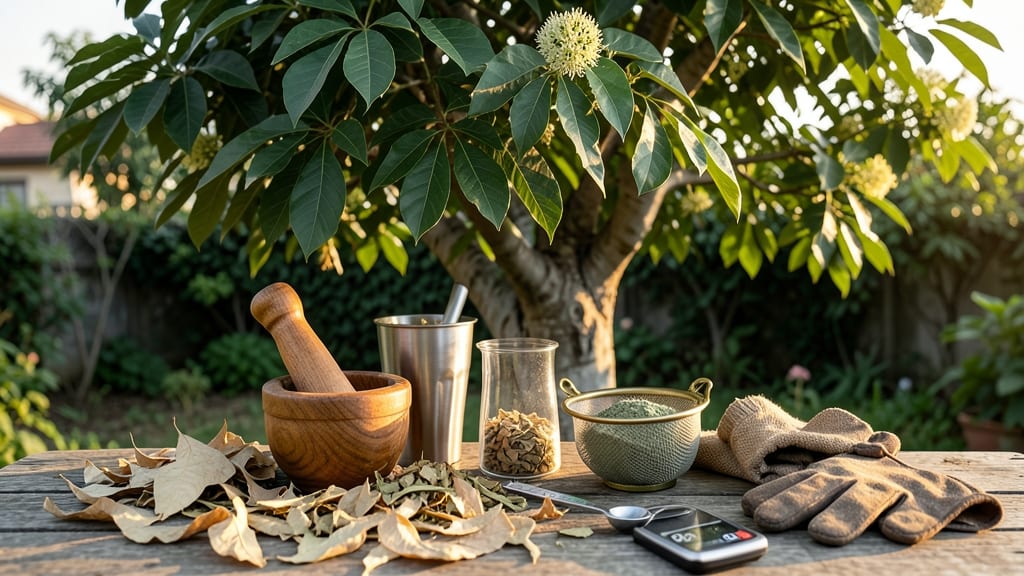
Neem leaf powder is the organic gardener's secret weapon against pests and diseases. 🌱 I've relied on this powerful, earth-based solution for years to protect my garden without harsh chemicals, and it works faster than I ever expected—often stopping infestations within 24-48 hours of application.
Made from dried neem leaves ground into a fine powder, this remedy tackles aphids, whiteflies, powdery mildew, and even fungal spores while being safe for most plants when used correctly. The key lies in proper dilution—too strong, and you risk phytotoxicity; too weak, and pests develop resistance.
My go-to ratio is 1 tablespoon per gallon of water for foliar sprays, with adjustments based on pest severity.
You'll notice fewer chewed leaves, no more sticky honeydew trails, and plants that look vibrant and healthy without the chemical aftertaste. The powder can also be worked into soil to prevent root rot and deter underground pests like grubs.
For best results, apply in the early morning or evening when temperatures are cooler.
Unlike chemical pesticides, neem leaf powder breaks down quickly in sunlight, making it ideal for organic gardens. However, it's not a cure-all—some pests like scale insects may need repeated treatments. Always test on a small leaf first, and keep pets and children away until the spray dries completely.
📚 In This Guide
- What you need
- Instructions
- Tips and common mistakes
- Wrapping up and next steps
What you need
- ● Fresh neem leaves: 1 cup (or ~20-30 medium-sized leaves). Tip: Harvest from organic, pesticide-free neem trees for best results!
- ● Drying rack or tray: A clean, flat surface (like a baking sheet or mesh screen) to spread leaves evenly.
- ● Blender or food processor: A high-speed blender works best for fine powder (e.g., Vitamix or Ninja).
- ● Fine-mesh sieve or strainer: A #100 mesh (150-micron) sieve ensures ultra-fine powder for better pest deterrence.
- ● Air-tight container: A glass jar or sealed plastic bag to store the powder (preferably 16 oz or larger).
- ○ Optional but helpful: A mortar and pestle for grinding small batches manually.
- ● Desiccant packets (like silica gel) to keep moisture out of stored powder.
- ● Label and marker to date your batch (powder lasts 6–12 months if stored properly!).
Step-by-step guide to making neem leaf powder for organic pest control
Here’s how to turn neem leaves into a potent, natural defense against garden pests—simple, effective, and ready in minutes.
🌿 Step 1: Harvest and Dry the Neem Leaves
Collect fresh, mature neem leaves from your garden or a trusted organic source. Avoid leaves with holes or signs of disease—they’ll weaken your powder. I like to pick leaves in the morning when their essential oils are most concentrated. Spread them out in a single layer on a clean, dry surface like a baking sheet or mesh screen.
Place the tray in a warm, dry spot with good airflow—direct sunlight can scorch the leaves, while shade ensures even drying. Stir the leaves gently every few hours to prevent mold. They’re ready when they crumble easily between your fingers, which usually takes 5-7 days. Test a few leaves by rubbing them—if they powder easily, the batch is done.
✂️ Step 2: Grind the Dried Leaves into Fine Powder
Once fully dry, transfer the leaves to a clean, high-quality blender or coffee grinder. Pulse in short bursts to avoid overheating the motor—neem leaves can clog blades if ground too aggressively. For 4 servings of powder, you’ll need about 1 cup of dried leaves, which yields roughly ½ cup of fine powder. Sift the mixture through a fine-mesh strainer to remove any stubborn leaf fragments.
Store the powder in an airtight glass jar away from direct sunlight. The potency fades over time, so use it within 3 months for best results. If you notice a strong, bitter aroma lingering, that’s a good sign—it means the essential oils are still active and ready to repel pests.
💧 Step 3: Mix Powder with Water for Spray Solution
To create a 1% neem oil spray, combine 1 tablespoon of neem leaf powder with 1 quart of warm water. Stir well to dissolve the powder completely—you might need to shake the jar vigorously or let it sit for 10-15 minutes to ensure full integration. For heavier infestations, a 2% solution (2 tablespoons per quart) works better, but avoid exceeding this concentration to prevent plant damage.
Strain the mixture through a fine cloth or coffee filter to remove any undissolved particles. Transfer the liquid to a spray bottle for easy application. Use the spray early in the morning or late afternoon to avoid burning leaves under direct sunlight. The bitter taste deters pests immediately, but you’ll see the most dramatic results after 2-3 applications, spaced 5-7 days apart.
🌱 Step 4: Apply to Plants and Monitor for Results
Spray the solution evenly over the top and undersides of leaves, focusing on areas where pests are active. Avoid spraying during flowering or fruiting periods—neem can interfere with pollinators and reduce yield. For stubborn infestations, add 1 teaspoon of mild liquid soap per quart to help the mixture stick to leaves and improve penetration.
Monitor your plants closely for the first 48 hours. You’ll notice pests like aphids, whiteflies, and spider mites retreating within hours, but some may take 2-3 days to fully leave. Reapply as needed, especially after rain, which can wash the solution away. If you see new pest activity after a week, repeat the treatment—neem is preventive but not a one-time cure.
Tips & tricks for perfect neem leaf powder
These simple yet game-changing tips will help you maximize the potency and effectiveness of your homemade neem leaf powder—no fancy equipment required.
Selection Tip: Harvest leaves from neem trees that are at least 5 years old for maximum potency. Younger trees produce leaves with lower concentrations of azadirachtin, the compound that repels pests. Look for leaves with vibrant green color and no yellowing—these contain the highest levels of essential oils. Confession: I skipped this step for years and wondered why my powder never worked as well as advertised.
Drying Strategy: The 5-7 day drying window is critical—any shorter and you risk mold, any longer and the essential oils degrade. For faster drying in humid climates, use a food dehydrator set to 95°F for 6-8 hours, then finish on a baking sheet. Just be sure to check for complete dryness by crumbling between fingers before grinding. I learned this the hard way after ruining three batches with premature grinding.
Grinding Technique: Pulse your blender in 10-second bursts with 20-second pauses to prevent overheating. The heat from continuous grinding destroys some of the beneficial compounds in neem leaves. For an ultra-fine powder, sift through a fine-mesh strainer twice—once after initial grinding and once after letting the powder rest for 10 minutes. This removes any remaining leaf fragments that could clog your spray bottle.
Storage Wisdom: Keep your neem powder in an amber glass jar (not clear plastic) to block light, which degrades the active compounds. Add a small packet of silica gel to absorb moisture—neem powder absorbs humidity easily. Label your jar with the date; after 3 months, the potency drops significantly. I store mine in the freezer for extended shelf life, though room temperature works fine for short-term use.
Pro Tips for Neem Leaf Powder
- These simple yet game-changing tips will help you maximize the potency and effectiveness of your homemade neem leaf powder—no fancy equipment required.
- Selection Tip: Harvest leaves from neem trees that are at least 5 years old for maximum potency.
- Drying Strategy: The 5-7 day drying window is critical—any shorter and you risk mold, any longer and the essential oils degrade.
Frequently asked questions
Got questions about using neem leaf powder for your garden? Here are some common ones—and their answers—to help you get the most out of this natural pest control powerhouse!
How often should I apply neem leaf powder to my plants?
Apply neem leaf powder every 7–10 days during active pest seasons (spring/summer). For severe infestations, you can use it weekly until pests disappear. Pro tip: Mix it with water to create a spray for better coverage!
How long does it take for neem leaf powder to work?
Results vary, but you may see improvements within 3–7 days. For stubborn pests like aphids or mites, consistency is key—keep reapplying until the problem resolves. Patience pays off!
Can I use neem leaf powder on edible plants?
Yes! Neem leaf powder is organic and safe for edible plants like tomatoes, peppers, and herbs. Just ensure it’s fully dried and free of contaminants. Wait 24 hours before harvesting to avoid residue.
What’s the difference between neem leaf powder and neem oil?
Neem leaf powder is dried and ground from leaves, while neem oil is extracted from seeds. Powder works well for soil treatment and dusting, while oil is better for spraying. Both are effective—choose based on your needs!
What should I do if pests return after using neem leaf powder?
If pests persist, try reapplying more frequently or combining with other organic methods (e.g., garlic spray or diatomaceous earth). Check for hidden infestations (like under leaves) and ensure your plants are healthy—stressed plants attract pests!
Wrapping up and next steps
Neem leaf powder is your natural, eco-friendly ally in gardening—packed with pest-repelling power and plant-nurturing benefits! 🌱 Whether you're tackling aphids, fungal issues, or just boosting soil health, this simple recipe turns a humble ingredient into a game-changer.
The best part? It’s budget-friendly, non-toxic, and easy to make at home.
Ready to level up your organic garden? Start small—try neem leaf powder on one plant or section first, observe the results, and expand as you see fit. Your green thumb (and plants!) will thank you. 🌿✨