
Aphids
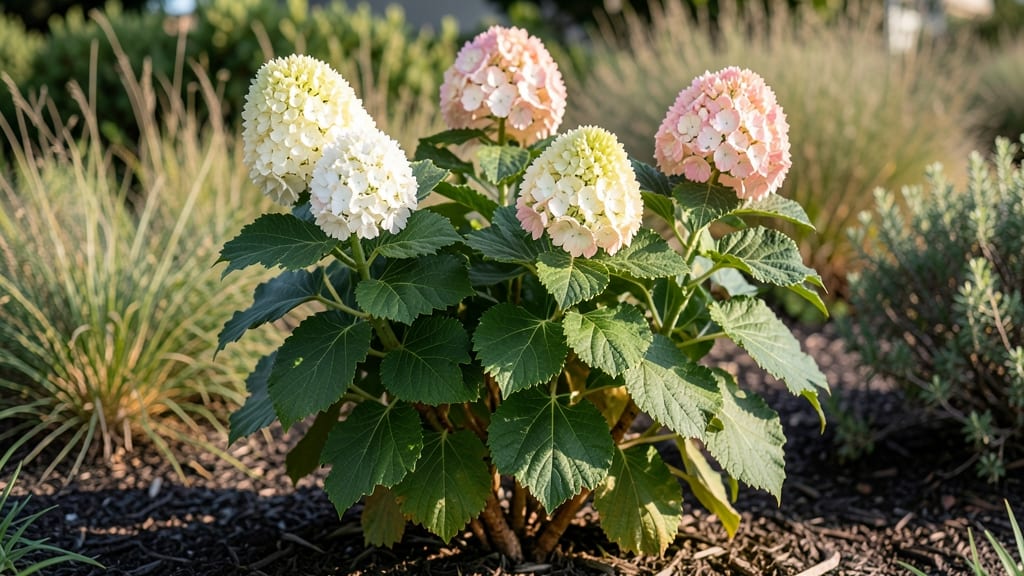
Finding an oakleaf hydrangea near you means bringing home a plant that steals the show in every season. 🌿 Its deep green leaves turn fiery red in fall, and those iconic blooms?
They last well past summer. The best part? It thrives in partial shade, making it perfect for spots where other plants struggle.
Start by checking local nurseries or garden centers—they often carry this showstopper in spring or early fall. If you can’t find one locally, reputable online retailers ship bare-root plants that establish beautifully. Just imagine that shady corner of your yard transformed into a year-round focal point.
Once planted, oakleaf hydrangeas reward you with minimal fuss. They love well-draining soil and consistent moisture, but they’re tough enough to handle a little neglect. The foliage alone makes them worth growing, but those blooms? They’re the cherry on top—long-lasting and effortlessly elegant.
For extra drama, pair them with ferns or hostas for a lush, layered look. In containers, they bring height and texture to patios or decks. Whether you’re planting one or a small grove, this hydrangea delivers beauty without the high-maintenance fuss.
📚 In This Guide
- What you need
- Instructions
- Tips and common mistakes
- Wrapping up and next steps
What you need
- ● Oakleaf hydrangea plants (1-3, depending on desired size): Check local nurseries or online retailers for Hydrangea quercifolia varieties.
- ● Choose healthy plants with 3-5 feet of mature height (or smaller for containers).
- ● Well-draining soil mix (50 lbs): Compost (20%), topsoil (60%), and perlite/sand (20%) for optimal drainage.
- ● Organic mulch (2-3 bags): Pine bark or shredded leaves to retain moisture and regulate soil temperature.
- ● Slow-release fertilizer (10-10-10 or balanced organic blend, 1 lb).
- ● Watering can or hose with gentle spray nozzle (5+ gallon capacity).
- ● Gloves and pruning shears (sterilized, sharp blades for clean cuts).
- ● Soil pH test kit (to ensure acidic soil, ideal pH 4.5-6.0).
- ● Container or raised bed (if planting in pots; 15+ gallons per plant).
- ● Epsom salt (1 lb; boosts magnesium for vibrant foliage).
- ● Pest deterrent spray (neem oil or insecticidal soap for aphids).
- ● Stakes and twine (for young plants in windy areas).
How to plant and care for oakleaf hydrangeas for stunning year-round color
Here's the straightforward approach I've used to keep my oakleaf hydrangeas vibrant for decades—no fancy tricks, just reliable techniques.
🌱 Step 1: Choose the Perfect Planting Spot
Oakleaf hydrangeas thrive in partial shade—think morning sun with afternoon shade—especially in hotter climates. I plant mine where they get 4-6 hours of sunlight daily, but they'll tolerate full shade if you want the leaves to stay even greener (though flowers may be fewer). The key is avoiding hot afternoon sun, which can scorch those beautiful leaves.
Check your yard's microclimates—near foundations or under large trees often provide ideal filtered light. Dig a hole twice as wide as the root ball but only as deep as the container's root level. Oakleaf hydrangeas hate having their crown buried too deep, so don't plant them deeper than they were in their nursery pot.
💧 Step 2: Prepare the Soil and Plant Correctly
These hydrangeas love rich, well-draining soil with a slightly acidic pH (5.5-6.0) for best foliage color. Mix 2-3 inches of compost into the bottom of your planting hole using the 3 gallons of compost you've set aside. This improves drainage while providing nutrients for strong root growth.
Remove the plant from its container and gently loosen the roots if they're circling. Place it in the hole so the top of the root ball sits 1 inch above ground level—this prevents rot when water pools. Backfill with native soil mixed with 1 cup of hydrangea-specific fertilizer, then water deeply to settle everything. You'll see the soil settle about an inch, so don't pack it too tightly at first.
☀️ Step 3: Water and Mulch for Year-Round Health
Water deeply once a week for the first month after planting, ensuring the soil stays moist but not soggy. You'll know you're doing it right when water drains through 6-8 inches deep—stick your finger in to check. Oakleaf hydrangeas are drought-tolerant once established, but young plants need consistent moisture to develop strong roots.
Spread 3 inches of mulch (like pine bark or shredded leaves) around the base, keeping it 3 inches away from the stem to prevent rot. This mulch layer helps maintain even moisture and protects roots during winter. Replenish mulch annually in early spring—just before new growth appears—as it breaks down over time.
✂️ Step 4: Prune Strategically for Maximum Impact
Wait until late winter or early spring (when buds swell but before leaves emerge) to prune. Cut back one-third of the oldest stems to the ground—these are the stems that bloomed last year. The remaining stems will produce new growth and flowers from the base. Never prune back into old wood; you'll sacrifice next year's blooms.
Remove any dead, diseased, or crossing branches throughout the season. I also trim back any leggy growth in early summer to encourage bushier, more compact growth. Oakleaf hydrangeas bloom on new wood, so don't worry about cutting back flower stems—they'll produce even more dramatic foliage and flowers next year.
Tips & tricks for perfect oakleaf hydrangea planting and care
Between us, these simple adjustments will help your oakleaf hydrangeas thrive for years to come—no green thumb required.
Sunlight Strategy: In Step 1, if your yard only offers full sun, position your hydrangea where it gets morning sun and afternoon shade. I've seen dramatic color differences between plants in full sun versus those with filtered light—especially in hot climates. For the 4-6 hours of sunlight, prioritize morning exposure to prevent leaf scorch from afternoon heat.
Soil Science: When preparing your planting hole in Step 2, test your soil's pH first. Oakleaf hydrangeas love that slightly acidic range (5.5-6.0) for vibrant foliage. If your soil tests higher, mix in 1 cup of sulfur per hole to lower the pH gradually. The 3 gallons of compost you're using will help, but don't skip the pH check—it's the secret to those stunning fall colors.
Watering Wisdom: During that first critical month after planting, I recommend watering in the early morning instead of evening. This gives leaves time to dry before nightfall, reducing fungal risks. Check moisture by sticking your finger 6-8 inches deep—if it feels dry, it's time to water. Overwatering is just as harmful as underwatering for these plants.
Pruning Precision: When you're ready to prune in Step 4, look for those one-third of oldest stems—they're the ones that bloomed last year and are now woody. Cut them back to the ground, but leave the younger stems that produced flowers this year. These will give you next year's blooms! I mark stems with a ribbon in late fall to identify which ones to cut back in spring.
Pro Tips for Oakleaf Hydrangea Near Me
- Between us, these simple adjustments will help your oakleaf hydrangeas thrive for years to come—no green thumb required.
- Sunlight Strategy: In Step 1, if your yard only offers full sun, position your hydrangea where it gets morning sun and afternoon shade.
- Soil Science: When preparing your planting hole in Step 2, test your soil's pH first.
Frequently asked questions
Got questions about adding oakleaf hydrangeas to your landscape? We’ve got answers!
Whether you’re curious about care, timing, or where to find these stunning plants, here’s what you need to know before planting.
Where can I find oakleaf hydrangeas near me?
Check local nurseries, garden centers, or specialty plant shops—they often stock oakleaf hydrangeas in spring or early summer. For rare varieties, try online retailers like Fast-Growing Trees or Monrovia. Pro tip: Call ahead to confirm availability!
When is the best time to plant oakleaf hydrangeas?
Plant in early spring or fall when soil is workable but not frozen. Avoid summer heat—it stresses young roots. Bonus: Fall planting gives roots time to establish before winter.
Are oakleaf hydrangeas prone to pests like aphids?
Yes, but they’re hardy! Aphids may appear, but a strong spray of water or insecticidal soap usually clears them. Prevent issues by:
- Keeping plants healthy with balanced fertilizer.
- Pruning for airflow to reduce humidity (aphids love damp leaves).
- Monitoring undersides of leaves early in the season.
Can oakleaf hydrangeas grow in full sun?
They thrive in partial shade (morning sun + afternoon shade), especially in hot climates. In cooler regions, they tolerate full sun with extra water. Watch for: Leaf scorch in intense afternoon heat.
How do I encourage bigger blooms on my oakleaf hydrangea?
Focus on pruning in late winter/early spring (remove dead wood and shape lightly). Use a balanced fertilizer in spring (like 10-10-10) and mulch around the base to retain moisture. No summer pruning!—it trims off next year’s buds.
Wrapping up and next steps
Transforming your yard with oakleaf hydrangeas is a rewarding journey that brings year-round beauty and minimal fuss! 🌿 Whether you’re drawn to their vibrant fall foliage, fragrant blooms, or adaptability, these plants are a game-changer for any landscape.
Now that you’re armed with where to find them and how to care for them, why not take the next step?
🌟 Ready to plant? Visit a local nursery or garden center today—your future wow-worthy garden is just a few steps away! 🌱