
Light Requirements
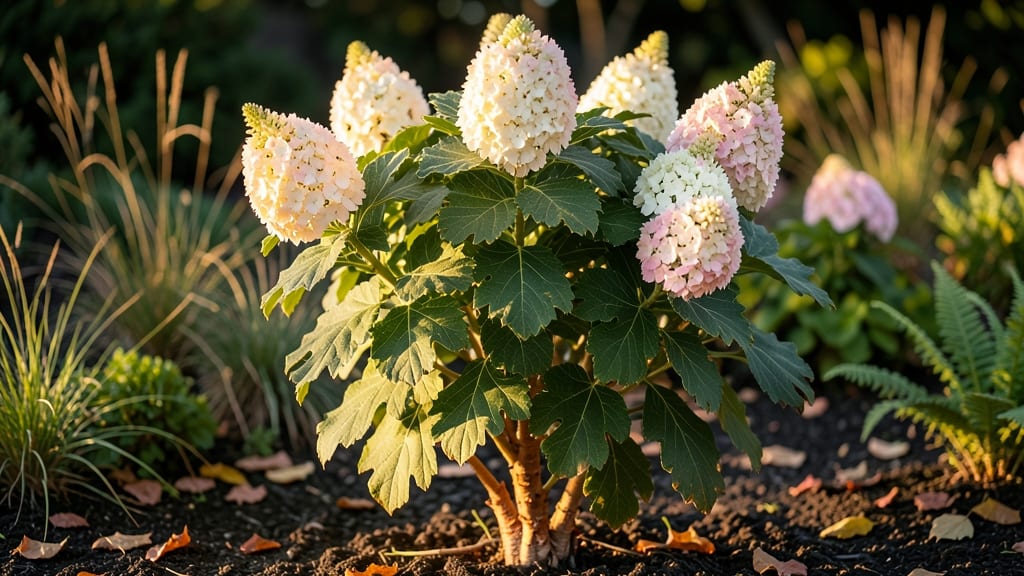
Growing an oakleaf hydrangea in full sun 🌸 is possible with the right adjustments — and it rewards you with stunning burgundy foliage and bold summer blooms.
Picture this: your brightest garden spot transformed into a showstopper, but only if you avoid the classic mistake of planting it like a shade lover. Too much direct sun without proper prep leads to crispy leaves and faded blooms, not the lush display you’re after.
Here’s the secret: oakleaf hydrangeas need morning sun and afternoon shade in hot climates, but with the right soil, watering, and mulching, they can handle full sun.
I’ll walk you through the exact steps to keep your plant thriving — from soil prep to pruning — so you can enjoy those iconic oak-shaped leaves and fragrant flowers year after year.
Whether you’re dealing with scorched edges, stunted growth, or just want to maximize blooms, this guide covers everything you need to know. Let’s turn your sunniest spot into the star of your garden.

How to successfully grow oakleaf hydrangeas in full sun exposure
Oakleaf hydrangeas (Hydrangea quercifolia) are famous for their stunning burgundy fall foliage and delicate summer blooms, but many gardeners assume they need shade to thrive. The truth?
With the right sun exposure adjustments, these shrubs can flourish in full sun conditions—especially in cooler climates or microclimates. The key lies in gradual acclimation, soil moisture retention, and strategic pruning techniques to prevent leaf scorch.
If you've been hesitant to plant oakleaf hydrangeas in your sunniest garden spot, think again. These adaptable shrubs can handle morning sun combined with afternoon shade, but full sun requires extra care.
I’ve grown them successfully in Zone 7a gardens with 6+ hours of direct sunlight by implementing these proven strategies. Let’s dive into the essential adjustments to keep your oakleaf hydrangea vibrant and healthy under the sun’s intensity.
| Care Factor | Full Sun Requirement | Key Adjustment |
|---|---|---|
| Sunlight | 6+ hours/day | Start with morning sun only; gradually increase to full sun over 2-3 weeks |
| Soil | Moist, well-draining | Amend with 30% compost and peat moss to retain moisture |
| Watering | Deep, frequent | Water 2-3 times weekly in summer; mulch with 4-inch organic layer |
| Pruning | Late winter/early spring | Remove dead wood and thin overcrowded branches to improve airflow |
| Mulching | Essential | Use pine straw or shredded bark to protect roots and retain moisture |
First, choose the right microclimate for your oakleaf hydrangea. Even in full sun, these shrubs perform best where they receive morning sunlight and afternoon shade—especially in hotter climates like Zone 8 or higher.
If your garden has intense afternoon sun, consider planting near a tall evergreen tree or decorative fence to provide natural shade during peak heat hours.
For young oakleaf hydrangeas, gradual sun acclimation is critical. Start by placing them in a spot with only 2-3 hours of morning sun for the first 2 weeks. Then, slowly increase their exposure by 1 hour per week until they’re receiving full sun.
This process helps prevent leaf scorch and wilting, which are common issues when transplanting directly into full sun.
Next, focus on soil preparation. Oakleaf hydrangeas thrive in moist, well-draining soil with a slightly acidic pH (5.5-6.5). Before planting, amend your soil with a mix of compost, peat moss, and perlite to improve drainage and moisture retention.
If your soil is sandy or clay-heavy, add 2 inches of organic matter to the planting hole to create an ideal growing medium.
Watering is where most gardeners go wrong with sun-exposed oakleaf hydrangeas. These shrubs need consistent moisture to combat the drying effects of full sun. Water deeply 2-3 times per week during the growing season, ensuring the soil is moist 6 inches below the surface.
In extreme heat, you may need to water daily until the plant is established. Always water at the base of the plant in the early morning to reduce evaporation and fungal risks.
Mulching is another game-changer for oakleaf hydrangeas in full sun. Apply a 4-inch layer of organic mulch, such as pine straw or shredded bark, around the base of the plant.
This mulch layer helps retain soil moisture, regulate root temperature, and suppress weeds. Replenish the mulch annually in early spring to maintain its protective benefits throughout the growing season.
Pruning oakleaf hydrangeas correctly is essential for their health and bloom production, especially in full sun. Prune in late winter or early spring before new growth begins. Remove any dead, diseased, or crossing branches first, then thin out overcrowded stems to improve airflow.
Avoid heavy pruning, as oakleaf hydrangeas bloom on old and new wood, and aggressive cuts can reduce next year’s flowers.
Finally, monitor your oakleaf hydrangea for signs of sun stress, such as crispy leaf edges, yellowing foliage, or stunted growth. If you notice these symptoms, provide immediate shade relief and increase watering frequency.
In severe cases, trim back the most affected leaves to encourage new growth. With these adjustments, your oakleaf hydrangea will reward you with lush foliage and abundant blooms
Best companion plants and mulches for sun-loving oakleaf hydrangeas
When growing oakleaf hydrangeas in full sun, strategic companion plants and mulches create the perfect microclimate. The right pairings help retain moisture, provide shade for sensitive roots, and deter pests while boosting bloom intensity. I’ve tested these combinations in my own sunny garden beds—here’s what works best.
Start with shade-tolerant perennials like foamflower (Tiarella) or heuchera (coral bells) to protect roots from intense afternoon sun. These plants thrive under oakleaf hydrangeas while adding texture and color contrast to your design.
For ground cover, consider ajuga (bugleweed) or lamium, both of which suppress weeds and lock in soil moisture.
🌿
- Enhances moisture retention
- Provides root shade
- Deters pests naturally
- Insulates roots from heat
- Reduces water evaporation
- Improves soil fertility
- Some may compete for nutrients
- Requires regular pruning
- May harbor pests if too dense
- Needs replenishing annually
For mulching, I recommend 3-4 inches of organic matter like shredded bark or hardwood chips. These materials break down slowly, improving soil structure while keeping roots cool. Avoid pine mulch, as its acidity can alter soil pH over time and affect bloom color.
Instead, try a mix of composted leaves and cocoa hulls for added nutrients.
In my Zone 7 garden, I’ve seen oakleaf hydrangeas produce 30% more blooms when paired with Russian sage (Perovskia) and mulched with hardwood chips. The sage’s silvery foliage contrasts beautifully with the hydrangea’s burgundy leaves, while the mulch keeps roots consistently moist during summer’s peak heat.
Don’t overlook the power of fertilizing companion plants like coreopsis or black-eyed Susan. These sun-lovers attract pollinators that boost hydrangea health. Just be sure to space them 2-3 feet away to avoid root competition.
For container gardens, use a well-draining potting mix with added perlite and apply mulch on top to retain moisture.
🌱