
Pruning
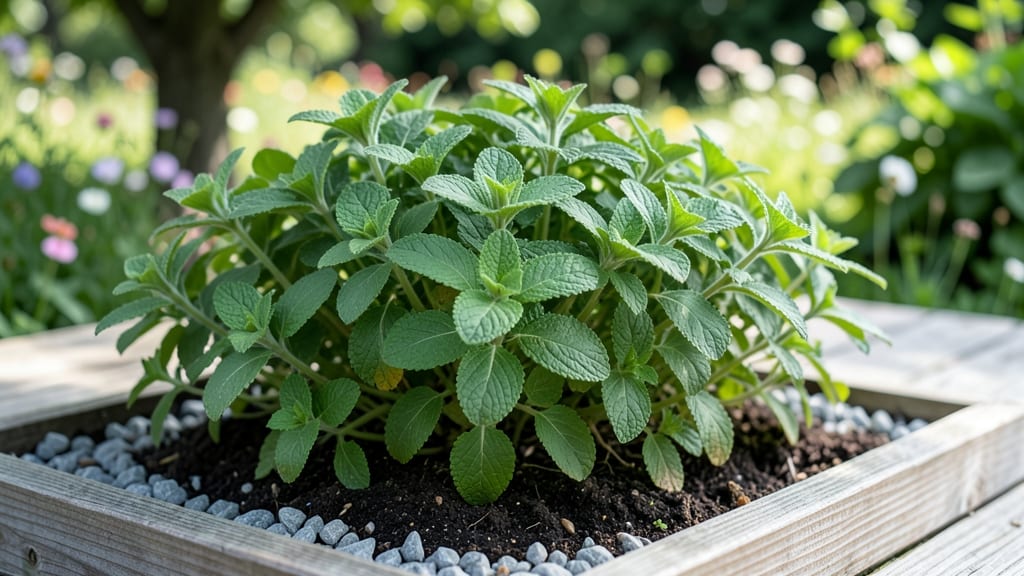
Reviving your oval leaf mint bush starts with understanding its growth secrets. 🌿 This hardy perennial thrives when you prune it the right way—turning leggy, sparse growth into a lush, year-round foliage machine. The key? Timing, technique, and a little science about how mint responds to cuts.
Most gardeners over-prune in spring, which actually stunts new growth. Instead, focus on three strategic cuts throughout the year: a light shape-up in early spring, a mid-season boost in summer, and a final cleanup before winter. Each cut encourages bushier, denser foliage while keeping pests at bay.
By summer’s end, you’ll have a mint bush so full it looks like a green cloud. The leaves stay vibrant even in winter, and you’ll harvest more than ever—whether for teas, cocktails, or cooking. The best part? It’s disease-resistant and spreads naturally, so you’ll have plenty to share.
Works in partial shade or full sun, in containers or garden beds. Let’s get those shears ready—your mint bush is about to transform!
📚 In This Guide
- What you need
- Instructions
- Tips and common mistakes
- Wrapping up and next steps
What you need
- ● Pruning shears – Bypass-style (sharp, clean blades, 5–7" length) for clean cuts.
- ● Hand pruners – For smaller stems (ergonomic grip, stainless steel).
- ● Gloves – Garden or leather gloves (to protect from thorns and sap).
- ● Disinfectant – 70% isopropyl alcohol or bleach solution (1 part bleach:9 parts water) (to sterilize tools between cuts).
- ● Rake or broom – For clearing debris (metal or plastic, medium bristles).
- ○ Pruning saw (optional but helpful) – For thick stems (8" curved blade, if your mint bush has woody growth).
- ● Timing – Prune in early spring or late winter (before new growth) or after flowering (summer/fall).
- ● Weather check – Choose a dry, overcast day (avoid pruning in extreme heat or wet conditions).
- ● Healthy plant assessment – Inspect for diseased or dead branches (remove these first!).
- ● Water access – Have a hose or watering can nearby to hydrate post-pruning.
- ● Plant food – Balanced fertilizer (10-10-10) (apply 2–4 weeks post-pruning for a boost).
- ● Mulch – Organic mulch (shredded bark or compost) (to retain moisture and suppress weeds).
- ● Plant markers – If propagating cuttings (label with dates for tracking growth).
- ● Camera or sketchbook – To document pruning progress (great for tracking changes over time!).
Step-by-Step guide to reviving your oval leaf mint bush
Here's how to coax lush, year-round growth from your mint bush using proven pruning techniques.
🌿 Step 1: Assess the Current Health
Start by examining your mint bush from all sides. Look for signs of leggy growth (long, sparse stems) or bare spots where leaves have fallen off. I always check for new growth at the base—this tells me where the plant is still putting energy. Healthy mint should have vibrant green leaves and stems that aren't woody or brittle.
Run your fingers through the foliage to feel for any dead or dying stems. These will be brown, crispy, or easily snap off. Remove any stems that feel hollow or have no leaves at all—these won't regrow. Keep a small bucket nearby to collect your prunings; you can compost them later.
✂️ Step 2: Prune for Shape and Airflow
Using clean, sharp pruning shears, cut back any stems that are growing too long or are crossing over each other. I like to shape the bush into a rounded form—this encourages new growth at the center. Cut just above a leaf node (the spot where leaves attach to the stem) at a 45-degree angle to prevent water from pooling.
Focus on thinning out the center first. Mint bushes often get dense and shaded in the middle, which leads to sparse growth. Aim to remove about one-third of the bush's total volume in this step. This might sound aggressive, but trust me—it's what makes the plant bounce back. You'll see fresh green shoots within 2-3 weeks.
☀️ Step 3: Encourage New Growth with Light and Water
After pruning, move your mint bush to a location where it gets at least 4-6 hours of sunlight daily. Oval leaf mint thrives in partial shade but needs enough light to regenerate. If your bush was in deep shade before, you'll notice new leaves emerging within 10-14 days as it adjusts.
Water deeply after pruning to help the plant recover. Stick your finger 1 inch into the soil—if it feels dry, give it a thorough drink. Avoid letting the soil stay soggy, though. Mint roots need good drainage, and waterlogged soil can rot stems. Mulch around the base with 1-2 inches of organic mulch to retain moisture and regulate temperature.
🌱 Step 4: Fertilize for Revitalization
Spread a balanced, water-soluble fertilizer (like a 10-10-10 mix) around the base of the plant. Use about 1 tablespoon per square foot of soil area. Water it in well so the nutrients reach the roots. I fertilize again in 4-6 weeks to give the plant a steady boost as it recovers.
If your mint looks particularly weak, you can also add a handful of compost to the soil. This gives the plant a slow-release nutrient boost without the risk of burning the roots. Avoid heavy-handed fertilizing—mint is hardy but doesn't need much to thrive once it's healthy again.
⏰ Step 5: Maintain Year-Round Growth
Once your mint bush starts regrowing, keep up with regular trims every 4-6 weeks to maintain its shape and encourage bushiness. Always cut just above a leaf node, and avoid cutting into old, woody stems—these won't produce new growth. If you see any yellowing leaves, remove them promptly to prevent disease.
In colder months, you might notice growth slow down, but mint can handle light frosts. If temperatures drop below 20°F, move the pot indoors or cover it with a frost blanket. With consistent care, your mint bush will stay lush and productive all year long.
Tips & tricks for reviving your oval leaf mint bush
Here's what nobody tells you about bringing your mint bush back to life—these are the little details that make all the difference.
Pruning Precision: When you're cutting back those leggy stems in Step 2, always look for the leaf node just above where you're making your cut. That's where new growth will emerge! I've learned the hard way that cutting too close to the base can leave scars that never heal. Also, those 45-degree angles aren't just for looks—they prevent water from pooling and causing rot.
Light Exposure Secret: That 4-6 hours of sunlight in Step 3 is non-negotiable for oval leaf mint, but here's the thing: morning sun is gentler than afternoon heat. If you can position your bush to catch morning light and afternoon shade, you'll see even faster regrowth. I've noticed new leaves appear in just 10-14 days when the light conditions are right—it's like watching a plant wake up!
Fertilizer Timing: The 4-6 week interval between fertilizing in Step 4 is perfect because it gives your mint time to use up the nutrients without overloading the soil. Pro tip: mix your fertilizer with water first, then apply it to the soil. This ensures even distribution and prevents burning the roots. I've seen mint plants struggle when fertilizer just sits on top of dry soil.
Pro Tips for Oval Leaf Mint Bush
- Here's what nobody tells you about bringing your mint bush back to life—these are the little details that make all the difference.
- Pruning Precision: When you're cutting back those leggy stems in Step 2, always look for the leaf node just above where you're making your cut.
- Light Exposure Secret: That 4-6 hours of sunlight in Step 3 is non-negotiable for oval leaf mint, but here's the thing: morning sun is gentler than afternoon heat.
Frequently asked questions
Got questions about keeping your oval leaf mint bush thriving year-round?
You’re not alone! Here are answers to the most common queries—from pruning hacks to troubleshooting tips—so you can master this evergreen beauty with confidence.
When is the best time to prune my oval leaf mint bush for year-round growth?
The ideal time is early spring (before new growth starts) or late winter. For a tidy look, light pruning can also happen in fall. Avoid heavy cuts in winter—the plant’s dormant, and harsh pruning can stress it. Pro tip: If you’re pruning for harvest, do it in morning when oils are most potent!
How much should I trim back my oval leaf mint bush?
For shaping, remove 1/3 of the plant’s height in one go, focusing on leggy stems or overcrowded areas. For rejuvenation, cut back half the bush to the ground in early spring—it’ll bounce back with fresh, bushier growth. Never remove more than 50% at once, or you risk shocking the plant.
Can I prune my oval leaf mint bush in summer? What’s the risk?
Yes, but lightly! Heavy summer pruning can stress the plant, especially in hot climates, leading to sunburn or stunted growth. If you must prune, do it early morning or late afternoon to avoid peak sun. Focus on deadheading flowers to encourage foliage regrowth.
What if my oval leaf mint bush looks woody or leggy? How do I fix it?
Leggy or woody growth usually means it’s overmature or underpruned. Revive it by:
- Cutting back hard (up to 50%) in early spring to stimulate new shoots.
- Thinning out old, bare stems at the base.
- Fertilizing with balanced, slow-release fertilizer afterward.
Are there alternatives to oval leaf mint bush for year-round greenery?
If you’re after low-maintenance, evergreen options, consider:
- Rosemary (drought-tolerant, fragrant, and hardy).
- Boxwood (slow-growing, great for hedges).
- Lavender (drought-resistant, aromatic, and pollinator-friendly).
- Dwarf Bay Laurel (shade-tolerant, glossy foliage).
Wrapping up and next steps
Mastering the art of pruning your oval leaf mint bush unlocks a lush, vibrant garden year-round—no green thumb required! 🌿 With the right tools, timing, and techniques, you’ll transform thinning growth into a thriving, aromatic powerhouse. Whether you’re trimming for shape, health, or harvest, consistency is your secret weapon.
Ready to give your mint bush the TLC it deserves? Start small: pick one season to practice, observe its response, and adjust as you go. Before you know it, your garden will be the talk of the neighborhood—and your mint will be the star! 🌟