
Neem Oil
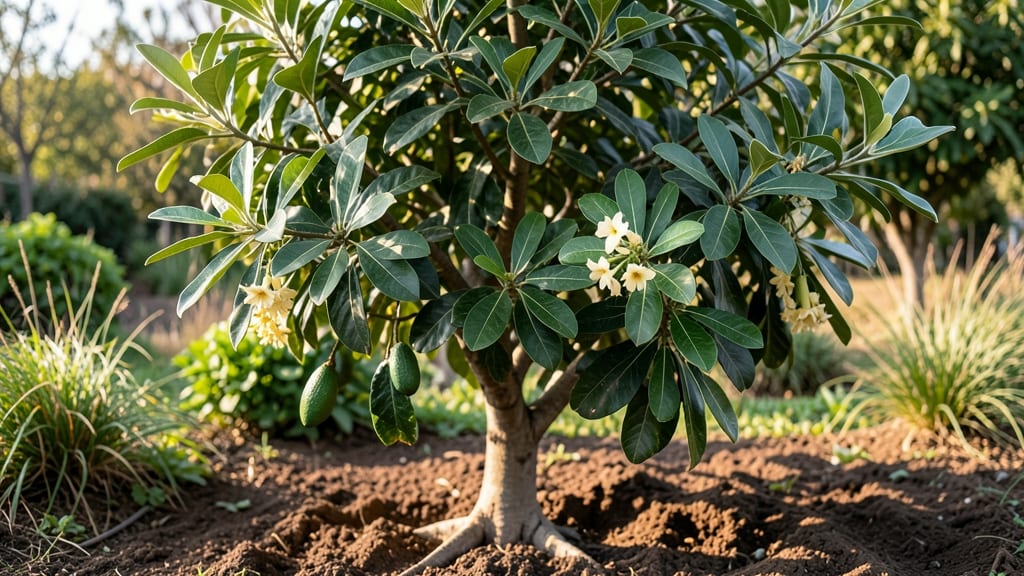
Peach avocado leaf tea provides soothing properties and potential health benefits, including anti-inflammatory effects and digestive support, with its mild, nutty flavor making it a refreshing herbal infusion. Brew fresh leaves with hot water for optimal results.
This herbal infusion, often called peach avocado leaf tea, has been used for centuries in traditional medicine for its calming effects and ability to support gut health. 🌿 The leaves contain bioactive compounds like flavonoids and tannins, which help reduce inflammation and may even aid in blood sugar regulation.
Unlike many herbal teas, it has a surprisingly mild, almost hazelnut-like taste that pairs well with a touch of honey or lemon for added depth.
For the best results, use 1-2 teaspoons of dried leaves per cup and steep in hot (not boiling) water for 5-7 minutes to preserve its delicate flavors and medicinal properties. I always recommend starting with a shorter steep time—you can always add more leaves if you prefer a stronger brew.
💡 In This Article
- Health Benefits of Peach Avocado Leaf Tea
- Step-by-Step Guide to Brewing Perfect Peach Avocado Leaf Tea
Health benefits of peach avocado leaf tea
The medicinal power of peach avocado leaf tea comes from its rich profile of bioactive compounds.
Studies show these leaves contain flavonoids (like quercetin) and tannins, which act as natural antioxidants that neutralize free radicals—unstable molecules linked to aging and chronic diseases. 🌿 The leaves also contain triterpenoids, compounds that have demonstrated significant anti-inflammatory effects in laboratory studies, potentially helping with conditions like arthritis or digestive discomfort.
What makes this tea particularly interesting is its traditional use in supporting digestive health. The tannins create a gentle astringent effect that can help soothe irritated mucous membranes in the digestive tract, while the volatile oils may stimulate bile production, aiding digestion.
Research published in the Journal of Ethnopharmacology found that similar avocado family leaves demonstrated antibacterial properties against common gut pathogens, though more studies are needed specifically for peach avocado leaves.
The mild, nutty flavor profile makes this tea uniquely accessible. Unlike bitter herbal remedies, peach avocado leaf tea has a hazelnut-like quality that many find pleasant even without sweeteners. This makes it ideal for daily consumption—something that's particularly valuable when you're looking for herbal remedies that don't taste medicinal.
The low caffeine content (negligible compared to coffee) also makes it perfect for evening sipping.
One particularly compelling benefit comes from its potential blood sugar regulation properties. Preliminary research suggests some avocado family leaves may help improve insulin sensitivity, though human trials are still needed.
For those monitoring blood sugar, starting with 1 cup daily and observing individual responses is wise—always consult a healthcare provider if you have diabetes or take medications.
The tea's versatility extends beyond basic health benefits. The calming effects make it an excellent choice for stress relief—many traditional preparations include it in nighttime blends to promote relaxation.
The mild diuretic properties from its potassium content can also support kidney health when consumed regularly as part of a balanced diet.
What's particularly fascinating is how the freshness of the leaves affects potency. Fresh leaves contain higher concentrations of volatile oils and antioxidants than dried ones, which is why many traditional preparations recommend using fresh leaves when possible.
However, properly dried leaves can retain up to 80% of their beneficial compounds if stored correctly in airtight containers away from light and moisture.