
Diseases
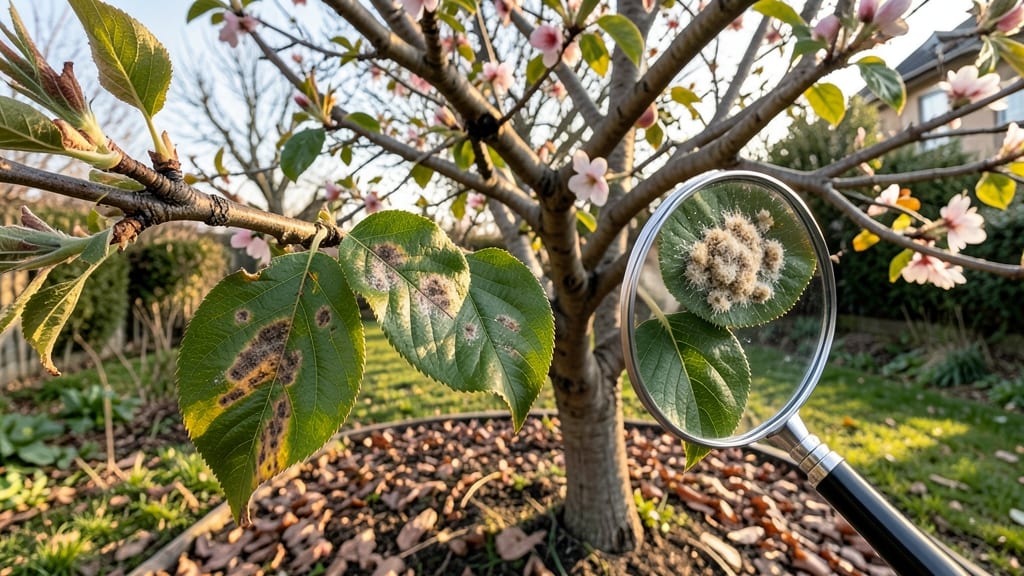
Your peach tree’s leaves are sending SOS signals—spotting brown spots, curling edges, or that suspicious yellowing before harvest. 🌿 These aren’t just cosmetic issues; peach leaf diseases like brown rot and leaf spot can slash fruit production if ignored.
The good news? Catching them early means saving your crop with simple, targeted fixes.
Most diseases start with overwatering, poor airflow, or last year’s infected leaves left on the ground. Brown rot thrives in wet springs, while leaf spot spreads when rain splashes spores onto fresh foliage.
I’ve seen healthy trees go from lush to struggling in weeks—until I learned to check the undersides of leaves and prune aggressively. The key is acting fast before symptoms spread to your fruit.
You’ll learn to identify each disease by its unique patterns—from the concentric rings of brown rot to the rust-colored pustules of peach leaf curl. Organic sprays with copper or neem oil work wonders when applied at the right time, but chemical fungicides can be a game-changer for severe cases.
Preventive pruning and proper spacing keep air circulating, so diseases struggle to take hold.
Even with the best care, some infections demand a pro’s touch. If your tree looks like it’s fighting a losing battle, knowing when to call an arborist could mean the difference between recovery and replacement. Let’s turn those worrisome spots into a manageable plan before they ruin your harvest.
Root Causes Of Leaf Troubles
Peach trees are stunning when healthy, but their leaves can quickly become a battleground for fungal infections, bacterial invaders, and environmental stressors. Understanding why these diseases strike is the first step to stopping them in their tracks.
Let’s break down the key culprits behind peach leaf diseases, so you can protect your orchard before symptoms even appear.
Fungi are the #1 cause of peach leaf diseases, thriving in warm, humid conditions. Here’s how they exploit your trees:
- Overhead Irrigation & Poor Airflow 💦 Fungal spores (like those causing cladosporium leaf spot or brown rot) splash onto leaves when water drips from above.
Without proper spacing between trees or branches, humidity lingers, creating a fungal paradise. Action: Use drip irrigation or soaker hoses to keep foliage dry, and prune branches to improve airflow.
- Wet Leaves At Night 🌙 Many fungal pathogens (e.g., scab and rust) require 12+ hours of leaf wetness to infect.
If your peach tree sits in a low-lying area where dew pools overnight, spores germinate and penetrate leaf tissue. Action: Plant trees on slopes or mounds to encourage drainage, and avoid late-day watering.
- Old Infected Debris 🗑️ Fungal spores survive in fallen leaves, mummified fruit, and pruned branches. When spring arrives, they reinfect new growth. Action: Rake up and compost or burn (not mulch!) old debris in fall. Apply a copper fungicide in early spring as a preventative.
- Weakened Tree Defense 🛡️ Stressed trees (from drought, poor soil, or nutrient deficiencies) can’t fight off fungal attacks. Action: Test soil pH (ideal: 6.0–6.5) and fertilize with balanced NPK (e.g., 10-10-10) in early spring. Avoid over-fertilizing with nitrogen, which promotes lush growth but weakens disease resistance.
Bacterial diseases like bacterial leaf spot and crown gall spread through wounds, tools, or even rain splatter. Here’s how they gain a foothold:
- Contaminated Pruning Tools ⚔️ Bacteria hitchhike on dull or dirty shears, entering the tree through fresh cuts. Action: Sterilize tools with 70% isopropyl alcohol or a 10% bleach solution between cuts. Prune during dry weather to minimize bacterial spread.
- Hail or Insect Damage ⚡🐜 Open wounds from hail, aphids, or mites create entry points for bacteria. Action: Apply wound sealant (like pruning paint) to large wounds and monitor for pests. Use neem oil or horticultural oil to deter insects.
- Overhead Watering 💦 Like fungi, bacteria thrive in wet conditions. Action: Water at the base of the tree (not the leaves) and avoid late-season irrigation to reduce bacterial splash.
Not all leaf diseases come from pathogens—sometimes, the environment itself weakens your peach tree:
- Extreme Heat or Cold ❄️🔥 Sudden temperature swings (e.g., late frosts or heatwaves) shock the tree, making it vulnerable to secondary infections. Action: Use row covers in spring for frost protection and mulch with straw or wood chips to regulate soil temperature.
- Poor Drainage 💦 Waterlogged roots starve the tree of oxygen, weakening its immune system. Action: Plant peach trees on sloped or raised beds and amend heavy clay soil with compost or sand.
- Nutrient Imbalances 🍽️ Too much nitrogen = soft, susceptible leaves. Too little potassium or calcium = poor cell structure. Action: Conduct a soil test and adjust with potassium sulfate or lime as needed.
Some insects don’t just damage leaves—they carry diseases or create conditions that invite pathogens:
- Aphids & Scale Insects 🐛: Excrete honeydew, a sugary film that fosters sooty mold (a black fungal growth).
- Japanese Beetles 🐞: Chew leaves, creating wounds for bacterial entry.
Action: Use beneficial insects (ladybugs, lacewings) or organic sprays (like kaolin clay) to deter pests early.
Pro Tip: 💡 The best defense is prevention—healthy trees resist diseases better! Combine proper spacing, sanitation, and targeted treatments (like copper fungicide in spring) to keep your peach leaves disease-free.
Practical fixes for peach leaf troubles
When peach tree leaves start showing signs of distress—whether it’s spots, wilting, or discoloration—acting fast is key to saving your harvest. Below, we break down targeted solutions for the most common peach leaf diseases, including leaf spot, brown rot, powdery mildew, and bacterial infections.
Each fix is designed to be easy to follow, with prevention tips to keep your trees thriving.
If your peach leaves are developing dark, circular spots with yellow halos, fungal leaf spots are likely the culprit. These spread quickly in humid, rainy conditions, so quick action is critical.
🍳 Step-by-Step Treatment
- Prune infected leaves 🌿 – Remove and dispose of (don’t compost) severely spotted leaves to prevent spores from spreading. Use clean, sharp pruners.
- Apply fungicide 🛡️ – Spray a copper-based fungicide (like Copper Sulfate) or a neem oil solution (1 tbsp neem oil + 1 quart water + a drop of dish soap) on both sides of leaves. Reapply every 7–10 days or after heavy rain.
- Improve airflow 🌬️ – Thin out dense branches to reduce humidity near the foliage. Space trees 12–15 feet apart if replanting.
💡 Prevention Tips
- Water early in the morning to allow leaves to dry quickly. Avoid overhead sprinkling.
- Mulch around the base of the tree with wood chips to keep soil moist (but not soggy).
- Plant resistant varieties like Redhaven or Elberta if fungal issues are recurrent.
Brown rot causes brown, mushy spots on leaves, twigs, and fruit, often with a tan, fuzzy mold. It thrives in wet springs and can destroy entire crops if untreated.
👨🍳 Emergency Treatment Plan
- Remove infected fruit and leaves 🍑❌ – Pick up all fallen or rotting fruit from the ground and destroy it (burn or bury deeply).
- Spray with fungicide 💦 – Use a fixed copper fungicide (like Copper Hydroxide) or a biorational option such as Serenade ASO (bacillus subtilis). Apply at petal fall and again 4–6 weeks later.
- Dormant season cleanup 🌳 – In late winter, prune out mummified fruit (dried, shriveled peaches) from the tree.
🔥 Prevention for Next Season
- Plant resistant varieties like Contender or Halehaven.
- Avoid overhead irrigation—use drip systems instead.
- Apply a post-harvest fungicide to protect against overwintering spores.
Powdery mildew appears as white, powdery patches on leaves, weakening the tree and reducing fruit quality. It loves warm, dry conditions.
🥘 Quick Remedies
- Blast with water 💦 – On dry, sunny days, hose down leaves to remove spores. Do this early in the morning so leaves dry fast.
- Use sulfur or potassium bicarbonate 🧪 – Mix 1 tbsp baking soda + 1 tsp horticultural oil + 1 gallon water and spray weekly. For severe cases, apply sulfur-based fungicide (follow label rates).
- Encourage natural predators 🐞 – Ladybugs and lacewings feed on mildew spores. Plant marigolds or nasturtiums nearby to attract them.
✨ Long-Term Prevention
- Space trees 6–8 feet apart for better airflow.
- Avoid nitrogen-heavy fertilizers—they promote lush growth that mildew loves. Use a balanced 10-10-10 instead.
- Prune for sunlight exposure—mildew thrives in shady, damp areas.
Bacterial infections cause water-soaked, yellow-brown spots with dark margins. Unlike fungi, bacteria can’t be cured—only managed.
🚨 Containment Strategy
- Remove and destroy infected leaves 🗑️ – Bag and trash all affected foliage to prevent spread.
- Apply copper bactericide 🛡️ – Use Copper Sulfate or Kocide every 10–14 days during wet periods.
- Sterilize pruners 🔪 – Wipe tools with rubbing alcohol between cuts to avoid cross-contamination.
🎯 Prevention for Future Seasons
- Plant in well-draining soil—bacteria spread faster in waterlogged conditions.
- Avoid overhead watering; use drip irrigation instead.
- Consider resistant rootstocks like Lovell or Halford.
Healthy trees fight off diseases better. Follow these year-round tips to bolster your peach tree’s defenses:
Season
Task
Why It Helps
Spring
Apply dormant oil spray to kill overwintering pests.
Reduces early-season fungal/bacterial pressure.
Summer
Fertilize with low-nitrogen, high-potassium (e.g., 5-10-10).
Strengthens cell walls against pathogens.
Fall
Rake and compost healthy leaves (not diseased ones).
Recycles nutrients without spreading spores.
Winter
Prune dead/diseased wood in dormant season.
Prevents fungal entry points for next year.
Frequently asked questions
What’s the difference between brown spots and fungal leaf spots on peach leaves?
Brown rot creates large, brown, mushy spots with a fuzzy tan mold, often spreading to fruit. Fungal leaf spots appear as small, dark circles with yellow halos and rarely infect fruit. Brown rot thrives in wet springs while leaf spots spread in humid summers. The key difference? Brown rot attacks both leaves and fruit.
Can I still harvest fruit from a tree with diseased leaves?
It depends on the disease. For brown rot, remove all infected fruit immediately—it spreads quickly. With leaf spot or powdery mildew, healthy fruit can still be harvested, but wash thoroughly before eating. Always check for mold or rot on the fruit itself before consuming.
How often should I spray fungicide on my peach tree?
For prevention, apply copper fungicide every 2–4 weeks during spring/summer. If treating an active infection, spray every 7–10 days until symptoms disappear. Always follow label instructions—overuse can harm beneficial insects. Start sprays at bud break for best protection.
Will pruning help prevent peach leaf diseases?
Prune to remove infected leaves, improve airflow, and open the canopy to sunlight. Focus on thinning dense branches and removing dead wood in late winter. Sterilize tools between cuts to prevent bacterial spread. Proper pruning reduces humidity where fungi thrive.
When should I call an arborist for peach leaf diseases?
Contact a professional if 50%+ of leaves are infected, the tree shows bacterial ooze, or you’ve tried treatments with no improvement. Severe cases may need systemic fungicides or tree removal. Early intervention is key—don’t wait until the tree looks beyond saving.