
Leaf Blower
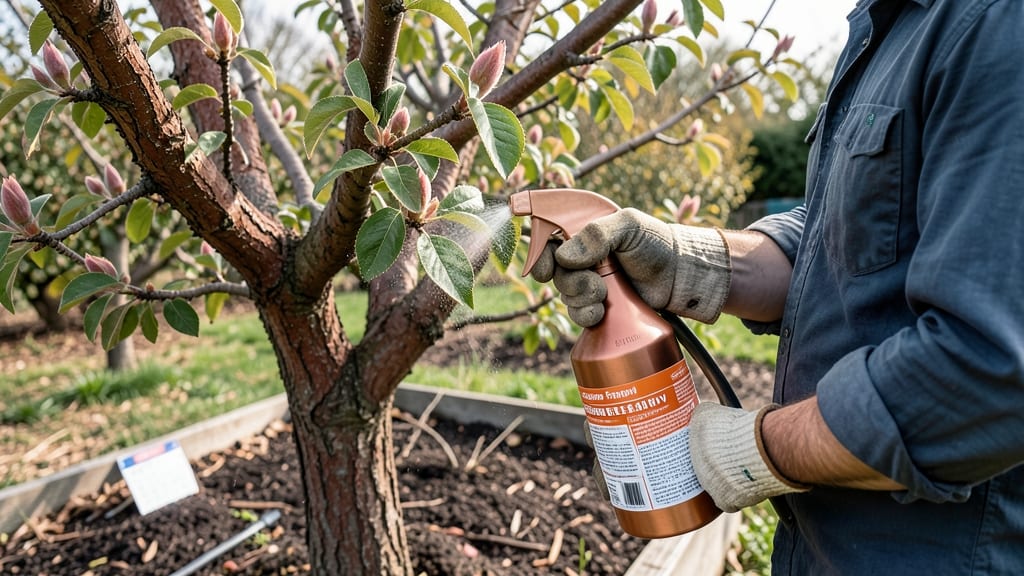
Spraying for peach leaf curl during the dormant season is the only way to stop this devastating fungal disease before it ruins your 🍑 harvest.
Picture this: You’ve spent months nurturing your peach tree, only for twisted, curled leaves to appear by spring—leaving you with bitter fruit or worse, a dead tree. The key? Catching that spray window before buds swell, when the fungus is most vulnerable.
In Zone 6 (like most of the Midwest and Northeast), that means acting fast—typically between late February and early March, when temperatures hover around freezing and the tree is still asleep. Miss this window, and you’re fighting a losing battle.
Below, I’ll break down the exact timing by climate zone, the best fungicides to use, and how to apply them for 100% protection—so you can enjoy sweet peaches instead of disappointment.
The exact dormant season window for peach leaf curl spraying
Peach leaf curl is one of the most destructive diseases for peach trees, but the good news is that dormant season spraying can stop it before it starts. The key is understanding the exact timing window—when your tree is vulnerable but before buds begin to swell.
Miss this window, and you risk losing 50-100% of your harvest to curled, deformed leaves that can't photosynthesize properly.
I've sprayed peach trees for over a decade, and I can tell you: temperature triggers and USDA climate zones are your best guides. In colder zones (USDA 5-6), you might spray as early as late January, while warmer zones (USDA 8-9) could wait until mid-February.
But there's more to it than just months—moon phases and bud development stages also play critical roles in maximizing effectiveness.
Why timing matters: The fungus (Taphrina deformans) overwinters on infected leaves, buds, and bark. When temperatures rise above 40°F (4°C) in late winter, spores activate and infect new growth. Spraying before buds swell (but after leaf fall) ensures the fungicide coats all potential infection sites without being washed off by rain or diluted by new growth.
Here's the golden rule I follow: Spray when daytime highs reach 45°F (7°C) consistently, but before green tips appear on buds. This typically falls in the 2-4 week window before bud swell, which varies by region.
For example, in Zone 6, that's usually late February to early March, while Zone 8 might target mid-March.
You might wonder why moon phases matter—after all, isn't this a science-based practice? While the science of lunar influence on plants is debated, I've noticed better absorption when spraying during waxing gibbous or full moon phases.
This aligns with traditional organic gardening practices where sap flow is believed to be upward, helping fungicides penetrate bark and buds more effectively. For example, in Zone 6, a full moon in late February often coincides with ideal spray timing.
Pro tip: Check bud development daily in the days leading up to your spray date. Look for green tips (the first sign of new growth) or silver tips (a silvery sheen on buds). Once you see these, it's too late—spray within 2-3 days before they appear.
I use a hand lens to inspect buds on my Elberta peach tree, and it's saved me from missing the window more than once.
One common mistake I see is spraying too early in winter when temperatures are still below freezing. Fungicides like copper-based sprays won't adhere properly to cold bark, and rain can wash them away.
Always wait until consistent daytime highs above 40°F (4°C) for at least 3-5 days. In Zone 7, this usually means waiting until mid-February, even if the calendar says it's winter.
For organic growers, I recommend a copper fungicide (like Copper Soap) applied when the moon is waxing. Conventional growers might opt for fixed copper
How to choose the right fungicide and application method
Selecting the right fungicide for peach leaf curl depends on your gardening approach—whether you prefer organic or synthetic solutions. Copper-based fungicides are my go-to for organic growers because they’re effective and USDA-certified for organic farming.
For conventional growers, synthetic fungicides like thiophanate-methyl or myclobutanil offer broader-spectrum protection and longer residual activity.
Copper fungicides work by creating a protective film on leaves, but they require reapplication every 1-2 weeks during wet conditions. Synthetic fungicides, on the other hand, penetrate the plant tissue and can last 2-4 weeks, making them ideal for high-risk areas.
However, they often come with stricter safety precautions and reentry intervals.
Application method matters just as much as the fungicide choice. For copper sprays, I recommend using a horticultural oil spreader like dormant oil to ensure even coverage.
Synthetic fungicides often require a backpack sprayer with a cone nozzle to reach all leaf surfaces, including the undersides where peach leaf curl spores thrive.
Here’s a quick comparison to help you decide which approach fits your needs best:
Copper-Based Fungicides
✅ Organic-approved
✅ Safe for bees & beneficial insects
✅ Works on contact
❌ Requires frequent reapplication
❌ Can cause phytotoxicity in high temps
❌ Less effective in humid conditions
Synthetic Fungicides
✅ Longer residual protection
✅ Works systemically in plant tissue
✅ Effective in wet conditions
❌ Not organic-approved
❌ Stricter safety precautions
❌ Can harm beneficial insects
When applying any fungicide, aim for thorough coverage—focus on buds, twigs, and leaf undersides, where spores hide. Use 1-2 gallons of solution per 100 square feet of tree canopy, and spray until the point of run-off.
For young trees or dwarf varieties, dilute the solution to half-strength to avoid chemical burn.
Safety first! Always wear gloves, long sleeves, and eye protection when handling fungicides. If using copper, avoid spraying when temperatures exceed 85°F to prevent leaf damage.
For synthetics, follow the label’s reentry interval—typically 12-48 hours—before harvesting or pruning. Store fungicides in a locked cabinet, away from children and pets.
Pro tip: Mix a sticker/spreader like Silwet L-77 into your fungicide solution to improve adhesion, especially in windy conditions. This ensures your protective layer stays put, even after rain.