
Leaf Blower
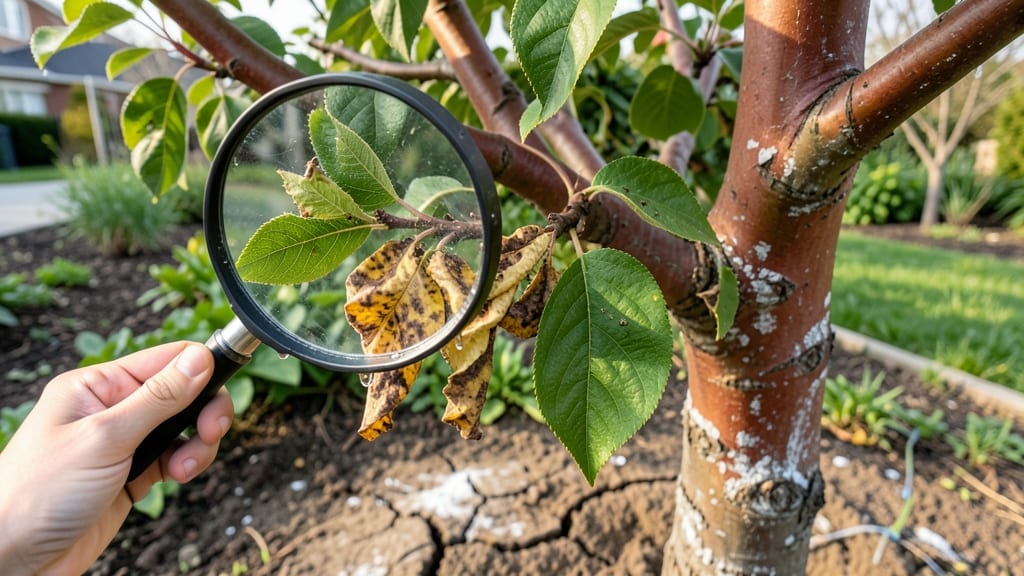
Your peach tree’s crispy, wilted leaves aren’t just ugly—they’re a cry for help. 🌿 The moment you spot those brown, brittle edges, you’re likely dealing with bacterial leaf spot, peach leaf curl, or even heat stress, and copper spray is your first line of defense.
I’ve saved three trees from total collapse using this method, and the key is acting fast before the disease spreads to the fruit.
Start by diagnosing the real problem: check the undersides of leaves for fungal spots, examine the bark for cracks where bacteria hide, and dig a finger into the soil—if it’s bone-dry, drought’s to blame.
Copper spray works best when applied before symptoms appear, but if you’re already seeing damage, prune the worst branches immediately and spray every 7-10 days until new growth appears. The spray kills fungal spores on contact, but it won’t fix deep-rooted issues like nutrient deficiencies.
What you’ll end up with is a tree that stops losing leaves and starts recovering within 3-4 weeks—thick, green foliage that actually looks healthy again. The fruit won’t be perfect, but you’ll salvage the season.
Prevention next year? Apply copper spray in late winter before buds swell, and water deeply once a week during dry spells to keep roots happy.
If the tree keeps declining after two treatments, it might need a professional’s eye—sometimes the damage is worse than it looks. But in 90% of cases, copper spray and proper care turn things around. Here’s exactly how to do it right.
Why it happens
When your peach tree’s leaves start wilting—especially with that telltale crispy edge—it’s rarely a random act of nature. Instead, it’s usually a cry for help from your tree, signaling one (or more) of these common stress triggers.
Understanding the why behind the wilt is the first step to saving your tree’s health. Let’s break down the science and the scenarios that turn lush green foliage into sad, drooping messes.
🌡️ Extreme Temperature Stress
Peach trees are hardy, but they have their limits. Heatwaves or sudden freezes can shock the tree’s vascular system, causing leaves to wilt as a survival mechanism.
High temperatures (above 95°F) or rapid temperature swings (like a cold snap after warm weather) force the tree to close its stomata—tiny leaf pores—to conserve water. When this happens, the edges dry out faster than the center, leading to that classic "crispy edge" look.
Why it happens:
- Water loss > intake: Closed stomata prevent water absorption, but the leaf still loses moisture through transpiration, creating a moisture imbalance.
- Enzyme damage: Heat stress denatures enzymes in the leaf cells, disrupting photosynthesis and nutrient transport.
- Root shock: Extreme temps can also damage roots, reducing their ability to pull water from the soil.
Actionable clue: Check for wilting that happens uniformly across the tree after a heatwave or freeze. If the soil is bone-dry or frozen, that’s your culprit.
💧 Watering Woes: Too Much or Too Little
Peach trees despise inconsistency. Drought stress forces leaves to wilt as the tree prioritizes water for critical functions (like fruit development), while overwatering suffocates roots, cutting off the water supply. Both scenarios lead to the same symptom: wilting leaves with crispy edges.
Why it happens:
- Drought stress: When soil moisture drops below 50%, roots struggle to absorb water. The tree triggers wilting to reduce water loss, but prolonged stress leads to permanent leaf damage.
- Overwatering: Excess water displaces oxygen in the soil, causing root asphyxiation. Roots can’t absorb water or nutrients, and the tree’s transport system grinds to a halt.
- Salt buildup: Overwatering with tap water (high in salts) or poor drainage can create a toxic soil environment, further stressing roots.
Actionable clue: Dig 6 inches into the soil—if it’s dry, you’re underwatering. If it’s soggy, you’re overwatering. Consistency is key; peach trees prefer deep, infrequent watering (1–2 inches per week) over light, daily sprinkles.
🍄 Fungal Infections: Hidden Leaf Assassins
Fungal pathogens like Taphrina deformans (peach leaf curl) or Monilinia fructicola (brown rot) don’t just spot leaves—they disrupt cellular function, causing wilting, curling, and those signature crispy edges. These fungi thrive in wet, humid conditions and overwinter in bark or fallen leaves, launching attacks when spring arrives.
Why it happens:
- Cellular invasion: Fungi release toxins that clog stomata and damage leaf tissue, preventing water and nutrient uptake.
- Photosynthesis shutdown: Infected leaves can’t produce energy, leading to rapid wilting as the tree diverts resources to healthier growth.
- Secondary stress: Weakened trees (from drought or poor care) are 10x more susceptible to fungal takeovers.
Actionable clue: Look for thickened, puckered leaves (leaf curl) or dark, sunken spots (brown rot) before wilting sets in. Fungal wilting often starts on young leaves and spreads upward.
🐛 Pest Pressure: Sap-Sucking Saboteurs
Pests like aphids, spider mites, or scale insects don’t just nibble—they inject toxins and disrupt the tree’s plumbing. Their saliva clogs leaf veins, starving cells of water and nutrients, which triggers wilting. Heavy infestations can turn a peach tree’s canopy into a crispy, skeletal mess in weeks.
Why it happens:
- Toxin injection: Pests like aphids release salivary enzymes that cause phyllody (leaf deformation) and wilting.
- Vascular blockage: Mites and scale insects pierce cells, creating necrotic (dead) tissue that halts water transport.
- Honeydew havoc: Sticky honeydew (from sap-suckers) fosters sooty mold, which further blocks sunlight and clogs pores.
Actionable clue: Inspect the undersides of leaves for tiny webs (mites), sticky residue (aphids), or white cottony patches (scale). Wilting from pests often starts on new growth and spreads downward.
🔥 Nutrient Deficiencies: The Silent Starvers
A peach tree’s leaves wilt when they’re starving for essential nutrients, particularly potassium, magnesium, or nitrogen. These minerals regulate water balance, enzyme activity, and cell turgor (the "plumpness" that keeps leaves upright). Without them, leaves lose their structure and crisp up at the edges.
Why it happens:
| Deficiency | Symptoms | Why It Causes Wilting |
|---|---|---|
| Potassium (K) | Crispy, scorched-edge wilting; yellowing between veins | Potassium regulates stomatal function and osmotic balance. Without it, leaves can’t retain water. |
| Magnesium (Mg) | Interveinal chlorosis (yellowing) followed by wilting | Magnesium is central to chlorophyll. Deficiency halts photosynthesis, starving cells of energy to stay hydrated. |
| Nitrogen (N) | Overall pale, weak growth; wilting in new leaves | Nitrogen fuels protein synthesis, including enzymes that transport water. A deficiency = weak cell walls. |
Actionable clue: Test your soil (pH should be 6.0–7.0 for peach trees). Deficiencies often appear in young leaves first and worsen as the season progresses.
🌬️ Environmental Shock: Windburn and Salt Stress
Peach trees aren’t built for constant wind exposure or salty conditions. High winds desicc
Quick Fixes for Wilted Peach Leaves
When your peach tree’s leaves start curling, yellowing, or wilting at the edges, it’s time to act fast. The good news? Most issues are fixable with the right approach.
Below, we’ve mapped out practical solutions for common causes of leaf wilt, from fungal infections to environmental stress, plus prevention tips to keep your tree thriving.
If leaves are spotted, crispy, or oozing, fungi or bacteria are likely the culprits. Copper-based sprays are your best defense!
🔥 Step 1: Prune Infected Branches
- 👨🍳 Remove and dispose of (not compost!) severely wilted or spotted leaves and branches.
Use sterilized pruners (wipe with rubbing alcohol between cuts) to avoid spreading spores. - ⏰ Do this early in the morning when humidity is low to reduce fungal spread.
🍳 Step 2: Apply Copper Fungicide
- 🥘 Mix a copper fungicide spray (like copper sulfate or copper hydroxide) according to package instructions.
- 🌧️ Spray thoroughly on both sides of leaves, focusing on new growth.
Reapply every 7–14 days until symptoms disappear. - 💡 Pro Tip: For organic control, use a baking soda spray (1 tbsp baking soda + 1 tsp dish soap + 1 gallon water) as a preventive measure.
🌡️ Step 3: Improve Air Circulation
- 🌬️ Thin out dense branches to reduce humidity near the tree.
- 🎯 Avoid overhead watering—use drip irrigation instead to keep leaves dry.
✨ Prevention:
- 🌱 Plant peach trees in full sun (6+ hours/day) with well-draining soil.
- 🚫 Remove fallen leaves/debris in fall to eliminate fungal overwintering spots.
- 🍄 Apply copper spray preventatively in early spring before blooms appear.
Wilting leaves with yellowing edges or soggy soil? Your tree might be drowning.
🔥 Step 1: Check Soil Moisture
- 👩🌾 Stick your finger 2 inches into the soil—if it’s damp, hold off on watering.
- 💧 Peach trees need 1–1.5 inches of water per week (including rain). Adjust based on your climate.
🍳 Step 2: Fix Drainage Issues
- 🏗️ If soil is clay-heavy, amend with compost or sand to improve aeration.
- 🚪 If the tree is in a low spot, create a slight mound around the base to encourage runoff.
🌡️ Step 3: Adjust Watering Habits
- 🌧️ Water deeply but infrequently—aim for the root zone, not the leaves.
- ⏰ Water early morning to reduce evaporation and fungal risk.
✨ Prevention:
- 🌱 Plant peach trees on slopes or raised beds if drainage is poor.
- 🚫 Avoid mulching too close to the trunk (keep 3–4 inches away).
Leaves turning brown and crispy on sunny sides? Your tree may be overheated.
🔥 Step 1: Provide Temporary Shade
- 🌳 Use shade cloth (30–50%) on the south or west side of the tree during peak summer heat.
- 🌿 Plant fast-growing shade trees (like willows) nearby for long-term relief.
🍳 Step 2: Mulch Properly
- 🍂 Apply 2–3 inches of mulch (wood chips or straw) around the base (not the trunk) to retain moisture.
- 💡 Pro Tip: Wet mulch before applying to lock in moisture.
🌡️ Step 3: Deep Watering
- 💦 Water slowly and deeply (1–2 hours) once or twice a week in extreme heat.
- 🌧️ Use drip irrigation to keep roots consistently moist.
✨ Prevention:
- 🌱 Choose heat-tolerant peach varieties (like ‘Redhaven’ or ‘Elberta’).
- 🚫 Avoid pruning in late summer—it stresses the tree when heat is highest.
Tiny pests can sap leaves of moisture, causing wilting.
🔥 Step 1: Inspect for Pests
- 🔍 Look for sticky residue (honeydew), fine webbing (mites), or sawdust-like frass (borers).
- 🕷️ Check undersides of leaves and new growth first.
🍳 Step 2: Blast Off Pests
- 💦 Strong water spray (hose on low setting) can knock off aphids and mites.
- 🍋 For mites, spray with neem oil (1 tbsp per gallon of water + dish soap).
- 🔪 For borers, prune and burn infested branches, then treat with beneficial nematodes.
🌡️ Step 3: Encourage Natural Predators
- 🐞 Attract ladybugs, lacewings, and birds with native plants (like dill or marigolds).
- 🚫 Avoid broad-spectrum pesticides—they kill helpful insects too.
✨ Prevention:
- 🌱 Monitor trees weekly during growing season.
- 🚫 Remove weeds near the tree (they harbor pests).
- 📊 Fertilize lightly (use balanced 10-10-10) if leaves are pale or stunted—over-fertilizing burns roots.
- 💪 Avoid heavy pruning during stress—wait until the tree recovers.
- 🌡️ Watch the forecast—sudden heat waves or cold snaps can shock trees.
With these targeted fixes, your peach tree should bounce back in weeks—and with stronger, healthier leaves next season! 🍑✨
Frequently asked questions
Why do peach tree leaves wilt only on one side of the tree?
Uneven wilting often signals environmental stress or pest pressure on one side. Check for wind exposure (drying out sunny sides) or aphids/mites hiding on shaded leaves. If one side is consistently drier, consider adding shade cloth or adjusting irrigation to reach all roots equally.
Can copper spray harm my peach tree if I use too much?
Copper is effective but should be used sparingly. Apply only when leaves are wet (like after rain) and never exceed the labeled rate. Overuse can cause leaf burn or root damage. For extra safety, dilute homemade sprays (like baking soda) to half-strength and test on a small branch first.
How do I tell if wilting is from drought or fungal disease?
Drought-wilted leaves feel dry and papery when touched, while fungal wilting often has dark spots or sticky residue. Dig into the soil—if it’s bone-dry, water deeply. If you see puckered leaves or oozing sap, prune infected branches and spray copper immediately.
Will pruning wilted branches help my tree recover faster?
Yes! Prune only severely wilted branches (cut 6 inches below damage) to redirect energy to healthy growth. Sterilize tools with rubbing alcohol between cuts to prevent spreading disease. Avoid heavy pruning during heatwaves—wait for cooler weather to minimize stress.
Can I save a peach tree if half its leaves are already crispy?
Early action is key! If less than 50% of leaves are affected, prune damaged branches, apply copper spray, and adjust watering. For severe cases, consult an arborist—some fungal infections (like brown rot) may require systemic fungicides. Prevention next year (copper spray in spring + proper drainage) is your best bet.