
Planting
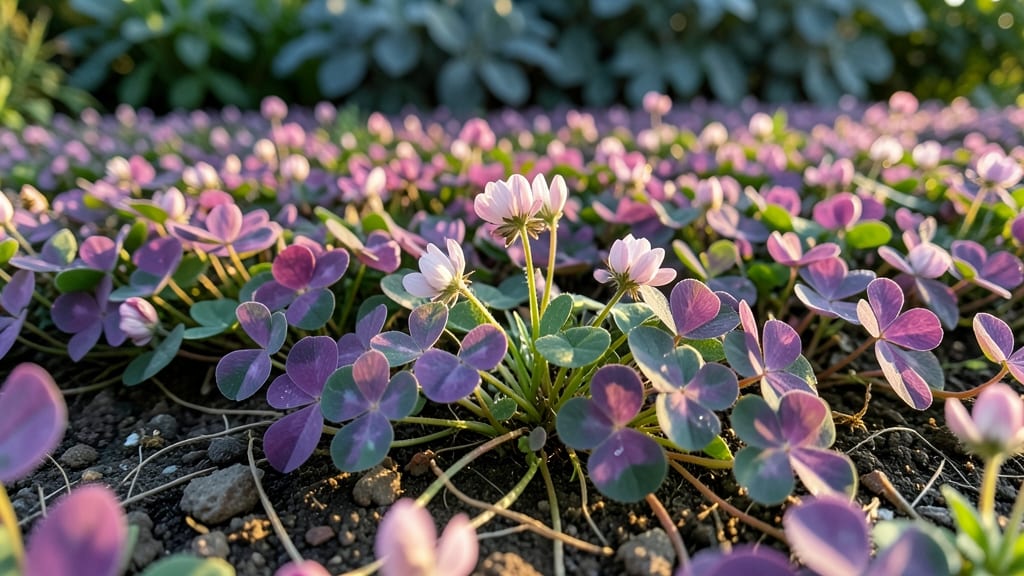
Transform your garden into a vibrant purple paradise with these 10 edible plants that boast stunning foliage while delivering delicious harvests. Perfect for both ornamental beauty and culinary use, these low-maintenance varieties thrive in most climates and add year-round color to your plates and landscapes.
Purple Basil for Gourmet Cooking
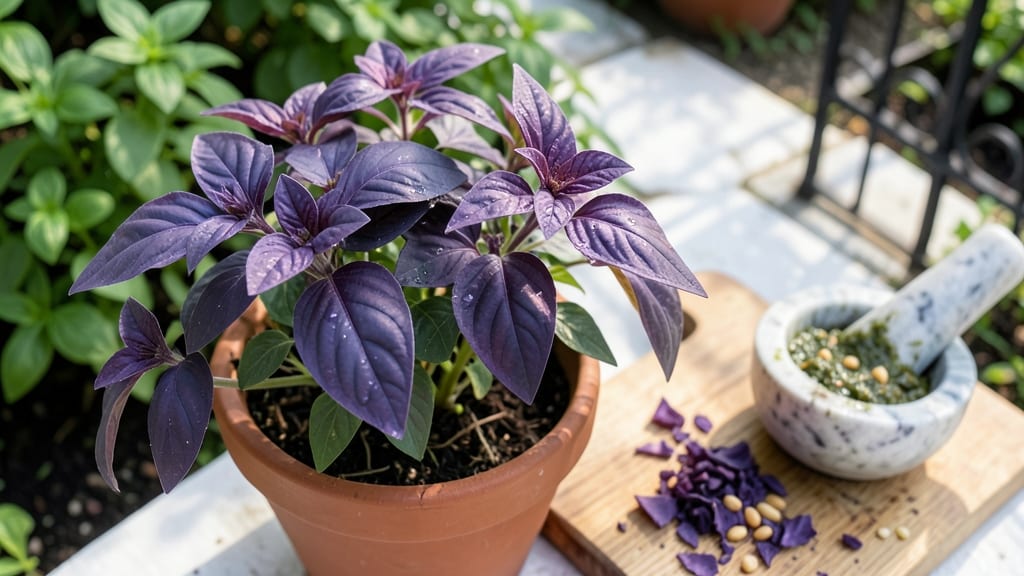
Transform your kitchen garden with purple basil, an eye-catching herb that packs a flavor punch. Unlike its green cousin, this deep purple-leaved variety intensifies the anise and clove notes in pesto, salads, and pasta dishes—making it a gourmet gardener's secret weapon.
Grow it in containers on windowsills or patios with just 3-6 hours of sun daily. Pinch back flowers to encourage leaf production, and harvest regularly to keep plants bushy. Its compact size (12-18 inches tall) makes it perfect for urban spaces, while its striking foliage adds visual drama to any herb collection.
This dual-purpose plant thrives in well-draining soil and loves consistent moisture—ideal for balcony gardeners or those with limited space. 🌱
Red Malabar Spinach for Tropical Gardens
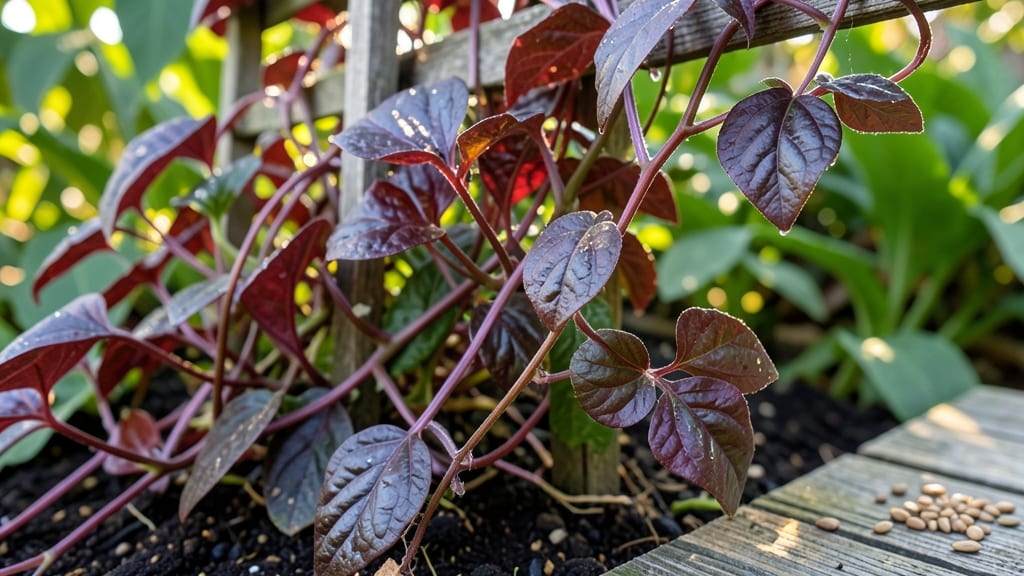
If you love the idea of growing spinach but live in a hot, humid climate, Red Malabar Spinach is your perfect match. Unlike traditional spinach, this tropical vine thrives in temperatures up to 95°F and produces purple-red, glossy leaves that taste just like spinach when cooked.
Plant seeds or cuttings in well-draining soil with morning sun and afternoon shade to prevent leaf scorch. Train the vines vertically on trellises or let them spill over hanging baskets—this space-saving approach makes it ideal for balconies or small gardens. Harvest leaves as needed, and watch them regrow quickly for a continuous supply.
Urban gardeners and tropical zone residents will especially appreciate this low-maintenance, heat-loving alternative to traditional spinach. 💚
Purple Okra for Southern Gardens
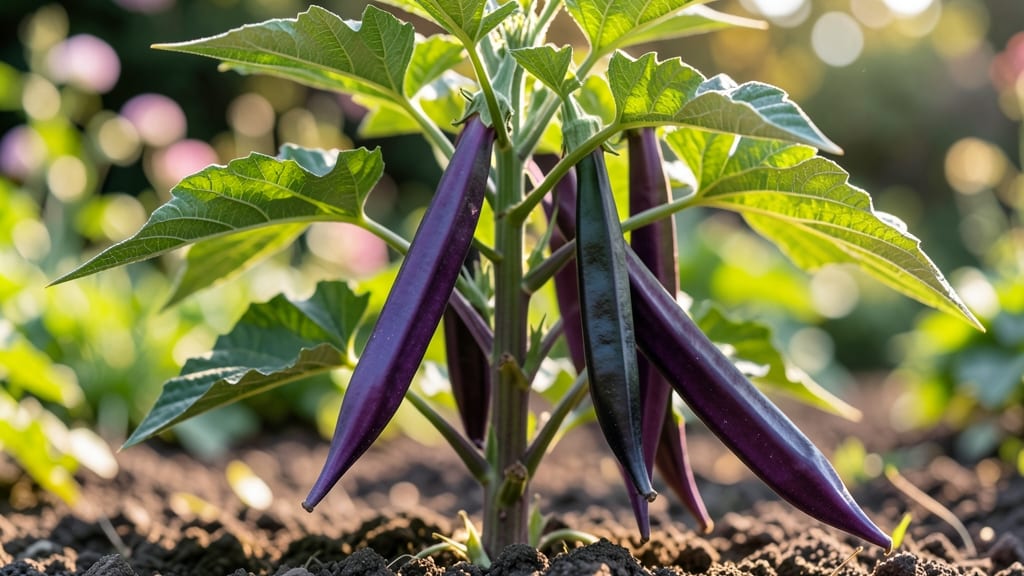
Looking for a warm-season edible plant that turns heads in your garden and on your plate? Purple okra is the heirloom variety that delivers with its deep violet pods and tender green leaves—ideal for small spaces where traditional okra might sprawl.
This drought-tolerant annual thrives in full sun (6+ hours daily) and produces pods in just 50-60 days from seed. The key to success? Start seeds indoors 4-6 weeks before last frost, then transplant seedlings 12-18 inches apart in well-draining soil. Harvest pods when 3-4 inches long to keep them tender and packed with flavor—perfect for stir-fries, gumbo, or pickling. 🌻
Small-space gardeners and Southern growers will love this variety, as it matures quickly and resists common okra pests like aphids. Plus, the vibrant purple pods make it a standout in any edible landscape. 🌱
Black Krim Tomatoes with Purple Stems
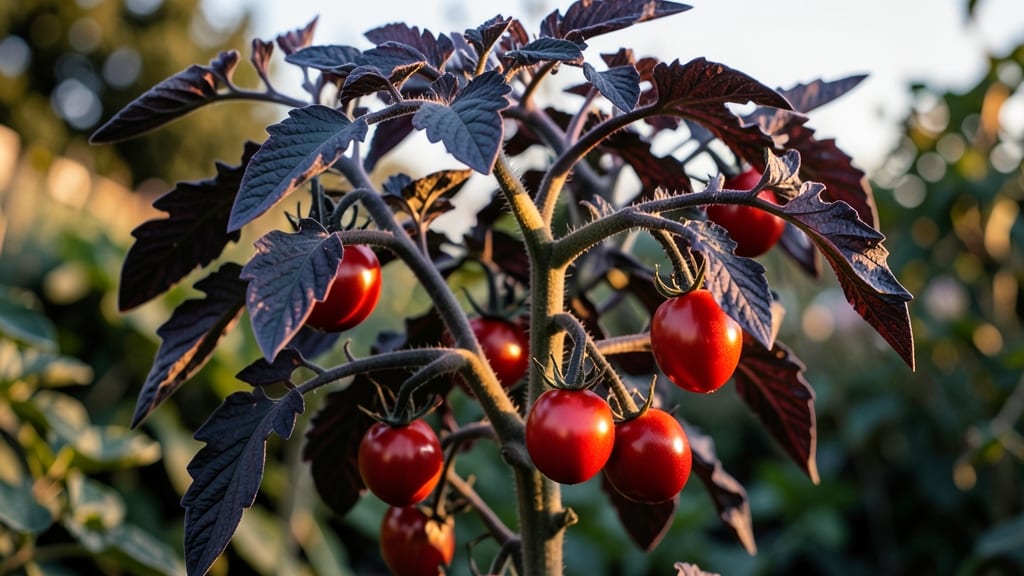
Want a tomato plant that doubles as a dramatic centerpiece while delivering heirloom-quality fruit? The Black Krim tomato features purple-black foliage that creates a striking contrast against its glossy, deep red fruits—no other tomato offers this visual impact while being equally productive.
This determinate variety thrives in full sun (6-8 hours daily) and tolerates cooler temperatures than most tomatoes, making it perfect for organic gardeners. The meaty, sweet-tart fruits (8-12 oz each) are ideal for slicing, sauces, or fresh eating, while the dark stems add a gothic charm to your garden beds. Plant in well-draining soil with compost, and stake or cage vines to support their 4-5 foot spread.
Organic gardeners will love that Black Krim resists common tomato diseases like blight, and its unique foliage deters pests naturally. It’s the ultimate dual-purpose plant—beautiful enough for cuttings and productive enough for your kitchen. 💚
Swiss Chard Ruby Red for Salad Bowls
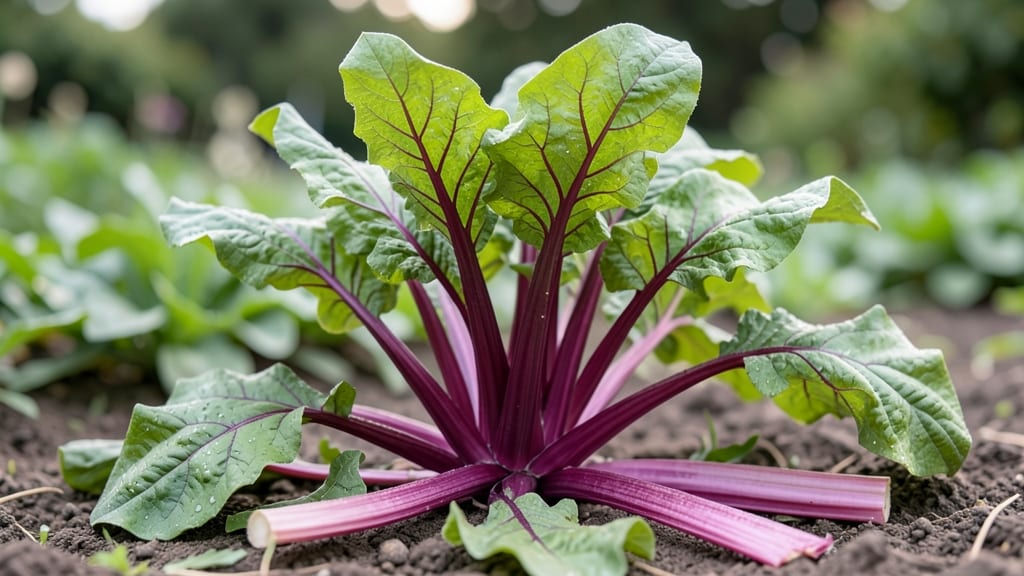
Looking for a purple leaf edible plant that doubles as a stunning centerpiece in your kitchen and garden? Swiss Chard Ruby Red delivers with its vibrant rainbow stems—ranging from deep purple to pink—paired with tender green leaves perfect for salads, sautéing, or steaming.
This cut-and-come-again variety thrives in full sun to partial shade and tolerates poor soil better than most greens. Space plants 12 inches apart to prevent overcrowding, and harvest outer leaves first to encourage continuous growth. The sweet, mild flavor intensifies after light frost, making it a fall favorite.
Urban gardeners and small-space growers will love this low-maintenance plant—it’s drought-tolerant once established and adds year-round color to containers or garden beds. 💚
Purple Peppers for Spicy Accents
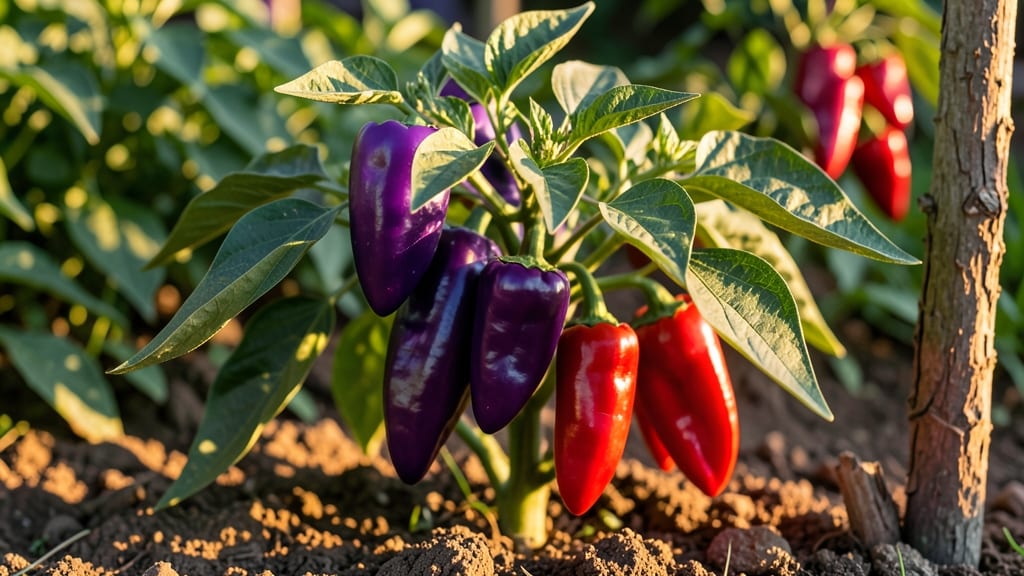
Want to turn your garden into a spice rack with a splash of color? Purple peppers start as deep purple beauties that transform into fiery reds—adding both visual drama and heat to your kitchen creations.
These peppers thrive in full sun (6-8 hours daily) and well-draining soil, making them perfect for containers or raised beds. Varieties like Purple Beauty or Purple Shishito offer mild to medium heat, ideal for pickling or drying into vibrant spice blends. Harvest when firm and glossy for the best flavor and color retention.
Urban gardeners and small-space growers will love how these peppers double as living decor while delivering culinary versatility. Their striking foliage and dual-purpose harvest make them a must-try for any edible garden. 🌻
Red Russian Kale for Cold Climates
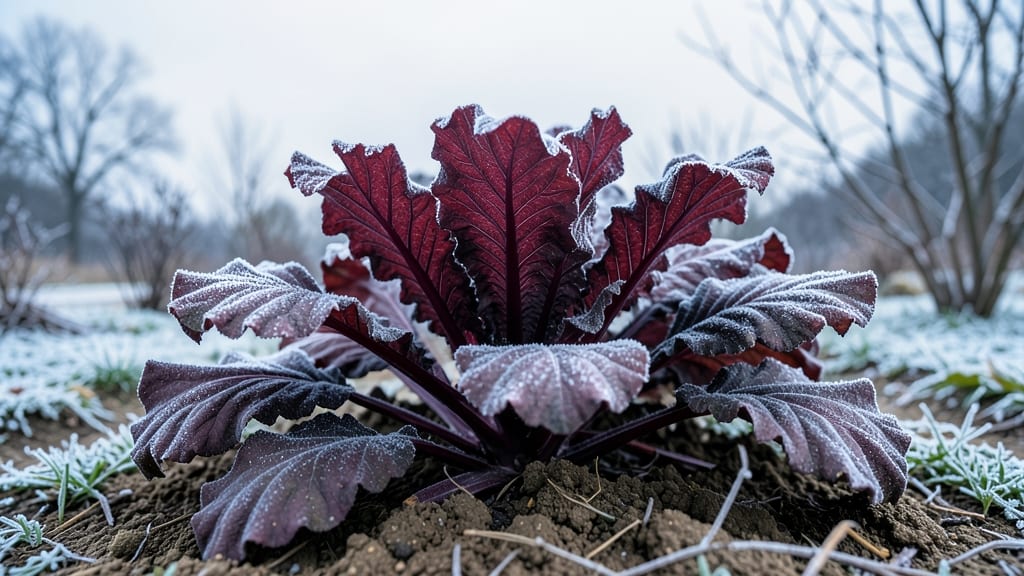
When winter's chill turns other greens to mush, Red Russian kale thrives—its deep purple-red leaves not only survive frost but sweeten in flavor as temperatures drop. This cold-hardy superstar is your ticket to vibrant winter harvests and nutrient-packed meals.
Plant seeds in early spring or late summer for a fall-to-winter harvest, spacing them 12-18 inches apart in well-draining soil. Provide full sun to partial shade (4-6 hours daily) and keep soil consistently moist. The leaves are packed with vitamins A, C, and K, making them perfect for salads, soups, or smoothies. Cut outer leaves to encourage regrowth.
Gardeners in zones 2-10 will love this low-maintenance powerhouse—ideal for small spaces, containers, or large beds. It's the ultimate year-round edible that keeps your garden (and plate) colorful through winter. 🌱
Purple Sweet Potatoes for Root Crops
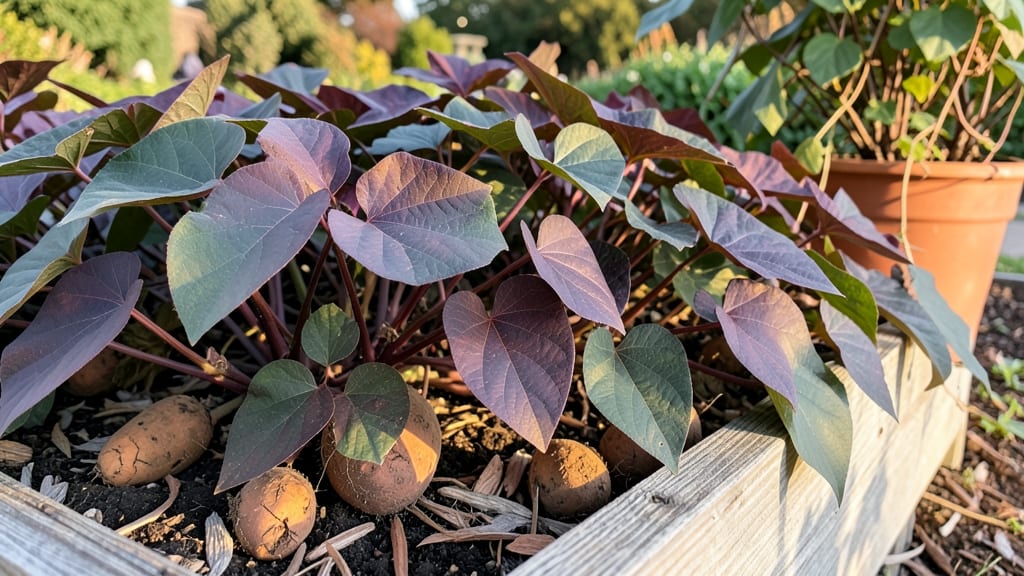
Want a root crop that doubles as a living ground cover while adding a pop of color to your garden? Purple sweet potatoes deliver both beauty and bounty with their deep purple foliage and edible tubers.
These varieties thrive in warm-season gardens (USDA zones 9-11) and can even be grown in containers. Plant slips in well-draining soil with full sun, and watch their sprawling vines create a striking purple carpet. The tubers themselves boast vibrant purple flesh, perfect for roasting, mashing, or even baking into sweet treats.
Perfect for gardeners who love low-maintenance plants with dual purposes, purple sweet potatoes bring both visual drama and culinary potential to your harvest. 🌻
Purple Eggplant for Garden Drama
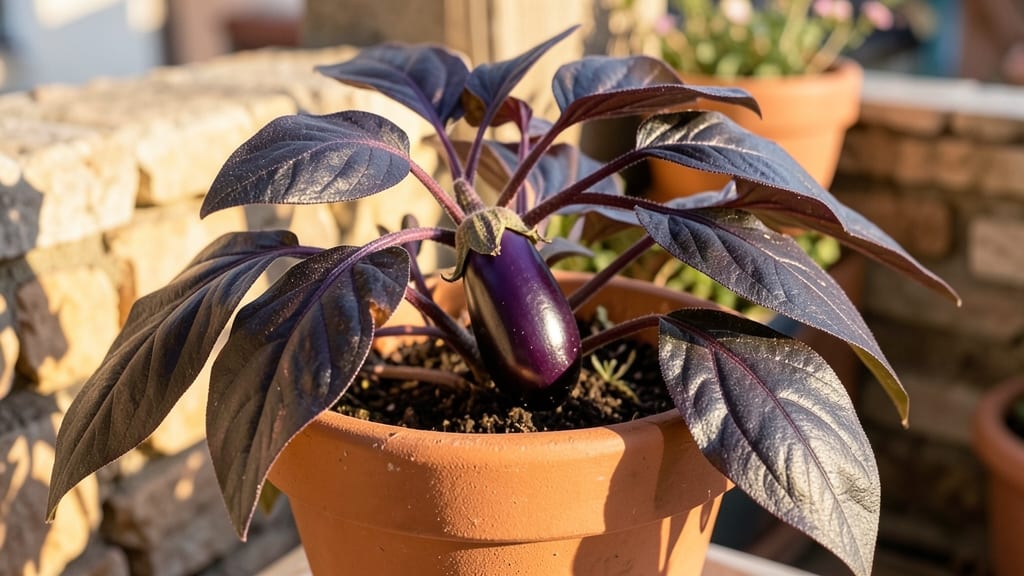
Want to add a touch of Mediterranean flair to your small garden or balcony? The purple eggplant delivers both drama and deliciousness in a compact package. Its glossy, deep purple leaves create a striking visual contrast while thriving in containers, making it perfect for urban gardeners with limited space.
This versatile plant loves full sun (6-8 hours daily) and well-draining soil, producing those iconic egg-shaped fruits perfect for dishes like ratatouille and caponata. For best results, choose a 5-gallon container with drainage holes and stake the plant as it grows to support heavy fruit loads. Prune lower leaves to encourage air circulation and prevent disease.
Urban gardeners and small-space growers will love how this plant doubles as both a culinary star and a living centerpiece. 🌻
Purple Clover for Pollinator Gardens

Want a living mulch that feeds your soil and feeds hungry pollinators? Purple clover (Trifolium incarnatum) is your secret weapon—its trifoliate purple leaves spread like a lush green carpet while fixing nitrogen into the soil, reducing the need for synthetic fertilizers.
This drought-tolerant perennial thrives in full sun to partial shade and blooms with fragrant pink flowers that attract bees, butterflies, and honeybees—making it a pollinator magnet. Young leaves are edible (great in salads or as a microgreen) and packed with protein, while the flowers produce honey with a mild, floral flavor. Simply scatter seeds in early spring or fall for a self-sustaining ground cover.
Perfect for urban gardeners, permaculture plots, or bee-friendly lawns, purple clover transforms bare soil into a productive, pollinator-friendly ecosystem with minimal effort. 🌻