
Flowers
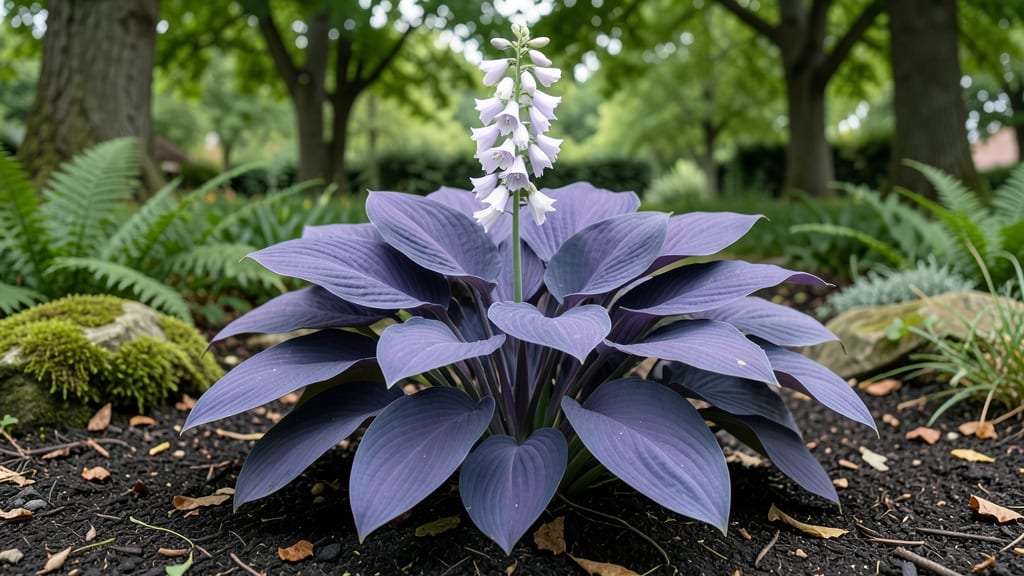
Purple leaf hostas transform shady spots into lush, jewel-toned retreats. 💜 I’ve grown these shade-loving stars for years, and they never fail to deliver drama—whether you’re filling a woodland garden or brightening a dark corner of your patio.
Their deep purple foliage stays vibrant even in deep shade, making them the ultimate low-maintenance statement plant.
The secret to their success is simple: partial to full shade, moist but well-draining soil, and consistent moisture (they hate drying out). Plant them in spring or early fall when temperatures are mild, spacing them 2-3 feet apart to give their broad leaves room to spread.
A mulch layer keeps roots cool and conserves water—critical for their lush growth.
Once established, purple leaf hostas are nearly foolproof. Prune back any yellowed or damaged leaves in early spring to make room for fresh growth, and divide clumps every 3-4 years to keep them vigorous.
They’re cold-hardy down to zone 3, so winter care is minimal—just a little extra mulch in harsh climates.
Pair them with ferns, astilbes, or heucheras for a layered shade garden that thrives year-round. Their striking foliage even adds contrast to evergreen shrubs or dark boulders. Ready to turn your shady spots into a foliage showstopper?
📚 In This Guide
- What you need
- Instructions
- Tips and common mistakes
- Wrapping up and next steps
What you need
- ● Purple leaf hosta plants: Choose Hosta spp. varieties like ‘Blue Angel,’ ‘Halcyon,’ or ‘June’ (3–4 inches in diameter for best results). Pro tip: 💡 Buy from reputable nurseries to avoid pests like slugs or fungal diseases.
- ● Well-draining potting mix: 1–2 bags (1.5–2 cubic feet each) of peat-based or compost-amended soil (avoid pure clay or sand-heavy mixes).
- ● Organic mulch: 2–3 inches of shredded bark, pine needles, or hardwood chips (helps retain moisture and suppress weeds).
- ● Slow-release fertilizer: 10–20-10 or 5-10-5 formula (follow package rates for shade-loving plants).
- ● Garden tools: Trowel or hand shovel
- ● Garden fork (for loosening soil)
- ● Pruners (sterilized with rubbing alcohol)
- ● Slug/snail bait: Iron phosphate granules (eco-friendly) or copper tape (physical barrier). ⚠️ Warning: 🌡️ Avoid chemical slug pellets—they harm pets and wildlife!
- ● Shade cloth: 30–50% density (for seedlings or hot climates).
- ● Container gardening: 12–18-inch pots with drainage holes (if not planting in-ground).
- ● Companion plants: Ferns, astilbes, or heucheras (to complement hostas in shade gardens).
Step-by-step guide to planting and caring for purple leaf hostas
Here’s how to grow lush, vibrant purple leaf hostas that thrive in shade and deliver year-round interest.
🪴 Step 1: Choose the Right Planting Location
Purple leaf hostas thrive in partial to full shade, making them perfect for under trees or along north-facing walls. Avoid direct afternoon sun—it can scorch their delicate foliage. Test your spot by observing how much sunlight it gets between 10 AM and 4 PM. If the area stays in shade for at least 4-6 hours daily, it’s ideal.
Dig a hole twice as wide as the hosta’s root ball but only as deep as the container it came in. Loosen the roots slightly if they’re tightly bound—this encourages faster establishment. The crown (where leaves meet roots) should sit just below soil level after planting. If buried too deep, it can rot; too high, and the plant may dry out.
🌱 Step 2: Amend Soil for Optimal Growth
Hostas prefer rich, well-draining soil with a slightly acidic to neutral pH (6.0–7.5). Mix 2–3 inches of compost into the planting hole to improve fertility and moisture retention. Avoid heavy clay or sandy soil—amend with peat moss or coconut coir if your soil drains too quickly or holds too much water.
Gently backfill the hole, pressing soil lightly around the roots to eliminate air pockets. Water deeply to settle the soil and remove any air gaps. You’ll know it’s right when the surface looks slightly firm but still crumbly. Mulch with 2–3 inches of shredded bark or leaves to suppress weeds and retain moisture—just keep it 3–4 inches away from the crown to prevent rot.
☀️ Step 3: Water and Fertilize for Vibrant Foliage
Keep the soil consistently moist but not soggy for the first 4–6 weeks after planting. Water deeply 2–3 times weekly, checking the top 1–2 inches of soil—if it feels dry, it’s time to water. Purple leaf hostas wilt dramatically when thirsty, so monitor closely during dry spells. Once established, they’re drought-tolerant but still prefer even moisture for boldest colors.
Feed with a balanced, slow-release fertilizer (10-10-10) in early spring as new growth emerges. Avoid high-nitrogen fertilizers—they promote leafy growth at the expense of the stunning purple hues. A light application of compost in fall also boosts winter hardiness. You’ll notice richer colors and thicker foliage within 4–6 weeks of proper feeding.
✂️ Step 4: Prune and Divide for Long-Term Health
Deadhead spent flower stalks in late summer to redirect energy into foliage rather than seed production. Cut back any yellowed or damaged leaves with clean, sharp pruners, leaving only healthy green growth. This keeps the plant tidy and prevents disease. If leaves turn brown in winter, leave them—they protect the crown from temperature swings.
Divide hostas every 3–4 years in early spring or fall when the plant becomes overcrowded. Dig up the clump, separate into 3–5 inch sections with 3–5 leaves each, and replant immediately. This rejuvenates growth and prevents the center from dying out. You’ll see faster regrowth and brighter purple tones after division.
⏰ Step 5: Protect from Pests and Winter Conditions
Watch for slugs and snails, which adore hosta leaves. Set out beer traps or diatomaceous earth in early evening when pests are most active. Avoid chemical pesticides—they can harm beneficial insects and leave residues. If you spot holes in leaves, act quickly before damage spreads. Healthy hostas bounce back, but severe chewing weakens the plant.
Mulch heavily in late fall with 4–6 inches of shredded leaves or straw to insulate roots during winter. Purple leaf hostas are hardy to USDA Zone 3, but mulch prevents heaving (when soil freezes and lifts roots). In Zone 4–5, add a lightweight burlap wrap around the crown for extra protection. You’ll know it’s working when leaves stay green longer into winter and regrowth is vigorous in spring.
Tips & tricks for perfect purple leaf hosta planting and care
These insider insights will help you cultivate showstopping purple leaf hostas that stand out in any shade garden.
Location Insight: Purple leaf hostas are finicky about shade timing—don't just eyeball it. Use a simple trick: place a white plate where you plan to plant and check it every hour between 10 AM and 4 PM. If it stays shaded for at least 4-6 hours, you've got the perfect spot. Morning sun is generally safer than afternoon sun, which can bleach the vibrant purple hues over time. I've seen beautiful hostas turn dull green when planted in areas with just a few hours of afternoon sun.
Soil Preparation: The secret to vibrant purple foliage lies in soil pH. Test your soil before planting—hostas thrive in slightly acidic to neutral soil (6.0-7.5 pH). If your soil tests higher, mix in 2-3 inches of peat moss into the planting hole to lower the pH naturally. I've found that even a small pH shift can make a dramatic difference in leaf color intensity. For clay-heavy soils, add coconut coir to improve drainage while retaining moisture.
Watering Wisdom: The first 4-6 weeks after planting are critical for root establishment. Water deeply 2-3 times weekly, but resist the urge to water on a schedule—check the top 1-2 inches of soil instead. Purple leaf hostas wilt dramatically when thirsty, but overwatering can cause root rot. I've learned to water in the morning so leaves have time to dry, which helps prevent fungal issues. Once established, these plants become surprisingly drought-tolerant while still maintaining their stunning color.
Fertilizing Strategy: Timing is everything with hosta fertilization. Apply your balanced 10-10-10 fertilizer in early spring when you first see new growth emerging from the ground. Avoid high-nitrogen fertilizers—they'll give you lush green growth at the expense of those gorgeous purple tones. I've noticed that a light application of compost in fall actually enhances winter hardiness and gives you even more vibrant colors the following spring. The key is patience—you'll see the most dramatic color improvement after about 4-6 weeks of proper care.
Pro Tips for Purple Leaf Hosta
- These insider insights will help you cultivate showstopping purple leaf hostas that stand out in any shade garden.
- Location Insight: Purple leaf hostas are finicky about shade timing—don't just eyeball it.
- Soil Preparation: The secret to vibrant purple foliage lies in soil pH.
Frequently asked questions
Got questions about growing purple leaf hosta? You’re not alone! Here are some of the most common queries—plus quick, practical answers to help your shade garden shine.
How much sunlight do purple leaf hostas really need?
Purple leaf hostas thrive in partial to full shade—think 2 to 6 hours of dappled sunlight daily. Too much direct sun can scorch their leaves, while deep shade may dull their vibrant purple hues. A spot under deciduous trees (where light filters through) is ideal!
Are purple leaf hostas cold-hardy? What zones do they grow in?
These beauties are cold-hardy in USDA zones 3–9, making them perfect for northern gardens. They go dormant in winter but bounce back like champions in spring. Just mulch lightly in extreme winters for extra protection.
How often should I water my purple leaf hosta?
Water deeply but infrequently—about once a week, depending on your climate. Let the soil dry out slightly between waterings to prevent root rot. Mature plants are drought-tolerant, but younger hostas need consistent moisture.
What pests or diseases should I watch for?
Keep an eye out for slugs, snails, and deer—they love hosta leaves! Use organic slug bait or beer traps for slugs, and consider fencing for deer. Fungal issues like leaf spot can occur in humid conditions; improve airflow and avoid overhead watering.
Can I grow purple leaf hostas in containers?
Yes! Containers work well for smaller varieties, like ‘Blue Angel’ or ‘Halcyon.’ Use well-draining soil and a pot with drainage holes. Just remember: container-grown hostas dry out faster, so monitor soil moisture closely.
Wrapping up and next steps
Growing purple leaf hosta is a rewarding way to add vibrant drama to your shade garden—even in colder climates! 🌿 With the right location, soil, and care, these striking plants will thrive year after year, offering lush foliage and a sense of tranquility.
Whether you're a seasoned gardener or just starting out, their low-maintenance nature makes them a perfect choice for any green thumb.
Ready to transform your garden? Start by selecting the perfect variety and give your hostas the love they deserve—your shaded oasis will thank you! 🌸