
Flowers
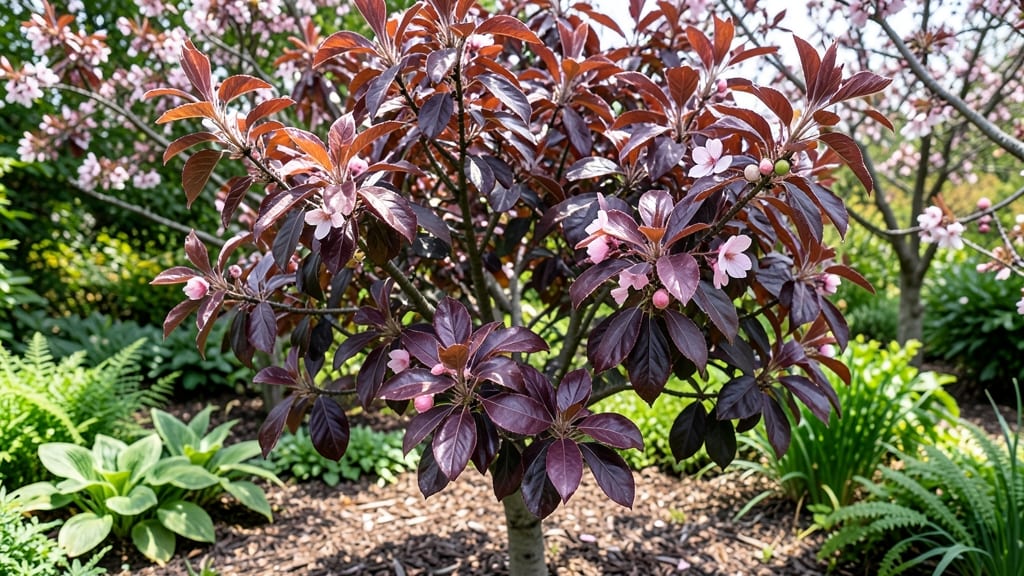
The purple leaf peach transforms your yard into a living masterpiece with its stunning foliage and fragrant blooms. 🌿 I planted mine last spring, and the deep burgundy leaves have kept my garden vibrant through every season—even winter.
This isn’t just a tree; it’s a year-round centerpiece that outshines ordinary peach varieties.
This cold-hardy stunner thrives in full sun and well-draining soil, making it perfect for gardeners in zones 5-8. Unlike traditional peach trees, it focuses on show-stopping foliage while still producing occasional fruit (though not reliably).
The secret to its drama? Pruning in late winter to encourage dense growth and protect it from winter burn.
By summer, your tree will burst with fragrant white blossoms that attract pollinators, followed by glossy purple leaves that deepen into rich tones as temperatures drop. Even in winter, the bark’s texture adds winter interest. It’s the kind of tree that makes neighbors stop and ask, “What is that?”
Ready to grow one? Start with a young tree from a reputable nursery, and you’ll have a landscape focal point that outperforms any annual flower bed. Here’s how to set it up for success—no fancy skills required.
📚 In This Guide
- What you need
- Instructions
- Tips and common mistakes
- Wrapping up and next steps
What you need
- ● Purple leaf peach tree: 1–2 bare-root or container-grown saplings (3–5 ft tall, Prunus persica ‘Purple Leaf’ cultivar)
- ● OR seeds from a ripe purple leaf peach (requires stratification and patience!)
- ● Planting site: Full sun (6+ hours/day) in a sheltered location (wind protection is key!)
- ● Well-draining soil (amend with compost if clay-heavy)
- ● Space: 15–20 ft apart (or 20+ ft for mature trees)
- ● Tools: Shovel or trowel
- ● Garden gloves
- ● Pruners (sterilized)
- ● Mulch (2–3 inches of organic mulch like wood chips)
- ● Soil test kit (to check pH—ideal range: 6.0–7.0)
- ● Fertilizer (balanced 10-10-10 or citrus-specific blend for young trees)
- ● Tree stakes & ties (for windy areas)
- ● Drip irrigation system (for consistent moisture)
- ● Cold-hardy rootstock (if grafting or layering)
How to plant and care for a purple leaf peach tree
This stunning tree thrives in cold climates and delivers vibrant foliage year-round with minimal fuss.
🌱 Step 1: Choose the Right Location and Prepare the Soil
Select a spot that receives at least 6 hours of direct sunlight daily. Purple leaf peach trees love full sun but tolerate partial shade, though their signature purple foliage will be less intense. The tree needs 6-8 feet of clearance around it for mature growth, so avoid planting near structures or other trees.
Test your soil's drainage by digging a 12-inch deep hole in the proposed planting area. If water pools after 30 minutes, amend the soil with 2-3 inches of compost or organic matter to improve drainage. Purple leaf peach trees hate soggy roots, so well-draining soil is non-negotiable. I like to mix in a handful of bone meal at planting time for extra phosphorus, which encourages strong root development.
🪴 Step 2: Plant at the Correct Depth and Stake for Support
Dig a hole that's twice as wide as the root ball but no deeper. The top of the root ball should sit 1-2 inches above ground level after backfilling—this prevents the tree from settling too deeply over time. Gently loosen the roots if they're circling or compacted, then place the tree in the hole.
Fill the hole halfway with soil, then water deeply to settle it around the roots. Add a 2-inch layer of mulch (like wood chips) around the base, keeping it 3 inches away from the trunk to prevent rot. Stake the tree if needed—purple leaf peach trees can get top-heavy, especially in windy areas. Use two stakes tied loosely with soft fabric to avoid girdling the trunk.
☀️ Step 3: Water Deeply and Monitor Soil Moisture
Water the newly planted tree deeply right after planting—aim for 1-2 gallons spread evenly around the root zone. Purple leaf peach trees establish roots slowly, so keep the soil consistently moist but not soggy for the first 2-3 months. You'll know it's time to water when the top 2 inches of soil feel dry to the touch.
After the first year, reduce watering to once every 1-2 weeks, depending on rainfall. Overwatering is the #1 killer of these trees—yellowing leaves or wilting branches are signs you're watering too much. In winter, reduce watering further unless your region experiences extreme drought.
✂️ Step 4: Prune for Shape and Airflow in Early Spring
Prune your purple leaf peach tree in late winter or early spring, before new growth begins. Remove any dead, diseased, or crossing branches first—these compete for energy and can invite pests. Thin out 25% of the canopy to improve airflow, which reduces fungal diseases like powdery mildew. I always cut just outside the branch collar (the swollen area where the branch meets the trunk) to ensure clean wounds.
Shape the tree by opening the center to sunlight—purple leaf peach trees grow best when their branches receive even light exposure. Avoid heavy pruning in fall, as new growth won’t harden off before winter. If you notice suckers (shoots growing from the base), remove them promptly—they drain energy from the main tree.
🌿 Step 5: Fertilize and Protect for Year-Round Color
Apply a balanced, slow-release fertilizer (like 10-10-10) in early spring when new leaves emerge. Purple leaf peach trees aren’t heavy feeders, but a light application every 2-3 years keeps their foliage vibrant. Avoid high-nitrogen fertilizers—they encourage leafy growth at the expense of the tree’s signature purple hue.
In winter, protect young trees from harsh winds by wrapping the trunk with tree guard or burlap. The purple foliage can get scorched in intense cold, so a light layer of mulch (up to 3 inches deep) insulates roots. Mature trees handle winter well, but young specimens benefit from extra care until established.
Tips & tricks for perfect purple leaf peach tree planting
Here's what nobody tells you about making your purple leaf peach tree thrive from day one—these are the details that separate a struggling sapling from a showstopping landscape centerpiece.
Sunlight Secret: While 6 hours of sunlight is the minimum, aim for at least 8 hours daily to maintain that vibrant purple foliage. Morning sun is especially important—it helps prevent fungal issues that thrive in damp evening conditions. I've seen trees in partial shade lose 50% of their signature color within just two seasons. If your location gets less than 6 hours, consider supplementing with grow lights during winter months when daylight is shortest.
Soil Test Hack: That 30-minute drainage test is crucial, but here's the pro move: mix in a handful of perlite or coarse sand with your compost to create air pockets. Purple leaf peach trees hate compacted soil, and this simple addition can make the difference between a struggling tree and one that thrives. I like to do a quick "squeeze test"—if your amended soil holds its shape when pressed but crumbles easily, you've got the perfect texture.
Staking Strategy: Those two stakes should be positioned at 45-degree angles from each other, forming an "X" pattern when viewed from above. This creates a stable tripod effect that prevents the tree from leaning into the wind. Use soft tree ties or even old t-shirts cut into strips—they stretch as the tree grows without cutting into the bark. I've seen trees with rigid wire ties actually girdle their trunks within months, so don't skip this detail.
Winter Protection Pro Tip: For your first winter, create a "tree blanket" by wrapping the trunk and lower branches with burlap, then adding a thick layer of straw mulch (up to 6 inches deep) around the base. This creates an insulating air pocket that protects against temperature swings. I've had young trees survive -20°F winters with this method when they would have otherwise suffered frost damage to their delicate purple foliage.
Pro Tips for Purple Leaf Peach
- Here's what nobody tells you about making your purple leaf peach tree thrive from day one—these are the details that separate a struggling sapling from a showstopping landscape centerpiece.
- Sunlight Secret: While 6 hours of sunlight is the minimum, aim for at least 8 hours daily to maintain that vibrant purple foliage.
- Soil Test Hack: That 30-minute drainage test is crucial, but here's the pro move: mix in a handful of perlite or coarse sand with your compost to create air pockets.
Frequently asked questions
How cold-hardy is the Purple Leaf Peach tree, really?
The Purple Leaf Peach is one of the toughest ornamental peaches, surviving temperatures as low as -15°F to -20°F (Zones 5-9). However, young trees or newly planted specimens may need winter protection (like burlap wraps or mulch) for their first few years. Once established, they’ll bounce back like a champ!
When should I prune my Purple Leaf Peach tree for best results?
Prune in late winter or early spring (before buds swell) to shape the tree and encourage vibrant foliage. Avoid heavy pruning in fall—it can stimulate tender new growth that won’t survive frost. Pro tip: Use sterilized tools and remove no more than 25% of the canopy per year to avoid stress.
Will my Purple Leaf Peach tree produce edible fruit?
While it’s called a "peach," this tree is primarily grown for its stunning foliage and ornamental value. The fruit (if any) is usually small, tart, and not worth harvesting—focus on the purple, pink, and bronze leaves that put on a show year-round! For edible peaches, opt for cultivars like ‘Elberta’ or ‘Redhaven.’
What pests or diseases should I watch for?
Common issues include aphids, scale insects, and peach leaf curl. Monitor for sticky residue (aphids) or curled leaves (fungus). Treat aphids with a strong spray of water or insecticidal soap. For leaf curl, apply a copper fungicide in late fall or early spring as a preventative. Regular pruning to improve airflow also helps!
Can I grow a Purple Leaf Peach tree in a container?
Yes! While they prefer the ground, dwarf varieties (like ‘Bonanza’) thrive in large containers (at least 24" wide) with well-draining soil. Use a mix of potting soil and compost, and repot every 2-3 years. Just remember: container-grown trees may need more frequent watering and winter protection in cold climates.
Wrapping up and next steps
The purple leaf peach tree isn’t just a stunning addition to your landscape—it’s a year-round showstopper, blending beauty with resilience. From its vibrant foliage to its delicate blossoms and edible fruit, this cold-hardy gem delivers drama in every season.
Whether you’re a seasoned gardener or a curious beginner, now’s the perfect time to plant your own!
Ready to transform your yard? Start by checking your USDA zone and gathering your supplies—then dig in! 🌱 With a little care, you’ll enjoy this living masterpiece for years to come.