
Flowers
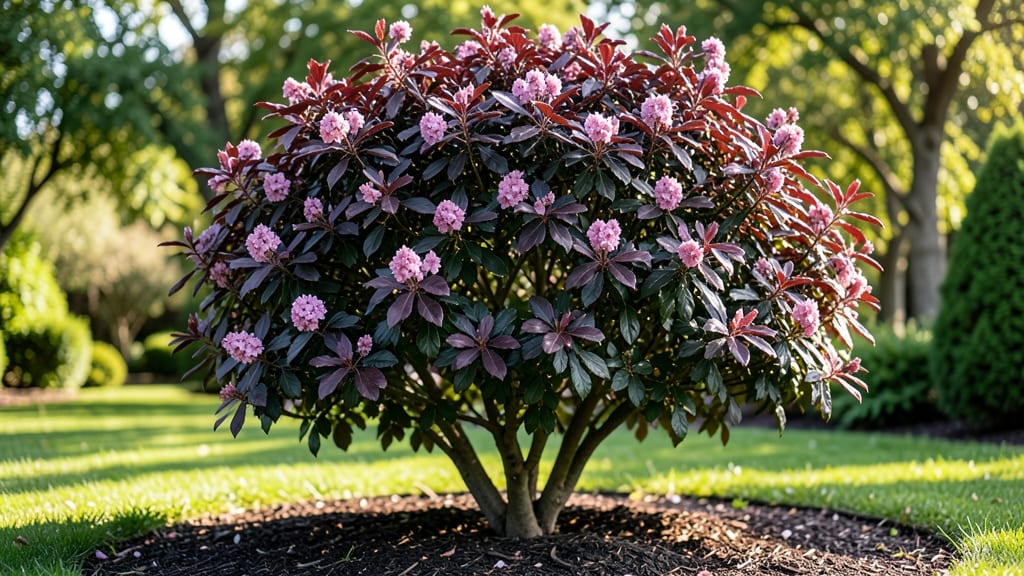
Those purple leaf plum tree flowers—the ones with their delicate pink-purple blooms—aren’t just pretty; they’re a sign your tree is thriving. 🌸 I’ve watched mine transform my yard from dull winter to spring spectacle, and the secret isn’t complicated: timing, sunlight, and a little pruning magic.
The flowers arrive in late winter or early spring, right when you need a burst of color. My tree blooms for about two weeks, and the scent—sweet but not overpowering—fills the air.
The key? Planting in full sun and well-draining soil. Purple leaf plums love zones 5-9, so check your climate before digging.
After the flowers fade, you’ll get those signature purple leaves that keep the show going all summer. Prune right after blooming to shape the tree and encourage next year’s flowers. Just avoid cutting back too late—you’ll miss the spring display.
Common mistakes? Overwatering or skipping pruning. My first year, I nearly drowned the roots, and the blooms were sparse. Now, I water deeply but only when the top inch of soil is dry. Simple adjustments make all the difference!
📚 In This Guide
- What you need
- Instructions
- Tips and common mistakes
- Wrapping up and next steps
What you need
- ● Purple leaf plum tree: Choose a healthy Prunus cerasifera (dwarf or standard) from a reputable nursery. Look for bare-root or potted saplings (1-3 years old).
- ● Well-draining soil: 50 lbs of a mix of garden soil, compost, and sand/perlite (for drainage). Aim for a pH of 6.0–7.0.
- ● Fertilizer: A balanced, slow-release fertilizer (e.g., 10-10-10 or 20-20-20) or organic options like fish emulsion or composted manure.
- ● Mulch: 2–3 inches of wood chips or shredded bark to retain moisture and regulate soil temp.
- ● Garden trowel or shovel (for digging)
- ● Pruning shears (sterilized with rubbing alcohol)
- ● Watering can or hose with a gentle spray nozzle
- ● Gloves (to protect hands from thorns)
- ● Measuring tape (to mark planting depth)
- ○ Optional: Tree stakes (if planting in windy areas) and drip irrigation system (for consistent watering).
- ● A sunny location with at least 6–8 hours of direct sunlight daily.
- ● Space for mature tree height (dwarf varieties: 8–12 ft; standard: 15–25 ft).
- ● Access to water for the first 2–3 weeks post-planting.
- ● Patience! Purple leaf plums bloom best after 2–3 years of establishment. 💡
How to encourage stunning purple leaf plum tree flowers
Here’s the straightforward approach I’ve used to coax vibrant blooms from these showstopping trees.
🌱 Step 1: Select the Right Location and Soil
Purple leaf plum trees thrive in full sun—at least 6-8 hours daily—so choose a spot where they’ll get morning light and afternoon shade if you live in a hot climate. I’ve seen the most dramatic blooms when the tree gets south or southwest exposure. The soil should drain well but retain moisture—amend heavy clay with 2-3 inches of compost before planting.
Dig a hole twice as wide as the root ball but only as deep. Place the tree so the top of the root ball sits 1-2 inches above ground level. This prevents water from pooling around the trunk, which can rot roots. Backfill with native soil mixed with compost, then water deeply to settle everything.
☀️ Step 2: Prune for Better Bloom Production
Prune in late winter or early spring before buds swell but before new growth begins. Remove dead, crossing, or inward-growing branches first—these compete with flowers and weaken the tree. Then, cut back last year’s growth by one-third to encourage new, vigorous shoots that produce more blooms.
Focus on thinning the canopy to improve airflow. I like to shape the tree into an open vase form, which lets sunlight reach inner branches where flowers often form. Avoid heavy pruning in fall—it stimulates tender growth that won’t survive winter.
💧 Step 3: Water and Fertilize for Peak Blooms
Water deeply once a week during the first growing season, then taper to every 2 weeks once established. The key is consistent moisture—let the top 2-3 inches of soil dry out between waterings, but never let it get bone-dry. Overwatering causes root rot, while underwatering stresses the tree and reduces flower production.
Apply a balanced 10-10-10 fertilizer in early spring as new growth starts, then again after blooming. I’ve found that too much nitrogen (like lawn fertilizer) makes the tree grow leaves at the expense of flowers. Use half the recommended dose for best results.
✂️ Step 4: Protect Flowers from Late Frost
Purple leaf plum flowers are stunning but delicate—late frosts can damage buds just as they open. Cover the tree with a lightweight frost cloth if temperatures dip below 28°F after buds appear. Secure the cloth loosely so it doesn’t crush branches, and remove it during the day to let sunlight through.
Even if some flowers get frost damage, the tree usually rebounds with a second flush of blooms later in spring. I’ve seen trees recover beautifully after a cold snap—just be patient and keep the soil moist to help the tree recover.
🌿 Step 5: Maintain Year-Round for Future Blooms
Remove spent flowers by deadheading in early summer to redirect the tree’s energy into next year’s blooms. Prune lightly again in late summer to shape the tree and remove any suckers at the base. Mulch with 2-3 inches of organic mulch (like shredded bark) to retain moisture and regulate soil temperature.
Watch for pests like aphids or scale insects, which can sap the tree’s energy. A strong blast of water usually removes aphids, while horticultural oil tackles scale. Healthy trees bloom best, so don’t skip these checks—even a small infestation can dull next year’s flowers.
Tips & tricks for encouraging purple leaf plum tree flowers
Here's what nobody tells you about getting those showstopping purple blooms—lessons I learned after watching my first tree struggle.
Sunlight Strategy: While 6-8 hours of sun is ideal, don't just plant anywhere sunny. The most dramatic blooms appear when trees get morning sun and afternoon shade in hot climates. I've seen trees in full afternoon sun produce half as many flowers—those late afternoon rays can actually stress the tree. If you're in a hot zone, consider planting near a building or taller trees for natural shade after 2 PM.
Pruning Precision: That one-third cut in Step 2 isn't about random trimming—it's about creating an open vase shape. I learned this the hard way when my first tree got too dense. Focus on removing branches that cross or grow inward first, then cut back last year's growth to about 12-18 inches from the branch collar. This opens up the center where sunlight triggers the most flowers. Use sharp pruners and make clean cuts at a 45-degree angle just outside the branch collar.
Watering Wisdom: The "let top 2-3 inches dry" rule is critical, but here's what I've noticed: clay soils need less frequent watering than sandy soils. In clay, water penetrates slowly, so I wait until the top 3 inches are dry. In sandy soil, I check at 1-2 inches. Overwatering is the silent killer—roots need oxygen too. I use a moisture meter now to avoid guessing, especially during the first growing season when roots are establishing.
Frost Protection: That 28°F threshold is your warning sign, but here's the real trick: check your local frost forecast 2-3 days ahead. If buds are swelling (they'll look like tiny green fists), cover the tree before the forecasted drop. I've used both frost cloth and old bedsheets with good results—just secure them loosely so they don't damage new growth. And remember, even if some flowers get frost damage, the tree often produces a second flush of blooms later in spring.
Pro Tips for Purple Leaf Plum Tree Flowers
- Here's what nobody tells you about getting those showstopping purple blooms—lessons I learned after watching my first tree struggle.
- Sunlight Strategy: While 6-8 hours of sun is ideal, don't just plant anywhere sunny.
- Pruning Precision: That one-third cut in Step 2 isn't about random trimming—it's about creating an open vase shape.
Frequently asked questions
Got questions about those stunning purple leaf plum tree flowers? You’re not alone! Here are answers to the most common queries—from timing to care tips—to help you make the most of your tree’s dazzling display.
When do purple leaf plum tree flowers bloom?
The Prunus cerasifera typically bursts into color in early to mid-spring (March–April in most U.S. zones 5–9), though timing depends on your climate. Cooler winters can delay blooms, while warm spells may trigger earlier flowering. Pro tip: Monitor local frost dates—late frosts can damage delicate blossoms!
How do I encourage more purple leaf plum flowers?
For a show-stopping bloom, prioritize full sun (6+ hours daily) and well-draining soil. Prune in late winter to remove dead wood and open the canopy for better airflow. Feed annually with a balanced fertilizer (10-10-10) in early spring. Bonus: Avoid over-fertilizing with nitrogen—it boosts leaves over flowers!
Are purple leaf plum tree flowers fragrant?
Nope! These flowers are all about visual drama—they’re not known for scent. If fragrance is a priority, consider alternatives like Bradford pear or Japanese plum, which offer both color and aroma. Trade-off: Purple leaf plums win for bold, long-lasting color!
Why aren’t my purple leaf plum flowers opening?
Several factors could be at play:
- Stress: Check for underwatering (drought stress) or overwatering (root rot).
- Nutrients: A soil test may reveal deficiencies (e.g., phosphorus or potassium).
- Age/Health: Young trees or those recovering from disease may skip blooming. Fix: Inspect for pests (aphids, scale) and treat if needed.
- Pruning Timing: Heavy pruning after buds form can reduce flowers.
If issues persist, consult a local arborist!
Can I grow purple leaf plum trees in containers?
Yes! These trees adapt well to large containers (15+ gallons) with fast-draining mix (add perlite or sand). Choose dwarf cultivars like ‘New Dawn’ for smaller spaces. Key tip: Move pots indoors or to a sheltered spot if frost threatens—container roots are more vulnerable!
What’s the best alternative if I want fragrant purple flowers?
If you crave both color and scent, try:
- Lilac (Syringa): Fragrant purple blooms, hardy, and low-maintenance.
- Butterfly Bush (Buddleia): Attracts pollinators + fragrant spikes.
- Weigela: Vibrant pink/purple flowers with a light perfume.
For tree-sized drama, Japanese plum (Prunus mume) offers fragrant blooms in shades of pink/white.
Wrapping up and next steps
The purple leaf plum tree isn’t just a stunning addition to your garden—it’s a year-round masterpiece that transforms your outdoor space into a vibrant, ever-changing canvas. From its breathtaking spring blooms to its fiery fall foliage, this tree brings joy, color, and even wildlife benefits with minimal effort.
Whether you’re a seasoned gardener or a newbie with a green thumb, now’s the perfect time to plant your own and watch nature’s artistry unfold! 🌸
Ready to get started? Research local nurseries, pick the perfect spot, and take the first step toward a show-stopping garden—your future self (and neighborhood!) will thank you. 🌿