
Shrubs
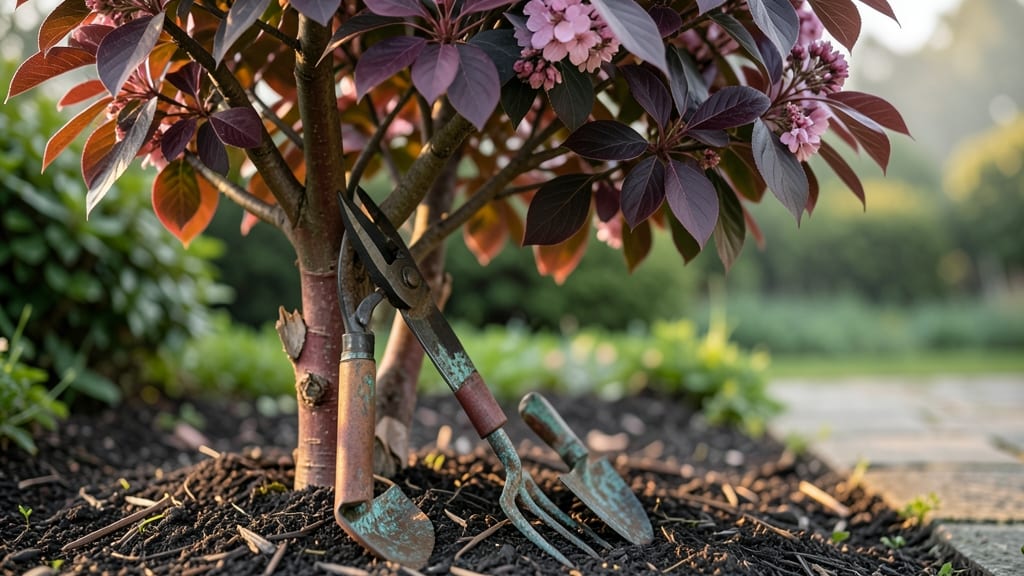
Purple leaf shrubs turn your garden into a living painting—even in winter. 🌿 These cold-hardy stars like Purple Smoke Bush and Purple Leaf Plum bring drama with their deep burgundy foliage that never fades, no matter the season. They’re the backbone of year-round interest, thriving where other plants might struggle.
The secret to their success? They’re low-maintenance but high-impact, perfect for borders, focal points, or mixed shrub beds. Pair them with silver foliage plants like lamb’s ear or white blooms like hydrangeas to make their color pop.
My garden’s purple leaf plum even blooms pink flowers in spring, adding another layer of texture. You’ll end up with a garden that feels lush and intentional, no matter the season. These shrubs handle heat, cold, and drought once established, making them the ultimate workhorse for color.
They’re also deer-resistant—a bonus for rural gardeners. Works in full sun or partial shade, from foundation plantings to woodland edges. Here’s how to choose the right variety for your space!
Behind The Vibrant Purple Hue
That stunning purple foliage isn’t just luck—it’s a fascinating blend of science, genetics, and environmental cues. While purple leaf shrubs and bushes steal the show with their dramatic color, the chemistry behind their pigmentation is what makes them so special.
Let’s break down the key factors that trigger and sustain their eye-catching hues.
The foundation of purple foliage lies in the plant’s anthocyanin genes. These pigments, part of the flavonoid family, are responsible for the deep purples, reds, and blues in leaves, stems, and even flowers. Unlike green chlorophyll (which dominates in most plants), anthocyanins thrive under specific conditions:
- Anthocyanin production: Triggered by high levels of sunlight and cooler temperatures, which signal the plant to ramp up protective pigments.
- Gene expression: Some shrubs, like Cercis canadensis (purple-leafed redbud) or Weigela florida, inherit dominant genes that overproduce anthocyanins year-round.
- Light interference: In shaded conditions, chlorophyll often overshadows anthocyanins, dulling the purple. Pro tip: Prune neighboring trees or relocate the shrub to ensure 6+ hours of direct sunlight daily for the boldest color.
Think of anthocyanins as nature’s built-in sunscreen. When exposed to intense UV rays or chilly nights (especially below 60°F/15°C), plants crank up pigment production to:
- Protect cells: Anthocyanins act as antioxidants, shielding leaves from oxidative stress caused by sunlight or frost.
- Regulate temperature: Dark pigments absorb more heat, helping plants in cooler climates maintain metabolic activity.
- Enhance visibility: Bright colors attract pollinators or deter herbivores—though this is less critical for ornamental shrubs.
Actionable tip: If your purple foliage is fading to green in summer, it may be overheating. Provide afternoon shade in hot climates (zones 7–9) to preserve the hue.
Water stress and soil pH play sneaky roles in pigment intensity. Here’s how:
| Factor | Effect on Purple Leaves | Fix It! |
|---|---|---|
| Drought | Reduces anthocyanin synthesis; leaves may turn dull or bronze. | Water deeply 1–2 times per week (check soil 2" down—it should be slightly moist, not soggy). |
| Alkaline soil (pH >7.0) | Locks out iron and magnesium, weakening chlorophyll and anthocyanin production. | Amend soil with peat moss or sulfur to lower pH to 5.5–6.5. Test kits cost <$10 and save headaches! |
| Over-fertilizing | Excess nitrogen boosts green growth, diluting purple tones. | Use a low-nitrogen, high-phosphorus fertilizer (e.g., 5-10-10 ratio) in early spring. |
Purple foliage isn’t static—it evolves with the plant’s life cycle:
- New growth: Often starts green or reddish before maturing into purple (e.g., Lagerstroemia indica crape myrtles). This is normal!
- Fall/winter: Anthocyanins surge in cooler weather, deepening colors. Some shrubs (like Viburnum bodnantense) turn magenta or violet in frost.
- Older leaves: May fade due to chlorophyll breakdown. Prune out woody stems annually to encourage fresh, vibrant foliage.
💡 Pro tip: For year-round drama, pair purple shrubs with evergreens (e.g., Picea pungens ‘Glauca’) to contrast their blue-green needles against the shrub’s bold hues.
Revive Your Foliage Drama
When your purple leaf shrubs and bushes lose their luster, don’t panic—most issues have simple fixes. Below, we’ll tackle the most common problems with practical, step-by-step solutions and prevention tips to keep your plants thriving year-round.
Cause: Overwatering, nutrient deficiency, or poor drainage. Fix: 🔥 Check the soil – Stick your finger 2 inches deep. If it’s soggy, your plant is drowning. Water only when the top inch feels dry. 🍳 Amend the soil – Mix in compost or organic matter to improve drainage and nutrient retention. 👨🍳 Fertilize lightly – Use a balanced, slow-release fertilizer (10-10-10) in early spring to boost color and health.
Prevention Tip: 💡 Mulch around the base to retain moisture without waterlogging roots.
Cause: Underwatering, salt buildup, or harsh winds. Fix: 🔥 Water deeply but less often – Purple leaf plants prefer consistent moisture. Aim for 1–1.5 inches per week (adjust for rain). 🌡️ Flush the soil – If you suspect salt buildup (common in clay pots), run water through the soil for 10 minutes to rinse out excess minerals. 🎯 Protect from wind – If your shrub is in a exposed spot, add a windbreak (like a lattice or nearby fence) to prevent desiccation.
Prevention Tip: ✨ Use rainwater or distilled water if your tap water is heavily chlorinated or salty.
Cause: High humidity, poor airflow, or overcrowded planting. Fix: 🔪 Prune for airflow – Thin out dense branches to improve circulation. Remove and dispose of infected leaves immediately. ⏰ Apply fungicide – Use a neem oil solution (1 tsp per quart of water) or a copper-based fungicide every 7–10 days until the issue clears. 💪 Water at the base – Avoid wetting foliage, especially in the evening when humidity is high.
Prevention Tip: 🌡️ Space plants 3–4 feet apart and avoid planting in low-lying areas where moisture lingers.
Cause: Too much shade, over-fertilizing with nitrogen, or poor pruning habits. Fix: 🔥 Move to partial sun – Most purple leaf shrubs (like Cotinus or Weigela) need 4–6 hours of sunlight daily for vibrant color. 🍳 Prune for shape – Cut back leggy stems by ⅓ in early spring to encourage bushier growth. 👨🍳 Balance your fertilizer – Switch to a low-nitrogen, high-phosphorus formula (like 5-10-5) to promote flowering and compact growth.
Prevention Tip: 💡 Deadhead spent blooms in late summer to redirect energy into foliage rather than seeds.
Cause: Freeze-thaw cycles, dehydration, or improper mulching. Fix: 🔥 Protect young plants – Wrap tender shrubs in burlap or use frost cloth in late fall. 🌡️ Water before hard frosts – Deep watering before the first freeze helps roots survive winter. 🎯 Apply mulch – Spread 3–4 inches of shredded bark or leaves around the base (but not touching the stem) to insulate roots.
Prevention Tip: ✨ Choose cold-hardy varieties like Cotinus ‘Royal Purple’ (Zone 4) or Weigela ‘Wine & Roses’ (Zone 5) for tougher winters.
If your shrub is struggling from multiple issues, try this quick revival plan:
- Prune back dead or diseased wood with clean, sharp shears.
- Repot if needed – If roots are circling or soil is compacted, move to a larger container or fresh garden bed.
- Adjust watering – Stick to the "finger test" (wait until soil is dry 1–2 inches down).
- Feed lightly – A balanced fertilizer in spring and a potassium-rich one in fall keeps color vibrant.
Final Pro Tip: 🌟 Observe your shrub’s natural growth habits—some purple leaf varieties (like Smokebush) thrive with minimal pruning, while others (like Dwarf Fothergilla) need annual shaping. Tailor care to the specific type!
Frequently asked questions
Which purple leaf shrubs are best for small gardens?
For compact spaces, try Dwarf Fothergilla (Fothergilla gardenii) or Compact Purple Smoke Bush (Cotinus coggygria 'Royal Purple'). Both stay under 3–4 feet tall while delivering bold purple foliage. They’re perfect for containers or tight borders.
Can I grow purple leaf shrubs in containers?
Varieties like Weigela 'Wine & Roses' or Purple Leaf Plum thrive in large pots with well-draining soil. Use a 15–20 gallon container for mature plants, and ensure it has drainage holes. Move containers to partial shade in hot climates to preserve color.
How do I keep purple leaf shrubs looking vibrant all year?
Start with 6+ hours of sunlight daily and prune annually in late winter to remove dead wood. Use a low-nitrogen fertilizer (like 5-10-10) in spring, and mulch with 3 inches of shredded bark to protect roots. Water deeply 1–2 times per week—never let soil dry completely.
Are purple leaf shrubs deer-resistant?
Most are deer-resistant, but hungry deer may still nibble young plants. For extra protection, plant Smokebush (Cotinus) or Dwarf Fothergilla, which deer typically avoid. Consider adding a physical barrier (like chicken wire) around new plantings until established.
What’s the best way to prune purple leaf shrubs?
Prune in late winter or early spring before new growth begins. Remove 1/3 of the oldest stems at the base to encourage fresh foliage. For shaping, cut back leggy branches by 1/2 their length. Always use clean, sharp shears to avoid tearing—never prune in fall, as it stimulates tender growth that won’t survive winter.