
Diseases
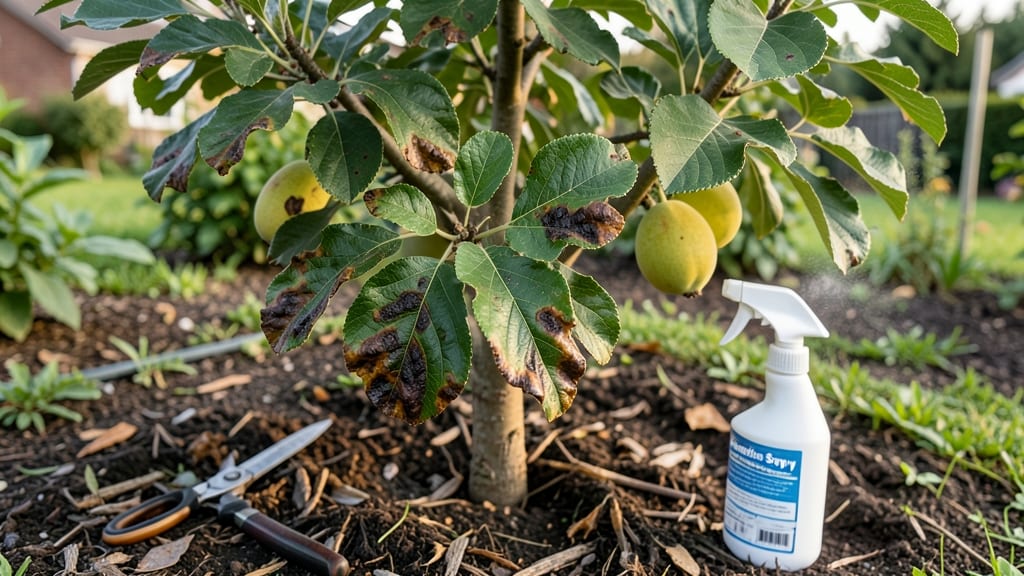
Quince leaf blight turns your prized trees into sad, spotty shadows—until you know how to fight it. 🌿 I’ve seen this stubborn disease ruin entire harvests, but organic control works if you catch it early.
The key is spotting those telltale brown spots with yellow halos before they spread like wildfire. This isn’t just about spraying—it’s about pruning, spacing, and timing.
I’ll show you how to cut back infected branches (sterilize your tools first!), space trees for airflow, and use neem oil or copper spray as soon as you see the first signs. The right mix of prevention and treatment keeps your quince thriving, not wilting.
By mid-summer, your trees will be back to their vibrant green, producing fruit instead of fungus. The secret? Consistency—check leaves weekly, act fast, and don’t let blight turn your garden into a biohazard zone. Works for Cercospora and Alternaria strains, and adapts to any climate.
Let’s save your quince trees—before the spots do.
Root Causes of Leaf Blight
Leaf blight in quince trees is rarely a random act of nature—it’s almost always the result of specific environmental, biological, or cultural factors working together. Understanding these triggers is the first step to preventing outbreaks and protecting your fruit trees.
Below, we break down the key culprits behind leaf blight in quince, from fungal pathogens to poor growing conditions, with actionable insights for each.
Most cases of quince leaf blight are caused by fungal infections, primarily from species like Venturia (the same genus responsible for apple scab) or Alternaria. These fungi thrive in moist, warm conditions and spread via:
- Spores in the air or water: Fungal spores land on leaves, especially when humidity is high (above 75%) or after rain. Venturia spores, for example, can survive on fallen leaves or infected plant debris over winter.
- Wound entry points: Pruning cuts, insect damage (like mites or aphids), or even hail can create openings for fungi to invade leaf tissue.
- Overhead irrigation: Watering from above keeps leaves wet for long periods, creating the perfect breeding ground for fungal spores. Alternaria leaf spot, in particular, flourishes under these conditions.
💡 Pro Tip: Fungal spores are most aggressive in spring and early summer when temperatures hover between 60–80°F (15–27°C) and nights are damp. Monitor your quince trees during these windows for early signs like dark brown spots with yellow halos or black fruiting bodies on undersides of leaves.
Leaf blight doesn’t just happen—it’s often invited by unfavorable weather. Quince trees are particularly vulnerable when:
| Weather Factor | How It Fuels Blight | Actionable Fix |
|---|---|---|
| 🌧️ Excessive Rainfall | Prolonged leaf wetness (over 9 hours) encourages fungal spore germination and spread. Heavy rain can also wash spores from soil or debris onto leaves. | Install drip irrigation or soaker hoses to avoid wetting foliage. Prune for better airflow (see next section). |
| ☀️💧 High Humidity + Heat | Temperatures above 75°F (24°C) with humidity over 80% create ideal conditions for Alternaria and Venturia to multiply rapidly. | Use shade cloth in peak summer or plant quince in partial shade if your climate is humid. |
| 🌬️ Stagnant Air | Poor air circulation traps moisture and spores, accelerating infection. Dense foliage or overcrowded trees worsen the issue. | Prune strategically to open the canopy and improve airflow. Space quince trees 15–20 feet apart. |
A quince tree under stress is like an open door for pathogens. Common stress factors include:
- Nutrient deficiencies: Lack of nitrogen, phosphorus, or micronutrients (like zinc or magnesium) weakens cell walls, making leaves more susceptible to fungal penetration.
- Overwatering or drought: Both extremes disrupt root function. Fusarium or Phytophthora (root-rotting fungi) can further compromise the tree’s ability to fight leaf infections.
- Pest damage: Insects like quince leaf curlers or spider mites create wounds that fungi exploit. Even aphids can vector fungal spores.
- Improper pruning: Cutting too late in the season (after June) or leaving stubs invites infections. Pruning wounds take time to heal.
🔥 Quick Fix: Conduct a soil test to check pH and nutrient levels (quince prefers 6.0–7.0 pH). Apply compost or balanced organic fertilizer in early spring to bolster health before fungal spores become active.
By addressing these root causes—fungal pressure, weather conditions, and tree stress—you can dramatically reduce the risk of leaf blight. The next step? Learn how to break the cycle organically before spores get a foothold.
Quick Fixes for Leaf Blight Woes
Catching leaf blight early gives your quince trees the best shot at recovery—and a future of lush, healthy foliage. Below, we break down targeted solutions for each cause, from fungal infections to environmental stress, with step-by-step fixes and prevention tips to keep your trees thriving. 🌱💪
If dark spots, yellowing, or crusty patches signal fungal leaf blight, act fast with these organic, chemical-free methods:
🔥 Step 1: Remove Infected Leaves & Branches
- 👨🍳 Snip it out: Use sterilized pruners (wipe with rubbing alcohol) to cut away all blighted leaves and small branches—even if they’re just suspicious.
Dispose of them in the trash (not compost!). - ⏰ Timing matters: Do this on a dry, sunny day to prevent spores from spreading.
🥘 Step 2: Apply a Fungicide Spray
Choose one of these organic options and reapply every 7–10 days until new growth appears:
- Neem oil spray (1 tsp neem oil + 1 tsp mild soap + 1 quart water). Shake well and spray undersides of leaves too!
- Baking soda solution (1 tbsp baking soda + 1 tsp oil + 1 gallon water). This raises leaf pH, making it harder for fungi to latch on.
- Copper fungicide (like Copper Soap or Cheshunt Compound). Follow label rates—copper is effective but use sparingly.
🌡️ Step 3: Improve Airflow & Moisture Control
Fungi love humidity + stagnant air.
Break the cycle with: - 🌿 Thin the canopy: Prune branches to open up the center of the tree (aim for 20–30% more airflow). - 💦 Water at the base: Use drip irrigation or soaker hoses to keep leaves dry.
Water early morning so foliage dries by afternoon. - 🌞 Space plants properly: If growing multiple quince trees, space them 8–10 feet apart to reduce humidity buildup.
If blight appears after extreme heatwaves or late frosts, your quince is under environmental stress. Fix it with:
💡 Shade & Mulch for Heat Relief
- 🌳 Provide afternoon shade: Use lightweight shade cloth (30–50%) during peak summer heat (12–4 PM).
- 🌿 Mulch heavily: Apply 3–4 inches of organic mulch (straw, wood chips) around the base to insulate roots and retain moisture.
❄️ Frost Protection for Young Trees
- 🌡️ Cover tender trees: Use frost cloth or row covers on nights below 28°F.
Secure edges with bricks or stakes. - 🔥 Warm the soil: Spread black plastic mulch or straw around the base 24 hours before frost to absorb daytime heat.
If blight follows sap-sucking pests (like aphids or scale), treat the root cause first:
🔪 Blast Off Pests with Natural Sprays
- 🍳 Insecticidal soap (1.5 tbsp liquid soap + 1 quart water). Spray directly on pests—avoid flowers!
- 🌿 Horticultural oil (apply in early spring or fall when pests are dormant). Reapply every 2 weeks.
- 🐝 Encourage predators: Plant marigolds, nasturtiums, or dill nearby to attract ladybugs and lacewings, which devour pests.
🎯 Strengthen Tree Immunity
- 💪 Fertilize smartly: Use a balanced organic fertilizer (like fish emulsion or compost tea) in early spring to boost vigor.
- 🍎 Avoid over-fertilizing nitrogen: Too much = soft, pest-magnet leaves. Stick to low-nitrogen (5-5-5 ratio).
Once your quince recovers, lock in long-term protection with these habits:
| Prevention Step | How to Do It | Best Time |
|---|---|---|
| 🌱 Sanitize tools | Wipe pruners with rubbing alcohol before/after use. | Before pruning, every time |
| 🍂 Clean up debris | Rake and remove all fallen leaves from under the tree. | Fall & early spring |
| 💧 Water deeply, less often | Soak the root zone (not leaves) 1–2x per week. | Spring–fall |
| 🌿 Prune for airflow | Trim crossing branches and suckers to keep the canopy open. | Late winter/early spring |
| 🍄 Monitor regularly | Check undersides of leaves weekly for early signs (yellowing, spots). | Growing season |
If your quince shows severe blight (50%+ leaf loss) or oozing cankers, consult a local arborist or cooperative extension service. Some advanced cases may need systemic fungicides (like Myclobutanil) or professional pruning.
Remember: Consistency is key! Blight thrives on neglect, but with proactive care, your quince can bounce back stronger than ever. 🌿🔥
Frequently asked questions
What are the first signs of quince leaf blight I should watch for?
Start by checking the undersides of leaves for tiny dark brown or black spots with yellow halos. Later stages show crusty patches or leaf drop. Early detection is key—act when you see just 1-2 suspicious spots to prevent spread.
Can I still harvest fruit from a quince tree with leaf blight?
Yes, but only if the blight is mild and limited to leaves. Never harvest fruit from trees with stem infections or cankers, as these can harbor spores. For safety, remove all infected leaves and branches first, then monitor for 2 weeks before harvesting.
How often should I spray neem oil to prevent quince leaf blight?
Apply neem oil every 7-10 days during spring and summer (peak fungal activity). Mix 1 teaspoon neem oil + 1 teaspoon mild soap + 1 quart water, and spray both leaf surfaces. Stop sprays 2 weeks before harvest to avoid residue.
Will pruning help if my quince already has leaf blight?
Prune to remove all infected leaves and small branches—even if they look "just a little off." Sterilize tools with rubbing alcohol between cuts. Thin the canopy to improve airflow, which dries leaves faster and slows fungal spread. Do this on a dry, sunny day for best results.
Can I use the same fungicide spray on quince and apple trees?
Some fungicides (like copper-based sprays) work for both, but always check labels—quince trees are more sensitive to chemical buildup. Avoid sulfur sprays (toxic to quince) and opt for organic options like neem or baking soda for cross-compatibility.