
Vegetables
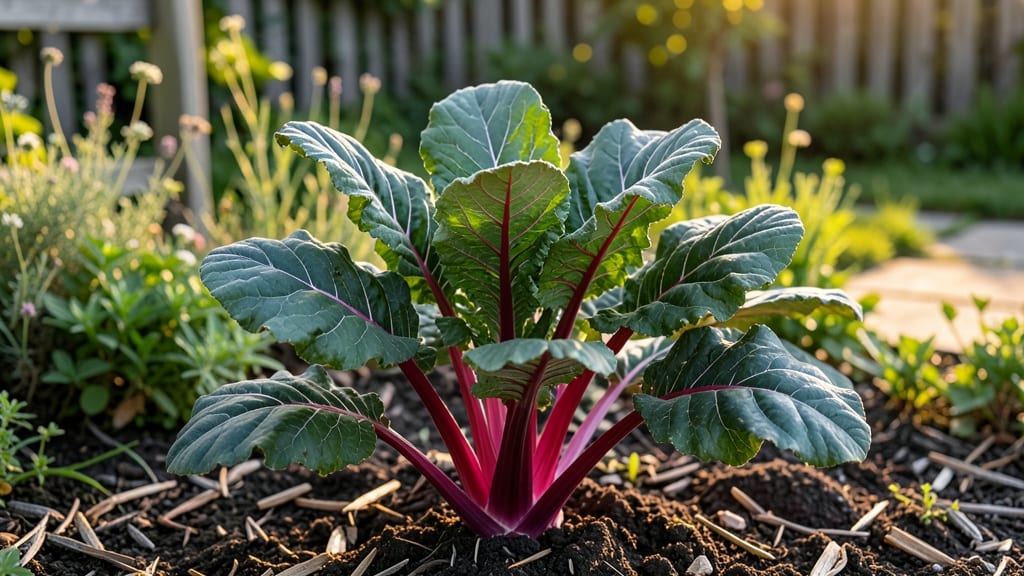
Growing a red-stalk green leafy vegetable like Swiss chard or rhubarb means fresh harvests from spring through frost—no greenhouse needed. 🌱 I’ve grown both for years, and the secret lies in their cold-hardy nature and how they thrive in rich soil with just the right balance of sun and water.
Start with well-draining soil mixed with compost, and plant seeds or transplants in early spring or late summer. These plants love full sun but tolerate partial shade, making them perfect for small gardens or containers. A consistent watering schedule keeps stalks crisp and vibrant—never soggy, but never bone-dry either.
By mid-summer, you’ll be snipping tender leaves or harvesting thick, ruby-red stalks for soups, salads, or roasting. The best part? They regrow after harvest, giving you a year-round supply with minimal effort. Just watch for slugs and aphids, which love young growth.
Whether you’re growing Swiss chard for its rainbow stalks or rhubarb for its tart stems, these perennials reward patience with bold flavors and lush foliage. Here’s how to keep them thriving through every season.
Why it happens
If you’ve ever grown a red-stalked green leafy vegetable—like celery, chard, or Swiss chard—you may have noticed its stalks turn an unexpected shade of red, pink, or even purple. While this can be a stunning visual trait, it’s often a sign of underlying factors at play.
Below, we break down the key reasons why this happens, backed by science, so you can troubleshoot and encourage the growth you want.
The most common cause of red or pink stalks in leafy greens is a nutrient deficiency—or excess—in the soil. Specifically, these shifts often signal:
- Phosphorus deficiency: A lack of phosphorus can trigger anthocyanin production (the pigment responsible for red/purple hues) as a stress response. This is common in poorly fertilized or sandy soils.
- Nitrogen excess: Too much nitrogen can also prompt reddening, as plants redirect energy toward pigment production instead of leaf growth.
- Calcium or magnesium deficiency: These minerals are crucial for cell wall structure. Without enough, stalks may develop red streaks or discoloration.
Actionable fix: Test your soil’s pH (ideal: 6.0–7.0) and amend with a balanced fertilizer (e.g., 10-10-10) or compost. For phosphorus, use bone meal or rock phosphate. Avoid over-fertilizing with nitrogen-heavy amendments like manure.
Red stalks can also be a sunlight or temperature adaptation. Here’s how:
- Insufficient sunlight: Leafy greens like chard may produce more anthocyanins to protect chlorophyll when light is limited (e.g., shaded growing spots or overcrowded plants).
- Cold stress: Exposure to chilly temperatures (below 50°F/10°C) can trigger reddening as a survival mechanism. This is why many varieties develop deeper colors in fall or winter.
- Heat stress: Conversely, intense heat (above 85°F/30°C) can cause reddening due to water stress and increased pigment production.
Actionable fix:
- Ensure plants get 6+ hours of direct sunlight daily. Thin seedlings if overcrowded.
- Use row covers or shade cloth in extreme heat to prevent wilting.
- For cold-hardy varieties (like Bright Lights chard), embrace the red—it’s often a sign of sweetness and flavor depth!
Water plays a critical role in stalk color. Both overwatering and underwatering can lead to reddening:
- Underwatering: When soil dries out, plants produce anthocyanins to repair damaged cells and protect against oxidative stress.
- Overwatering: Poor drainage or soggy roots can restrict nutrient uptake, leading to deficiency-like symptoms, including red stalks.
- Inconsistent moisture: Fluctuating water levels stress plants, triggering pigment changes as a coping mechanism.
Actionable fix:
- Water deeply 1–2 times per week (adjust for climate), aiming for 1 inch of water per week.
- Improve drainage with organic matter (compost or perlite) if your soil is clay-heavy.
- Mulch around plants to retain moisture and regulate soil temperature.
Not all red stalks are a cause for concern—some are hardwired into the plant’s genetics! Many heirloom and modern varieties of leafy greens are bred to develop vibrant red, pink, or striped stalks as they mature. Examples include:
- Bright Lights Swiss chard: Deliberately bred for rainbow-colored stalks.
- Ruby Chard: Naturally develops deep red veins.
- Red Celery: A variety grown specifically for its red stalks.
Actionable fix: If you love the look (and taste!) of red stalks, choose varieties known for this trait. For uniform green stalks, opt for Fordhook Giant celery or Perpetual Spinach chard.
Pro tip: 💡 Red stalks aren’t always bad! In many cases, they indicate higher antioxidant levels (like anthocyanins) and can even sweeten the flavor. Test your soil and adjust care based on your goals—whether that’s color, yield, or nutrition.
Fixing Common Growing Problems
When your red-stalked leafy greens start showing signs of distress, quick action can save your harvest—and your sanity! Below are practical, step-by-step solutions tailored to the most common issues, along with prevention tips to keep your plants thriving year-round.
Cause: Overwatering, underwatering, nutrient deficiency, or root rot.
How to Fix It: 🔥 Check the Soil Moisture – Stick your finger 1-2 inches into the soil. If it’s soggy, you’re overwatering; if dry, it’s time to hydrate. Aim for consistently moist (not waterlogged) soil.
🍳 Adjust Your Watering Routine – Water deeply 2-3 times per week (adjust for climate). Use a drip irrigation system or soaker hose to deliver water at the base, avoiding leaf wetness.
👨🍳 Fertilize for a Boost – If leaves are pale or stunted, they’re hungry! Use a balanced organic fertilizer (like 10-10-10) or compost tea every 4-6 weeks. For a quick fix, mix 1 tbsp Epsom salt per gallon of water and spray on leaves for magnesium.
⏰ Prune Damaged Foliage – Snip off yellow or wilted leaves with clean scissors to redirect energy to healthy growth.
💡 Prevention Tip: Improve drainage by amending soil with perlite or sand if your garden retains too much water.
Cause: Soft, tender leaves attract pests, especially in warm, humid conditions.
How to Fix It: 🔪 Handpick or Blast Off Pests – For aphids, spray leaves with a strong stream of water to dislodge them. For slugs, set up beer traps (bury a cup filled with beer) or use copper tape around plant bases.
🥘 Natural Sprays Work Wonders –
- Neem oil spray (1 tsp neem oil + 1 tsp mild soap + 1 quart water) – Spray every 5-7 days to deter pests.
- Garlic or chili pepper spray – Blend 1 garlic bulb + 1 tbsp cayenne pepper + 1 quart water, strain, and spray on leaves.
🌡️ Encourage Beneficial Insects – Plant marigolds, dill, or basil nearby to attract ladybugs and lacewings, which eat aphids.
🎯 Prevention Tip: Mulch heavily with straw or wood chips to deter slugs and beetles. Rotate crops annually to break pest cycles.
Cause: Lack of sunlight, overcrowding, or insufficient nutrients.
How to Fix It: 🌞 Move to a Sunnier Spot – These greens thrive in full sun (6+ hours daily). If indoors, place near a south-facing window or use grow lights (12-14 hours/day).
🌿 Thin Out Plants – If seedlings are crowded, snip or transplant excess plants to give remaining ones 6-12 inches of space.
💪 Side-Dress with Compost – Sprinkle 1-2 inches of compost around the base (not touching stems) and lightly water. Repeat every 3-4 weeks.
✨ Prevention Tip: Start with proper spacing—sow seeds ¼ inch deep, 6 inches apart—to avoid legginess from the get-go.
Cause: Overmaturity, extreme heat, or calcium deficiency.
How to Fix It: 🥗 Harvest Promptly – If stalks turn deep red prematurely, pick leaves before they bolt (go to seed). Harvest outer leaves first, leaving inner growth intact.
🌡️ Shade Cloth to the Rescue – In hot climates (above 85°F), use 30-50% shade cloth to prevent stress. Water early morning to reduce evaporation.
📊 Boost Calcium Intake – If stalks are soft or pithy, mix 1 tbsp crushed eggshells or lime per gallon of water and water plants at the base.
🔥 Prevention Tip: Plant in cool seasons (spring/fall) or use row covers in summer to extend harvest.
Cause: Temperatures below 25°F can kill tender greens.
How to Fix It: 🛡️ Protect with Row Covers – Drape frost cloth over plants before sunset. Secure edges with stones or clips.
🔥 Mulch Heavily – Pile 4-6 inches of straw or leaves around the base to insulate roots.
🌱 Harvest Before Freeze – If frost is imminent, pick all edible leaves and store in the fridge for 5-7 days.
✨ Prevention Tip: Choose cold-hardy varieties (like Swiss chard or kale) if you live in Zone 3-5. Extend the season with cold frames or low tunnels.
Final Pro Tip: Keep a gardening journal to track what works (and what doesn’t) for your specific climate! 📝✨
Frequently asked questions
What are the best red-stalked leafy greens for beginners?
Start with Swiss chard (like 'Bright Lights') or rhubarb—both are hardy and forgiving. Swiss chard grows quickly from seed and handles partial shade, while rhubarb thrives in cold climates and produces for years. Avoid delicate varieties like celery if you're new to gardening.
How do I tell if my red-stalked greens are getting enough sunlight?
Check for 6+ hours of direct sun daily. If leaves are pale or leggy, move plants to a sunnier spot. For indoor growing, place near a south-facing window or use grow lights for 12-14 hours/day. Yellowing leaves often signal insufficient light.
Why are my stalks turning red prematurely?
Red stalks often mean cold stress, phosphorus deficiency, or overmaturity. Test your soil—amend with compost if needed. For heat stress, use shade cloth in summer. Harvest outer leaves first to encourage new growth and prevent bolting.
Can I grow red-stalked greens in containers?
Use 5-gallon containers with drainage holes for Swiss chard or rhubarb. Fill with well-draining potting mix and place in full sun. Water consistently—containers dry out faster than garden beds. Dwarf varieties like 'Fordhook Giant' celery work well in pots.
How do I store harvested red-stalked greens?
Wrap stems in a damp paper towel and store in a sealed plastic bag in the fridge for 5-7 days. For longer storage, blanch and freeze leaves. Rhubarb keeps best in the fridge for up to 2 weeks—never freeze whole stalks as they become mushy.