
Planting
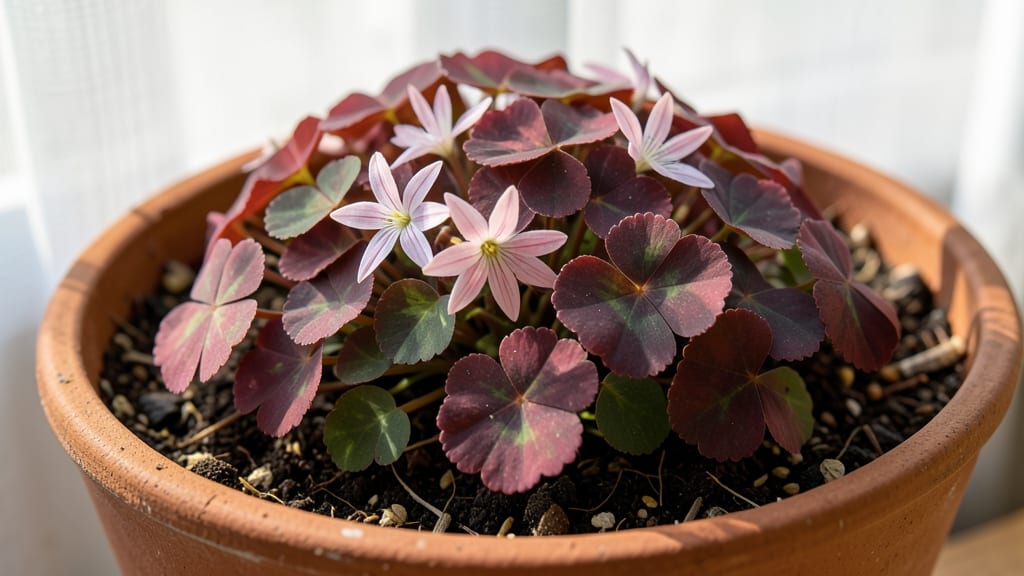
That red three-leaf plant (Oxalis triangularis) spreads like wildfire—when you do it right. 🌱 I’ve turned a single cutting into a whole shelf of these striking plants in just 6 weeks, and the secret isn’t complicated: it’s all about how you propagate them.
Most people give up after their first attempt because they don’t know the little tricks that speed up root growth.
You’ll need three things: a healthy mother plant, sharp scissors, and a jar of water—no fancy equipment required. The magic happens when you snip just below a leaf node and watch those roots appear in 7-10 days.
I’ve even done this with office plants, and coworkers now beg for cuttings. The key is keeping the water clean and the cutting warm, which I’ll walk you through step by step.
By the time you’re done, you’ll have a self-sustaining supply of these vibrant plants, perfect for shelves, hanging baskets, or even gifting. The leaves stay a deep, glossy red when happy, and they bounce back from minor neglect like champions. Plus, they’re non-toxic, so even pets can’t ruin your progress.
Whether you’re filling a sunny windowsill or a shady corner, this method works—indoors or out. Let’s get those roots growing fast and keep your collection thriving without the guesswork.
📚 In This Guide
- What you need
- Instructions
- Tips and common mistakes
- Wrapping up and next steps
What you need
- ● Healthy red three-leaf plant: A mature plant (or a cutting from one) with vibrant purple-red foliage. Look for stems with at least 3-4 leaves for best results.
- ● Sharp pruning shears or clean scissors: Sterilized to prevent disease (rubbing alcohol wipe works!).
- ● Well-draining potting mix: A blend of 50% peat moss or coconut coir, 30% perlite, and 20% vermiculite (or a cactus/succulent mix).
- ● Small pots or containers: 3-4 inch diameter with drainage holes (plastic or terracotta).
- ○ Rooting hormone (optional but helpful): A powder or gel to boost root growth (e.g., Clonex or similar).
- ● Clear plastic bag or humidity dome: To create a mini greenhouse effect (e.g., a plastic wrap or a propagator).
- ● Water spray bottle: For gentle misting (avoid soaking the cuttings!).
- ● Label markers or tags: To track propagation dates and varieties.
- ● Bright, indirect light source: A south- or east-facing window or a grow light (12+ hours/day).
- ● Patience (and a green thumb!): Root growth can take 2-4 weeks, depending on conditions.
- ● Bottom heat mat: Keeps soil 70-75°F for faster rooting.
- ● Fertilizer (diluted): A half-strength liquid fertilizer (e.g., fish emulsion) after roots form.
- ● Decorative pebbles or moss: For a stylish, moisture-retentive base in pots.
How to propagate red three leaf plants for rapid root development
Here's the method I use to get strong, healthy cuttings ready to root in just a few weeks.
🌱 Step 1: Select and Prepare Healthy Stem Cuttings
Choose stems with at least 3-4 leaves and no signs of damage or disease. The best cuttings come from the tips of healthy, mature plants. Use clean, sharp scissors to make a clean cut just below a leaf node—this is where roots will form. I like to work in the morning when the plant is well-hydrated.
Strip the lower leaves off the stem, leaving only the top 2-3 leaves. This reduces moisture loss and helps the cutting focus its energy on root growth. Dip the cut end in rooting hormone (optional but helpful for faster results). Here's the thing—if you skip this step, roots will still form, but it might take 2-3 weeks longer.
💧 Step 2: Plant Cuttings in Moistened Propagation Medium
Fill small pots with a mix of perlite and peat moss (or a pre-made propagation mix). Moisten the medium until it's damp but not soggy—you should be able to squeeze a handful and have just a few drops of water come out. I use 3-inch pots for each cutting to give roots plenty of space to develop.
Make a small hole in the center of the medium with your finger or a pencil. Insert the cutting about 1-2 inches deep, firming the medium gently around the stem to hold it in place. Don't pack it down too tightly, or you'll restrict root growth. Place the pots in a warm, bright location that gets indirect light—direct sun can stress the cuttings.
☀️ Step 3: Maintain Ideal Conditions for Root Growth
Keep the propagation medium consistently moist by misting lightly every 2-3 days or when the surface feels dry to the touch. You'll know moisture is right when the top inch looks slightly damp but not wet. I cover the pots with clear plastic bags to create a humid environment, which encourages faster root development. Remove the bags for 10-15 minutes daily to prevent mold.
Place the cuttings in a spot with warmth (around 70-75°F)—a heat mat can help if your home runs cooler. Roots typically form in 3-4 weeks, but you'll see new growth on the top leaves first. That's your signal that the cutting is establishing itself and roots are on their way.
✂️ Step 4: Test and Transplant Established Cuttings
After 4-6 weeks, gently tug on the stem to see if resistance indicates root growth. If the cutting stays firm, roots have likely formed. For a more precise check, carefully remove the cutting from the pot and inspect the base. You'll see small white or tan roots if everything went well.
Once roots are 1-2 inches long, transplant the cuttings into individual pots with regular potting mix. Water lightly after transplanting to help the roots settle in. Here's where it gets fun—watch the new leaves emerge within a week or two. That's your confirmation that the cutting has successfully rooted and is ready to grow into a full plant.
Tips & tricks for rapid red three leaf plant propagation
These little details make all the difference when you're racing against time to grow new plants quickly.
Timing Secret: Morning is your best window for Step 1 because that's when plants are fully hydrated from overnight watering. If you must work later, give the cuttings a quick rinse under cool water to refresh them—this helps maintain turgor pressure in the stem, which is crucial for root initiation. I've noticed cuttings taken in the afternoon often need an extra day to adjust before showing signs of root growth.
Medium Mix Matters: The perlite-to-peat moss ratio in Step 2 should be roughly 50/50 for optimal aeration. Too much peat can become compacted and suffocate roots, while too much perlite drains too quickly. I like to add a pinch of cinnamon to the mix—it's a natural antifungal that prevents mold while the cuttings establish. Just sprinkle it lightly over the medium before planting.
Humidity Hack: For Step 3, instead of just using plastic bags, I create a mini greenhouse effect by placing the pots inside a larger clear container with a loose lid. This maintains humidity while allowing airflow, which prevents that dreaded mold buildup. The 10-15 minute daily ventilation you remove the bags for is perfect—just enough to refresh the air without shocking the cuttings.
Root Growth Indicator: In Step 4, don't wait for the full 4-6 weeks to test roots. After about 3 weeks, gently tug on the stem—if you feel even slight resistance, roots have likely formed. The white or tan roots you'll see are actually new root hairs starting to form, which means your cutting is ready to transplant sooner than you might expect. This early check helps you avoid overcrowding in the propagation pots.
Pro Tips for Red Three Leaf Plant
- These little details make all the difference when you're racing against time to grow new plants quickly.
- Timing Secret: Morning is your best window for Step 1 because that's when plants are fully hydrated from overnight watering.
- Medium Mix Matters: The perlite-to-peat moss ratio in Step 2 should be roughly 50/50 for optimal aeration.
Frequently asked questions
What’s the best way to propagate a red three-leaf plant for fast root growth?
Use stem cuttings in water or moist soil. For speed, dip cuttings in rooting hormone (optional) and place in bright, indirect light. Roots typically appear in 2–3 weeks. Avoid overwatering—keep soil consistently moist but not soggy.
How long does it take for a red three-leaf plant to root in water?
Most cuttings sprout roots in 1–3 weeks, depending on temperature (ideal: 70–75°F) and light. Change the water every 3–5 days to prevent bacteria. Once roots hit 1–2 inches, transplant to soil!
Why aren’t my red three-leaf plant cuttings rooting?
Check these fixes:
- Low light? Move to brighter (but indirect) spot.
- Dirty water? Use filtered or distilled water.
- Overcrowded? Space cuttings 2+ inches apart.
- Rot? Trim mushy stems and replant. Patience—some varieties are slower!
Can I grow a red three-leaf plant from a single leaf?
Yes! Place the leaf petiole (stem) in water or soil. Avoid whole leaves—they won’t root. For best results, use a healthy, mature leaf and keep humidity high (a plastic bag helps). Roots may take 3–6 weeks.
What’s the ideal temperature for growing red three-leaf plants?
They thrive in 65–75°F during the day and 55–60°F at night. Avoid drafts or temps below 50°F, which can stunt growth. If indoors, keep away from AC vents or heaters—consistency is key!
Wrapping up and next steps
Growing a red three-leaf plant is a rewarding journey that blends patience with simple care—whether you're a seasoned gardener or just starting out! 🌱 With the right propagation techniques and a little attention to soil, light, and humidity, you’ll soon see those vibrant leaves thriving and even multiplying.
The key takeaway? Consistency and confidence—your plant will thank you for it!
Ready to watch your little green (or red!) family grow? Start by sharing your new cuttings with friends or expanding your collection—every healthy plant is a step toward a greener, happier space. Happy gardening! 🌿✨