
Blooming
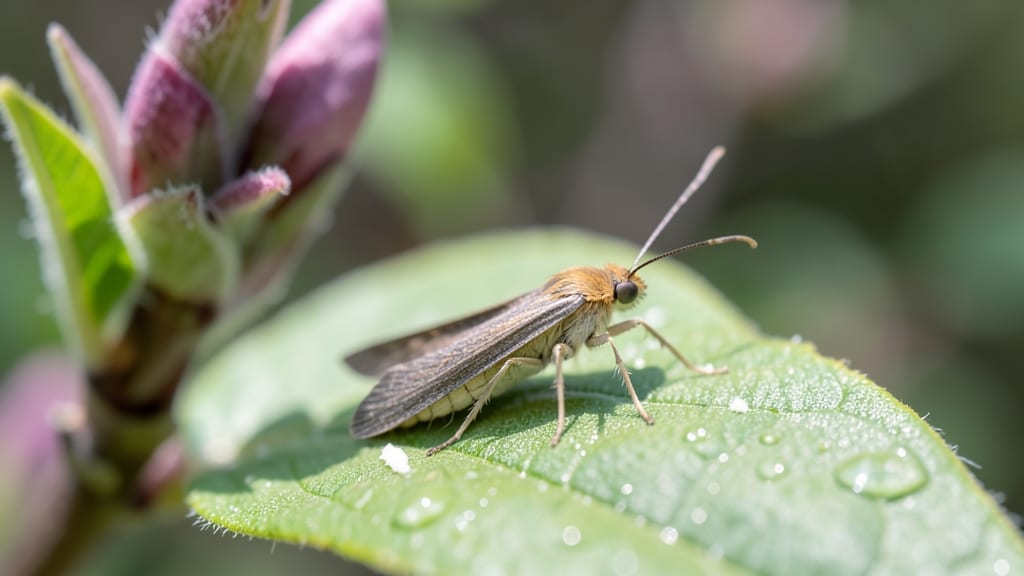
Your redbud tree’s crispy leaf edges aren’t just unsightly—they’re a redbud leaffolder moth’s calling card. 🌿 These tiny caterpillars roll leaves into protective tubes, leaving behind telltale brown, dried edges that stunt growth and weaken your tree over time.
I’ve watched this damage escalate from a few leaves to entire branches in just a season, and the good news? You can stop it without harsh chemicals.
The moth’s life cycle is sneaky: eggs hatch in spring, larvae feed for weeks, then pupate by summer. The real damage happens when caterpillars chew leaf edges, creating those crispy, brittle fronds that crumble at a touch.
Healthy trees fight back better, but stressed ones become easy targets—so think of this as both a pest problem and a tree health checkup.
Start by pruning infested leaves (drop them in a sealed bag, not the compost) and encouraging predators like birds and parasitic wasps. A neem oil spray every 2 weeks during active feeding—late spring to early summer—deters moths without harming pollinators.
For severe cases, bailey’s lures trap adult moths before they lay eggs, cutting the cycle short.
The key is early action: monitor leaves weekly, and act at the first sign of folded edges. Stronger trees resist damage better, so water deeply during droughts and fertilize lightly in early spring.
With these steps, your redbud can bounce back—crispy edges and all, just until you’ve broken the moth’s pattern.
Understanding the Culprit’s Behavior
The redbud leaffolder moth isn’t just a random pest—it’s a precision attacker with a life cycle finely tuned to exploit your trees. To stop it, you first need to grasp why it targets redbuds (and sometimes other trees) in the first place.
The moth’s behavior is driven by a mix of ecological triggers, plant chemistry, and seasonal timing. Let’s break down the key reasons behind its destructive habits.
The redbud leaffolder moth’s life cycle is perfectly synchronized with the growth phases of redbud trees (Cercis canadensis). Here’s how timing plays a role:
- Early Spring Emergence: Adult moths emerge in late winter to early spring (typically February–March in most regions) when redbud buds are just swelling. This is when the tree’s defenses are weakest, making it an ideal time for females to lay eggs.
- Leaf Unfolding Trigger: The moth’s larvae (caterpillars) hatch as the tree’s leaves begin to unfurl. They fold and tie young leaves together to create a protective shelter—this behavior isn’t random. It’s a survival tactic to hide from predators (like birds and parasitic wasps) while feeding on the tender, nutrient-rich leaf tissue.
- Redbud’s Chemical Appeal: Redbud leaves contain high levels of nitrogen and sugars during early growth, making them a nutritional powerhouse for hungry caterpillars. The moth has evolved to recognize these chemical signals, ensuring its offspring get the best possible food source.
Actionable Insight: If you notice damage in late winter or early spring, the moths are likely already active. Monitoring redbud buds during this window can help you intercept egg-laying before larvae cause damage.
The redbud leaffolder moth’s larvae don’t just eat leaves—they engineer them into portable shelters. This behavior serves three critical purposes:
- Predator Avoidance:
- Folded leaves create a microhabitat that’s harder for birds and insects to detect.
- The caterpillars tie leaves with silk, further camouflaging their presence among the tree’s foliage.
- Moisture and Temperature Regulation:
- The enclosed space helps maintain humidity, preventing the larvae from drying out.
- It also traps heat from sunlight, accelerating digestion and growth—especially important in cooler spring mornings.
- Feeding Efficiency:
- By folding leaves, larvae concentrate their food source, reducing exposure to wind and rain that could wash away nutrients.
- Their crispy-edge feeding pattern (where they eat along the leaf margins) is a signature trait—it maximizes surface area while minimizing the risk of falling out of the folded leaf.
Pro Tip: 🔍 Look for “tents” or rolled leaves in early spring—this is your first sign of an infestation. The earlier you spot them, the easier it is to disrupt their shelters (e.g., by gently unfolding leaves and dropping larvae into soapy water).
The redbud leaffolder moth’s activity isn’t just biological—it’s also highly responsive to environmental conditions. Here’s how your local climate can invite (or deter) an outbreak:
| Factor | How It Attracts Moths | How to Mitigate |
|---|---|---|
| 🌡️ Mild Winters | Warmer winters reduce natural die-off of overwintering pupae in leaf litter or bark crevices. | Rake up fallen leaves and debris in late fall to expose pupae to freezing temps. |
| ☔️ Early Spring Rains | Moisture softens redbud buds, making them easier for females to penetrate and lay eggs. | Use row covers or physical barriers on young trees during wet periods. |
| ☀️ Sudden Warm Spells | Rapid temperature rises trick moths into emerging early, catching trees off-guard. | Monitor degree-day accumulations (a tool used in pest forecasting) to predict outbreaks. |
| 🌳 Dense Plantings | Tightly grouped redbuds create ideal microclimates for moth survival and spread. | Space trees at least 10 feet apart to improve airflow and reduce humidity. |
Key Takeaway: The moth’s success hinges on disrupting at least one of these triggers. For example, combining leaf cleanup in fall with early spring monitoring can break its life cycle before it gains momentum.
Redbud trees aren’t just food—they’re a chemical buffet for the leaffolder moth. Here’s what makes them so appealing:
- Volatile Organic Compounds (VOCs):
- Redbuds emit specific scent signals (like linalool and terpinolene) that attract female moths for egg-laying.
- These compounds are most concentrated in new growth, which is why early-season damage is so severe.
- Low Tannin Content:
- Unlike oak or hickory leaves, redbuds have fewer defensive tannins, making them easier to digest.
- This gives larvae a nutritional advantage over other pests.
- High Water Content:
- Young redbud leaves are juicier than mature foliage, providing hydration alongside nutrients.
- This is why crispy-edge damage (where larvae eat the water-rich leaf margins) is so characteristic.
Organic Defense Strategy: 🌿 Some gardeners use neem oil or kaolin clay to disrupt the moths’ ability to detect these chemical cues. Applied in late winter, these sprays can confuse females and reduce egg-laying success.
Practical Fixes for Leaf Damage
Now that you understand the causes behind redbud leaffolder moth infestations, let’s tackle the solutions—organically and effectively. These fixes focus on reducing damage, preventing future outbreaks, and restoring your redbud tree’s health without harsh chemicals.
Catching the problem early is your best defense. The sooner you act, the less damage these caterpillars can cause.
- 🔍 Inspect leaves daily (especially in spring and summer) for folded edges or tiny white larvae. - 🧤 Handpick larvae by carefully unfolding affected leaves and dropping them into soapy water.
Wear gloves—some gardeners find this oddly satisfying! - 🌳 Prune heavily infested branches and dispose of them in sealed bags (not compost). This removes the moths’ food source and breeding grounds.
💡 Pro Tip: Focus on young trees first—they’re more vulnerable. Older redbuds can often bounce back with minimal intervention.
If the infestation spreads, these non-toxic sprays can help disrupt the moths’ life cycle without harming beneficial insects.
- 🥛 Neem Oil Spray (1–2% concentration)
- Mix 1 tbsp neem oil + 1 tsp mild soap + 1 quart water.
- Spray early morning or late evening (avoid direct sun—it can burn leaves).
- Reapply every 7–10 days until new growth appears.
- 🌿 Bacillus thuringiensis (Bt) – A Natural Bacteria
- A soil-dwelling bacterium that targets caterpillars but is harmless to humans and pets.
- Apply as a foliar spray when larvae are small (before they fold leaves).
- Best used preventatively in early spring.
- 🍋 Horticultural Oil or Insecticidal Soap
- Smothers soft-bodied larvae on contact.
- Spray directly on folded leaves and undersides where moths hide.
- ⚠️ Warning: Avoid spraying when bees are active (early morning or evening is safest).
🔥 Quick Fix: Combine neem oil + Bt for a two-pronged attack—neem disrupts feeding, while Bt kills larvae.
Moths rely on timing—break their cycle, and you break their power.
- 🕰️ Trap Adult Moths with Pheromone Lures
- Use redbud-specific pheromone traps (available at garden centers) to catch males before they mate.
- Place traps 10–15 feet high in the tree canopy for best results.
- 🌱 Encourage Natural Predators
- 🐦 Birds (like chickadees and warblers) love eating caterpillars—install a birdhouse or bird feeder nearby.
- 🐞 Parasitic wasps (tiny but mighty) lay eggs inside leaffolder moth larvae. Avoid pesticides to keep them around!
- 🌿 Plant Companion Species
- 🌼 Marigolds, dill, or tansy repel moths with their strong scents.
- 🍃 Lavender near your redbud can deter adult moths from laying eggs.
🎯 Prevention Strategy: If your tree was heavily damaged last year, prune in late winter (before moths emerge) to remove overwintering eggs.
A healthy tree is less appealing to pests. Strengthen your redbud’s defenses with these low-effort, high-impact steps.
| Action | How to Do It | Best Time |
|---|---|---|
| 💧 Deep Watering | Water slowly at the base (1–2 inches per week). Avoid wetting leaves to prevent fungal issues. | Spring & Summer |
| 🌿 Mulch Properly | Apply 2–3 inches of organic mulch (wood chips, straw) 3 inches away from the trunk. | Early Spring |
| 🍃 Fertilize Lightly | Use a balanced, slow-release fertilizer (10-10-10) in early spring. | March–April |
| ☀️ Prune for Airflow | Remove crossing or dense branches to improve circulation and reduce hiding spots. | Late Winter |
💡 Bonus Tip: If your tree is stressed (yellowing leaves, stunted growth), address nutrient deficiencies first—moths target weak trees!
- ❌ Avoid broad-spectrum pesticides (like malathion)—they kill beneficial insects and can harm pollinators.
- ❌ Don’t ignore the problem—small infestations can turn into full-blown defoliation if left unchecked.
- ❌ Skip the soapy water trick—if you handpick larvae, drown them immediately (they’ll wriggle free if you just toss them on the ground!).
By combining manual removal, organic sprays, and preventive care, you can minimize damage and keep your redbud thriving—without resorting to harsh chemicals. 🌳💚
Frequently asked questions
What do redbud leaffolder moth larvae actually look like?
Larvae are tiny, pale green to white caterpillars (about 1/4-inch long) with a distinctive dark head capsule. They become more noticeable when they fold leaves into protective tubes using silk threads. Look for crispy brown edges on leaves—this is their signature feeding pattern.
Can I use store-bought pheromone traps for redbud leaffolder moths?
Yes! While redbud-specific traps aren't always available, general leaffolder moth traps (like those for tent caterpillars) work well. Place them 10-15 feet high in your tree's canopy during late winter to early spring when adults emerge. Check traps weekly and dispose of caught moths in soapy water.
Will my redbud tree survive heavy damage from these moths?
Redbuds are surprisingly resilient! While severe defoliation can stress the tree, it rarely kills mature specimens. Focus on removing infested leaves and applying neem oil to break the moth's life cycle. Young trees may need more protection—consider light pruning to remove heavily damaged branches.
How often should I apply neem oil for best results?
Apply neem oil every 7-10 days during active feeding periods (spring to early summer). Mix 1 tbsp neem oil + 1 tsp mild soap + 1 quart water and spray early morning or late evening to avoid harming bees. For prevention, a monthly application during dormant seasons helps too.
Are there any plants that naturally repel redbud leaffolder moths?
Yes! Planting marigolds, dill, or tansy near your redbud creates a natural barrier. These plants emit strong scents that deter adult moths from laying eggs. Lavender also works well—its fragrance confuses the moths' navigation system. Place these companion plants within 3-5 feet of your tree for best results.