
Plants
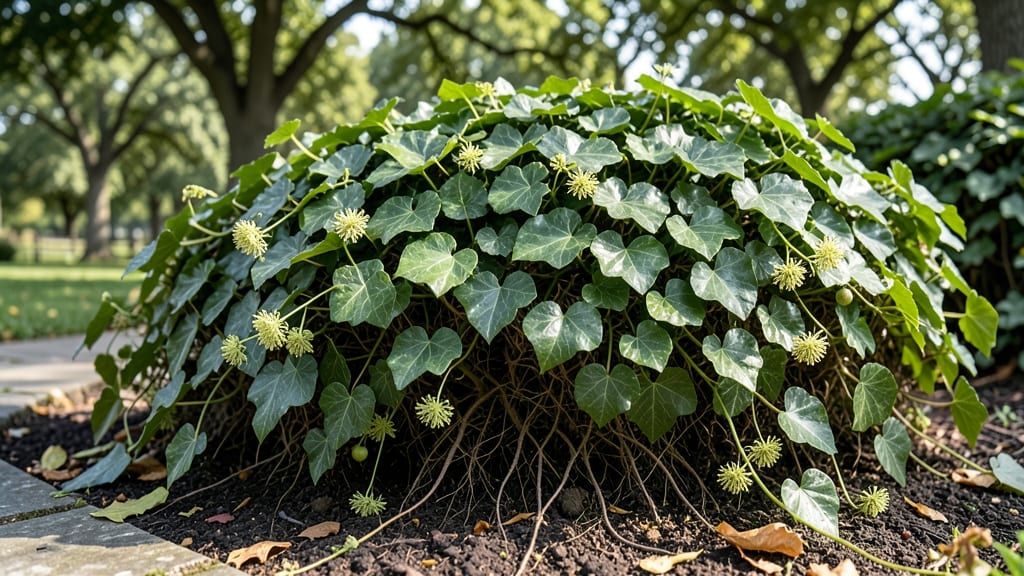
Fast root growth in round leaf vines is what separates a struggling plant from a thriving jungle corner. 🌿 Whether you're growing them in water or soil, the secret lies in mimicking their natural tropical habits—bright, indirect light, consistently moist (not soggy) conditions, and a little patience for those first few weeks when roots find their footing.
I've watched round leaf vines transform from delicate cuttings into wall-hugging giants in just 6-8 weeks with the right care. These aren't picky plants—they'll grow in a simple potting mix or even water alone, but they do need warmth (above 60°F) and humidity to really stretch those roots.
Think of them as the easygoing roommates of the plant world.
What you'll end up with is a plant that grows 3-6 inches per week under ideal conditions, perfect for filling empty corners, training along trellises, or even creating a living wall. The key is keeping the soil lightly moist (not wet) and fertilizing every 4-6 weeks with diluted houseplant food.
For troubleshooting, yellow leaves usually mean too much direct sun or overwatering—adjust and watch them bounce back in days. Whether you're working with pothos, philodendron, or another round-leaf variety, this approach works for all of them.
Root Troubles Explained
Understanding why your vine’s roots behave unexpectedly—whether they’re growing too fast in water or struggling in soil—boils down to a few key biological and environmental factors. Let’s break down the science behind these quirks so you can troubleshoot like a pro.
When your vine thrives in water but seems sluggish in soil, aeration and nutrient availability are the main culprits.
Vines like Hoya carnosa (commonly called round leaf vine) are epiphytes or semi-epiphytes in the wild, meaning they often grow attached to trees rather than deep in soil. In water, their roots get:
- Unrestricted oxygen: Waterlogged soil suffocates roots by displacing air, but a hydroponic setup (like a jar of water) lets roots breathe freely, accelerating growth.
- Direct nutrient access: Tap water contains trace minerals (like calcium and magnesium) that stimulate root expansion. Soil, however, requires microbes to break down organic matter—slowing nutrient release.
- No physical resistance: Soil particles create friction, slowing root elongation. Water offers zero resistance, so roots stretch rapidly to absorb what they can.
Actionable fix: If your vine grows too fast in water, switch to a well-draining soil mix (e.g., 60% peat moss, 30% perlite, 10% orchid bark) to mimic its natural habitat. Add a time-release fertilizer (like 10-10-10) every 2–3 months to compensate for slower nutrient uptake.
If your vine’s roots turn mushy or black in soil, excess moisture and fungal infections are likely the villains.
Vines with thick, fleshy roots (like round leaf varieties) are adapted to dry spells. When soil stays soggy:
- Oxygen depletion: Roots switch to anaerobic respiration (without oxygen), producing toxic byproducts like ethanol.
- Fungal overgrowth: Phytophthora and Pythium thrive in waterlogged conditions, clogging root cells and blocking nutrient flow.
- Nutrient leaching: Overwatering flushes away essential minerals, starving the plant even as the soil feels "wet."
Actionable fix:
- ✅ Test your soil: Stick a finger 2 inches deep—if it’s damp after 24 hours, you’re overwatering.
- ✅ Upgrade your pot: Use terracotta (which dries faster) or drill drainage holes if repotting.
- ✅ Adjust your routine: Water only when the top inch of soil is bone-dry. In winter, reduce to every 3–4 weeks.
Yellowing leaves or stunted roots in both water and soil often signal micronutrient deficiencies, especially in synthetic growing mediums.
Vines rely on a balanced diet of:
| Nutrient | Role | Deficiency Signs |
|---|---|---|
| Nitrogen (N) | Leaf/root development | Pale yellow leaves, slow growth |
| Phosphorus (P) | Root strength, flowering | Purple stems, weak roots |
| Potassium (K) | Water regulation, disease resistance | Brown leaf edges, mushy roots |
| Magnesium (Mg) | Chlorophyll production | Interveinal yellowing (like a spiderweb) |
Actionable fix: For water-grown vines, use a liquid fertilizer (like Dyna-Gro Foliage-Pro) diluted to half-strength weekly. For soil, switch to an organic compost (like worm castings) and top-dress with egg shells (crushed for calcium) or banana peels (for potassium) every 2 months.
Extreme conditions—whether too hot, too cold, or uneven light—can shock roots into erratic growth patterns.
Vines like round leaf varieties prefer:
- 60–75°F (15–24°C) daytime temps and no lower than 55°F (13°C) at night.
- Bright, indirect light (east or north-facing windows). Direct sun can scorch roots in soil, while water-grown roots may overheat in clear jars.
Actionable fixes:
- 🌡️ Regulate temps: Avoid drafts (AC vents, heaters) near your plant. Use a heat mat in winter if roots slow down.
- ☀️ Adjust light: Rotate your vine weekly for even exposure. In low light, supplement with a grow light 6–8 inches away for 12 hours/day.
Hidden pests or diseases can sap root energy, causing weak growth or sudden die-off.
Watch for:
- Root-knot nematodes: Microscopic worms that form galls on roots, blocking water uptake. Sign: Stunted growth despite proper care.
- Scale insects: Sap-sucking pests that leave sticky residue (honeydew) on roots, attracting mold.
- Bacterial soft rot: Causes roots to smell foul and collapse. Sign: Black, watery lesions.
Actionable fix:
- 🔍 Inspect roots: Rinse roots under running water and check for pests. Prune affected areas with sterilized scissors.
- 💊 Treat soil: Drench with neem oil (1 tsp per gallon of water) or hydrogen peroxide (3%) to kill fungi/bacteria.
- 🌱 Repot carefully: Use sterilized soil (bake at 200°F for 30 mins) and avoid overcrowding.
Fixing common round leaf vine issues
Growing a lush, vibrant round leaf vine (like Hedera helix or Cissus rotundifolia) can be incredibly rewarding, but sometimes problems like slow growth, yellowing leaves, or leggy stems can leave you scratching your head. 🌱 The good news?
Most issues have simple fixes—let’s tackle them step by step with practical solutions and prevention tips to keep your vine thriving.
Cause: Overwatering, underwatering, or poor drainage. Fix:
- Adjust watering habits: Let the top 1–2 inches of soil dry out between waterings. Stick your finger in the soil—if it’s soggy, hold off; if it’s bone-dry, it’s time to water. 💧
- Check drainage: Ensure pots have drainage holes and use well-draining soil mixed with perlite or sand.
- Trim affected leaves: Snip off yellow/brown leaves with clean scissors to redirect energy to healthy growth.
Prevention:
- Use a moisture meter for consistency.
- Choose pots with drainage or grow in hanging baskets for better airflow.
Cause: Low light, nutrient deficiency, or root-bound conditions. Fix:
- Boost light exposure: Move your vine to a brighter spot (indirect sunlight is ideal). South- or west-facing windows are perfect. 🌞
- Fertilize regularly: Use a balanced liquid fertilizer (like 10-10-10) every 4–6 weeks during spring and summer.
- Repot if needed: If roots are circling the pot, upgrade to a slightly larger container with fresh soil.
Prevention:
- Rotate the pot occasionally for even light exposure.
- Feed with a slow-release fertilizer in winter to sustain growth.
Cause: Spider mites, aphids, or mealybugs thrive in dry or crowded conditions. Fix:
- Isolate the plant to prevent spreading. 🛑
- Wipe leaves with a damp cloth or spray with neem oil (a natural pesticide).
- Introduce beneficial insects like ladybugs or lacewings for organic control.
Prevention:
- Mist leaves regularly to deter pests.
- Inspect new plants before bringing them indoors.
Cause: Lack of light or over-fertilizing with nitrogen. Fix:
- Prune leggy stems: Trim back overlong vines to encourage bushier growth. Use clean shears and cut just above a leaf node. ✂️
- Provide support: Train vines on a trellis or stakes to grow upward naturally.
- Balance nutrients: Switch to a low-nitrogen, high-phosphorus fertilizer to promote flowering and stronger stems.
Prevention:
- Place your vine near a window or under grow lights.
- Avoid heavy-handed fertilizing—follow package instructions.
Cause: Rot in water or compacted soil, leading to weak roots. Fix: For water-grown vines:
- Refresh the water every 1–2 weeks to prevent stagnation and bacterial growth. 💦
- Trim mushy roots and replant in fresh water with a rooting hormone if needed.
For soil-grown vines:
- Loosen soil gently around roots to improve aeration.
- Add compost to enrich the soil and encourage healthy root development.
Prevention:
- Use filtered or distilled water for hydroponic setups.
- Avoid overpacking soil—keep it fluffy for root expansion.
Pro Tip: 💡 Always use sterilized tools when pruning to avoid spreading disease. A quick rub with rubbing alcohol between cuts works wonders!
With these fixes, your round leaf vine should bounce back stronger than ever. Consistency is key—monitor conditions regularly, and don’t hesitate to adjust care as needed. Happy growing! 🌿✨
Frequently asked questions
What are the most common types of round leaf vines?
Popular varieties include Hoya carnosa (common wax plant), Hedera helix (English ivy), and Cissus rotundifolia (round-leaf cissus). Each has slightly different care needs, but all thrive in bright, indirect light and well-draining soil. For water propagation, Hoya varieties are especially responsive.
Can I grow round leaf vines in water permanently?
While many vines start in water, they eventually need soil for long-term health. After roots reach 2–3 inches, transplant to a mix of peat moss and perlite. Some varieties (like pothos) adapt well to water long-term, but most round leaf types grow stronger in soil with occasional water soaks.
Why are my vine's leaves turning yellow?
Yellowing leaves usually mean overwatering or poor drainage. Let the top inch of soil dry between waterings and ensure your pot has drainage holes. Check for root rot by gently removing the plant—healthy roots are firm, while mushy roots need trimming and fresh soil.
How often should I fertilize my round leaf vine?
Use a balanced liquid fertilizer (like 10-10-10) every 4-6 weeks during spring and summer. Reduce to monthly in fall and avoid fertilizing in winter. For water-grown vines, use half-strength fertilizer weekly to prevent nutrient buildup.
Can I propagate round leaf vines from cuttings?
Take 4–6 inch cuttings with at least 2 leaves and place them in water or moist soil. Roots typically appear in 2-4 weeks if kept in warm, bright (but indirect) light. Change water weekly to prevent bacterial growth.