
Plants
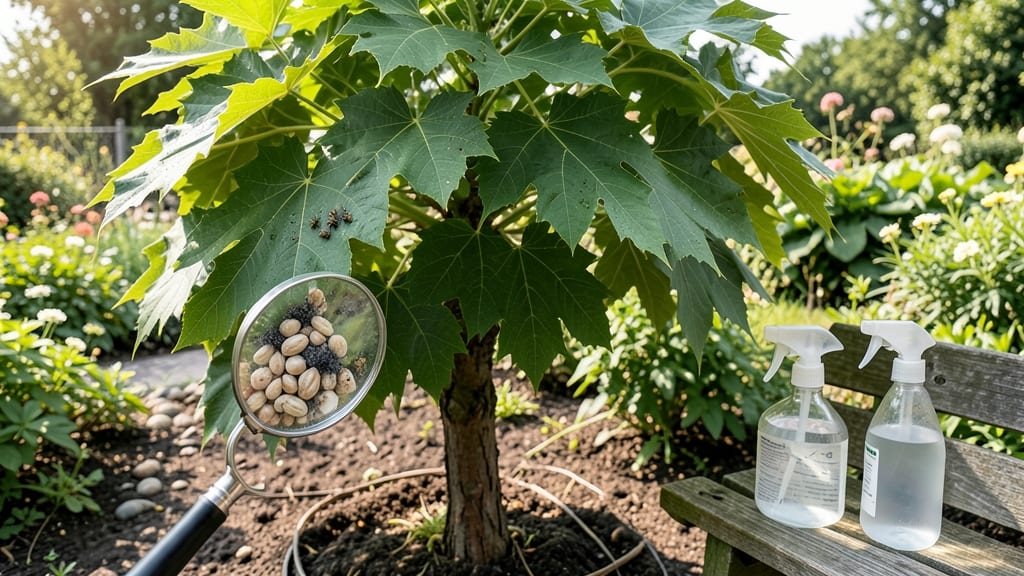
Your citrus tree’s leaves look like they’ve been kissed by scale like the leaf frost—not winter, but scale insects turning them crispy at the edges. 🌿 I’ve seen this nightmare spread from a single branch to the whole plant in weeks, and the good news is copper spray can bring them back to life if you act fast.
The first step is identifying the culprits—tiny brown or white bumps stuck to leaves or stems, often clustered where leaves meet branches. These sap-sucking pests weaken plants by draining nutrients, leaving crispy edges and sticky honeydew that attracts ants.
My lemon tree went from lush to sad in a month until I caught this early.
Copper spray disrupts their life cycle while being safe for most plants (just avoid edible parts until it dries). You’ll need 1 tablespoon of copper sulfate per gallon of water, a spray bottle, and patience—repeat every 7-10 days until new growth appears.
The first spray might look dramatic, but within 2-3 weeks, you’ll see fresh green leaves pushing through.
Prevention is easier than cleanup: inspect new plants, wipe down branches with soapy water, and introduce ladybugs or lacewings—they eat scale naturally. If your plant’s already struggling, don’t wait—this method works best before the pests take over entirely.
📚 In This Guide
- What you need
- Instructions
- Tips and common mistakes
- Wrapping up and next steps
What you need
- ● Copper fungicide spray (organic or synthetic, e.g., Copper Soap or Bordeaux Mixture—ensure it contains 1-2% copper): Quantity: 8–16 oz (240–475 mL) per application (adjust based on plant size)
- ● Specification: USDA-approved for organic gardening if preferred
- ● Spray bottle or pump sprayer (preferably 1–2 gallon capacity for even coverage)
- ● Gloves (nitrile or rubber, to avoid skin irritation from copper)
- ● Pruning shears (sterilized with 70% isopropyl alcohol)
- ● Misting spray bottle (filled with room-temperature water for post-treatment hydration)
- ● Newspaper or drop cloth (to protect surfaces during application)
- ● Neem oil (1 tsp per quart of water) – for added fungal protection
- ● Humidity tray (to maintain moisture post-treatment)
- ● Plant-safe fungicide (e.g., Serenade Garden) for stubborn cases
- ● Magnifying glass (to inspect leaves for hidden damage)
Step-by-Step instructions for treating scale-like leaf damage
Reviving crispy-edged leaves starts with copper spray—here's how to do it right.
🌿 Step 1: Identify and Isolate the Problem
Examine the affected plant closely. Scale-like damage often appears as brown, crispy edges on leaves, sometimes accompanied by tiny white or black spots (scale insects). Gently tap the leaves over a white surface—if you see tiny crawling insects or white flakes, you've confirmed a scale infestation.
Isolate the plant immediately to prevent spreading. Place it in a separate area with good airflow, away from other plants. This is critical because scale insects multiply rapidly and can jump to nearby foliage. If you have multiple plants showing symptoms, treat them all simultaneously to avoid reinfestation.
💧 Step 2: Prepare the Copper Spray Solution
Mix 1 tablespoon of copper fungicide (like copper sulfate or copper soap) with 1 gallon of water in a clean spray bottle or pump sprayer. Shake well to dissolve completely. Copper works by disrupting the cell walls of fungi and insects, making it effective against both scale insects and the secondary fungal infections that often cause crispy edges.
Test the spray on a small, inconspicuous leaf first to ensure it doesn't cause excessive browning. The solution should be applied until the leaves glisten but don't drip. Avoid spraying in direct sunlight, as this can cause leaf burn. Early morning or late afternoon is ideal for treatment.
✂️ Step 3: Apply the Spray Thoroughly
Hold the spray bottle 8-12 inches away from the leaves and apply until both the upper and lower surfaces are evenly coated. Focus on the crispy edges and any visible scale insects. A fine mist ensures better coverage without clogging the leaf pores. Repeat the process every 7-10 days for at least 3-4 weeks to break the scale life cycle.
After spraying, avoid watering the plant for 24 hours to allow the copper to fully absorb. If the plant is outdoors, treat on a calm day to prevent wind from dispersing the spray onto unintended plants. Wear gloves and protective eyewear, as copper can irritate skin and eyes.
☀️ Step 4: Support Recovery with Proper Care
Increase humidity around the plant by placing the pot on a tray filled with pebbles and water (ensuring the pot doesn't sit directly in water). This mimics the plant's natural environment and helps crispy edges rehydrate. Alternatively, group the plant with others to create a microclimate with higher moisture levels.
Adjust watering habits—scale insects thrive in stressed plants. Water deeply once a week (or when the top 2 inches of soil feel dry), ensuring the soil drains well to prevent root rot. Avoid overhead watering, which can spread scale insects and fungal spores. Use a drip irrigation system or water at the base of the plant instead.
🌱 Step 5: Monitor and Prevent Future Damage
Check the plant daily for new scale activity or crispy edges. Healthy new growth should appear within 2-3 weeks of consistent treatment. If you notice yellowing leaves or wilting, reduce watering slightly—the plant may be overcompensating for stress.
Introduce beneficial insects like ladybugs or lacewings to the area to naturally control scale populations. These predators feed on scale insects without harming your plants. Also, prune any severely damaged leaves with clean, sharp scissors to encourage new growth. Dispose of pruned leaves in sealed bags to prevent reinfestation.
Tips & tricks for reviving crispy leaf edges
Here's what nobody tells you about fixing those unsightly brown edges—these tricks make all the difference.
Precision Spray Application: When you're applying the copper spray in Step 3, focus on the undersides of leaves too—this is where scale insects often hide. Use a gentle back-and-forth motion with your spray bottle to ensure even coverage. The key is to create a fine mist that coats both surfaces thoroughly without oversaturating. I like to work in sections, spraying one side completely before flipping the leaf to treat the other. This method prevents missed spots where scale might linger.
Timing Secret for Maximum Absorption: The 24-hour waiting period after spraying is non-negotiable, but here's the real trick: if you're treating multiple plants, stagger your applications. Spray one plant, then wait 24 hours before moving to the next. This gives each plant uninterrupted time for the copper to work while keeping your schedule manageable. Also, avoid misting the plant during this period—even light moisture can dilute the copper's effectiveness.
Humidity Hack for Faster Recovery: For plants showing severe crispy damage, try this extra step after Step 4: place a shallow tray of water near the plant (not touching the pot) and cover both with a clear plastic bag. Leave it for 1-2 hours daily to create a mini greenhouse effect. This boosts humidity dramatically, helping the leaves rehydrate faster. Just remove the bag before spraying again to prevent fungal growth from excess moisture. I've seen crispy edges soften noticeably within 48 hours using this method.
Pro Tips for Scale Like Leaf
- Here's what nobody tells you about fixing those unsightly brown edges—these tricks make all the difference.
- Precision Spray Application: When you're applying the copper spray in Step 3, focus on the undersides of leaves too—this is where scale insects often hide.
- Timing Secret for Maximum Absorption: The 24-hour waiting period after spraying is non-negotiable, but here's the real trick: if you're treating multiple plants, stagger your applications.
Frequently asked questions
Got questions about reviving your plants with a scale-like leaf rescue using copper spray? You’re not alone! Here are some of the most common queries—plus quick, actionable answers to get your foliage back on track.
What causes scale-like leaves in the first place?
Scale-like leaves (or crispy, brown edges) are usually caused by underwatering, low humidity, or over-fertilizing. Pests like spider mites or fungal issues (like powdery mildew) can also trigger this stress response. Copper spray helps by boosting plant immunity and addressing underlying stress.
How soon will I see results after applying copper spray?
Results vary by plant, but most show improvement within 7–14 days. New growth should appear healthier, and existing damage may slow or stop spreading. For severe cases, repeat the spray every 7–10 days until leaves recover. Patience is key—plants heal at their own pace!
Is copper spray safe for all plants?
Copper spray is organic and non-toxic for most plants, but avoid using it on edible leaves (like lettuce or spinach) within 2 weeks of harvest. Test on a small area first—some sensitive plants (e.g., ferns or calatheas) may react poorly. Always dilute as directed!
What’s an alternative if copper spray doesn’t work?
If copper spray fails, try these next steps:
- Neem oil spray (natural antifungal/fungicide)
- Adjusting watering/humidity (mist leaves or use a pebble tray)
- Pruning severely damaged leaves to redirect energy
- Repotting in fresh, well-draining soil if root issues are suspected
Can I overuse copper spray?
Yes! Overapplying copper can burn leaves or disrupt soil microbes. Stick to the recommended dilution (usually 1 tsp per gallon of water) and limit use to every 2–4 weeks unless treating a severe infestation. Always rinse leaves lightly after 24 hours to prevent buildup.
Pro Tip:
Pair copper spray with consistent care for best results. Move plants to indirect light, water at the soil level (not leaves), and avoid drafts. Healthy habits + copper = a leaf revival!
Wrapping up and next steps
Reviving your scale-like leaf plants with copper spray is a game-changer for crispy edges—simple, effective, and eco-friendly! 🌿 With the right tools and a little patience, you can restore that lush, healthy glow to your greenery. Don’t let browned edges hold you back—your plants deserve a second chance!
Ready to take action? Start by monitoring your plants weekly and adjusting your copper spray routine as needed. Celebrate small wins—every revived leaf is a victory! For extra care, explore organic fertilizers to boost overall plant resilience. Your green thumb is growing stronger every day! 🌱