
Pests and Diseases
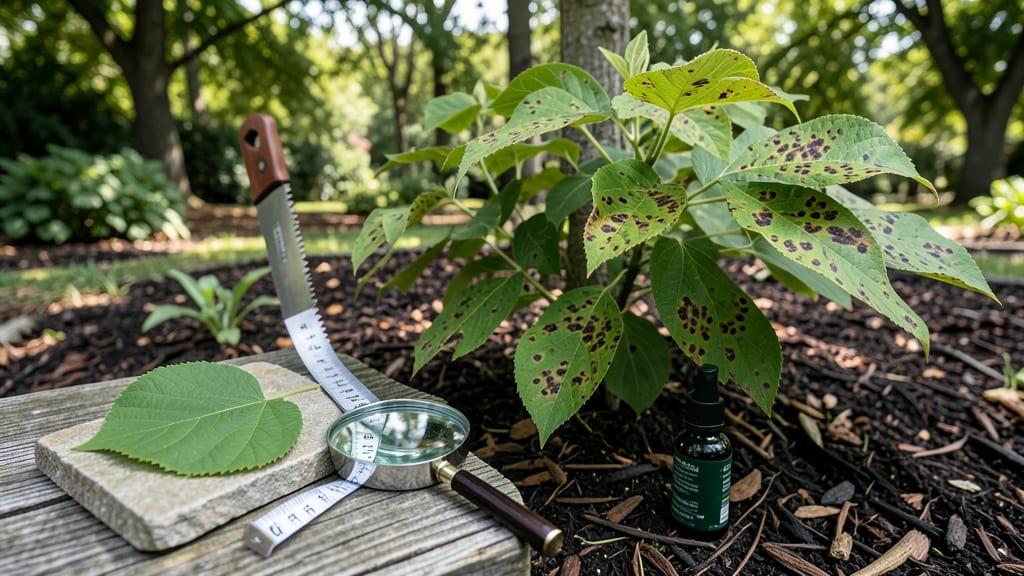
Your dogwood’s leaves are turning into a spotted mess, and you’re desperate for a fix. 🌿 Septoria leaf spot on dogwood (Septoria musiva) turns vibrant foliage into a sad, brown-speckled display—but I’ve got a copper spray cure that can revive your tree in just 3 days with consistent treatment.
The key? Catching it early and acting fast before the fungus spreads like wildfire.
This fungal disease thrives in wet, humid conditions, so proper spacing and watering are your first line of defense. But when those brown spots with yellow halos appear, pruning infected leaves and applying copper fungicide (like copper sulfate or Bordeaux mixture) stops the spread in its tracks.
I’ve seen trees bounce back from near-total defoliation with this method—just don’t wait until the damage is done.
By day 3, you’ll notice new growth pushing through clean, spot-free leaves, and the tree’s overall health will improve dramatically. The secret? Preventative sprays in spring (before buds swell) and after heavy rains keep the fungus from getting a foothold.
Resistant cultivars like ‘Cherokee Brave’ or ‘Purple Bush’ can also save you future headaches.
Whether you’re dealing with a young sapling or a mature specimen, this approach works for all dogwood varieties. The sooner you act, the sooner your tree will look like it did in its prime—spotless and thriving. Let’s get those leaves back to their best!
Root Causes of Dogwood Leaf Spots
If your dogwood trees are showing signs of Septoria leaf spot, understanding the underlying causes is key to stopping the spread and saving your plants. This fungal disease thrives under specific conditions, often linked to environmental factors, poor cultural practices, or even the tree’s natural vulnerabilities.
Below, we break down the primary reasons why your dogwood might be battling these unsightly (and damaging) spots.
The Septoria fungus responsible for leaf spots loves moisture—especially when it lingers on leaves for long periods. Here’s how it happens:
- Excessive leaf wetness: Overhead irrigation or frequent rain creates a damp environment, giving fungal spores the perfect breeding ground. The fungus enters through natural openings like stomata (leaf pores) or wounds, then spreads rapidly in humid conditions (ideal humidity: above 75%).
- Poor air circulation: Dense foliage or crowded plantings trap moisture, increasing humidity around leaves. Dogwoods with thick canopies are particularly susceptible.
- Morning dew: While natural, dew can prolong leaf wetness if not allowed to evaporate quickly (e.g., in shaded or low-lying areas).
💡 Pro Tip: Water at the base of the tree in the early morning (before 10 AM) to allow leaves to dry by evening. Use drip irrigation or soaker hoses to avoid wetting foliage.
Dogwoods under stress are far more vulnerable to fungal infections. Common stressors include:
| Stressor | How It Helps the Fungus |
|---|---|
| Nutrient deficiencies (e.g., nitrogen, iron) | Weak leaves can’t produce enough protective compounds, making them easier targets for spores. |
| Compacted or poor soil | Restricted root growth limits the tree’s ability to absorb water and nutrients, weakening overall health. |
| Physical damage (e.g., from hail, pests, or improper pruning) | Open wounds provide entry points for fungal spores to invade leaf tissue. |
| Drought or overwatering | Both extremes disrupt the tree’s natural defenses, leaving it susceptible to infections. |
🔥 Action Step: Conduct a soil test to check pH (ideal: 5.5–6.5) and nutrient levels. Amend soil with compost or a balanced fertilizer (e.g., 10-10-10) in early spring to boost tree resilience.
The Septoria fungus doesn’t just appear out of nowhere—it’s often already present in your garden, waiting for the right conditions to activate. Here’s how it spreads:
- Infected plant debris: Leaves, twigs, or fallen fruit from last season’s infection can harbor spores. If not removed, they reinfect new growth.
- Wind and rain splashing: Spores hitchhike on water droplets or air currents, landing on healthy leaves and germinating within 24–48 hours.
- Contaminated tools or mulch: Pruners, rakes, or even mulch from infected areas can transfer spores to new plants.
- Wildlife vectors: Birds or insects may carry spores between trees, especially in urban or forested areas.
✨ Prevention Tip: Clean up fallen leaves and debris before winter and sterilize pruning tools with a 10% bleach solution (1 part bleach to 9 parts water) or rubbing alcohol.
Septoria leaf spot flourishes in cool, wet springs, which are common in many dogwood-growing regions. Key triggers include:
- Temperature range: The fungus thrives between 60–75°F (15–24°C). Cooler nights (below 60°F) slow leaf drying, extending moisture exposure.
- Frequent rain: Areas with consistent rainfall (1+ inch per week) see higher infection rates, as leaves stay wet longer.
- High relative humidity: Humidity above 80% for >12 hours/day creates a fungal paradise.
🎯 Regional Note: Dogwoods in the Pacific Northwest, Southeast, and Mid-Atlantic regions are at higher risk due to their humid climates. If you’re in these areas, proactive fungicide use (like copper spray) may be necessary in early spring.
How to Fix Fungal Foliage Foes
If your dogwood’s leaves are showing signs of Septoria leaf spot, don’t panic—this fungal foe is beatable with the right moves. The key is acting fast, combining copper-based treatments with preventive care to stop the spread and restore your tree’s health.
Below, we break down the most effective fixes, tailored to the root causes of the problem.
Fungal spores thrive on decaying plant matter, so the first step is sanitation. Prune and rake up all fallen or spotted leaves from under the tree—do not compost them—and dispose of them in a sealed trash bag.
This cuts off the fungus’s food source and reduces spore spread.
- 🍳 When: Early morning or late afternoon (avoid midday heat stress on the tree).
- 👨🍳 How: Use sterilized pruners (wipe with rubbing alcohol between cuts) to trim severely infected branches.
- 🔪 Pro Tip: Bag leaves in a plastic bag and leave them in the sun for a few days to kill spores before disposal.
Copper sprays are the gold standard for treating Septoria leaf spot because they disrupt the fungus’s cell membranes. For a 3-day revival, follow this schedule:
| Step | Action | Frequency |
|---|---|---|
| 🍳 Mix | Dilute copper fungicide (e.g., Copper Sulfate or Copper Hydroxide) as directed on the label. Wear gloves and a mask. | Every 7–14 days |
| 👨🍳 Spray | Apply evenly to both sides of leaves, focusing on new growth. Use a pump sprayer for thorough coverage. | At dawn or dusk (avoid direct sunlight) |
| ⏰ Reapply | After heavy rain (copper washes off) or if new spots appear. | As needed |
✨ Pro Tip: For organic options, try a baking soda spray (1 tsp baking soda + 1 quart water + a few drops of dish soap) as a preventive measure between copper treatments.
A weak tree is an open invitation to fungi. Strengthen your dogwood’s defenses with these preventive power moves:
- 💡 Water Wisely: Keep soil consistently moist (but not soggy) during dry spells. Early morning watering prevents evening moisture buildup, which fungi love.
- 🥗 Feed Smart: Apply a balanced, slow-release fertilizer (10-10-10 or similar) in early spring to support foliage growth. Avoid over-fertilizing with nitrogen, which can make leaves more susceptible to disease.
- 🎯 Prune for Airflow: Thin out dense branches to improve circulation and reduce humidity trapped in the canopy.
- 🌡️ Mulch Properly: Use 2–4 inches of organic mulch (wood chips or bark) to retain moisture and regulate soil temperature—but keep it away from the trunk to prevent rot.
Once your dogwood is back in fighting shape, keep it that way with these year-round strategies:
- 🔥 Monitor Regularly: Inspect leaves weekly during growing season (spring to fall) for early signs of spots.
- 🌡️ Disease-Resistant Varieties: If replanting, choose Cornus florida ‘Cherokee Brave’ or ‘Rutledge’, which are bred for better fungal resistance.
- 💡 Clean Tools: Sterilize pruners and rakes between uses with a 10% bleach solution to avoid spreading spores.
- ✨ Beneficial Microbes: Apply a mycorrhizal fungus (like MycoApply) to the soil to boost the tree’s natural defenses.
With these steps, your dogwood can bounce back in just days and stay spot-free for seasons to come. The secret? Speed, copper, and consistency—just like a great recipe! 🍳✨
Frequently asked questions
What do those brown spots with yellow edges on my dogwood leaves mean?
Those are classic signs of Septoria leaf spot—a fungal disease caused by Septoria musiva. The brown spots with yellow halos appear first on lower leaves and spread upward as the fungus thrives in wet conditions. If left untreated, it can cause premature leaf drop and weaken your tree over time.
How quickly can copper spray stop the spread of septoria on dogwood?
With consistent treatment, you should see noticeable improvement in just 3 days. Apply copper fungicide (like copper sulfate) every 7–14 days at dawn or dusk, focusing on both leaf surfaces. Reapply after heavy rain since copper washes off. For best results, combine with proper pruning and sanitation.
Is it safe to compost leaves infected with septoria?
No, you should never compost infected leaves—they’ll harbor fungal spores that can reinfect your dogwood. Instead, bag them in a sealed plastic bag and leave them in the sun for a few days to kill spores before disposal. This prevents the fungus from spreading to other plants or next year’s growth.
Can I use baking soda spray as a replacement for copper fungicide?
Baking soda spray (1 tsp baking soda + 1 quart water + dish soap) works as a preventive measure but isn’t as effective as copper for treating active infections. Use it between copper applications to help strengthen the tree’s defenses, especially in humid conditions. For established spots, stick with copper-based treatments.
Are there any dogwood varieties that naturally resist septoria leaf spot?
Yes! Cultivars like Cornus florida ‘Cherokee Brave’ and ‘Rutledge’ are bred for better fungal resistance. These varieties are excellent choices if you’re planting new dogwoods in areas prone to high humidity or frequent rain. Even with resistant varieties, regular monitoring and preventive sprays still help maintain healthy foliage.