
Leaf Blower
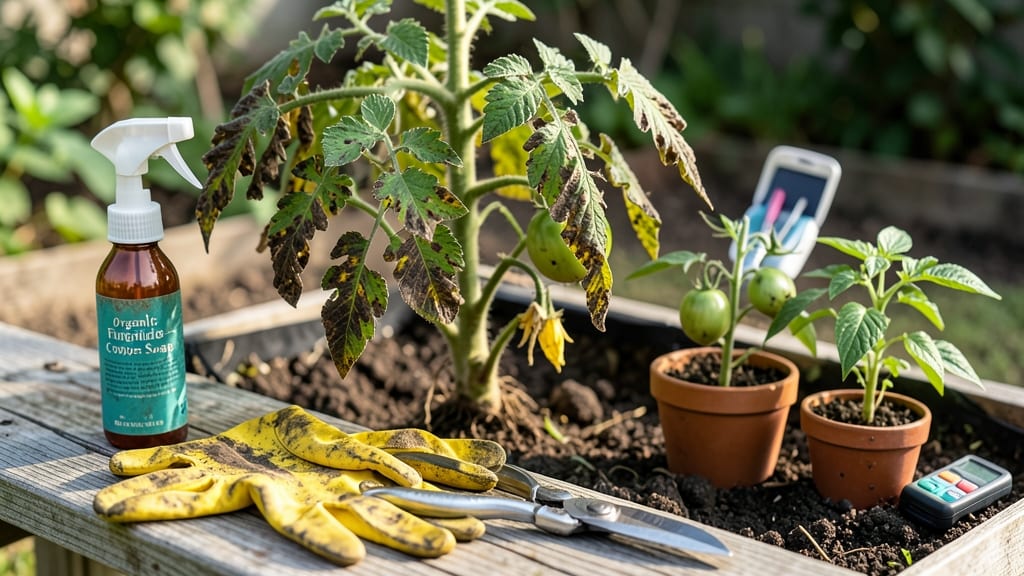
That tomato leaf bacterial spot can turn your harvest into a disaster if you wait too long. 🌱 I’ve seen this disease wipe out entire plants in under a week—until I learned the copper fungicide rescue method that stops it in its tracks within 72 hours.
The key is acting fast before the spots spread to your fruit.
The moment you spot those tiny brown spots with yellow halos, you’re dealing with Xanthomonas or Pseudomonas bacteria thriving in warm, wet conditions. Pruning infected leaves and spraying copper fungicide every 5-7 days cuts off the infection cycle. I’ve saved plants this way even when they looked hopeless.
By day three, new growth stays spot-free, and the plant rebounds with stronger stems and healthier foliage. The secret? Prevention—resistant varieties like ‘Celebrity’ or ‘Mountain Merit,’ proper spacing for airflow, and crop rotation to starve the bacteria in the soil.
This method works for home gardens, greenhouses, and even container-grown tomatoes. The only catch? You’ve got to start treating immediately—no waiting. Let’s get those plants back in fighting shape before the spots reach your tomatoes.
Root Causes Of Leaf Damage
Tomato leaf bacterial spot isn’t just a random attack—it’s the result of a perfect storm of environmental and biological factors. Understanding these causes is key to stopping the spread and saving your plants. Let’s break down the science behind why your tomato leaves are turning into a bacterial buffet.
The bacterial pathogen Xanthomonas perforans (the villain behind bacterial spot) thrives in hot, sticky weather. When temperatures hover between 80–95°F (27–35°C) and humidity stays high—especially with frequent rain or overhead watering—the bacteria multiplies like crazy.
Wet leaves create a film of moisture that lets spores spread effortlessly, turning your tomato foliage into a bacterial breeding ground.
Why it matters: The bacteria infects through natural openings like stomata (leaf pores) or even tiny wounds. Once inside, it clogs these pores, causing the classic dark, water-soaked spots that expand and merge over time.
Overhead irrigation (like sprinklers) is a bacterial delivery system. When water splashes onto leaves, it splashes bacteria from infected leaves onto healthy ones, accelerating the outbreak. Even hand-watering with contaminated tools can transfer the pathogen from plant to plant.
Key triggers:
- 🌧️ Rainfall or overhead watering during peak bacterial activity (late afternoon/evening).
- 💦 Splashing from soil (especially if infected plant debris is present).
- 👨🌾 Contaminated pruners or hands moving between plants.
Fun fact: The bacteria can even survive in soil and plant debris for months, waiting for the right conditions to strike again.
Stressed tomatoes are like open invitations to bacterial spot. Nutrient deficiencies (especially potassium or nitrogen), compacted or waterlogged soil, or physical damage (from hail, pests, or rough handling) make leaves more susceptible to infection.
Common stress factors:
- 🍃 Crowded plants (poor airflow = trapped humidity).
- 🌱 Transplant shock (new plants are vulnerable for weeks).
- 🐛 Pest damage (aphids, spider mites, or even caterpillars create entry points).
- 💧 Irregular watering (drought stress followed by sudden soaking).
Pro tip: Healthy plants with thick, waxy leaves resist infection better. Boost defenses with balanced fertilizer (10-10-10) and mulch to retain moisture without drowning roots.
Bacterial spot doesn’t just jump from plant to plant—it hitches rides on tools and old plant matter. Pruners, gloves, or even infected leaf litter left in the soil can reintroduce the bacteria year after year.
How it spreads:
- 🔪 Reusing pruners on infected plants, then healthy ones.
- 🍂 Leaving diseased leaves on the ground (they’re a bacterial reservoir).
- 🚜 Shared equipment (tillers, wheelbarrows, or even boots tracking mud).
Solution: Sterilize tools with 70% rubbing alcohol or a 10% bleach solution between uses. Remove and dispose of infected plant debris (don’t compost it!).
Now that you know the why, the next step is action. Cut off the spread with copper fungicides, proper spacing, and smart watering—we’ll cover those fixes in the next section!
Fixing Bacterial Leaf Spots Fast
Bacterial leaf spots on tomatoes can feel like a nightmare, but with the right moves, you can turn things around—especially if you act within 72 hours.
Below are targeted solutions based on the most common causes, from quick fixes to long-term prevention. Think of this as your emergency repair kit for tomato leaves!
If your plants are sitting in soggy soil, bacteria thrives like a party guest who never leaves. Drainage is your first defense.
- 👨🍳 Step 1: Improve Soil Drainage Mix coarse sand or perlite into the soil (1 part amendment to 3 parts soil) to help water flow away from roots. Avoid compacted or clay-heavy soil—it’s a bacterial buffet.
- 💧 Step 2: Adjust Watering Habits Water deeply but infrequently—aim for 1–1.5 inches per week (check with a rain gauge or tuna can). Water early in the day so leaves dry fast. Never wet the foliage (use drip irrigation or soaker hoses instead).
- ⏰ Step 3: Prune for Airflow Trim crowded branches to increase airflow—bacteria loves humidity. Snip away dense growth near the soil.
💡 Pro Tip: If your pots lack drainage holes, drill them now or switch to raised beds. No excuses—bacteria won’t wait!
Bacteria hitchhikes on dirty pruners, gloves, and even your fingers. A 10-second scrub could save your crop.
- 🔪 Step 1: Sterilize Tools Soak pruners in 70% rubbing alcohol or a 10% bleach solution (1 part bleach to 9 parts water) for 5 minutes. Rinse and dry before use.
- 🧼 Step 2: Wash Hands Thoroughly Scrub with hot, soapy water before handling plants. Avoid touching leaves if your hands are dirty—bacteria spreads like gossip at a garden party.
- 🌡️ Step 3: Disinfect Containers If repotting, wash pots with soapy water and a bleach rinse (1 tbsp bleach per gallon of water). Let dry in the sun—UV light helps kill lingering bacteria.
✨ Prevention Hack: Keep a small spray bottle of diluted bleach (1 tsp bleach + 1 quart water) nearby for quick tool sanitizing.
Copper-based sprays are FDA-approved for organic gardening and work fast against bacterial spot. Act within 3 days for best results.
- 🍄 Step 1: Choose the Right Spray Use copper fungicide (e.g., CuPro, Organic Copper Fungicide)—it’s not a cure-all but disrupts bacterial cell walls. Follow label rates (usually 1–2 tbsp per gallon of water).
- 🌧️ Step 2: Apply at the Right Time Spray early morning or late evening when humidity is low. Cover both sides of leaves and stems thoroughly. Reapply every 7–14 days or after rain.
- 🛡️ Step 3: Combine with Baking Soda (Optional Boost) Mix 1 tbsp baking soda + 1 tsp dish soap + 1 gallon water for an extra layer of protection. Spray every 10 days to prevent reinfection.
🎯 Critical Note: Copper can burn leaves in hot weather—test on a small area first and avoid spraying if temps exceed 90°F (32°C).
Stop bacterial spot from coming back with smart habits and resistant varieties.
- 🌿 Plant Disease-Resistant Tomatoes Swap susceptible varieties (like Celebrity or Roma) for resistant ones:
- ‘Mountain Merit’ (VFN—resistant to Verticillium, Fusarium, and nematodes)
- ‘Defiant PhR’ (Phytophthora-resistant, great for wet climates)
- ‘Bush Early Girl’ (compact and tough)
- 🗓️ Rotate Plant Families Avoid planting tomatoes, peppers, or eggplants in the same spot for 3–4 years. Bacteria lingers in soil—confuse it with diversity!
- 🍂 Clean Up Debris Remove fallen leaves, stems, and weeds from the garden. Bag and compost them (don’t toss in open piles—bacteria survives winter).
- 🔄 Use Mulch Strategically Apply straw or wood chips (2–3 inches thick) to keep soil moist but prevent splashing onto leaves during watering.
If spots are spreading fast or leaves are crispy and black, take drastic action:
- 🔪 Prune Infected Leaves Immediately Cut off only the worst spots (don’t wait—bacteria spreads via water droplets). Dispose of clippings in the trash (not compost).
- 🛑 Quarantine the Plant Isolate affected tomatoes 10+ feet away from healthy plants. Check daily for new spots.
- 💦 Consider a Last-Resort Spray For organic gardens, try a milk spray (1 part milk to 9 parts water + a drop of dish soap). Non-organic? A streptomycin antibiotic spray (last resort) may help—but use only as directed.
Need a one-page cheat sheet? Here’s your action plan:
| Problem | Quick Fix | Prevention |
|---|---|---|
| Overwatering | Improve drainage + prune foliage | Water at soil level, use drip irrigation |
| Contaminated tools | Sterilize with alcohol/bleach | Sanitize after every use |
| Bacterial spread | Copper fungicide spray (72-hour window) | Plant resistant varieties |
| Humid conditions | Increase airflow + mulch | Avoid overhead watering |
| Severe infection | Prune leaves + quarantine plant | Rotate crops + clean garden debris |
Final Thought: Bacterial spot is manageable—but it demands speed and consistency. Start with copper sprays, fix watering habits, and prevent future outbreaks with smart gardening. Your tomatoes will bounce back stronger than ever! 🍅💪
Frequently asked questions
What do tomato bacterial spots look like at first?
Early signs appear as tiny, water-soaked brown spots (about 1/16-inch wide) with yellow halos. Over time, these spots grow to 1/4-inch and develop white or gray centers that may crack open. Look for them on lower leaves first—this is where bacterial spot usually starts.
Can I still eat tomatoes with bacterial leaf spot?
Yes, you can harvest and eat tomatoes even if leaves have bacterial spot—but remove all infected leaves first. The bacteria rarely spreads to fruit unless the spots are very severe. Always wash tomatoes thoroughly before eating to remove any surface bacteria.
How often should I spray copper fungicide for prevention?
For prevention, spray copper fungicide every 7-14 days during hot, humid weather (peak bacterial activity). If you’ve had outbreaks before, start spraying at planting and continue through the growing season. Always follow the product label for exact dilution rates.
Will removing infected leaves stop the spread?
Pruning infected leaves slows the spread but won’t stop it completely—bacteria can still linger in soil or on tools. Combine pruning with copper sprays and sterilizing tools for best results. Remove at least 3 inches below any visible spots to prevent reinfection.
Can I use household items like vinegar to treat bacterial spot?
Vinegar won’t work—it’s too acidic and won’t kill bacterial spot. For organic options, try a baking soda spray (1 tbsp baking soda + 1 tsp dish soap + 1 gallon water) or milk spray (1:9 milk-to-water ratio). These create protective barriers but aren’t as effective as copper fungicides.