
Vegetables
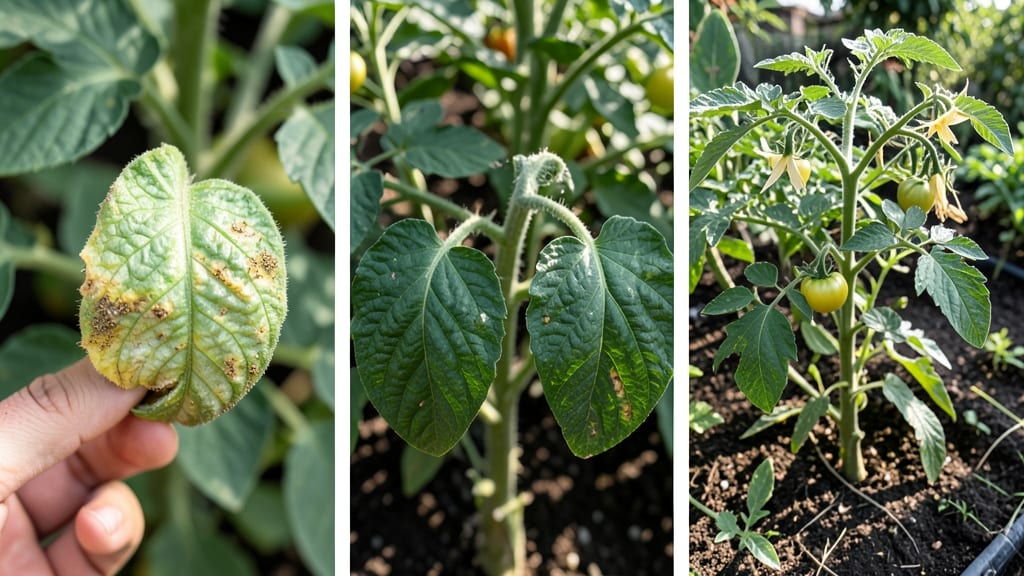
Physiological leaf roll on tomatoes turns your lush plants into sad, stunted shadows overnight. 🌱 I’ve seen this virus twist healthy vines into curled, yellowing messes—and the worst part? It’s often spread by those tiny green aphids lurking on your plants.
The good news? Copper sprays can sometimes revive plants in just 72 hours, and resistant varieties might save your next harvest.
This isn’t just wilting—it’s a viral infection that causes leaves to roll upward, stunts growth, and leaves fruit small and deformed. Aphids spread it like wildfire, and once it’s in your garden, it’s nearly impossible to eradicate.
But catching it early with copper sprays (or neem oil) can buy you time to save some plants—or at least limit the damage.
Your goal? Stop the aphids first—spray with insecticidal soap or introduce ladybugs. Then, treat infected plants with copper fungicide (follow label rates) to slow the virus’s spread. Resistant varieties like ‘Mountain Merit’ or ‘Defiant’ might be your best bet for future seasons, but for now, focus on containment.
Here’s the hard truth: Infected plants can’t be fully cured, but aggressive action can limit the outbreak. Pull severely affected plants immediately, sterilize tools, and monitor nearby plants for early signs.
Prevention is your best weapon—so keep those aphids in check before they turn your tomato dreams into a leaf-rolling nightmare.
Root Causes Of Leaf Rolling
Tomato plants experiencing physiological leaf roll often leave gardeners scratching their heads—why is this happening when pests and diseases seem absent? The answer lies in a mix of environmental stressors and plant physiology. Understanding these root causes is the first step toward revival. Let’s break it down.
Tomatoes are warm-weather lovers, but when temperatures soar above 90°F (32°C) or drop too quickly (especially at night), their cells struggle to maintain turgor pressure—the internal water pressure that keeps leaves rigid. Here’s how it plays out:
- Daytime heat: Excessive transpiration (water loss) causes leaves to curl inward to reduce surface area and conserve moisture. Think of it as the plant’s way of sweating.
- Nighttime chill: Rapid temperature drops (e.g., from 95°F to 60°F) disrupt enzyme activity in the plant’s vascular system, leading to stunted growth and rolled leaves.
- Actionable fix:
- Provide shade cloth (30–50%) during peak afternoon heat.
- Mulch heavily with straw or wood chips to moderate soil temps.
- Avoid overhead watering in extreme heat—opt for drip irrigation at dawn.
Too much or too little water throws a tomato’s system into chaos. Physiological leaf roll often signals a root zone imbalance, where the plant can’t absorb nutrients or water efficiently.
| Issue | Why It Causes Rolling | Quick Fix |
|---|---|---|
| Overwatering | Soggy soil suffocates roots, leading to anaerobic conditions (lack of oxygen). Roots can’t absorb water, so leaves curl to signal distress. | Let top 1–2 inches of soil dry between waterings. Improve drainage with perlite or sand. |
| Underwatering | Dry soil triggers osmotic stress, forcing roots to work overtime. Leaves roll to reduce water loss via transpiration. | Water deeply 2–3 times per week (adjust for climate). Use a moisture meter to monitor soil. |
| Inconsistent Watering | Fluctuating moisture levels confuse the plant’s hormonal signals, leading to erratic growth and curled leaves. | Stick to a consistent schedule (e.g., same time daily) and use mulch to retain moisture. |
Tomatoes are heavy feeders, and when their diet lacks key nutrients, leaves respond by curling—often a last-ditch effort to conserve energy. The most common culprits:
- Potassium (K) deficiency: Leaves roll along the edges first (a classic symptom) because potassium regulates cell water balance. Without it, cells lose turgor.
- Magnesium (Mg) deficiency: Causes interveinal chlorosis (yellowing between veins) and rolled leaves, as magnesium is critical for chlorophyll production.
- Nitrogen (N) excess: Too much nitrogen promotes lush foliage at the expense of roots, leading to weak structural support and rolled leaves.
Actionable fix:
- Test soil with a home kit or send to a lab for precise nutrient analysis.
- Apply a balanced fertilizer (10-10-10) or Epsom salt (for magnesium) if deficiencies are confirmed.
- Avoid high-nitrogen fertilizers like blood meal if leaves are already curling.
Even after careful planting, tomatoes can experience physiological stress when their roots are disturbed or the transition to outdoor conditions is too abrupt.
- Root pruning: If roots circle the pot or are trimmed too aggressively during transplanting, the plant struggles to re-establish its water-nutrient network, leading to rolled leaves.
- Sudden temperature/light changes: Moving seedlings from a greenhouse or indoor setup to harsh outdoor conditions can shock the plant’s vascular system.
- Actionable fix:
- When transplanting, score the root ball (make 2–3 vertical cuts) to encourage outward root growth.
- Hardening off seedlings gradually (7–10 days) by exposing them to outdoor conditions for increasing durations.
- Use root stimulants (like mycorrhizal fungi) to speed up recovery.
Tomatoes produce ethylene gas and other hormones that regulate growth, flowering, and stress responses. Disruptions in these signals can trigger leaf rolling, especially during:
- Flowering/fruiting transition: The plant redirects energy from leaves to reproductive growth, causing temporary leaf curl. This is normal but can be exacerbated by stress.
- Ethylene buildup: Overripe fruit, physical damage, or even smoking nearby can increase ethylene, which accelerates leaf senescence (aging) and curling.
- Actionable fix:
- Remove overripe or damaged fruit promptly to reduce ethylene.
- Avoid physical stress (e.g., rough handling, wind exposure) during critical growth stages.
- Use plant growth regulators (like Paclobutrazol) only if severe, as they can have side effects.
Pro Tip: 💡 Before blaming pests or diseases, rule out environmental stressors—90% of physiological leaf roll cases stem from heat, water, or nutrients. A copper spray (like the one in this article) can help boost recovery by reducing oxidative stress, but addressing the root cause is key!
Fixing Wilted Tomato Leaves Fast
Tomato plants with rolled or wilted leaves can be frustrating, but quick action can often reverse the damage—especially if caught early. Below are targeted solutions based on the most common causes of physiological leaf roll, paired with prevention tips to keep your plants thriving.
Fix:
- 💦 Hydrate Deeply (Not Just Surface Watering): Water early in the morning or late afternoon to reduce evaporation. Use drip irrigation or soaker hoses to deliver moisture directly to the roots. Aim for 1–1.5 inches of water per week, adjusting for extreme heat.
- 🌿 Provide Shade Cloth (Temporarily): If temperatures exceed 90°F (32°C), drape 30–50% shade cloth over plants for a few hours daily. This prevents leaf scorch and slows down stress-induced curling.
- 🌱 Mulch Like a Pro: Apply 2–3 inches of organic mulch (straw, grass clippings, or wood chips) around the base to retain soil moisture and regulate temperature. Avoid piling mulch against the stem to prevent rot.
Prevention:
- 🌡️ Grow Heat-Tolerant Varieties: Choose tomatoes like ‘Heatmaster,’ ‘Solar Fire,’ or ‘Arkansas Traveler’ if you live in hot climates.
- 🌅 Space Plants for Airflow: Overcrowding traps heat—keep plants 18–24 inches apart for better circulation.
Fix:
- 🔥 Check Soil Moisture First: Stick your finger 1–2 inches into the soil. If it’s dry, water thoroughly. If soggy, hold off and let it dry slightly before rewatering.
- 👨🍳 Adjust Your Watering Routine:
- Underwatering? Water deeply every 2–3 days (more in extreme heat).
- Overwatering? Let the top 1–2 inches dry out between waterings. Yellowing leaves + curled edges = too much water.
- ⏰ Water at the Right Time: Avoid evening watering to prevent fungal diseases. Morning watering gives leaves time to dry, reducing stress.
Prevention:
- 🌱 Use Moisture-Retaining Soil: Mix in compost or coconut coir to improve water retention without staying soggy.
- 📊 Install a Rain Gauge: Track rainfall to avoid overwatering during wet spells.
Fix:
- 💡 Diagnose the Problem:
- Purple or Yellow Leaves? Likely nitrogen deficiency (common in fast-growing plants).
- Brown Leaf Tips? Could be potassium or calcium deficiency (or over-fertilizing with nitrogen).
- Crispy, Curled Leaves? Possible magnesium deficiency (common in alkaline soils).
- 🌿 Apply a Balanced Fertilizer: Use a 5-10-10 or 10-10-10 NPK fertilizer (nitrogen-phosphorus-potassium) every 2–3 weeks during the growing season. For deficiencies:
- Nitrogen: Side-dress with alfalfa meal or fish emulsion.
- Potassium/Magnesium: Sprinkle Epsom salt (1 tbsp per gallon of water) or use a tomato-specific fertilizer.
- 🚫 Avoid Over-Fertilizing: Too much salt (from fertilizers) burns roots. Flush soil occasionally with plain water to prevent buildup.
Prevention:
- 📊 Test Your Soil: Use a home soil test kit before planting to adjust pH (aim for 6.0–6.8 for tomatoes).
- 🥗 Feed in Stages: Start with a low dose of fertilizer, then increase as plants fruit.
Fix:
- 🔪 Prune Strategically: If older leaves are curling but new growth is healthy, trim off the worst-affected leaves to redirect energy to fruit production. Use clean, sharp pruners and cut at a 45-degree angle just above a leaf node.
- 🌱 Support Vertical Growth: Use cages or stakes to keep plants upright, reducing stress on stems. Avoid tying too tightly—allow some flexibility.
Prevention:
- 🌱 Succession Planting: Replace older plants with new seedlings mid-season to extend harvest time.
- 🍅 Harvest Early: Pick tomatoes when firm but ripe to encourage continuous production.
If your tomatoes are severely curled or wilted but not dead, a copper-based spray can help revive them by boosting plant resilience and preventing secondary infections.
🍳 How to Make It:
- Mix 1 tbsp copper sulfate (or copper fungicide) in 1 gallon of water.
- Add 1 tsp mild dish soap as a sticker.
- Spray evenly on the tops and undersides of leaves (avoid fruit).
- Reapply every 7–10 days for 2–3 weeks.
⚠️ Safety Note:
- Wear gloves and a mask when handling copper.
- Do not spray in direct sunlight (can burn leaves).
Prevention:
- 🌿 Rotate Copper Use: Alternate with neem oil or baking soda spray to avoid resistance buildup.
- 🌱 Strengthen Plants Proactively: Use compost tea or seaweed extract as a preventative spray for overall health.
Final Pro Tip: 💡 Act fast, but don’t overreact. Most physiological leaf roll is reversible with the right care. Monitor your plants daily, adjust watering/fertilizer habits, and your tomatoes will bounce back—often within 72 hours if stress is caught early!
Frequently asked questions about tomato leaf roll
Is tomato physiological leaf roll contagious to other plants?
No, this condition isn't contagious between plants—but the aphids that spread the virus are! Once aphids infest one tomato, they'll hop to nearby plants, worsening the outbreak. Isolate affected plants immediately and treat the entire garden with insecticidal soap or neem oil to stop the spread.
Can copper spray actually cure tomato leaf roll?
While copper won't eliminate the virus itself, it can boost plant resilience and prevent secondary infections. The spray works best when combined with proper care (watering, pruning) and used within 72 hours of first symptoms. Think of it as a temporary shield while you address root causes.
What's the difference between physiological leaf roll and viral leaf curl?
Physiological leaf roll is purely environmental (heat, water, nutrients), while viral leaf curl is caused by tobacco mosaic virus (TMV) or tomato leaf curl virus (TLCV). The key difference: viral cases show stunted growth and deformed fruit, while physiological cases respond to environmental fixes. Test for viruses if symptoms persist after 2 weeks of proper care.
Should I remove all plants showing leaf roll symptoms?
Only remove severely infected plants—those with yellowing stems or no new growth. For mildly affected plants, focus on treatment (copper spray, proper watering) and monitor closely. Destroy all plant debris afterward to prevent reinfection, especially if aphids are present.
How do I prevent leaf roll in next year's tomato crop?
Start with resistant varieties like 'Mountain Merit' or 'Defiant PhR'. Practice crop rotation (don't plant tomatoes in the same spot yearly), remove all plant debris, and use yellow sticky traps to catch aphids early. Healthy soil (rich in compost) also builds natural resistance.