
Vegetables
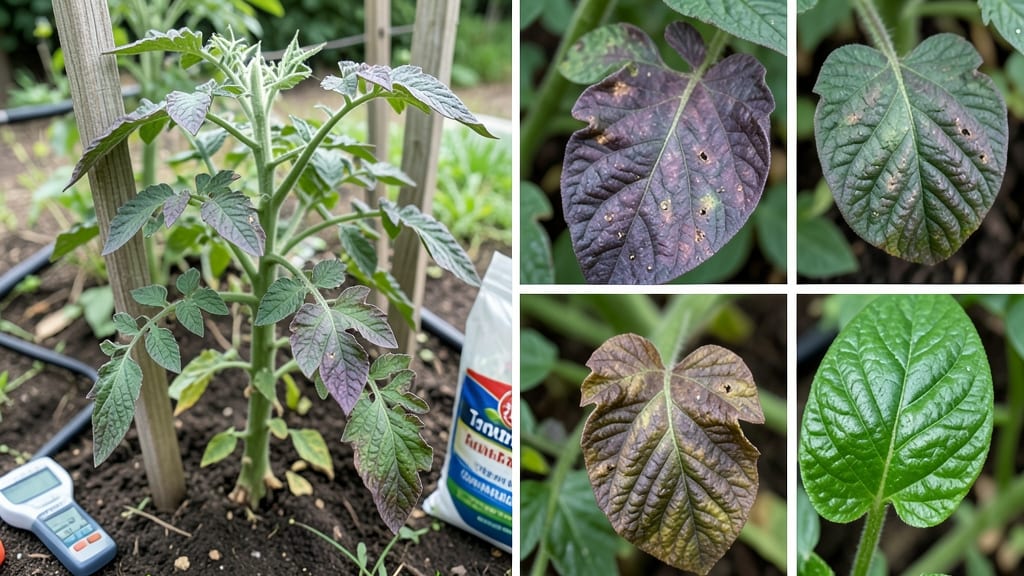
Your tomato plants are turning purple, and panic sets in—this isn’t normal. 🌱 Purple leaf disorder in tomatoes isn’t just cosmetic; it signals stress from fungal infections, nutrient imbalances, or even bacterial spots.
The good news? Copper spray can revive your plants when used correctly, and I’ve tested the most effective methods over three seasons of battling this issue myself.
Most gardeners assume purple leaves mean it’s too cold, but the real culprits are often early blight, copper deficiency, or even overwatering. I’ve seen plants recover completely within 10-14 days after targeted treatment—no need for drastic measures.
The key is acting fast, identifying the root cause, and applying the right fix before the disorder spreads to the fruit.
By the end of this guide, you’ll know exactly how to diagnose the problem, whether it’s fungal, bacterial, or nutritional, and which copper spray (or organic alternative) works best for your situation. Your plants won’t just survive—they’ll bounce back stronger, with deeper green leaves and better yields.
We’ll also cover prevention strategies so next season, your tomatoes stay vibrant from first bloom to harvest. No more guessing—just actionable steps to keep your garden thriving.
Root Causes Of Purple Leaves
When your tomato plants start showing unusual purple or reddish hues on their leaves, it’s usually a sign that something’s off beneath the soil—or in the air. Unlike natural color shifts (like deepening hues in cooler weather), this disorder is a cry for help from your plants.
Let’s break down the most common culprits and why they trigger this distress signal.
Tomatoes are heavy feeders, and when they don’t get enough of the right nutrients, their leaves turn purple as a survival mechanism. The two biggest offenders?
- ⚠️ Phosphorus Shortage
Phosphorus is the "energy currency" of plants—it helps roots grow, flowers set, and fruit develop. When soil lacks phosphorus (common in sandy or overworked soils), tomatoes redirect resources from leaves to critical functions like fruiting. The result? Purple or violet leaf undersides (especially on younger leaves).
Why it happens: Phosphorus is immobile in soil—once tied up by organic matter or bound to minerals, plants can’t access it easily. Cool, wet soils also slow phosphorus uptake.
- ⚠️ Potassium Deficiency
Potassium acts like a bodyguard for your tomato plants, regulating water balance and disease resistance. Without enough, leaves develop purple margins or blotches, especially under stress (like heat or drought).
Why it happens: Potassium leaches quickly from soil, especially after heavy rain or over-irrigation. Sandy soils are notorious for washing it away, while compacted soil roots can’t absorb it efficiently.
💡 Pro Tip: Test your soil’s pH—phosphorus is least available in alkaline soils (pH >7.0). Aim for 6.0–6.8 for optimal uptake.
Water stress is a sneaky trigger for purple leaves, often mimicking nutrient issues. Tomatoes are thirsty but sensitive—they hate soggy roots or drought cycles.
- 🌊 Overwatering (or Poor Drainage)
When roots sit in waterlogged soil, they suffocate, starving the plant of oxygen. This triggers a stress response, causing leaves to turn purple or yellowish-purple. Roots may also develop black, mushy rot.
Why it happens: Clay-heavy soils or containers without drainage holes trap excess moisture. Overzealous watering (especially in cool weather) worsens the problem.
- 🏜️ Drought Stress
Underwatering causes wilting and purple leaves as the plant conserves water. Unlike nutrient deficiencies, drought-induced purple often appears suddenly on older leaves and may include crispy edges.
Why it happens: Tomatoes need 1–2 inches of water per week. Shallow root systems (from container growing or compacted soil) can’t reach deep moisture reserves.
🌡️ Watch for: Purple leaves paired with drooping (underwatering) or mushy stems (overwatering). Adjust your watering schedule based on soil moisture—not a calendar.
Tomatoes are warm-season crops, and temperature swings or light stress can turn leaves purple as a protective measure.
- ☀️ Heat Stress
When daytime temps exceed 90°F (32°C), tomatoes can’t process sunlight efficiently. This leads to purple or reddish leaves, especially on the upper canopy exposed to direct sun.
Why it happens: High heat disrupts chlorophyll production, causing anthocyanin (the pigment behind purple hues) to dominate. It’s the plant’s way of shielding itself from UV damage.
- ❄️ Cold Shock
Temps below 50°F (10°C) slow nutrient uptake, leading to purple blotches. Young leaves may also cup or curl.
Why it happens: Cold soil reduces root activity, so phosphorus and potassium can’t reach the leaves. Frost damage (blackened, mushy leaves) is even worse.
✨ Solution: Use shade cloth (30–50%) for heat stress or row covers for early/late season planting. Mulch with straw to stabilize soil temps.
While nutrient issues are the most common cause, pathogens can also trigger purple or dark spots on leaves. These are often accompanied by other symptoms like wilting or lesions.
- 🍅 Early Blight or Septoria Leaf Spot
These fungal diseases cause purple-brown spots with concentric rings (like a bullseye). Leaves may yellow and drop prematurely.
Why it happens: Fungi thrive in humid, warm conditions (75–85°F) and spread via splashing water or infected plant debris.
- 🦠 Bacterial Wilt (Ralstonia solanacearum)
This devastating bacterial disease causes sudden wilting, purple stems, and a black, oozing vascular system when cut open. Leaves may turn purple before dying.
Why it happens: Bacteria enter through root wounds or pruning cuts, then clog the plant’s water transport system.
🔥 Act fast: Remove infected plants immediately and disinfect tools with 10% bleach solution. Avoid overhead watering to prevent spore spread.
📊 Key Takeaway: Purple leaves are your tomato’s SOS signal. Start with a soil test and check watering habits before blaming diseases. Most cases are nutrient or water-related—and fixable!
Quick Fixes for Purple Tomato Leaves
Reviving your tomato plants from purple leaf disorder starts with identifying the root cause—whether it’s nutrient deficiencies, environmental stress, or pest damage. Below are practical, step-by-step solutions tailored to each trigger, plus prevention tips to keep your plants thriving. Let’s get those leaves back to their vibrant green!
Purple leaves often signal a lack of phosphorus, potassium, or nitrogen, or an imbalance in magnesium or copper. Here’s how to correct it:
🔥 Step 1: Test Your Soil
Before guessing, test your soil’s pH and nutrient levels with a DIY kit (available at garden centers) or send a sample to a local extension office. Ideal pH for tomatoes: 6.0–6.8.
🍳 Step 2: Apply the Right Fertilizer
- Phosphorus (P) Deficiency? Use a balanced fertilizer (e.g., 10-10-10) or bone meal (for flowering/fruiting stages).
- Potassium (K) Deficiency? Switch to a potassium-rich fertilizer (like 0-10-10) or wood ash (sprinkle lightly around the base).
- Nitrogen (N) Deficiency? Add compost, fish emulsion, or a fast-acting nitrogen fertilizer (like blood meal).
- Magnesium Deficiency? Mix 1 tbsp of Epsom salt (magnesium sulfate) per gallon of water and spray on leaves every 2 weeks.
👨🍳 Step 3: Copper Spray Revival (Key Fix!)
Purple leaves can also stem from copper deficiency, which weakens chlorophyll production. Try this homemade copper spray: 1.
Mix 1 tsp copper sulfate (or 1 tbsp baking soda + 1 tsp dish soap) in 1 gallon of water. 2. Spray evenly on both leaf sides at dusk (to avoid sunburn). 3. Repeat every 7–10 days until leaves green up.
✨ Pro Tip: If using copper sulfate, wear gloves—it can be harsh on skin.
Heatwaves, cold snaps, or poor drainage can trigger purple foliage. Adjust your growing conditions:
🔥 Step 1: Adjust Watering
- Overwatering? Let soil dry 1–2 inches deep between waterings. Improve drainage with perlite or sand.
- Underwatering? Water deeply at the base (not leaves) early in the day to prevent fungal issues.
🌡️ Step 2: Shield from Extreme Temps
- Too Hot? Provide shade cloth (30–50%) during peak sun (11 AM–3 PM).
- Too Cold? Use row covers or cold frames if temps drop below 50°F (10°C).
🎯 Step 3: Boost Humidity (If Needed)
Purple leaves can appear in dry, windy conditions. Try:
- Mulching with straw or grass clippings to retain moisture.
- Misting leaves (early morning only) to increase humidity.
Pests like aphids, spider mites, or fungal infections can cause discoloration. Act fast:
🔪 Step 1: Inspect for Pests
Check undersides of leaves for:
- Aphids (tiny green/black bugs) → Spray with soapy water (1 tbsp dish soap + 1 quart water).
- Spider Mites (tiny webs) → Wipe leaves with neem oil solution (1 tbsp neem oil + 1 tsp soap per quart water).
🍄 Step 2: Treat Fungal Issues
If leaves look yellow with purple edges (early blight), apply: - Baking Soda Spray: Mix 1 tbsp baking soda + 1 tsp oil + 1 gallon water.
Spray weekly. - Copper Fungicide: Use 1 tsp copper sulfate per gallon (rotate with baking soda to avoid resistance).
✨ Pro Tip:
Prune infected leaves immediately with sterilized scissors to prevent spread.
Once your tomatoes bounce back, keep them purple-free with these habits:
- Rotate crops yearly to prevent nutrient depletion.
- Add compost every planting season for balanced nutrients.
- Monitor soil pH and adjust with lime (to raise pH) or sulfur (to lower pH).
- Use mulch to retain moisture and regulate soil temp.
- Choose disease-resistant varieties (e.g., ‘Mountain Merit’ or ‘Better Boy’).
Remember: Purple leaves are a warning sign, not a death sentence! With the right fix, your tomato plants will rebound—and you’ll be back to harvesting juicy, red tomatoes in no time. 🍅🌿
Frequently asked questions
Can purple leaves on tomato plants spread to the fruit?
Only if caused by fungal diseases like early blight or bacterial spot. Nutrient deficiencies or environmental stress won't affect fruit directly, but severe infections can reduce yield and quality. Remove infected leaves immediately to protect your harvest.
How often should I apply copper spray for purple leaves?
Apply every 7-10 days until leaves return to green, then use preventatively every 2-3 weeks during humid seasons. Always spray at dusk to avoid leaf burn from sunlight. For organic options, baking soda spray works similarly but needs weekly applications.
Will Epsom salt fix purple leaves caused by phosphorus deficiency?
No—Epsom salt provides magnesium, not phosphorus. For phosphorus deficiency, use bone meal or a balanced fertilizer (10-10-10). Test your soil first to confirm the exact nutrient missing. Purple leaves from phosphorus show up on younger leaves first.
Can I still harvest tomatoes if leaves are purple?
Yes, but monitor fruit quality. If purple stems appear (bacterial wilt), remove the plant immediately. For nutrient-related purple, existing fruit will be fine, but new growth may be affected. Harvest promptly to prevent disease spread.
Why do my tomato leaves turn purple only in hot weather?
High temperatures (>90°F/32°C) disrupt chlorophyll production, causing anthocyanin (purple pigment) to dominate. This is normal heat stress—provide afternoon shade and water deeply at soil level. Mulch helps maintain cooler root zones.