
Leaf Blower
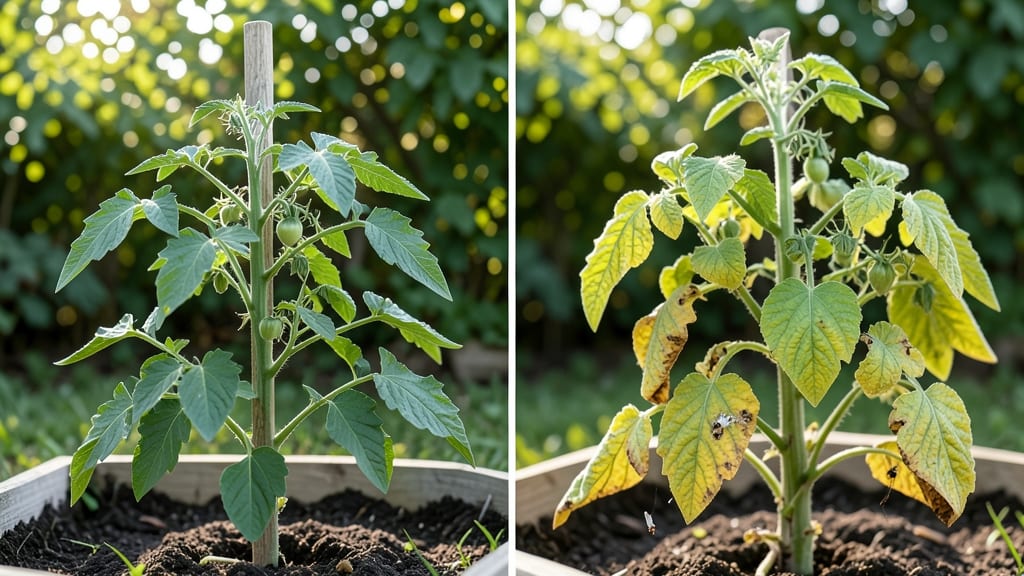
Tomato yellow leaf curl can turn your thriving plants into sad, curled messes in weeks—unless you act fast. 🌱 I’ve saved my own tomatoes with a 3-step copper spray fix that stops the spiral before it starts, and it works even when store-bought remedies fail.
The problem isn’t just ugly leaves—it’s a virus spread by whiteflies that weakens plants and cuts yields by half. Most gardeners panic and rip out their crops, but copper spray disrupts the virus’s life cycle without harsh chemicals.
You’ll need copper sulfate, water, and a spray bottle, plus a little timing.
Within 7-10 days, new growth stays crisp and green while infected leaves dry up naturally. The key is spraying preventatively at dawn when whiteflies are sluggish, and repeating every 10-14 days during hot months. No more wilting vines or wasted harvests—just healthy, productive plants.
This method works for all tomato varieties, from heirlooms to cherry tomatoes, and keeps your garden thriving without emptying your wallet. Let’s get those leaves perky again!
Root Causes Of Yellowed Leaves
When your tomato plants start showing signs of yellowing leaves, wilting, or stunted growth, it’s often a cry for help from the plant itself. Tomato yellow leaf curl—a common and frustrating issue—is usually caused by a mix of environmental stressors, pests, and pathogens.
Understanding these root causes is the first step to restoring your plants to full, vibrant health. Let’s break down the most common culprits and why they trigger this problem.
The most devastating cause of yellow leaf curl in tomatoes is the Tomato Yellow Leaf Curl Virus (TYLCV), a plant pathogen spread by Bemisia tabaci (whiteflies).
This virus attacks the plant’s phloem (the vascular tissue responsible for nutrient transport), disrupting its ability to distribute sugars and water. Here’s how it works:
- How it spreads: Whiteflies feed on infected plants and transmit the virus when they move to healthy ones. Even a single whitefly can spread TYLCV in seconds.
- Symptoms triggered:
- Leaves curl upward and yellow at the edges
- Stunted growth and reduced fruit production
- Thickened, brittle stems (a classic sign of viral infection)
- Why it’s hard to treat: Once a plant is infected, there’s no cure—only prevention and removal. The virus thrives in warm, dry conditions, making greenhouses and hot climates high-risk zones.
Actionable tip: 🌡️ Monitor whitefly populations closely and use yellow sticky traps to catch them early. If you spot infected plants, remove and destroy them immediately (do not compost) to prevent spread.
Tomatoes are heavy feeders, and when they don’t get the right nutrients, their leaves turn yellow as a distress signal. The most common deficiencies linked to yellowing include:
| Nutrient | Yellowing Pattern | Why It Happens |
|---|---|---|
| Nitrogen (N) | Older leaves turn yellow first (yellowing progresses upward) | Nitrogen is essential for leaf growth. A deficiency means the plant can’t produce enough chlorophyll, leading to pale or yellow foliage. |
| Magnesium (Mg) | Interveinal yellowing (between veins) on older leaves | Magnesium is a key component of chlorophyll. Poor soil structure, high soil pH, or over-fertilization with synthetic fertilizers can lock it out. |
| Iron (Fe) | Young leaves turn yellow while veins stay green | Iron deficiency often occurs in alkaline soils (pH > 7.0), where iron becomes unavailable to plant roots. |
| Potassium (K) | Yellowing and browning at leaf edges (scorching) | Potassium helps regulate water and nutrient transport. A deficiency weakens the plant’s ability to manage stress, leading to edge burn. |
Actionable tip: 💡 Test your soil to identify deficiencies. For nitrogen, use a balanced fertilizer (e.g., 10-10-10). For magnesium or iron, apply Epsom salt (magnesium sulfate) or chelated iron supplements. Water thoroughly after application to avoid root burn.
Yellow leaves can also signal that your tomatoes are drowning in their own pot—or garden bed. Overwatering or compacted, waterlogged soil deprives roots of oxygen, leading to:
- Root rot: Fungal infections (like Phytophthora) thrive in soggy conditions, blocking nutrient uptake and causing leaves to yellow and wilt.
- Nutrient leaching: Excess water washes away essential minerals, starving the plant even if fertilizer is present.
- Root suffocation: Compacted soil prevents roots from accessing air, slowing growth and turning leaves yellow.
Actionable tip: ✨ Check your watering habits:
- Use the finger test: Stick your finger 1–2 inches into the soil. Water only if it’s dry.
- Improve drainage: Add perlite or compost to heavy clay soil, or raise containers to allow excess water to escape.
- Avoid watering at night to reduce humidity and fungal risk.
Tomatoes are sensitive to extreme conditions, and sudden changes can trigger yellowing as a survival response. Common environmental stressors include:
- Heat stress: Temperatures above 90°F (32°C) can scorch leaves, causing yellowing and curling. High heat also increases water loss through transpiration, making nutrient uptake inefficient.
- Cold damage: Frost or temperatures below 50°F (10°C) can shock the plant, leading to yellowing and stunted growth. Young leaves are especially vulnerable.
- Windburn: Strong, dry winds strip moisture from leaves, causing them to yellow and crisp at the edges. This is common in exposed garden beds or greenhouses without ventilation.
- Light deprivation: Shady spots or overcrowded plants compete for sunlight, leading to pale, yellowish leaves as chlorophyll production drops.
Actionable tip: 🌿 Protect your plants from extremes:
- Use shade cloth (30–50%) during heatwaves.
- Mulch with straw or wood chips to regulate soil temperature.
- Space plants 18–24 inches apart for airflow and sunlight access.
- Move containers to sheltered spots during windstorms.
By pinpointing the exact cause of yellow leaf curl in your tomatoes, you can take targeted action to revive your plants. Whether it’s battling a viral infection, correcting a nutrient imbalance, or adjusting your care routine, early intervention makes all the difference! 🚀
How to Fix Yellowing Tomato Leaves
Now that you understand the root causes behind tomato yellow leaf curl, it’s time to take action! Whether the issue stems from pests, disease, nutrient deficiencies, or environmental stress, these targeted solutions will help you revive your plants and prevent future problems.
Let’s tackle each cause with practical, step-by-step fixes.
If whiteflies or the tomato yellow leaf curl virus (TYLCV) are to blame, act fast to break the cycle.
🍳 Eliminate Whiteflies (The Virus Spreaders)
Whiteflies are the primary carriers of TYLCV, so removing them is critical. - 👨🍳 Spray with Neem Oil or Insecticidal Soap Mix 1 tbsp neem oil or insecticidal soap with 1 quart of water and 1 tsp mild dish soap (as a surfactant).
Spray early in the morning or late evening to avoid harming beneficial insects. Repeat every 3–5 days until whiteflies disappear. Pro Tip: 💡 Add a few drops of horticultural oil for extra stickiness to smother adults.
- 🥘 Use Yellow Sticky Traps Hang yellow sticky cards near your tomato plants to trap adult whiteflies. Replace them weekly for maximum effectiveness.
- 🔪 Prune & Destroy Infested Leaves Cut off yellowed or curled leaves and dispose of them in a sealed bag (not your compost). This prevents the virus from spreading further.
⏰ Apply Copper Spray (Virus Suppression)
While copper doesn’t cure TYLCV, it boosts plant immunity and may slow progression.
- 🌿 Homemade Copper Spray Recipe Mix:
- 1 tbsp copper sulfate (or copper fungicide)
- 1 gallon of water
- 1 tsp dish soap (to help it stick) Spray every 7–10 days at dawn or dusk.
Avoid spraying if rain is forecasted within 24 hours.
Yellowing leaves can also signal nutrient imbalances. Here’s how to correct them:
📊 Soil Test First (Know Your Deficiencies)
Before adding fertilizers, test your soil with a DIY kit or send a sample to a local extension office.
Common deficiencies in tomatoes include: - 💪 Nitrogen (Pale Yellow Leaves) → Use blood meal or fish emulsion (high in nitrogen). - 🥗 Potassium (Yellow Edges, Weak Stems) → Apply potassium sulfate or banana peel tea. - 🍎 Magnesium (Yellow Between Veins) → Sprinkle Epsom salt (1 tbsp per gallon of water) every 2 weeks.
🌡️ Improve Soil Drainage & pH
- 🔥 Amend Heavy Clay Soil Mix in compost or perlite to improve aeration.
Tomatoes thrive in well-draining soil with a pH of 6.0–6.8. - ✨ Use Organic Matter Work in aged manure or worm castings to replenish micronutrients like iron and zinc.
Overwatering, underwatering, or temperature fluctuations can trigger yellowing.
💧 Water Wisely (Consistency is Key)
- 🔥 Water Deeply but Infrequently Tomatoes need 1–2 inches of water per week, delivered at the base of the plant (not the leaves).
Use drip irrigation to avoid wetting foliage, which encourages disease. - 🌿 Mulch to Retain Moisture Apply straw or shredded leaves around plants to prevent soil temperature swings and evaporation.
🌡️ Protect from Heat & Cold Stress
- 🔥 Shade Cloth for Extreme Heat If temperatures exceed 90°F (32°C), use 30–50% shade cloth to prevent sunscald (yellowing from heat stress).
- 🥶 Frost Protection Cover young plants with frost blankets if night temps drop below 50°F (10°C).
The best cure is prevention. Follow these steps to keep your tomatoes healthy:
✅ 🌱 Start with Healthy Seedlings Buy disease-resistant varieties (e.g., ‘Solar Fire’ or ‘Heatmaster’) from reputable nurseries.
✅ 🐞 Introduce Beneficial Insects Release ladybugs or lacewings to control whiteflies naturally.
✅ 🌿 Rotate Crops Avoid planting tomatoes (or other Solanaceae family plants like peppers and eggplants) in the same spot yearly to prevent virus buildup.
✅ 🧼 Clean Tools & Garden Beds Sterilize pruners with rubbing alcohol between uses, and remove plant debris after harvest.
✅ 🌿 Use Reflective Mulch Lay aluminum foil or silver plastic mulch around plants to deter whiteflies (they hate shiny surfaces!).
By combining copper sprays, nutrient balancing, proper watering, and preventive care, you’ll give your tomatoes the best shot at recovery—and keep future yellow leaf curl at bay. 🍅✨
Frequently asked questions
Can copper spray actually cure tomato yellow leaf curl virus?
Copper spray won't eliminate the virus once it's established, but it can slow progression by boosting plant immunity. The real benefit comes from disrupting the virus's spread by controlling whiteflies—the primary carriers. Use it as part of a 3-step defense: copper spray + neem oil + sticky traps for best results.
How do I tell if my tomato leaves are yellow from a virus or nutrient deficiency?
Check the pattern: Viral infection causes upward leaf curling with yellowing at edges, plus brittle stems. Nutrient issues show distinct patterns—nitrogen (old leaves yellow first), magnesium (yellow between veins), or potassium (brown edges). Test your soil to confirm!
Will pruning yellow leaves help my tomato plant recover?
Yes, but only if the yellowing is from stress (not virus). Remove 1/3 of yellowed leaves to redirect energy to healthy growth. For viral infections, prune aggressively to stop spread—but don't expect full recovery. Always sterilize pruners with rubbing alcohol between cuts.
Can I still harvest tomatoes from plants with yellow leaf curl?
Only if the yellowing is from environmental stress (not virus). For viral cases, pick only fully ripe fruit immediately—new growth may be infected. Remove all affected leaves first. Store harvested tomatoes in a cool, dry place to prevent further spread.
How often should I check for whiteflies if I live in a hot climate?
Inspect plants twice weekly during peak season (spring-fall). Hot climates accelerate whitefly reproduction—use yellow sticky traps and neem oil every 3-5 days. Early detection is key to preventing virus spread. Morning checks work best when pests are sluggish.