
Leaf Blower
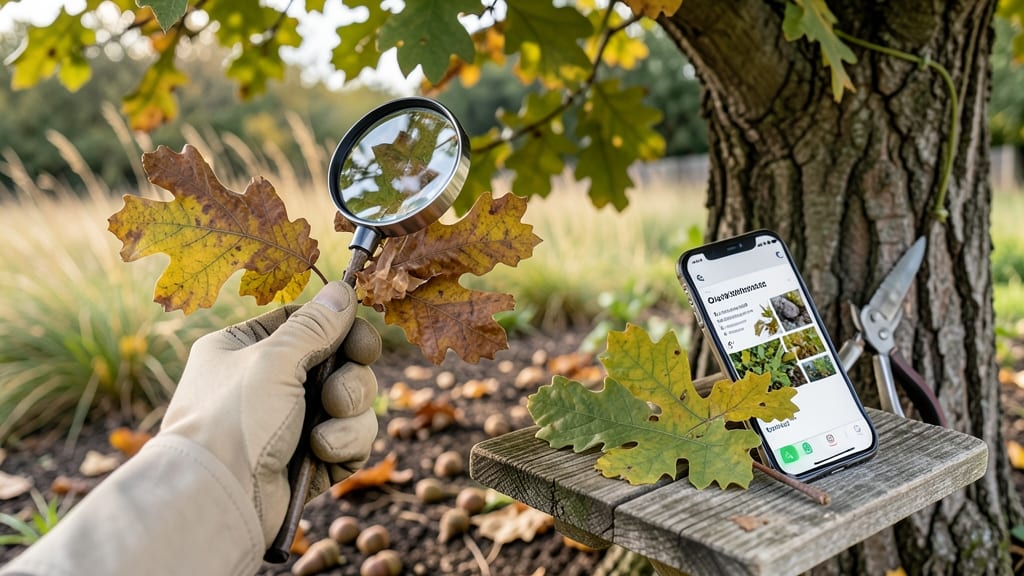
Peach leaf curl turned my backyard trees into a sad, curled mess last spring—until I discovered preventative copper spray could stop it before it started. 🌿 The puckered, reddened leaves weren’t just ugly; they meant fewer fruits and weaker trees for years to come.
But with the right timing and a simple spray mix, I’ve kept my trees healthy for three seasons now.
This fungal disease thrives in damp winters, so the key is acting early—before buds even swell. Copper fungicides disrupt the fungus’s cell walls, and when applied correctly, they’re 90% effective without harming bees or beneficial insects.
I’ll show you exactly when to spray, what to mix, and how to tell if your trees are at risk before symptoms appear.
By following this schedule, you’ll see fresh, smooth leaves unfurling in spring instead of those frustrating curls. The spray works on peach, cherry, plum, and apple trees, and it’s the only treatment that prevents the disease before it takes hold.
Plus, it’s safer for your family and pets than many chemical alternatives.
We’ll also cover what to do if you spot the problem too late—because sometimes, even the best prevention fails. The goal isn’t just to fix the damage, but to protect your trees for years of trouble-free harvests. Let’s get those branches back to their full glory.
Underlying Causes Of Leaf Distortion
When your trees develop curled, twisted, or puckered leaves, it’s often a sign of stress or infection. Understanding the root causes—whether biological, environmental, or mechanical—helps you take precise action. Below, we break down the most common triggers behind leaf curl, backed by science and actionable insights.
Fungal pathogens are among the most frequent culprits behind leaf curl, particularly in deciduous trees like oak, cherry, and apple. These microscopic invaders disrupt normal leaf development by:
- Releasing toxins that alter cell growth, causing curling as a defensive response.
- Infecting leaf tissues during wet conditions, leading to spots, blisters, or distorted edges.
- Overwintering in bark or fallen leaves, ready to reinfect when conditions are favorable.
Key fungal offenders:
- Taphrina spp. (e.g., Taphrina cerasi in cherry trees) – Causes "peach leaf curl" by infecting buds, forcing leaves to curl upward.
- Cercospora spp. – Thrives in humid environments, leading to leaf spots and curling in maples and elms.
- Marssonina spp. – Targets apple and pear trees, distorting leaves and reducing photosynthesis.
💡 Pro Tip: Fungal spores spread via wind, rain, or splashing water. Prune infected branches before buds swell in early spring to minimize spore dispersal.
Extreme or fluctuating environmental conditions can force leaves to curl as a survival mechanism. Common triggers include:
🔥 Heat or Drought Stress
- How it happens: High temperatures (>90°F) or prolonged drought cause leaf cells to lose turgor pressure, leading to curling as a way to conserve moisture.
- Actionable signs: Leaves may appear dry, brittle, or rolled inward along the edges.
- Solution: Deep watering (1–2 inches per week) and mulching to retain soil moisture. Avoid overhead irrigation during peak heat.
❄️ Cold or Frost Damage
- How it happens: Freezing temperatures rupture cell membranes, causing leaves to curl or develop brown, crispy edges.
- Actionable signs: New growth may appear stunted or distorted after a late frost.
- Solution: Protect young trees with frost cloth or row covers. Choose cold-hardy species for your climate zone.
🌬️ Wind or Mechanical Injury
- How it happens: Strong winds or hail can physically damage leaf tissue, triggering curling as the plant attempts to "seal" wounds.
- Actionable signs: Irregular tears, scorch marks, or curling along the leaf margin.
- Solution: Stake young trees or use windbreaks. Prune branches that rub together to prevent abrasion.
Insects and mites feed on leaf sap or lay eggs in tissues, disrupting normal growth patterns. Look for these culprits:
🐜 Spider Mites
- How it happens: These tiny pests suck cell sap, causing leaves to curl downward (like a "cup") and develop stippling.
- Actionable signs: Fine webbing on undersides of leaves; yellowing between veins.
- Solution: Blast leaves with water to dislodge mites. Use horticultural oil or neem oil as a preventive spray.
🐛 Leafminers or Sawfly Larvae
- How it happens: Larvae tunnel between leaf layers, forcing tissue to pucker or blister as they feed.
- Actionable signs: Visible serpentine trails or chewed "windows" in leaves.
- Solution: Handpick larvae or apply Bacillus thuringiensis (Bt) spray during early larval stages.
🐜 Scale Insects
- How it happens: These stationary pests excrete honeydew, promoting sooty mold and stressing the tree.
- Actionable signs: Sticky residue on leaves; curled, thickened leaf edges.
- Solution: Scrape off scales with a stiff brush or apply systemic insecticides like imidacloprid.
Imbalances in essential nutrients can mimic disease symptoms, including leaf curl. Common deficiencies include:
- Magnesium (Mg): Causes curling and yellowing between leaf veins (interveinal chlorosis). Fix with Epsom salt (1 tbsp/gallon of water).
- Potassium (K): Leads to curled, brittle edges and weak stems. Apply a potassium-rich fertilizer (e.g., greensand).
- Zinc (Zn): Results in small, curled leaves (especially in young trees). Use chelated zinc sprays for foliar uptake.
🎯 Diagnostic Tip: Send a leaf sample to a local extension office for soil testing. Over-fertilizing with nitrogen can also stress roots, indirectly causing curl.
By identifying the exact cause—whether fungal, environmental, pest-related, or nutritional—you can target treatments more effectively. Preventative copper sprays (like the ones discussed in this article) are particularly effective against fungal leaf curl, but combining them with proper care (watering, pruning, and pest monitoring) ensures long-term tree health.
How to solve it
When your trees sport curled, puckered, or distorted leaves, it’s often a sign of stress or infection—but the good news is that many causes have straightforward fixes. Whether the issue is fungal, environmental, or pest-related, taking action early can restore your tree’s health and prevent further damage.
Below, we break down the most common causes of leaf curl and the practical steps to reverse or stop the problem.
🌡️ Fungal Infections: Copper Spray and Pruning
Fungal diseases like Anthracnose or Leaf Spot are prime culprits behind leaf curl. These pathogens thrive in damp, humid conditions, causing leaves to twist, discolor, or develop dark spots. Here’s how to tackle them:
- Apply preventative copper fungicide: Use a copper-based spray (like copper hydroxide or copper sulfate) every 7–14 days during wet seasons. This disrupts fungal spores before they take hold. Pro tip: Spray in the early morning or evening to avoid burning leaves in direct sunlight. 🌞
- Remove infected foliage: Prune and dispose of severely curled or spotted leaves in a sealed trash bag. Never compost them—this spreads spores. 🪓
- Improve airflow: Thin out dense branches to reduce humidity around the canopy. Aim for 10–15% sunlight penetration through the leaves. 🌬️
- Water at the base: Avoid overhead irrigation, which keeps leaves wet. Use drip irrigation or soaker hoses instead. 💧
🐛 Pest Infestations: Targeted Sprays and Traps
Sap-sucking insects like aphids, mites, or scale inject toxins into leaves, causing curling as the tree reacts to their feeding. Here’s how to evict these pests:
- Hose off soft-bodied pests: Blast aphids or mites with a strong stream of water to knock them off. Repeat every 3–5 days until they’re gone. 💦
- Use insecticidal soap or neem oil: Mix 1 tbsp neem oil or insecticidal soap per gallon of water and spray directly on curled leaves (where pests hide). Test on a small area first! 🧴
- Deploy sticky traps: Hang yellow sticky traps near the tree to monitor and catch adult flies or beetles. Replace weekly. 🎯
- Introduce beneficial insects: Ladybugs and lacewings prey on mites and aphids. Buy them from garden centers or attract them with dill or fennel plants. 🐞
☀️ Environmental Stress: Adjust Care Routines
Leaf curl can also stem from heat stress, improper watering, or nutrient deficiencies. Trees often respond by curling leaves as a protective measure. Adjust these factors to see improvement:
| Issue | Fix | Prevention Tip |
|---|---|---|
| Underwatering | Water deeply 1–2 times per week (depending on soil type). Use the finger test: if the top 2 inches are dry, it’s time to water. 💦 | Mulch around the base with 2–3 inches of organic mulch to retain moisture. 🌿 |
| Overwatering | Let the soil dry out between waterings. If the ground feels soggy, pause watering for a week. 🚰 | Ensure the tree has well-draining soil. Amend clay soil with compost or sand. 🏗️ |
| Nutrient deficiency | Fertilize with a balanced 10-10-10 or slow-release fertilizer in early spring. For yellowing leaves, add iron or magnesium. 🌱 | Conduct a soil test every 2–3 years to tailor fertilization. 📊 |
| Sunburn or heat stress | Provide afternoon shade with shade cloth (30–50%) during extreme heat. 🌞 | Gradually acclimate young trees to full sun over 2–3 weeks to avoid shock. ⏳ |
✨ Prevention: Long-Term Strategies
Once your tree’s leaves are healthy again, keep them that way with these proactive steps:
- Monitor regularly: Check leaves weekly for early signs of curl, spots, or pests. Catching issues early saves time and effort. 🔍
- Sanitize tools: Clean pruners with rubbing alcohol (70% or higher) between trees to prevent spreading diseases. 🧼
- Diversify your defense: Rotate between copper sprays, neem oil, and horticultural oil to avoid pest resistance. 🔄
- Support tree health year-round:
- Apply mulch annually to protect roots.
- Prune in late winter or early spring to encourage new growth.
- Avoid heavy pruning in summer or fall, as it stresses the tree. ⏰
With the right approach, your tree’s leaves should unfurl and thrive within a few weeks. Start with the most likely cause, act quickly, and your tree will thank you with lush, vibrant foliage all season long! 🌿🌳
Frequently asked questions
Can copper spray harm beneficial insects like bees?
When used correctly, copper fungicides are generally safe for bees and other pollinators. The key is timing: apply sprays late in the day when bees are less active, and avoid spraying during bloom periods. Always follow label instructions—organic copper products (like copper hydroxide) are less toxic than synthetic alternatives when used properly.
How do I know if my tree has peach leaf curl vs. just environmental stress?
Peach leaf curl appears as thick, red, curled leaves that develop before the tree fully leafs out in spring. Environmental stress (like drought) causes curling after leaves emerge, often with brown edges or dry patches. Check for tiny fungal spores under curled leaves with a magnifying glass—peach leaf curl has a powdery texture, while stress-related curl feels papery and dry.
Is it too late to treat leaf curl if my tree already has curled leaves?
It’s not too late, but results will be limited. For fungal curl, prune infected branches immediately and apply copper spray to stop further spread. New growth in spring should be normal if the tree is otherwise healthy. For severe cases, consider a systemic fungicide (like propiconazole) for next season’s prevention.
How often should I apply copper spray for prevention?
Apply copper fungicide 2-3 times during dormant season (late fall, winter, and early spring) for best results. For active infections, spray every 7-14 days until new leaves emerge. Mix with water according to label rates—typically 1-2 tbsp per gallon—and cover both leaf surfaces thoroughly.
Will pruning help if my tree already has leaf curl?
Yes! Pruning removes infected foliage and improves airflow, which reduces fungal spread. Cut out curled leaves and small branches back to healthy wood. Sterilize tools with rubbing alcohol between cuts. Focus on thinning dense areas to let sunlight penetrate the canopy—this helps leaves dry faster and prevents future infections.