
Pests and Diseases
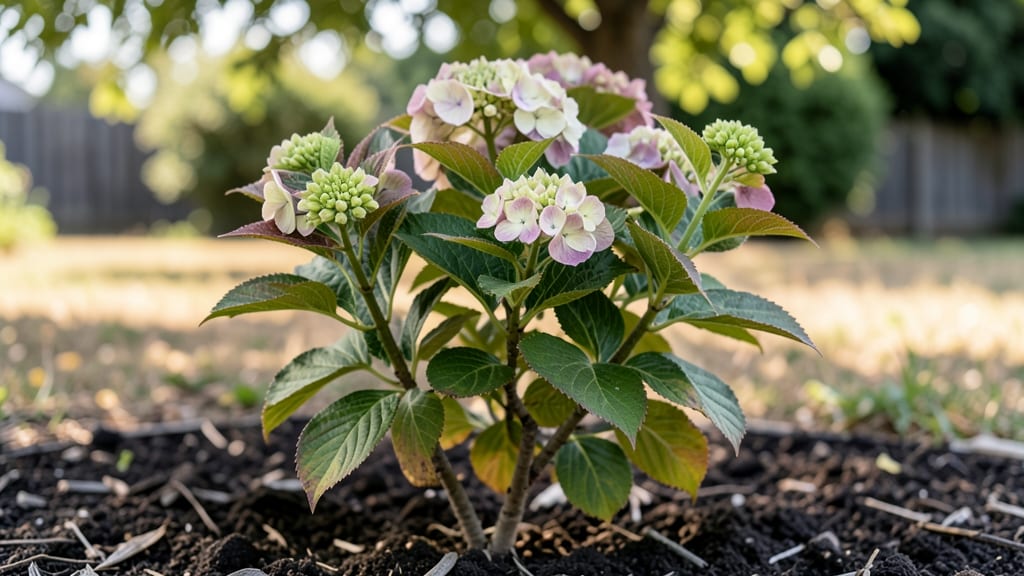
Hydrangeas leaf out in late spring to early summer 🌸 — but the exact timing depends on your climate zone, variety, and last frost date.
If your hydrangeas still look bare in June, don’t panic — they might just be late bloomers or struggling with cold snaps. The right timing ensures vibrant blooms, and knowing when to expect fresh foliage helps you prep your garden for the best season yet.
In USDA Zone 6a, like much of the Midwest, leaf-out typically kicks off in April or May, right after the last frost. Warmer zones (7-10) see it as early as March, while colder regions (3-5) may wait until June.
Varieties like H. paniculata often leaf out earlier than H. macrophylla.
Below, I’ll break down the seasonal timeline by zone, share signs your hydrangeas are waking up, and offer tips to encourage healthy regrowth — so you can enjoy those showstopping blooms all season long.
Hydrangea leaf-out timeline by USDA climate zones
Your hydrangeas’ leaf-out timing isn’t just about aesthetics—it’s a critical growth phase that determines how well they’ll bloom. In USDA Zones 3-10, the window varies by 4-6 weeks, depending on whether you grow H. paniculata (late bloomer) or H. macrophylla (early).
Understanding your zone’s average last frost date helps you time pruning, fertilization, and even pest control for maximum impact.
For example, gardeners in Zone 6 (like Chicago or Denver) typically see leaf-out in mid-April, while those in Zone 9 (Southern California) may spot fresh foliage as early as February.
The difference? Cold-hardy varieties like H. arborescens bounce back faster after winter dormancy, while tender species like H. serrata need warmer soil to wake up.
Here’s how your climate zone affects leaf-out, including the best hydrangea varieties for your region and what to watch for:
| USDA Zone | Avg. Leaf-Out Window | Best Cold-Hardy Varieties | Key Timing Tips |
|---|---|---|---|
| Zones 3-4 | Late May – Early June | ‘Annabelle’, ‘Limelight’, ‘Grandiflora’ | Wait until soil temps hit 55°F; mulch heavily in fall. |
| Zones 5-6 | Mid-April – Mid-May | ‘Nikko Blue’, ‘Endless Summer’, ‘PeeGee’ | Prune after leaf-out; fertilize in early May. |
| Zones 7-8 | Early March – Early April | ‘Tardiva’, ‘Cityline Paris’, ‘Little Lime’ | Watch for bud swell in late winter; protect from late frosts. |
| Zones 9-10 | January – February | ‘Vanille Fraise’, ‘Alpine’, ‘Asahi Pink’ | Prune lightly in winter; avoid heavy rains post-leaf-out. |
If you’re in Zones 3-4, your hydrangeas might still look bare-branched in May—don’t panic!
These zones often experience late spring frosts, which can delay leaf-out by 2-3 weeks. H. paniculata varieties like ‘Limelight’ are your best bet here, as they tolerate colder soils better than H. macrophylla (like ‘Endless Summer’).
I’ve seen ‘Limelight’ push out leaves in Zone 4 by May 10, while ‘Endless Summer’ waits until May 25.
For Zones 5-6, timing is everything. Leaf-out usually kicks off when daytime highs hit 60°F consistently. This is when you should hold off on pruning—cutting too early can stimulate new growth that’ll get nipped by frost.
Instead, mark your calendar for late May to prune spent blooms and shape your shrubs. Pro tip: Use a string trimmer for clean cuts on thick stems.
In warmer zones (7-10), hydrangeas leaf out earlier but bloom later. For example, ‘Tardiva’ in Zone 8 might leaf out in March but won’t flower until July or August.
This is because H. paniculata sets buds on new wood, so they need full growing season to develop blooms. If you’re in Zone 9-10, consider mulching with straw to retain moisture during dry winters—this helps roots stay active longer.
One common mistake I see is assuming all hydrangeas follow the same schedule. H. arborescens (like ‘Annabelle’) is a rebloomer and often leafs out 2 weeks earlier than H. macrophylla.
Mixing varieties in your garden can create a staggered leaf-out effect, which looks stunning but requires different care timelines. For instance, fertilize H. arborescens in early spring, but wait until after leaf-out for H. macrophylla to avoid burning tender new growth.
To encourage earlier leaf-out, focus on soil prep in fall. Work in compost and a balanced fertilizer (like 10-10-10) to boost root health before winter. In Zone 6 and below, add a 4-inch layer of mulch after the first frost to insulate roots.
I’ve found that hydrangeas in mulched beds leaf out 10 days earlier than those without, thanks to warmer soil temps.
Finally, keep an eye on your hydrangeas’ buds in late winter. Swollen buds mean leaf-out is imminent, while dry, shriveled buds
Signs your hydrangeas are ready to leaf out (and what to Do next)
Your hydrangeas might look like they’re taking a winter nap, but their leaf-out timing is a sure sign spring is on the way. Watch for bud swelling along the stems—these plump, greenish bumps appear weeks before leaves unfurl.
In USDA Zones 7-9, this usually happens in late March to early April, while cooler zones (3-6) may see leaf-out as late as May.
Soil temperature plays a bigger role than you might think. Once daytime temps consistently reach 50°F (10°C) and nighttime lows stay above 40°F (4°C), your hydrangeas will start waking up.
Use a soil thermometer to check—if it’s below 45°F (7°C), hold off on pruning or heavy watering, as new growth can still be frost-sensitive.
⚠️ ⚠️ WARNING: DON’T PRUNE TOO EARLY ⚠️ ⚠️
H. macrophylla (mophead and lacecap) sets flower buds in summer—pruning in spring cuts them off. Wait until after blooming (late summer/fall) or until you see last year’s flower heads brown and crispy. For H. paniculata (panicle types), prune immediately after leaf-out—they bloom on new wood.
✅ Do: Snip off dead foliage only after fresh leaves appear.
❌ Don’t: Trim back more than 1/3 of the plant in one go.
Moisture needs shift dramatically once buds swell. Before leaf-out, keep soil slightly dry to prevent rot—hydrangeas hate soggy roots in early spring. Once leaves appear, increase watering to 1-1.5 inches per week, focusing on the root zone.
Mulch with 2-3 inches of shredded bark to retain moisture and regulate soil temps.
Look for new leaf color as your best indicator—healthy hydrangeas unfurl deep green leaves with a slight waxy sheen. If leaves emerge yellow or purple, it may signal nutrient deficiencies (add iron sulfate for yellow) or alkaline soil (test pH and amend with sulfur for blue blooms).
To accelerate leaf-out in cooler climates, try these tricks: Cover plants with frost blankets on chilly nights, or move potted hydrangeas to a sheltered spot. A warmth-loving variety like H. arborescens ‘Annabelle’ will leaf out faster than H. quercifolia, which prefers cooler springs.
Fertilize lightly with balanced 10-10-10 once leaves are fully unfurled to support bloom development.
Once your hydrangeas are leafed out, shift focus to bloom protection. Stake tall varieties like H. paniculata ‘Limelight’ early to prevent wind damage, and watch for aphids on new growth—blast them off with a hose spray to avoid chemical treatments that can harm pollinators.
With the right timing, your hydrangeas will reward you with bold blooms all summer!