
Pests
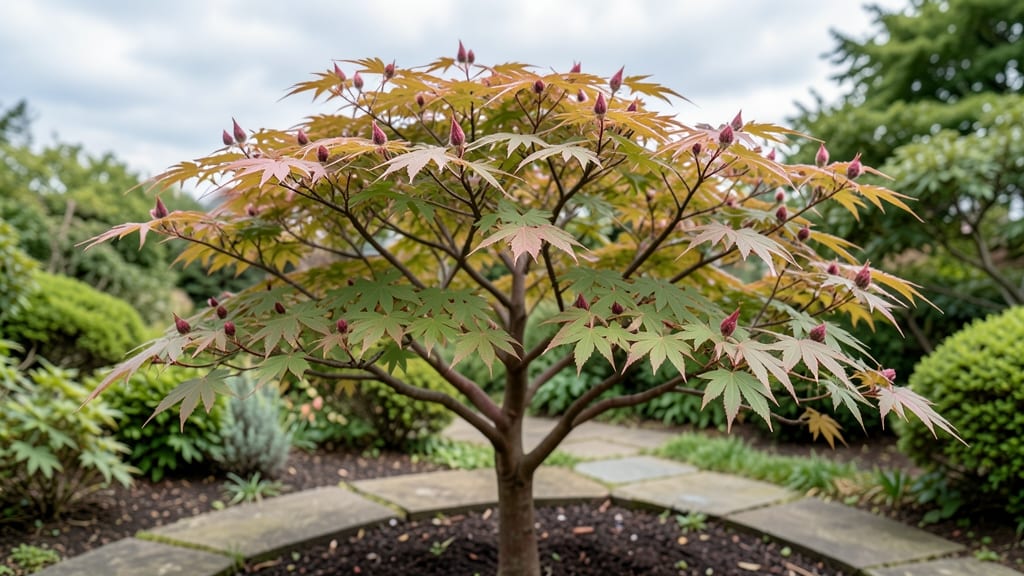
Japanese maples leaf out in late April or early May 🌿, but the exact timing depends on your variety and climate zone — and getting it wrong can mean missed pruning windows or frost damage.
Picture this: You’ve waited all winter for those delicate leaves to unfurl, only to find your ‘Bloodgood’ still bare while your neighbor’s ‘Autumn Moon’ is already blazing red. That’s how much variety matters—and why knowing the right window is a game-changer for care.
In USDA Zone 6a, like most of the Midwest, leaf-out typically kicks off after the last frost (around April 15), but coastal areas or higher elevations can push it back by weeks. Warmer microclimates near water or urban heat islands might even see buds swell earlier.
Below, I’ll break down the leaf-out schedule by cultivar, how to spot the first signs of new growth, and the 3-step pruning plan to avoid cutting off next year’s foliage. No more guessing—just precise timing for a showstopping display.
Japanese maple leaf-out timing by variety: from early to late bloomers
Japanese maples (Acer palmatum and relatives) are famous for their stunning foliage, but their leaf-out timing varies dramatically by variety. Knowing when your specific tree unfurls its leaves helps you time pruning, pest control, and fertilization for peak performance.
Early bloomers like Acer shirasawanum may leaf out in March, while late varieties like Acer palmatum ‘Bloodgood’ wait until May. Let’s break down the schedule for your favorite cultivars.
Leaf-out isn’t just about timing—it’s also about color progression. Some varieties burst with vibrant red or purple leaves, while others start pale green before deepening. Understanding this progression helps you adjust care routines and protect delicate new growth.
For example, ‘Vermilion’ turns fiery red within weeks of leafing, while ‘Autumn Moon’ develops its signature silver-pink hues gradually over summer.
Here’s the key: Prune after leaf-out (but before buds swell next year) to avoid stressing the tree. Early-leafing varieties need pruning in late spring, while late bloomers can wait until early summer.
Miss this window, and you risk stunted growth or pest vulnerability. Let’s dive into the exact leaf-out schedules for your Japanese maple.
If you’re in a warmer climate (Zones 7–9), leaf-out can happen 4–6 weeks earlier. For example, ‘Autumn Moon’ might leaf out in February in Southern California, while ‘Bloodgood’ could start in April.
In colder zones (Zones 4–5), expect delays of 2–3 weeks. Always monitor your local last frost date—leaf-out should occur 2–4 weeks afterward for safety.
Watch for bud swelling as your first clue. Healthy buds plump up and turn greenish or reddish before unfurling. If buds appear shriveled or brown, your tree may be stressed by drought, pests, or winter damage.
In this case, hold off on pruning until new growth appears to assess health. A light fertilizer application (like 10-10-10) after leaf-out can boost vigor for the season.
Pro tip: Mulch around your tree after leaf-out to retain moisture and regulate soil temperature. Use 2–3 inches of organic mulch (like shredded bark) and keep it 6 inches away from the trunk to prevent rot.
This is especially critical for young trees or drought-prone varieties like ‘Vermilion’, which can scorch in hot weather.
Pests like Japanese beetles and spider mites target new growth, so inspect leaves weekly after leaf-out. A neem oil spray or horticultural oil can prevent infestations.
For ‘Bloodgood’, which has dense foliage, check the undersides of leaves—a favorite hiding spot for pests. Early intervention protects your tree’s stunning color development.
For container-grown Japanese maples, leaf-out timing shifts slightly due to root restriction. Expect 1–2 weeks later than in-ground trees, as roots struggle to absorb moisture and nutrients efficiently.
Water daily in containers during leaf-out to prevent wilting. Use a well-draining potting mix with perlite or orchid bark to mimic natural soil conditions.
Finally, embrace the
How climate Zones shift Japanese maple leaf-out dates (with USDA Zone map)
Your Japanese maple’s leaf-out timing shifts dramatically based on USDA climate zones, with Pacific Northwest trees bursting weeks earlier than Midwest counterparts. These differences aren’t random—they’re driven by temperature thresholds, frost risk, and regional microclimates that create ideal conditions for bud break.
Understanding these shifts helps you time pruning, pest control, and fertilization for peak performance.
In USDA Zone 5, where late frosts linger into May, most Japanese maples wait until mid-to-late May to leaf out. But in Zone 8’s mild winters, like Southern California, you’ll see vibrant new growth as early as late February.
These variations mean your care routine must adapt—early bloomers need early pruning, while late bloomers require delayed fertilization to avoid stress.
Microclimates add another layer of complexity. A Japanese maple in Seattle’s coastal fog may leaf out weeks before one in Chicago’s urban heat island, despite both being in Zone 6.
Urban areas often experience earlier leaf-out due to heat absorption by buildings, while coastal regions benefit from moderating ocean breezes that delay bud break until soil warms consistently.
To adjust your care routine, monitor local temperature trends and bud development. In colder zones, wait until after leaf-out to prune—new growth is vulnerable to frost damage. In warmer zones, prune earlier in the season to avoid summer heat stress.
Always water deeply in the weeks leading up to leaf-out, as drought stress can delay bud break by 2-3 weeks.
Pro tip: Use a minimum temperature tracker to predict leaf-out. Most Japanese maples need consistent 50°F+ soil temps for 7-10 days before bud break.
In my Zone 7 garden, I’ve found that tracking morning lows (not just highs) gives the most accurate forecast for when my ‘Bloodgood’ will finally unfurl its deep red foliage.
Remember, these timelines are general guidelines. Your specific microclimate, tree age, and variety can shift leaf-out by 2-4 weeks. The key is observation—once you know your tree’s pattern, you’ll master the art of seasonal care like a pro. 🌿🌳