
Pruning
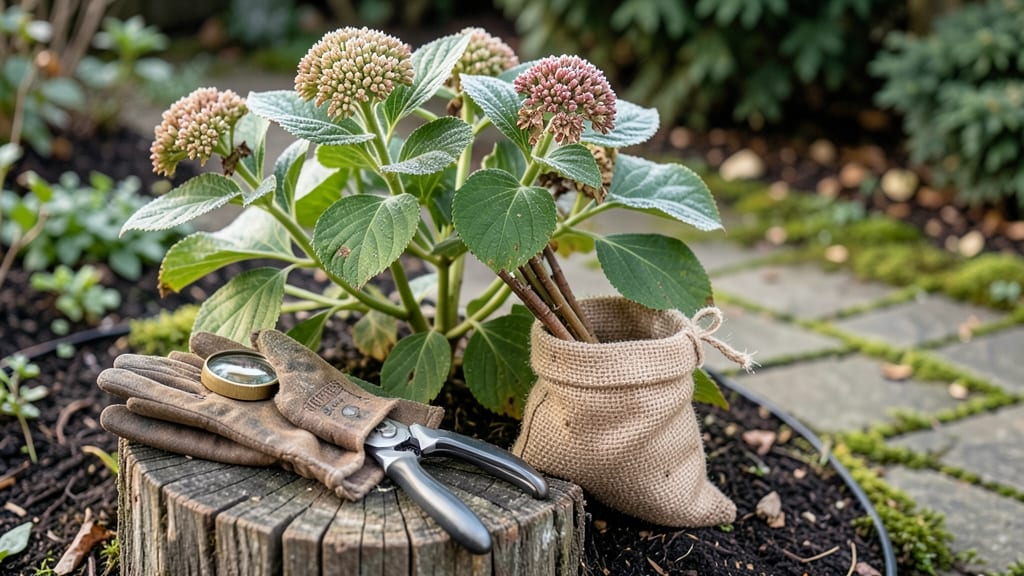
To trim big leaf hydrangeas for the biggest blooms, late winter is your best window—just as new growth begins but before buds swell.
Struggling to get your 🌸 bigleaf hydrangeas to bloom bigger and fuller? The secret isn’t just when you trim—it’s understanding the precise timing that triggers explosive growth. Late winter is your golden window, but one wrong move could cost you this year’s showstopping blooms.
Most gardeners wait until spring, but that’s too late. Pruning too early risks cutting off next year’s flower buds, while waiting too long means missing the optimal growth kickstart that happens right after dormancy. In Zone 6a, that’s typically late February to early March—just before the soil thaws.
Below, I’ll walk you through the exact steps to trim your hydrangeas without sacrificing blooms, including how to spot the perfect moment, what tools to use, and why one common mistake could leave you with bare stems all summer.
Best late-winter trimming timeline for big leaf hydrangeas
Late winter is the perfect window to shape your big leaf hydrangeas for next season’s blooms, but timing matters more than you think. Trimming too early risks frost damage, while waiting too long delays new growth.
The key is watching for dormant buds—those plump, swollen buds on last year’s stems signal it’s time to act. In warmer climates, this happens in January-February, while colder zones should wait until late February-March.
Why late winter? This dormant period lets you remove dead wood and reshape the plant without stressing it. Plus, you’ll avoid cutting off next year’s flower buds, which form on old wood.
But rush it, and you might prune off those buds before they even wake up. The goal? Encourage lush, vibrant blooms by the time summer rolls around.
Your climate dictates the exact month-by-month timeline. In USDA Zones 6-8, aim for mid-to-late February when daytime temps hover around 40°F (4°C).
Gardeners in Zones 9-11 can trim as early as January, but avoid pruning after mid-March to prevent encouraging late-season growth that won’t harden off before winter.
Here’s how to spot the ideal trimming window: Look for tight, brown buds along last year’s stems. These are your future blooms—don’t cut them off! If you see green tips on stems, new growth is starting, and you’ve missed the boat.
Patience is key: wait until all risk of frost has passed in your area.
| Month | Cold Regions (Zones 3-7) | Warm Regions (Zones 8-11) | Key Signs |
|---|---|---|---|
| January | Wait for last frost date | Trim if no frost risk and buds are visible | Dormant buds appear |
| February | Prune in late February (after 40°F days) | Best month—trim before buds swell | Brown buds on last year’s stems |
| March | Trim early March if no growth yet | Avoid pruning after mid-March | Green tips = too late! |
| April | Skip—new growth has started | Skip—focus on fertilizing | Blooms form on old wood |
In cold climates, timing is everything. If you prune too early in January, frost can damage fresh cuts. Wait until February when temps consistently stay above 40°F (4°C) during the day.
Pro tip: Cover cuts with pruning sealant if nighttime temps dip below freezing—this prevents sap bleeding and disease.
For warmer zones, the rush is on. Trim in January if you’re in Zone 9 or 10, but stop by mid-February to avoid encouraging weak, late-season growth.
In Zone 11, you might even prune in December—just check for those dormant buds first. The rule of thumb? Prune before buds swell, not after.
Don’t forget to sterilize your tools before trimming! Use rubbing alcohol or a 10% bleach solution to kill bacteria. This step is critical for preventing hydrangea leaf spot or powdery mildew. After trimming, mulch around the base with 2-3 inches of organic mulch to protect roots and retain moisture.
Once you’ve trimmed, step back and admire your work. You’ve just set the stage for bigger, fuller blooms this summer! Just remember: never trim more than 1/3 of the plant, and always cut just above a bud or leaf node.
This ensures new growth will sprout in the right direction.
Now that you’ve mastered the timeline, your next step is perfecting the technique. Stay tuned for our next section on how to trim for maximum blooms—including how to tell blooming stems from non-blooming ones! ✂️🌸
How to trim big leaf hydrangeas for maximum blooms (step-by-step)
Trimming your big leaf hydrangeas correctly is the key to unlocking those showstopping blooms you dream of. Unlike other shrubs, these beauties bloom on new wood, meaning last year’s growth produces this year’s flowers.
The trick? Prune at the right time and with the right technique to avoid sacrificing next season’s blossoms.
Start by gathering your pruning tools: clean, sharp bypass pruners for smaller stems and a pruning saw for thicker branches. Disinfect your tools with rubbing alcohol to prevent spreading disease between cuts. This step alone can double your plant’s health and longevity.
⚠️ callout warning ⚠️
Never trim your big leaf hydrangeas after mid-June. Blooms set on new growth in early spring, so late cuts remove next year’s flowers. Wait until late winter (just before buds swell) for the safest, most effective pruning.
🌱 Pro Tip: In warmer climates (Zones 8-9), delay until early spring to avoid encouraging unwanted growth before the last frost.
First, identify the old wood (last year’s stems) from the new growth (this year’s buds). Old wood is woody and brown, while new growth has green buds ready to burst. Cut back old stems to 2-3 buds from the base—this encourages fuller, bushier growth and more blooms.
Never remove more than 1/3 of the plant’s total volume in one season. Over-pruning stresses your hydrangea and can reduce blooming or even kill the plant. If your shrub looks overgrown, spread the pruning over 2-3 years to avoid shocking it.
After trimming, step back and admire your work! Your hydrangea should now have a balanced shape with open centers for airflow. This reduces disease risk and helps each bloom reach its full potential. Water deeply after pruning to help the plant recover and encourage vigorous new growth.
With the right timing and technique, your big leaf hydrangeas will reward you with lush, abundant blooms all season long. The key is patience—wait for late winter, cut strategically, and watch your garden transform! ✂️🌸