
Leaf Blower
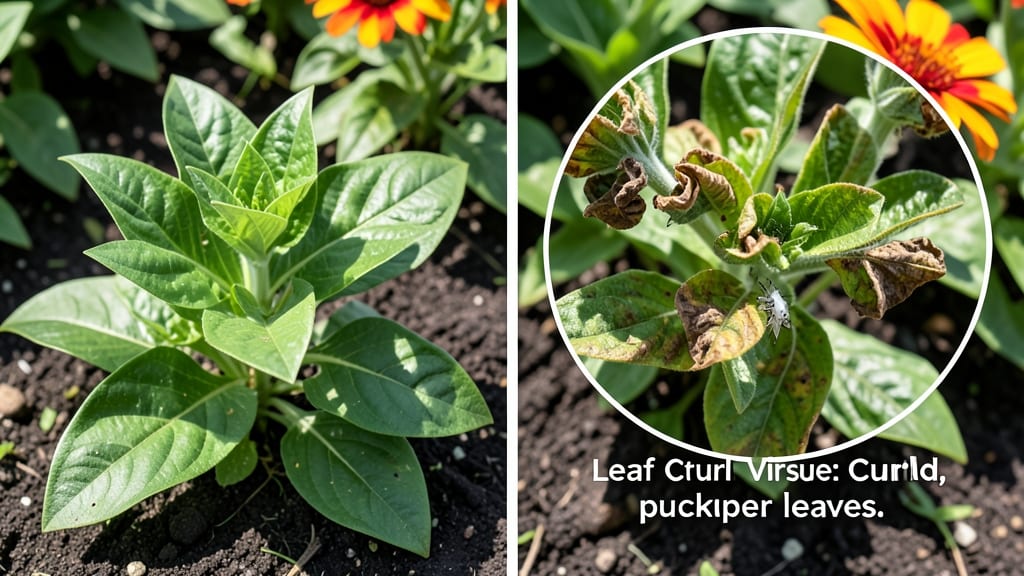
The zinnia leaf curl virus is turning your vibrant zinnias into sad, twisted messes—but catching it early means you can still save your plants and future gardens. I've seen this virus ruin entire beds, but I've also learned how to stop it in its tracks with simple, organic methods.
This virus spreads through sap-sucking insects like aphids and whiteflies, and once it takes hold, it's nearly impossible to cure. But don't panic—removing infected plants immediately and keeping beneficial insects around can prevent it from spreading.
The key is acting fast: within 24 hours of noticing symptoms, you can still protect your healthy zinnias.
You'll learn how to identify the early signs—tiny yellow spots, stunted growth, and those dreaded curled leaves—and what to do next. With the right approach, your zinnias will bounce back stronger than ever, and you'll have a foolproof plan to keep them safe next season.
Let's get those plants thriving again.
Whether you're dealing with a small outbreak or trying to prevent one, this guide covers everything from quick fixes to long-term strategies. No more guessing—just clear, actionable steps to keep your garden vibrant and virus-free. Your zinnias deserve better than twisted leaves and faded blooms.
Root Causes Of Plant Stress
Understanding why your zinnias develop leaf curl requires peeling back the layers of their environment and biology. This viral infection doesn’t appear out of thin air—it thrives when specific conditions align, often triggered by weakened plant defenses or uninterrupted pathogen spread.
Below are the key factors that create the perfect storm for infection.
Whiteflies are the primary culprits behind the spread of zinnia leaf curl virus (ZLCV). These tiny, winged insects (measuring about 1/16 inch) feed on plant sap and excrete a sticky substance called honeydew, which can attract sooty mold—but their real danger lies in their viral transmission.
- How it works: When whiteflies feed on infected plants, they pick up the virus particles in their salivary glands.
The next time they feed on a healthy zinnia, they inject the virus directly into the plant’s vascular system, bypassing natural barriers. - Actionable tip: 🔍 Inspect the undersides of leaves for tiny white specks (whitefly nymphs) or a fine white dust when disturbed.
Early detection is critical—once populations explode, control becomes far harder.
- Why it’s dangerous: Whiteflies reproduce exponentially (up to 400 eggs per female in warm conditions), turning a single plant into a breeding ground within weeks. Aphids and leafhoppers can also spread the virus, but whiteflies are the most efficient vectors for ZLCV.
Zinnias under heat stress or water deprivation become prime targets because their immune responses weaken. When plants are already struggling to photosynthesize or regulate water, they’re less able to fend off viral invaders.
- The science behind it: - Heat shock proteins (which normally protect cells) get redirected to manage temperature stress, leaving fewer resources for RNA interference pathways—the plant’s viral defense system. - Drought triggers stomatal closure, but viruses like ZLCV exploit open stomata (or damaged cells) to enter.
Even mild dehydration can create microscopic tears in leaf tissue, acting as entry points.
- Actionable tip: 💡 Mulch heavily (2–3 inches of organic mulch) to retain soil moisture and regulate temperature. Drip irrigation (early morning) reduces leaf wetness, which also discourages whitefly activity.
Viruses don’t survive long in the soil or on tools—they rely on living hosts to multiply. If infected plant debris or contaminated tools are left in the garden, they create a reservoir for reinfection.
- How it spreads:
- Infected plant material: Discarded zinnias, compost piles, or even volunteer seedlings (self-sown zinnias) can harbor the virus.
- Contaminated pruners/gloves: Cutting infected stems with unsterilized tools can transfer virus-laden sap to healthy plants.
- Windborne transmission: While rare for ZLCV, mechanical damage (e.g., from hail or strong winds) can create wounds that invite infection.
- Actionable tip: ✨ Sterilize tools with 70% isopropyl alcohol or a 10% bleach solution between uses. Remove and destroy (do not compost) all infected plants—burn or bag them to prevent reinfestation.
When zinnias grow too close together, airflow stagnates, creating humid microclimates that whiteflies and other pests adore. Overcrowding also stresses plants by competing for nutrients, water, and sunlight—weakening their resilience.
- The domino effect:
- Reduced airflow → higher humidity → whitefly survival rates soar.
- Competition for resources → nutrient deficiencies → plants become viral sitting ducks.
- Physical leaf contact → mechanical spread of virus via contaminated hands or tools.
- Actionable tip: 🌿 Space zinnias 12–18 inches apart (check seed packet guidelines) and thin seedlings to avoid competition. Interplant with repellent herbs like basil or marigolds to disrupt whitefly habitats.
Young zinnia seedlings are especially vulnerable because their immune systems are still developing. If they’re transplanted under stress (e.g., root-bound, heat-shocked, or dehydrated), they’re more likely to succumb to viral infections.
- Key risk factors:
- Transplant shock: Sudden exposure to full sun, wind, or temperature swings after being in a controlled nursery.
- Nutrient deficiencies: Seedlings lacking phosphorus or potassium have compromised cell walls, making them easier targets.
- Delayed hardening off: If seedlings aren’t gradually acclimated to outdoor conditions, their stomata don’t regulate properly, increasing viral entry risks.
- Actionable tip: 🌱 Hardening off seedlings 7–10 days before transplanting (gradually increase sun exposure). Use slow-release fertilizer at planting to avoid nutrient shocks. Avoid overhead watering post-transplant to prevent fungal secondary infections.
ZLCV isn’t just a garden problem—it’s often introduced from external sources. If your area has reported whitefly outbreaks or neighboring gardens have infected plants, the risk skyrockets.
- How it travels:
- Windborne whiteflies: Can migrate miles in warm weather.
- Infected nursery stock: Buying contaminated seedlings is a fast-track to an outbreak.
- Wild hosts: Weeds like malva or portulaca can harbor the virus without showing symptoms, acting as silent carriers.
- Actionable tip: 📊 Check local agricultural extension reports for whitefly alerts. Quarantine new plants for 2–4 weeks before introducing them to your garden. Remove wild hosts from the perimeter of your planting area.
How to Treat and Prevent Leaf Curl
When your zinnias start showing signs of leaf curl, acting quickly can save your plants—and your sanity! The good news? Many organic solutions work wonders. Below, we’ll map out cause-specific fixes and share prevention tips to keep your garden thriving.
If you spot curled, yellowed, or stunted leaves, don’t wait—this virus spreads fast via aphids and contaminated tools.
How to fix it:
- 🔪 Snip and toss infected plants (or entire stems) into the trash—not the compost—to prevent reinfection.
- 🧼 Sterilize pruners with rubbing alcohol (70% or higher) or a bleach solution (1 part bleach to 9 parts water) between cuts.
- 🌿 Monitor nearby plants for symptoms; isolate them if needed.
Pro tip: 💡 If the infection is severe, consider removing the entire zinnia patch and rotating crops next season to break the virus cycle.
Aphids are the #1 vector for leaf curl viruses. Without them, the virus can’t spread!
How to fix it:
- 💦 Spray with soapy water (1 tsp mild dish soap + 1 quart water) to dislodge aphids. Reapply every 3–4 days.
- 🌿 Introduce beneficial insects like ladybugs, lacewings, or parasitic wasps (they love aphids).
- 🍋 Try neem oil spray (1 tbsp neem oil + 1 tsp mild soap + 1 quart water). Shake well and spray early in the morning to avoid harming bees.
Pro tip: 🌡️ Prevent aphid infestations by keeping your garden dry—aphids thrive in damp conditions. Water at the base of plants (not overhead) and ensure good airflow.
Healthy zinnias resist viruses better. Boost their defenses with these organic boosters:
How to fix it:
- 🍄 Feed with compost tea (rich in beneficial microbes) or a balanced organic fertilizer (like fish emulsion) every 4–6 weeks.
- 💧 Water deeply but less often—zinnias hate soggy roots. Aim for 1 inch of water per week (including rain).
- ☀️ Provide full sun (6+ hours/day)—weak, shaded plants are more vulnerable.
Pro tip: ✨ Interplant with marigolds or basil—these repel pests and improve overall garden health!
An ounce of prevention is worth a pound of cure! Follow these long-term strategies to keep your zinnias virus-free:
- 🌱 Start with disease-free seeds/transplants—buy from reputable nurseries or grow from sterilized seeds.
- 🔄 Rotate crops—don’t plant zinnias (or other susceptible flowers) in the same spot year after year.
- 🧼 Clean your tools—sterilize pruners, shears, and pots between uses.
- 🚫 Avoid overhead watering—wet foliage encourages aphids and fungal hitchhikers.
Pro tip: 🎯 Test your soil—zinnias thrive in slightly acidic to neutral pH (6.0–7.0). Adjust with lime (to raise pH) or sulfur (to lower it) if needed.
Final Thought: While zinnia leaf curl virus can be frustrating, early action + prevention keeps your garden looking its best. Stay vigilant, keep pests in check, and your zinnias will reward you with bold, healthy blooms all season long! 🌼💪
Frequently asked questions
Can zinnia leaf curl virus spread to other plants in my garden?
Yes, this virus spreads easily to other plants through sap-sucking insects like whiteflies and aphids. Once infected zinnias are removed, monitor nearby susceptible plants (like marigolds, cosmos, or other annuals) for symptoms. The virus can also spread via contaminated tools or hands when pruning.
How quickly does zinnia leaf curl virus show up after infection?
Symptoms typically appear within 7-14 days after infection, though stressed plants may show signs faster. Look for tiny yellow spots, stunted growth, and leaf curling—these are early warning signs. The sooner you act, the better your chances of containing it.
Will chemical pesticides work against zinnia leaf curl virus?
No, pesticides won't cure the virus—but they can help prevent spread by controlling the insects that carry it. Use neem oil or insecticidal soap on whiteflies/aphids. For severe cases, systemic insecticides (like imidacloprid) may help, but always opt for organic methods first.
Can I save infected zinnia plants if I treat them early?
Unfortunately, there's no cure for zinnia leaf curl virus—once infected, plants must be removed and destroyed (don't compost them!). The best approach is prevention: keep pests under control, remove infected plants immediately, and maintain strong plant health to deter outbreaks.
What's the best way to prevent zinnia leaf curl virus next season?
Start with disease-free seeds, rotate planting locations yearly, and sterilize tools between uses. Plant repellent companions like marigolds or basil nearby, and avoid overhead watering to discourage pests. Healthy, well-spaced zinnias resist infection better!