
Pests and Diseases
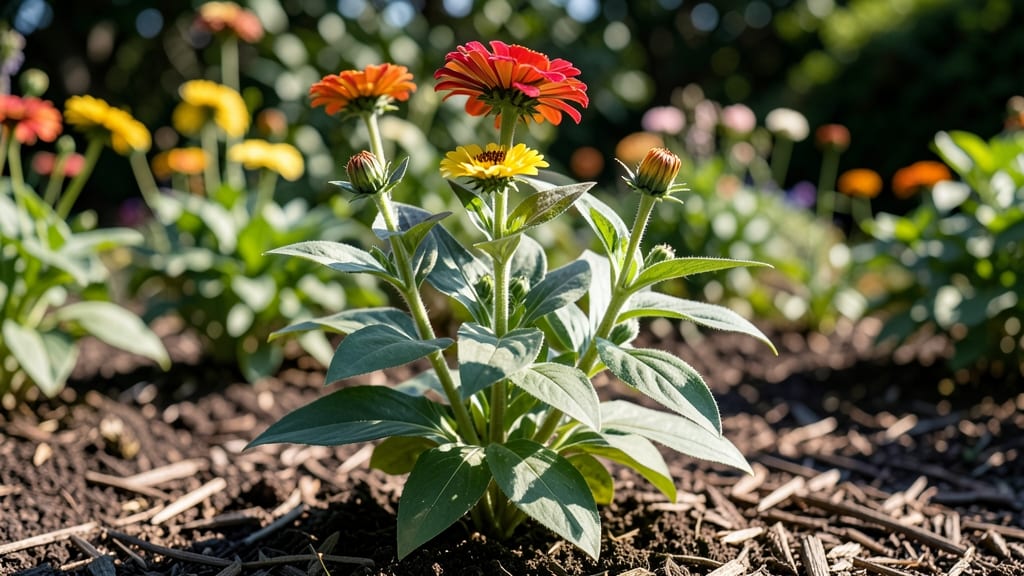
The shape of the zinnia leaf 🌼 is far more than just a botanical detail—it’s your secret weapon for growing stronger, healthier plants.
Did you know that a single leaf can tell you whether your zinnias are thriving or struggling? Whether it’s the narrow lanceolate leaves of Zinnia elegans or the broader, serrated edges of Zinnia haageana, each shape tells a story about your plant’s needs.
From identifying the right variety to spotting early signs of nutrient deficiencies, understanding these variations lets you care for your zinnias with precision. No more guessing—just smarter gardening.
In this guide, you’ll learn how to recognize the five most common zinnia leaf shapes, how they relate to growth habits, and the simple tweaks that keep your plants flourishing all season long.
5 Common Zinnia leaf shapes and their unique characteristics
Zinnias are celebrated for their dazzling blooms, but their leaf shapes reveal just as much about the plant's health and growth habits. Each variety boasts distinct foliage, from sleek lanceolate leaves to bold pinnatifid designs.
Recognizing these shapes helps you identify varieties, diagnose issues early, and tailor care for optimal results.
Leaf shape isn't just about aesthetics—it affects how a plant absorbs sunlight, transpires moisture, and even resists pests. For example, deeply lobed leaves may dry faster in heat, while ovate leaves often indicate hardier varieties.
Let’s explore five common zinnia leaf shapes and what they mean for your garden.
🌱
| Leaf Shape | Description | Growth Habit | Care Tips |
|---|---|---|---|
| Lanceolate | Long, narrow, tapering to a point | Upright, compact growth | Prune regularly to encourage bushiness |
| Ovate | Egg-shaped, broad at base | Balanced, sturdy stems | Water at soil level to prevent mildew |
| Linear | Thin, straight-edged, grass-like | Tall, slender stems | Stake for support in windy areas |
| Pinnatifid | Deeply cut, feather-like lobes | Open, airy growth pattern | Mulch to retain moisture |
| Deeply Lobed | Irregular, jagged edges | Bushy, dense foliage | Deadhead spent blooms to boost leaf health |
First up, lanceolate leaves—think of them as the classic zinnia foliage. These long, narrow leaves with pointed tips are common in Zinnia elegans, the most popular variety. Their shape helps the plant conserve water efficiently, making them ideal for drought-prone gardens.
If you notice these leaves wilting quickly, it’s often a sign of underwatering or high winds.
Ovate leaves, shaped like eggs or ovals, are broader and sturdier. You’ll find them in Zinnia haageana, known for their cactus-like blooms. These leaves are thicker, offering better disease resistance and pest deterrence. However, their broader surface area means they’re more prone to powdery mildew if humidity is high.
For a more unconventional look, linear leaves resemble grass blades and appear in varieties like Zinnia angustifolia. These leaves are perfect for tall, airy arrangements and thrive in hot, dry climates. Their slender shape means they dry out faster, so mulching is key to retaining moisture.
If you love textured foliage, pinnatifid leaves are a showstopper. These deeply cut leaves resemble feathers and are found in Zinnia marylandica. Their unique shape increases airflow around the plant, reducing fungal risks.
However, they can look tattered in heavy rain, so providing light shade during storms helps.
Finally, deeply lobed leaves add drama with their irregular, jagged edges. Common in Zinnia grandiflora, these leaves create a lush, bushy appearance. While stunning, they’re more susceptible to leaf spot diseases, so pruning for airflow and removing debris is essential.
Understanding these leaf shapes isn’t just about aesthetics—it’s about tailoring care to each zinnia’s needs. Whether you’re choosing varieties for your garden or troubleshooting issues, leaf shape is your first clue to a thriving plant. 🌼
How to identify Zinnia leaf shapes for proper plant care
Zinnia leaves aren't just decorative—they're a critical clue to your plant's health and care needs. Each leaf shape affects water absorption, disease resistance, and even how you should prune.
For example, lance-shaped leaves (like those on Zinnia elegans) grow more upright, while broad, ovate leaves (common in Zinnia haageana) spread wider. These differences influence how much shade they tolerate and how often they need watering.
Mistaking leaf shapes can lead to overwatering or under-pruning**, both of which stress plants. A serrated edge on leaves, for instance, means they lose moisture faster, requiring more frequent watering.
Meanwhile, smooth-edged leaves hold moisture longer, making them more drought-tolerant. Knowing these traits helps you adjust care routines to match your zinnia's specific needs.
⚠️ Common Mistake: Ignoring Leaf Shape for Disease Prevention
Zinnia leaves with deep lobes (like Zinnia angustifolia) trap moisture, making them prone to powdery mildew if overcrowded. Narrow leaves (found in Zinnia grandiflora) dry faster but can scorch in intense afternoon sun. Always prune based on leaf shape—broad leaves need more airflow, while thin leaves benefit from lighter trimming to avoid stress.
Start by examining the leaf base—if it wraps around the stem (called perfoliate), like in some Zinnia elegans varieties, it signals a need for sturdy support as the plant grows taller.
Compare this to alternate leaves (common in Zinnia haageana), which grow in a staggered pattern and require spaced-out pruning to avoid crowding. Use a magnifying glass to spot fine hairs on leaves, which indicate drought tolerance.
Leaf shape also dictates watering depth. Plants with thick, fleshy leaves (like Zinnia acerosa) store water, so you can water deeply every 3-4 days. In contrast, delicate, thin leaves (found in Zinnia linearis) need shallow, frequent watering to prevent wilting.
Always water at the base of the plant to avoid wetting leaves, which can cause fungal issues in varieties with soft, broad leaves.
Pruning strategies vary by leaf shape too. Compact, rounded leaves (like those on Zinnia profusa) benefit from light deadheading to encourage bushier growth. For long, narrow leaves (common in Zinnia linearis), prune only the top growth to maintain their upright form.
Always use sterilized shears to prevent spreading disease, especially when working with lobed leaves that trap moisture.
Finally, leaf shape helps diagnose issues. Yellowing leaves with crispy edges on broad-leaved zinnias often signal over-salinity or underwatering, while spotted leaves on narrow-leaved varieties may indicate bacterial infection.
Keep a plant journal to track leaf changes and adjust care accordingly. With these tips, you'll turn leaf identification into a powerful gardening tool! 🌿