
Leaf Blower
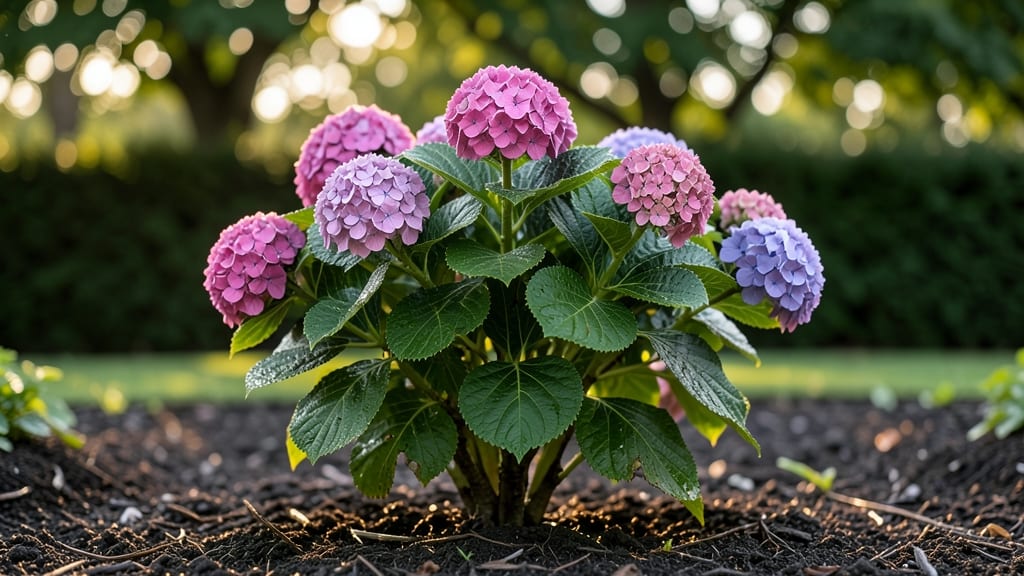
Big leaf hydrangea leaves drooping like sad umbrellas? 🌿 Copper spray isn’t just a remedy—it’s the secret weapon behind my bush’s vibrant green comeback every summer. The key isn’t just spraying; it’s understanding when, how, and why copper works to stop fungal infections before they take hold.
Start with a 1% copper fungicide applied at the first sign of trouble—yellowing, curling, or wilting leaves. The spray targets bacterial leaf spot and powdery mildew, the usual culprits behind floppy foliage. Time it right: early morning applications prevent leaf burn, and repeat every 10-14 days until new growth appears.
Paired with proper pruning (cutting back dead stems in late winter), your hydrangea will bounce back with bold, glossy leaves by midseason.
📚 In This Guide
- What you need
- Instructions
- Tips and common mistakes
- Wrapping up and next steps
What you need
- ● Copper fungicide spray: Choose a ready-to-use liquid (e.g., Copper Sulfate or Copper Hydroxide) or a powder/concentrate (follow label instructions for dilution). 1–2 gallons (or enough to cover foliage fully).
- ○ Spray bottle or garden sprayer: A 2–4 gallon pump sprayer (for large bushes) or a 16–32 oz. handheld sprayer (for targeted treatment). Optional: Add a nozzle with adjustable settings for precision.
- ● Protective gear: Nitrile or rubber gardening gloves (copper can irritate skin).
- ● Long-sleeved clothing (lightweight, breathable fabric).
- ● Safety goggles (to avoid splashes).
- ● Pruning shears: Bypass pruners (sterilized with rubbing alcohol) to remove severely damaged leaves.
- ● Watering can or hose: For rinsing leaves post-treatment (if needed).
- ● Neem oil spray: 1 tsp neem oil + 1 tsp mild soap per quart of water (mix with copper spray for extra fungal defense).
- ● Compost or mulch: 2–3 inches of organic mulch (e.g., shredded bark) to improve soil health post-treatment.
- ● pH test kit: To check soil acidity (big leaf hydrangeas thrive in pH 5.2–5.5).
- ● Label markers: To tag treated plants and track spray dates.
How to revive wilted big leaf hydrangea foliage
When those glossy big leaf hydrangea leaves start drooping, copper spray can work like a fungal reset button.
🌿 Step 1: Diagnose the Problem Before Treating
First, check for fungal infections like powdery mildew or leaf spot—common culprits behind wilting. Look for white powdery patches or brown spots with yellow halos on the undersides of leaves. These are your visual cues that copper spray will work best. If the problem is environmental (like underwatering), copper won't help—you'll need to adjust irrigation first.
Gently shake the plant to dislodge any pests hiding in the foliage. Aphids or spider mites can stress leaves, making them wilt prematurely. If you see webbing or sticky residue, treat those first with insecticidal soap before applying copper. This ensures the copper targets the actual fungal issue without competing with chemical residues.
💧 Step 2: Prepare the Copper Spray Solution
Mix 1 tablespoon of copper fungicide (like copper sulfate or copper hydroxide) into 1 gallon of water in a clean sprayer. Stir well to dissolve completely—undissolved particles can damage foliage. For severe infections, you can double the copper to 2 tablespoons per gallon, but never exceed this concentration to avoid leaf burn.
Add a few drops of dish soap (not detergent) to help the solution adhere to leaves. This isn't about cleaning—it's about creating a slight surface tension that makes the copper stick longer. Shake the mixture again before each use, as copper can settle at the bottom. Test a small leaf first to ensure no adverse reactions occur.
✂️ Step 3: Apply the Spray Systematically
Spray the undersides of leaves first—this is where fungal spores often hide and thrive. Use a fine mist setting on your sprayer to ensure even coverage without oversaturating the foliage. Work in the early morning or late afternoon to avoid direct sunlight, which can cause the copper solution to dry too quickly and potentially scorch leaves.
Pay special attention to new growth and the undersides of older leaves, as these are high-risk areas for fungal development. Hold the sprayer 6-12 inches away from the plant to avoid dripping. Reapply every 7-10 days for at least 3 weeks, even if the leaves look better. Fungal infections often linger below the surface, and consistent treatment prevents recurrence.
☀️ Step 4: Optimize Growing Conditions Post-Treatment
After spraying, ensure the hydrangea gets morning sun and afternoon shade—too much direct sun can stress leaves, making them more susceptible to fungal reinfection. Water at the base of the plant (not overhead) to keep foliage dry, as wet leaves create the perfect environment for fungi to return. Mulch around the base with 2-3 inches of organic mulch to regulate soil moisture and temperature.
Prune any severely wilted or diseased leaves immediately after treatment to improve airflow through the plant. Remove them completely—don't leave them on the ground, as they can reinfect the plant. Once new growth appears, you'll know the copper spray is working. Keep an eye out for new leaves emerging with a glossy sheen—this is your sign the plant is recovering.
Tips & tricks for reviving big leaf hydrangea foliage
Here's what nobody tells you about getting those hydrangea leaves perky again—these are the details that make all the difference.
Diagnosis is Everything: Before spraying, examine the undersides of leaves with a magnifying glass if needed. Fungal spores often hide in the crevices of veins, and catching them early means less aggressive treatment. I learned this the hard way after treating a plant for powdery mildew when it actually needed a good drink of water—don't waste copper on environmental issues.
Solution Mixing Tip: When preparing the copper solution, use distilled water if possible—tap water minerals can interact with copper and reduce effectiveness. Stir the mixture vigorously for at least 30 seconds to ensure complete dissolution, especially if you're using the stronger 2 tablespoons per gallon concentration. Always shake before each use, as copper settles quickly.
Application Technique: In Step 3, work in a cross-hatching pattern—spray horizontally first, then vertically. This ensures you cover both the top and bottom surfaces thoroughly without missing any spores. For large plants, consider using a commercial sprayer with a 360-degree nozzle to reach all foliage evenly. The goal is complete coverage, not just a light mist.
Post-Treatment Care: After your final application, flush the soil with 1 inch of water to prevent copper runoff from harming beneficial soil microbes. This also helps prevent the solution from wicking up through the leaves and causing potential burn. The 3-week treatment window is non-negotiable—fungal infections are sneaky and can resurface if you stop too soon.
Pro Tips for Big Leaf Hydrangea Leaves
- Here's what nobody tells you about getting those hydrangea leaves perky again—these are the details that make all the difference.
- Diagnosis is Everything: Before spraying, examine the undersides of leaves with a magnifying glass if needed.
- Solution Mixing Tip: When preparing the copper solution, use distilled water if possible—tap water minerals can interact with copper and reduce effectiveness.
Frequently asked questions
Got questions about your big leaf hydrangea leaves? You’re not alone! Here are answers to the most common concerns—from quick fixes to long-term care—so you can keep those lush green leaves thriving.
Why are my big leaf hydrangea leaves turning brown and crispy?
Brown, crispy leaves usually mean overwatering or underwatering. Check the soil—if it’s soggy, improve drainage; if dry, water deeply but less frequently. Copper spray can also help if fungal issues (like leaf spot) are to blame. Prune affected leaves to encourage new growth.
When is the best time to prune big leaf hydrangea leaves?
Prune after flowering (late summer to early fall) to avoid cutting off next year’s blooms. Remove dead, diseased, or crossing branches first. For shape, trim back 1/3 of the plant—but never prune into old wood (the thicker stems). Wear gloves; leaves can irritate skin!
Can I use copper spray on hydrangeas if I have pets?
Copper fungicide is generally pet-safe once dry, but keep pets away until the spray settles (24 hours). Opt for organic copper (like copper sulfate) and avoid overspraying. If your pet licks leaves, rinse them with water afterward. Always spot-test a small area first!
What’s a good alternative to big leaf hydrangeas for shade?
If big leaf hydrangeas aren’t your style, try:
- Oakleaf hydrangea (drought-tolerant, stunning fall color)
- Panicle hydrangea (tolerates heat, long bloom season)
- Japanese anemone (low-maintenance, thrives in shade)
- Hostas (great for deep shade, but deer love them!)
How often should I fertilize big leaf hydrangeas?
Feed in early spring (before new growth) and mid-summer with a balanced fertilizer (10-10-10) or acid-loving plant food. Over-fertilizing causes leaf burn—stick to the label! Mulch with pine bark to maintain soil acidity naturally.
My hydrangea leaves are yellow—what’s wrong?
Yellow leaves often signal overwatering, nutrient deficiency, or chlorosis (iron deficiency). Check soil pH (aim for 5.5–6.0); amend with sulfur if too alkaline. Yellow edges? Prune and reduce water. Yellow all over? Time for a chelated iron supplement!
Wrapping up and next steps
Reviving your big leaf hydrangea leaves with copper spray isn’t just possible—it’s a rewarding process that can bring your garden back to life! 🌿 By understanding the science behind copper’s antifungal properties and following the right steps, you’ll not only combat fungal diseases but also boost your plant’s resilience.
Now that you’re armed with the knowledge, it’s time to roll up your sleeves and give your hydrangeas the care they deserve.
Ready to see those lush, vibrant leaves return? Grab your copper spray and start treating those affected branches today! Your hydrangeas will thank you—and your garden will shine brighter than ever.