
Pruning
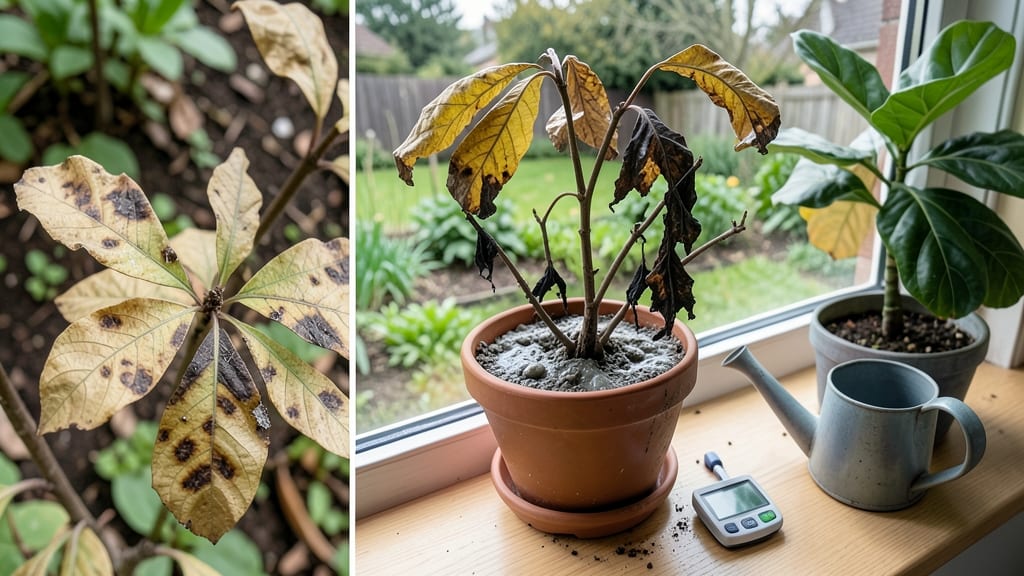
Your dead fiddle leaf fig tree might still have a chance—root rot rescue starts with this simple check. 🌱 I've nursed back more than my fair share of these dramatic divas, and the first step isn't what you'd expect: stop watering entirely.
The moment you see yellowing leaves or a mushy stem, your plant is already screaming for help—but it's often too late for the roots.
The real fix comes down to three critical moves: inspecting the roots for rot, trimming the damage, and repotting in fresh, fast-draining soil. Most people skip the root check and just adjust watering, which leaves hidden rot to spread.
I've seen plants that looked dead come back with just their top leaves after a proper cleanup—it's like giving them a second chance at life.
You'll know you're on the right track when new growth appears within 4-6 weeks, and the leaves stay firm to the touch. The key is patience: fiddle leaf figs are slow to bounce back, but they will if you catch the rot early.
Even my most skeptical friends have been shocked by the comeback stories from this method.
Prevention is easier than rescue—just let the top 1-2 inches of soil dry completely between waterings, and always use a pot with drainage holes. The same rules apply whether you're dealing with a new plant or an old favorite that's seen better days.
Let's get that tree back in fighting shape.
Root Causes Of Fiddle Leaf Decline
Understanding why your fiddle leaf fig tree is struggling starts with recognizing the hidden stressors that attack its roots and leaves. These plants are resilient, but when conditions tip too far, they shut down—often silently.
Below are the most common culprits behind a dying fiddle leaf fig, broken down with science-backed explanations so you can diagnose (and fix!) the problem fast.
Fiddle leaf figs are tropical plants, but their roots hate soggy conditions. When soil stays waterlogged for too long, oxygen can’t reach the roots, triggering anaerobic respiration—a metabolic emergency where the plant starts breaking down its own cells for energy. This leads to:
- Root rot (Phytophthora or Pythium fungi thrive in waterlogged soil)
- Nutrient starvation (roots can’t absorb water or minerals)
- Stunted growth (new leaves turn yellow or drop prematurely)
💡 Pro Tip: Stick your finger 2-3 inches deep into the soil before watering. If it’s damp, wait. If it’s bone-dry, it’s too late—your plant is already thirsty.
While overwatering is the usual suspect, chronic dehydration is just as deadly. Fiddle leaf figs are drought-tolerant but not drought-loving. When soil dries out completely, the plant’s vascular system (its "plumbing") collapses, causing:
- Leaf scorch (brown, crispy edges from lack of moisture transport)
- Wilting (even when soil is slightly moist—roots can’t pull water up)
- Premature leaf drop (the plant sheds to conserve energy)
⚠️ Warning Sign: If the soil pulls away from the pot edges, your plant is severely thirsty. Soak the pot for 10+ minutes to revive it.
Fiddle leaf figs crave bright, indirect light, but they’re easily burned or starved. Here’s how lighting goes wrong:
| Problem | Cause | Symptoms |
|---|---|---|
| Sunburn | Direct midday sun (especially south/west windows) | White/yellow patches, crispy edges |
| Leggy Growth | Low light (north-facing windows, dim rooms) | Long, weak stems, small leaves |
| Yellowing Leaves | Fluctuating light (e.g., moving between shade and sun) | Patchy discoloration, weak stems |
🌡️ Fix It: Rotate the pot quarter-turn weekly for even growth. If leaves are bleached, move it 6+ feet back from the window.
Fiddle leaf figs thrive in 65–80°F and 40–50% humidity. When conditions stray too far, their stomata (pores on leaves) struggle to regulate moisture, leading to:
- Cold shock (<50°F): Stunted growth, blackened leaf tips
- Heat stress (>90°F): Wilting, leaf drop (even with water)
- Low humidity (<30%): Brown leaf edges, curled leaves
💨 Quick Fix: Group plants together, use a pebble tray with water, or invest in a humidifier. Avoid drafts (AC vents, open windows in winter).
Even healthy fiddle leaf figs can fall prey to root-dwelling pests or fungal infections that go unnoticed until it’s too late:
- Root mealybugs (white, cottony clusters) → Stunt growth, sticky residue
- Thrips (tiny black bugs) → Silver streaks on leaves, distorted new growth
- Fungal root rot (mushy, black roots) → Foul smell, wilting despite water
🔪 Act Now: Inspect roots when repotting. Soak roots in neem oil solution (1 tsp oil + 1 tsp mild soap per gallon of water) for 10 minutes to kill pests.
Fiddle leaf figs need aerated soil—if water pools at the bottom of the pot, roots suffocate. Common drainage fails:
- Compacted soil (too much potting mix with no perlite/chunks)
- No drainage holes (water sits like a swamp)
- Over-potting (too much soil = slower drying)
🛠️ Solution: Use a well-draining mix (50% potting soil, 30% perlite, 20% orchid bark). Repot immediately if the pot feels waterlogged after 24 hours.
Fiddle leaf figs are light feeders—over-fertilizing burns roots, while under-fertilizing starves them.
| Issue | Cause | Fix |
|---|---|---|
| Fertilizer burn | Over-fertilizing (especially in winter) | Flush soil with water, reduce feed |
| Nutrient deficiency | Under-fertilizing (or poor soil) | Use balanced liquid fertilizer (diluted) every 4–6 weeks |
✨ Gold Standard: Fish emulsion (10-4-4) diluted to half-strength in spring/summer. Never fertilize a stressed plant!
Revive Your Fiddle Leaf Fig
A dead fiddle leaf fig isn’t always a lost cause—with the right steps, you can nurse it back to health! Root rot is the most common culprit, but catching it early and acting fast can save your plant.
Below are practical, step-by-step solutions tailored to the root cause, plus prevention tips to keep your fiddle leaf fig thriving for years.
Before diving into fixes, determine how severe the issue is. Gently remove the plant from its pot and inspect the roots and soil.
- Healthy roots: Firm, white, or light tan with a slight sheen.
- Rotten roots: Mushy, dark brown/black, and smelly (like decay).
- Dry roots: Brittle, shriveled, or crumbly (sign of underwatering or over-pruning).
> 💡 Pro Tip: If more than 50% of the roots are rotten, your plant may not recover—but don’t give up yet! Some fiddle leaf figs bounce back with aggressive care.
If root rot is confirmed, trim the affected areas immediately to prevent further spread.
🔪 How to Prune Roots
- Sterilize your tools: Use rubbing alcohol or a bleach solution (1 part bleach to 10 parts water) to clean scissors or pruners.
- Cut away the bad: Snip off black, mushy, or foul-smelling roots with clean cuts.
Leave only firm, healthy roots attached. 3. Disinfect the pot: Scrub the pot with a 10% bleach solution (or vinegar) to kill lingering pathogens. Rinse thoroughly.
> ⚠️ Warning: If your plant has no healthy roots left, it’s unlikely to recover. Consider propagating a cutting instead.
Old, soggy soil is a breeding ground for root rot. Replace it entirely with a well-draining mix to give your fiddle leaf fig a clean slate.
🏺 What to Use for Repotting
| Component | Ratio | Why It Helps |
|---|---|---|
| Potting soil | 50% | Provides nutrients |
| Perlite or pumice | 25% | Improves aeration |
| Orchid bark | 25% | Prevents compaction |
| Optional: Charcoal | 1 tbsp | Reduces moisture retention |
- Choose a pot: Select a container with drainage holes (terracotta is ideal). If repotting, go only 1-2 inches larger than the current pot.
- Layer drainage: Add a 1-inch layer of gravel or broken pottery at the bottom to prevent future waterlogging.
- Plant carefully: Place the trimmed roots in the new soil, ensuring they’re covered but not buried too deep.
- Water lightly: Give it a gentle drink (only when the top 1-2 inches of soil are dry).
> 💡 Pro Tip: If your plant is severely weakened, prop a few healthy stems in water to encourage regrowth while the roots recover.
Now that your fiddle leaf fig is back in fresh soil, prevent future rot with these essential adjustments:
💧 Watering Fixes
- Check moisture: Stick your finger 1-2 inches into the soil before watering. If it’s dry, water thoroughly; if damp, wait.
- Bottom-watering: Place the pot in a tray of water for 10-15 minutes, then drain excess.
This encourages roots to grow downward. - Avoid soggy soil: Ensure the pot has drainage holes and never sits in standing water.
🌡️ Light & Temperature
- Bright, indirect light: Place near a east or north-facing window. Avoid harsh afternoon sun.
- Warmth matters: Keep temps between 65-80°F (18-27°C). Drafts and cold windowsills are enemies.
🌿 Humidity Boost
Fiddle leaf figs love humidity (40-60%). If your home is dry:
- Mist leaves 2-3 times a week.
- Use a pebble tray with water beneath the pot.
- Group plants together to create a microclimate.
Once your fiddle leaf fig is back on track, keep these habits to avoid future rot:
✅ ✨ Use the right pot: Terracotta wicks away moisture better than plastic. ✅ 🎯 Water wisely: Less is more—underwatering is easier to fix than root rot. ✅ 🌡️ Monitor soil: If you’re unsure, use a moisture meter ($10 on Amazon). ✅ 🍂 Prune regularly: Remove yellow or brown leaves to reduce stress on the plant. ✅ 🔄 Repot every 2 years: Refresh soil to prevent nutrient depletion and compaction.
By following these steps, your fiddle leaf fig should show signs of recovery in 4-6 weeks—new leaves, firmer stems, and a happier green glow! 🌿✨ If all else fails, propagate a cutting to start fresh.
Frequently asked questions
My fiddle leaf fig has yellow leaves—is it already dead?
Not necessarily! Yellow leaves often signal stress from overwatering or root rot, but your plant may still recover. Check the roots: if they're firm and light-colored, trim any damaged leaves and adjust your watering schedule. If roots are mushy and black, you'll need to repot with fresh soil immediately.
Can I save a fiddle leaf fig with no leaves at all?
It depends on the roots! If you find healthy white roots when you check, there's hope—propagate a cutting in water while you revive the base plant. Even bare stems can sprout new leaves given proper care. If roots are completely gone, the plant is likely beyond saving, but you can still grow new plants from healthy stem cuttings.
How often should I water a fiddle leaf fig after repotting?
Wait until the top 2 inches of soil are completely dry before watering again—this could be every 2-3 weeks depending on your home's humidity. Use the "finger test" and avoid letting water sit in the saucer. Overwatering after repotting is the #1 mistake that kills recovery efforts.
Will my fiddle leaf fig ever look the same after root rot?
While it may never perfectly match its original shape, many revived fiddle leaf figs grow just as healthy with new leaves and sturdy stems. The key is patience—focus on establishing strong roots first. Some plants even develop more interesting foliage patterns after recovery! Expect gradual improvement over 3-6 months.
What's the fastest way to tell if a fiddle leaf fig is dying?
Check three things:
- Leaf texture (droopy or crispy = bad),
- Stem firmness (soft = rot), and
- root condition (mushy = emergency). If two out of three fail, your plant needs immediate attention. The sooner you act, the better the chances of revival!