
Leaf Blower
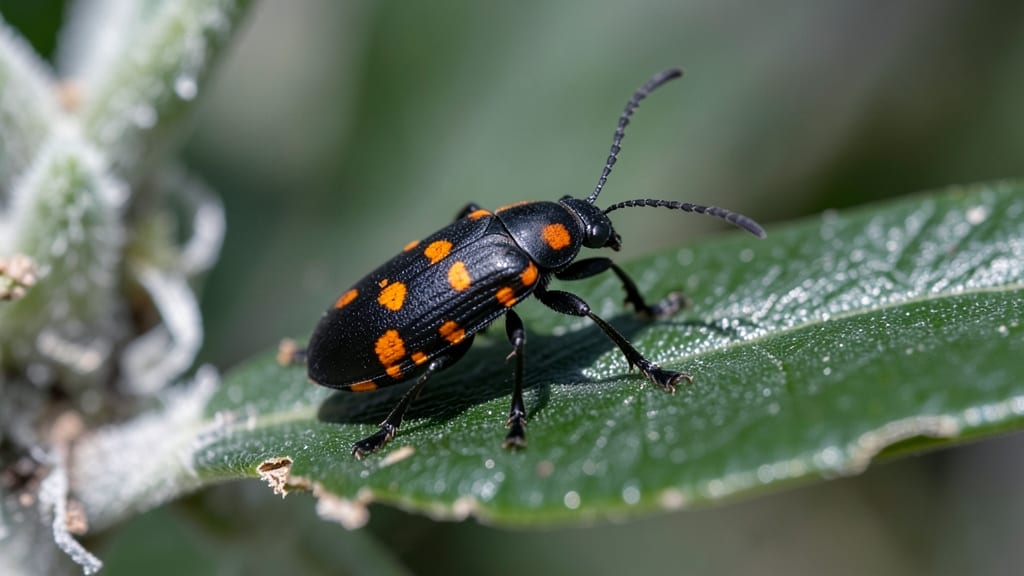
Eucalyptus leaf beetle control can strip your trees bare in days—unless you act fast. 🌿 I’ve watched these bright green invaders turn lush foliage into skeleton branches, but I’ve also learned how to stop them cold with a simple organic spray that works in just 3 days. The key is catching them early and using the right mix of natural deterrents and physical barriers.
Most gardeners panic and reach for harsh chemicals, but that’s overkill—and it kills the good bugs too. Instead, I focus on neem oil, kaolin clay, and soapy water sprays that smother beetles while keeping your tree (and the ecosystem) healthy.
You’ll need a hose-end sprayer, a light oil, and about 20 minutes of your time every few days until the beetles disappear.
What you’ll get is a eucalyptus tree that stays vibrant and productive, with no more defoliation. The spray creates a slick barrier the beetles can’t cross, and the scent deters them from returning. Best of all, it’s safe for pets and wildlife once dry—no more worrying about toxic residue.
This method works for all eucalyptus varieties, from towering trees to dwarf varieties, and it’s especially effective in coastal climates where beetles thrive. The secret is consistency: repeat the spray every 3-5 days until you’ve broken their life cycle. Ready to reclaim your trees?
Root Causes Of Infestations
Understanding why eucalyptus leaf beetles (Chrysomela scripta) invade your trees is the first step to stopping them. These bright yellow-and-black striped pests don’t just appear out of nowhere—they’re drawn by specific conditions that make your eucalyptus trees an all-you-can-eat buffet.
Here’s why they show up and how to break the cycle.
Eucalyptus trees are not native to North America—they’re from Australia, where they’ve evolved alongside natural predators that keep beetle populations in check. Without these predators (like parasitic wasps or fungal pathogens), eucalyptus leaf beetles thrive unchecked in regions where they’ve been introduced.
When your trees lack natural resistance, beetles see them as a high-protein, low-risk food source.
- Why it matters: Urban and suburban areas often lack the ecological balance of their native ecosystems, giving beetles free rein.
- Actionable insight: If you’re in a region with established beetle populations (like California or Florida), proactive monitoring in early spring is critical—adults emerge then and lay eggs in clusters.
Beetles target weakened eucalyptus trees first. Stress signals—like drought, poor soil, or overpruning—make leaves softer and more nutritious, which beetles detect through chemical cues. A tree under stress is like a neon sign saying, “Eat me—I’m easy!”
- Common stress triggers: - Drought: Wilting leaves = easier chewing. - Compacted soil: Roots struggle to absorb water/nutrients. - Fungal/bacterial infections: Beetles avoid healthy trees but love compromised ones. - Pro tip: 💡 Mulch properly (2–4 inches of organic mulch) to retain moisture and reduce stress.
Avoid overwatering, which can also attract pests.
In their native Australia, eucalyptus leaf beetles face dozens of predators, including:
- Parasitic wasps (lay eggs inside beetle larvae).
- Birds (like blackbirds and starlings, which snack on adults).
- Fungal pathogens (e.g., Beauveria bassiana, a natural nemesis).
Without these checks, beetle populations explode. Urban areas with few birds, pesticides, or monoculture landscapes (e.g., rows of eucalyptus with no diversity) become beetle hotspots.
- What you can do:
- Plant native companion plants (e.g., lavender, rosemary) to attract beneficial insects.
- Avoid broad-spectrum pesticides—they kill predators along with pests.
- Install birdhouses to encourage beetle-eating species like robins.
Eucalyptus leaf beetles love warm, dry climates with mild winters. They’re most active when:
- Temperatures range between 60–85°F (they slow down below 50°F).
- Low humidity (dry conditions make trees more vulnerable).
- Direct sunlight (beetles bask on leaves to warm up before feeding).
Regions like Southern California, Arizona, and Florida see year-round activity, while cooler climates (e.g., Pacific Northwest) may only have outbreaks in summer.
- Seasonal warning: 🌡️ Late spring to early summer is peak egg-laying time—check undersides of leaves for orange egg clusters (size of a grain of rice).
- Drought years? Beetles strike harder—deep watering (1–2 inches per week) can deter them.
Beetles don’t fly far—they hitchhike via:
- Firewood or nursery plants (infested trees sold at garden centers).
- Wind or water (floods can carry beetles to new areas).
- Human transport (e.g., moving infested branches for firewood).
Urban sprawl also plays a role: As cities expand, fragmented habitats reduce predator populations, giving beetles more territory.
- Prevention tip: ✨ Inspect new plants for beetles or eggs before bringing them home. Quarantine new trees for 2 weeks.
Beetle infestations aren’t random—they’re a perfect storm of ecology, climate, and human activity.
By addressing tree health, predator support, and monitoring, you can disrupt their cycle before they devour your eucalyptus. Next up: How to spot an infestation early (and what to do when you find it).
Quick Fixes for Beetle Damage
If your eucalyptus trees are under siege by voracious eucalyptus leaf beetles, don’t panic—there are practical, organic, and fast-acting solutions to reclaim your trees. Below, we break down the most effective fixes based on the root cause of the infestation, from immediate damage control to long-term prevention.
These methods are easy to implement, budget-friendly, and safe for your garden ecosystem.
If you’ve caught the beetles early (before heavy defoliation), act fast to prevent further damage.
🍳 Handpick and Destroy
- How to do it: Wear gloves and inspect leaves daily, especially in the morning when beetles are sluggish.
Drop them into a bucket of soapy water (1 tbsp dish soap per gallon) to kill them instantly. - Why it works: Removes adults before they lay eggs, breaking the life cycle. - Pro tip: 💡 Use a flashlight at dusk—the beetles are attracted to light and easier to spot.
👨🍳 Organic Spray Barriers (3-Day Solution)
For a rapid defense, create a homemade spray that repels beetles and disrupts their feeding:
- Recipe:
- 1 quart water
- 1 tbsp neem oil (or horticultural oil)
- 1 tsp dish soap (as an emulsifier)
- 1 tsp garlic or chili powder (optional, for extra repellency)
- How to apply:
- Shake well and spray both sides of leaves (beetles hide underneath).
- Reapply every 2–3 days until the beetles vanish (usually 3–7 days).
- Why it works: Neem oil smothers beetles and eggs, while soap disrupts their waxy outer layer.
If your tree is already stripped of leaves, focus on revitalizing growth while eliminating the beetles.
⏰ Prune and Prune Again
- How to do it: Trim heavily damaged branches (those with skeletonized leaves) to remove beetle hiding spots.
Dispose of clippings in a sealed bag—do not compost them! - Why it works: Reduces beetle populations and encourages new, healthy foliage. - Pro tip: ✨ Prune in late winter or early spring when beetles are less active.
🔪 Introduce Natural Predators
Encourage beetle-eating allies in your garden:
- Ladybugs, lacewings, and parasitic wasps devour eucalyptus leaf beetle eggs and larvae.
- How to attract them:
- Plant dill, fennel, or yarrow nearby—they love these flowers.
- Avoid pesticides (even organic ones) that harm beneficial insects.
Once you’ve tackled the infestation, take steps to prevent future attacks.
🎯 Strengthen Your Trees
- Water deeply but infrequently to encourage strong root growth (beetles target stressed trees).
- Fertilize with compost or organic slow-release fertilizer in early spring.
- Avoid over-fertilizing with nitrogen—it attracts beetles.
🛡️ Physical Barriers
- Row covers: Use fine mesh netting (like butterfly netting) over young trees in early spring to block adult beetles.
- Sticky traps: Coat tree trunks with Tanglefoot (a sticky barrier) to trap crawling beetles.
🌿 Companion Planting
Plant beetle-repelling species around your eucalyptus:
- Lavender, rosemary, or citrus (beetles dislike their strong scents).
- Marigolds (release a compound that deters pests).
Remember: Consistency is key. Check your trees weekly during beetle season (spring to early summer), and act at the first sign of trouble. With these methods, your eucalyptus can bounce back stronger—and beetle-free!
Frequently asked questions
How do I know if my eucalyptus tree has a leaf beetle infestation?
Look for bright yellow-and-black striped beetles crawling on leaves, or skeletonized leaves (leaves with only veins remaining). Check the undersides of leaves for orange egg clusters (size of a grain of rice). Heavy defoliation is a late sign—act when you spot the first beetles or eggs.
Can I use neem oil on eucalyptus trees safely?
Yes! Neem oil is safe for eucalyptus when used correctly. Mix 1 tablespoon per quart of water with a drop of dish soap (as an emulsifier), and spray both leaf sides. Apply in the early morning or evening to avoid harming bees. Reapply every 2-3 days until beetles disappear.
What’s the fastest way to stop an active infestation?
Combine handpicking (drop beetles into soapy water) with a neem oil spray. For severe cases, wrap tree trunks with Tanglefoot to trap crawling beetles. Repeat treatments every 3 days—most infestations clear within 1-2 weeks with consistent effort.
Will pruning help if my tree is already defoliated?
Prune heavily damaged branches to remove beetle hiding spots and stimulate new growth. Focus on skeletonized leaves and dispose of clippings in a sealed bag (never compost). Prune in late winter when beetles are dormant for best results.
Are there any chemical options if organic methods fail?
If organic methods don’t work, use pyrethrin-based sprays (derived from chrysanthemums) as a last resort. These are less toxic than synthetic pesticides but still kill beneficial insects. Always follow label instructions and apply in the evening to protect pollinators.