
Leaf Blower
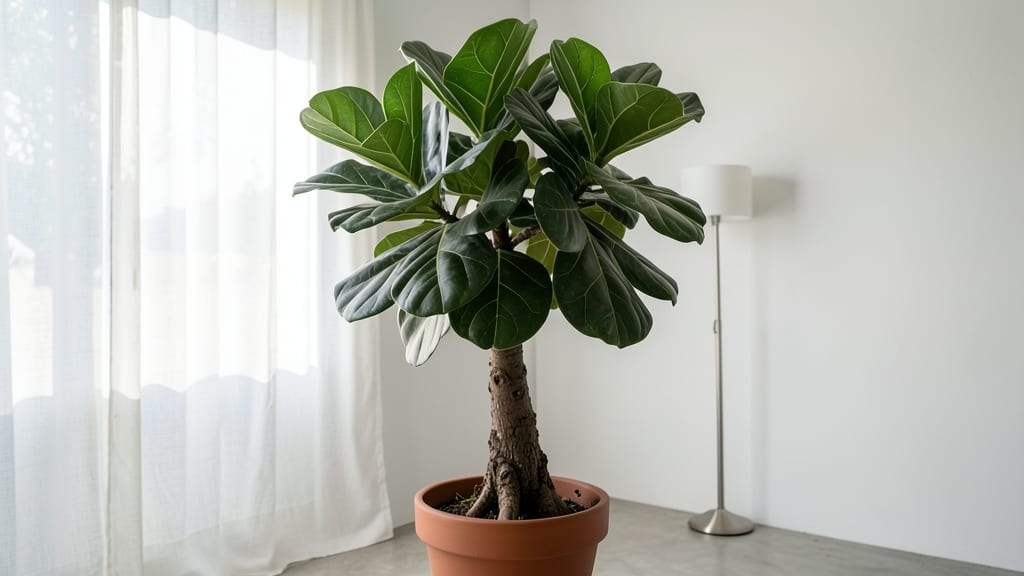
A fiddle leaf fig can grow how tall can a fiddle leaf fig grow—up to 6–10 feet indoors—and even taller if you don’t rein it in. 🌿 That glossy, tropical look comes with a growth spurt that can leave your ceiling fan feeling like a tiny hat.
Picture this: You bring home a compact 2-foot plant, and by next spring, it’s eye-level with your kitchen cabinets. Without the right care, that fast-growing habit means your living room decor might need a vertical upgrade sooner than you expect.
But here’s the good news: With a few simple tricks—like strategic pruning and the right light—you can keep your fiddle leaf fig at a manageable 6–8 feet (or even shorter) without stunting its health. I’ll show you how to control its height while keeping those iconic leaves lush and thriving.
From indoor height limits to outdoor growth potential, we’ll cover everything you need to know to enjoy your fiddle leaf fig at the perfect size—whether you love a floor-to-ceiling statement piece or prefer a more compact centerpiece.


Natural height range of a fiddle leaf fig indoors (and how it compares to outdoor growth)
Your fiddle leaf fig (Ficus lyrata) can grow into a stunning indoor statement piece—but its final height depends on more than just genetics. Indoors, most mature plants reach 4 to 10 feet tall, while outdoors, they can soar to 20–40 feet in ideal conditions.
The difference comes down to light exposure, container size, and pruning habits, all of which I’ll break down for you.
Genetics play a role too. Varieties like 'Amstel' and 'Kim' tend to stay on the shorter side (6–8 feet indoors), while 'Tippy' can push closer to 10 feet if left unchecked. Understanding these factors helps you set realistic expectations and plan for growth control from day one.
The summary table below compares indoor vs. outdoor growth, including key factors that influence height and how to manage it:
Light exposure is the biggest growth accelerator for fiddle leaf figs. Indoors, they thrive with 6+ hours of bright indirect light daily. Place yours near an east- or west-facing window for optimal growth—direct sun can scorch leaves, while low light slows growth and causes leggy stems.
I’ve seen plants in south-facing windows grow 2 feet taller in a year compared to those in dim corners.
Container size also limits height. When roots become root-bound, growth stalls until you repot into a larger container. I recommend upgrading pots every 2–3 years or when roots circle the drainage holes.
A 1–2 inch larger diameter gives roots room to expand, encouraging healthier upward growth. Just avoid oversizing—too much soil stays damp too long, risking root rot.
Pruning is your best tool for managing height. You can trim back leggy stems to encourage bushier growth or cut branches at the base to reset height. Propagate the cuttings in water or soil to grow new plants!
I prune mine in late winter or early spring before the growing season kicks off. Always use sterilized pruners to prevent disease.
Outdoors, fiddle leaf figs grow 3–4 times taller than indoors because they’re not confined by containers. In tropical climates (USDA zones 10–11), they can reach 40 feet with proper care.
However, they’re sensitive to cold—temperatures below 50°F cause leaf drop. If you live in a cooler zone, grow yours in large containers and bring it indoors during winter.
For compact growth indoors, combine these strategies: place your plant in moderate light, prune regularly, and repot only when necessary. With the right care, you can keep your fiddle leaf fig at a manageable 6–8 feet while still enjoying its lush foliage.
The key is consistency—don’t let it get too root-bound or leggy, and you’ll avoid the "towering monster" scenario.
If you’re still unsure about your plant’s potential height, observe its growth rate for 6–12 months. Most fiddle leaf figs show their true growth pattern within a year, helping you plan for pruning or repotting.
And remember: even if it outgrows your space, you can always propagate cuttings to share with fellow plant lovers!
🌿
5 Proven techniques to control fiddle leaf fig height (without sacrificing health)
Keeping your fiddle leaf fig at a manageable height doesn’t mean stunting its growth—it’s about guiding it strategically. With the right techniques, you can maintain a compact shape (6–8 feet) while ensuring your plant stays lush and healthy.
The key lies in understanding how to manipulate its natural growth patterns without stressing the plant.
Many gardeners assume that pruning alone will control height, but that’s only part of the solution. You’ll also need to consider root-bound management, light exposure, and fertilizer timing.
Together, these methods create a balanced approach that keeps your fiddle leaf fig thriving while preventing it from becoming a ceiling-height monster.
- 🌱 Strategic Pruning: Trim 1/3 of the stem just above a leaf node in early spring to encourage bushier growth.
- 🪴 Root-Bound Check: Repot every 2–3 years or when roots circle the pot to slow vertical growth.
- ☀️ Light Manipulation: Move to lower light (e.g., 3–4 feet from a window) to reduce rapid elongation.
- 💧 Watering Adjustments: Let the top 2 inches of soil dry between waterings to slow growth without stress.
- ✂️ Fertilizer Timing: Use slow-release fertilizer in spring only to avoid fueling excessive height.
Start with strategic pruning to shape your fiddle leaf fig. Unlike other plants, cutting too close to the base can harm the plant, so always aim for a leaf node—the bump where leaves and branches grow.
This encourages new growth from the sides, creating a fuller, more compact silhouette. I recommend pruning in early spring when the plant is entering its active growth phase.
If your fiddle leaf fig is already tall, don’t panic—you can still train it. Use support stakes or a trellis to guide leggy stems horizontally. This method mimics natural growth patterns and redirects energy toward lateral expansion rather than vertical spikes.
Over time, your plant will develop a bushier, more controlled structure.
Another game-changer is managing root-bound conditions. When roots fill a pot completely, they signal the plant to grow taller to access more nutrients. Repotting into a slightly larger container (just 1–2 inches wider) every 2–3 years gives roots room to spread without encouraging rapid height increases.
Always use a well-draining mix with perlite or orchid bark to prevent overcrowding.
Light plays a crucial role in height control. While fiddle leaf figs thrive in bright, indirect light, too much of it can lead to elongated stems. If your plant is stretching toward a window, move it 3–4 feet back or to a north-facing window.
This adjustment slows vertical growth while maintaining vibrant foliage. Pair this with rotating the pot every few weeks to ensure even light exposure.
Finally, fertilizer timing is often overlooked but makes a huge difference. Over-fertilizing in the fall or winter can cause a growth spurt that’s hard to control. Instead, use a balanced, slow-release fertilizer (like 10-10-10) only in spring and early summer.
This approach fuels steady, manageable growth without the risk of sudden height spikes.