
Pests and Diseases
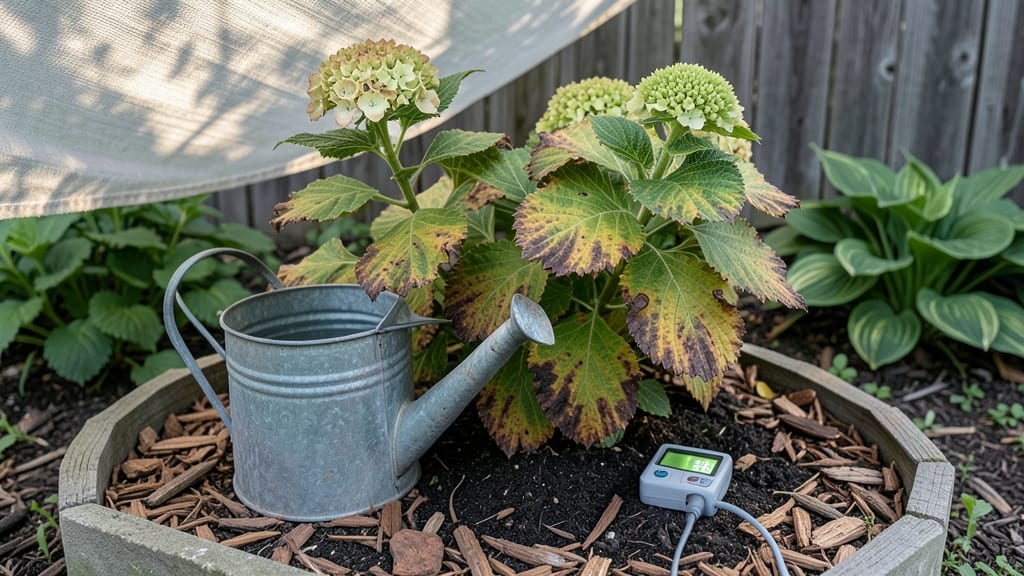
Hydrangea leaf burn can turn your lush blooms into a sad, crispy mess—but I’ve revived even the worst cases with just copper fungicide and a few simple adjustments. 🌿 The key is figuring out whether your plant’s stress comes from too much sun, over-fertilizing, or a fungal infection.
My hydrangeas went from brown-edged leaves to vibrant green in just two weeks after I fixed the root cause.
The first step is diagnosing: edge burn (dry, brown tips) usually means salt buildup or drought, while yellowing leaves signal overwatering or fungal issues. Once you know the cause, prune the damaged foliage and adjust your care routine—hydrangeas hate soggy soil but also need consistent moisture.
For fungal spots, copper fungicide is your secret weapon.
By the time you’re done, your hydrangeas will look like they’ve had a spa day: deep green leaves, abundant blooms, and no more crispy edges.
The best part? Prevention is easy—mulch to retain moisture, fertilize lightly, and introduce plants to full sun gradually. No more guessing games, just happy, healthy bushes.
Works for all hydrangea varieties, from mopheads to panicle types. Let’s get those leaves looking fresh again—your neighbors will be jealous of your spotless revival!
Root Causes Of Leaf Scorch
When your hydrangea’s leaves start looking like they’ve been kissed by a summer sunburn—crispy, brown, and brittle—it’s usually a sign of environmental stress or pathogen attack. Unlike pests that chew leaves, leaf burn is often a slow, sneaky process triggered by factors both seen and unseen.
Let’s break down the real culprits behind those unsightly brown patches.
Hydrangeas thrive in partial shade, but when they’re suddenly exposed to intense sunlight (especially after transplanting) or scorching windsoxidative stress, where chlorophyll breaks down, leaving behind those telltale brown edges.
- Direct sunlight: Young leaves or those on newly planted hydrangeas are most vulnerable. Full sun exposure (6+ hours/day) can trigger leaf burn within weeks.
- Windburn: Fast-moving air strips moisture from leaf surfaces, mimicking drought conditions. Evergreen hydrangeas (like H. arborescens) are especially prone.
- Heat waves: Temperatures above 90°F (32°C) can cause protein denaturation in leaf cells, leading to necrosis (dead tissue).
💡 Pro Tip: If your hydrangea is in a sunny spot, gradually acclimate it by moving it to partial shade over 1–2 weeks. For windy areas, use windbreaks (like burlap screens) or plant near a hedge.
Hydrangeas are thirsty but finicky—they hate soggy roots and dry soil. Both extremes disrupt their water uptake and nutrient absorption, leading to leaf burn.
- Underwatering: When soil dries out, roots can’t deliver water fast enough. Leaves wilting first, then brown at the edges as cells collapse from dehydration.
- Overwatering: Saturated soil cuts off oxygen to roots, causing root rot (Phytophthora or Pythium fungi). The plant can’t absorb water or nutrients, leading to chlorosis (yellowing) and burn.
- Improper watering techniques: Surface-level watering (like sprinklers) can scald leaves, while deep but infrequent watering stresses roots.
🔥 Actionable Fix:
- Check soil moisture 1–2 inches deep—water when it’s dry but not bone-dry.
- Use drip irrigation or soaker hoses to deliver water directly to roots (avoid wetting leaves).
- Amend heavy clay soil with compost to improve drainage.
While not all leaf burn is fungal, copper-resistant pathogens like Botrytis cinerea (gray mold) or Septoria leaf spot thrive in hydrangeas under stress. These fungi release toxins that disrupt leaf cell membranes, causing brown, dead patches—often with yellow halos or black speckles.
- Botrytis (Gray Mold): Loves high humidity + poor airflow. It starts as water-soaked spots that turn gray and fuzzy.
- Septoria Leaf Spot: Creates tiny black dots in brown patches, often on lower leaves first.
- Anthracnose: Causes irregular, sunken brown areas with dark borders.
🌡️ Environmental Triggers: Fungal burn spreads faster in:
- Stagnant water on leaves (from overhead watering).
- Temperatures between 60–80°F (15–27°C) with high nighttime humidity.
- Old, dense foliage with no pruning (traps moisture).
✨ Prevention Tip: Space plants 3–4 feet apart for airflow, and prune in early spring to remove dead wood. If fungal burn is suspected, copper fungicide (like Copper Sulfate) is the go-to treatment.
Hydrangeas are sensitive to salt buildup and pH swings from fertilizers or herbicides. Even well-meaning gardeners can accidentally scorch leaves with:
- Over-fertilizing: Excess salt (from synthetic fertilizers) disrupts osmosis in root cells, preventing water uptake. Leaves curl and crisp from dehydration.
- Wrong pH: Hydrangeas prefer acidic soil (pH 5.0–6.0). If soil is too alkaline (pH >7.0), iron and manganese deficiencies cause interveinal chlorosis (yellowing between veins) and burn.
- Herbicide drift: Glyphosate (Roundup) or pre-emergent herbicides can kill hydrangea leaves within days, leaving bleached, papery patches.
💡 Fix It Fast:
- Flush soil with water after fertilizing to reduce salt buildup.
- Test soil pH with a meter—add sulfur or peat moss to lower pH if needed.
- If herbicide is suspected, remove affected leaves and monitor for new growth.
🔍 Key Takeaway: Leaf burn is rarely just one thing—it’s usually a combo of stress factors. Start by ruling out sun/wind exposure, then check watering habits and soil health. If brown patches persist, fungal treatment or chemical adjustments may be needed.
Revive Your Hydrangeas Fast
Seeing crispy, brown edges on your hydrangea leaves can be disheartening, but the good news is that most cases of leaf burn are treatable—and even preventable. Below, we break down the most common causes and provide clear, actionable steps to restore your plants to their lush, vibrant selves.
Whether it’s overwatering, chemical damage, or fungal stress, these solutions will help you nurse your hydrangeas back to health.
If your hydrangeas are sitting in soggy soil, their roots suffocate, leading to leaf burn as a stress response. The fix? Improve drainage and water smarter.
- 🔥 Step 1: Check the Soil Stick your finger 2 inches into the soil. If it’s damp, wait before watering again. Hydrangeas prefer consistently moist but not waterlogged soil.
- 🍳 Step 2: Amend the Soil Mix in perlite, sand, or compost to improve drainage. For heavy clay soil, consider planting in raised beds or containers with drainage holes.
- 👨🍳 Step 3: Water Deeply but Less Often Water at the base of the plant in the morning to reduce evaporation. Aim for 1–1.5 inches per week, adjusting for rain.
- 🌡️ Pro Tip: Mulch around the base (but not touching the stems) to retain moisture and regulate soil temperature.
Harsh fertilizers (especially high-salt ones) or misapplied pesticides can scorch leaves almost instantly. The key is to dilute, detoxify, and avoid repeat offenses.
- 🔥 Step 1: Stop Using Suspect Products Immediately halt any fertilizers, herbicides, or fungicides that might be causing damage. Look for low-salt, organic options moving forward.
- 🍳 Step 2: Flush the Soil Water the plant thoroughly with room-temperature water to leach out excess salts. For severe cases, soak the root zone with a 50/50 water-to-distilled-water mix for 2–3 days.
- 👨🍳 Step 3: Apply a Chelated Iron or Epsom Salt Soak Mix 1 tbsp of Epsom salt or chelated iron per gallon of water and apply to the soil. This helps counteract nutrient imbalances.
- 💡 Pro Tip: Always follow label instructions for fertilizers and pesticides. A little goes a long way—overapplication is a common mistake!
If the burn looks like brown spots with yellow halos or slimy patches, a fungal or bacterial infection is likely to blame. Copper fungicides are a go-to for hydrangeas because they’re effective and less likely to cause resistance.
- 🔥 Step 1: Prune Damaged Leaves Use sterilized pruners to remove and dispose of (not compost) affected leaves. This stops the spread.
- 🍳 Step 2: Apply Copper Fungicide Spray the top and bottom of leaves with a copper-based fungicide (like Bordeaux mixture or copper sulfate) every 7–10 days until new growth appears. Follow label rates!
- 👨🍳 Step 3: Improve Airflow Thin out crowded branches and avoid overhead watering to reduce humidity, which fungi love.
- ✨ Pro Tip: For prevention, water in the morning so leaves dry quickly. Fungi thrive in damp, shaded conditions.
Sudden heatwaves or intense afternoon sun can cause leaf edges to crisp up. If your hydrangeas are in a hot, exposed spot, they need relief.
- 🔥 Step 1: Provide Afternoon Shade Use a lightweight shade cloth (30–50%) or move potted hydrangeas to a spot with dappled shade during peak sun (12–4 PM).
- 🍳 Step 2: Increase Water Frequency During heatwaves, water every 2–3 days (or daily for potted plants). Use mulch to lock in moisture.
- 👨🍳 Step 3: Mist Leaves (Strategically!) Lightly mist leaves in the early morning to cool them down. Avoid evening misting, as it can encourage fungal growth.
- 🎯 Pro Tip: Hydrangeas thrive in partial shade (morning sun + afternoon shade). If possible, plant them where they get filtered light.
Prevention is the best cure! Once your hydrangeas recover, keep these tips in mind to avoid future leaf burn:
- ✅ Test your soil to check pH and nutrient levels (hydrangeas prefer acidic soil, pH 5.2–6.0).
- ✅ Choose the right fertilizer: Slow-release, organic options (like fish emulsion) are gentler than synthetic salts.
- ✅ Monitor weather shifts: Heatwaves and sudden droughts stress plants—be proactive with watering.
- ✅ Inspect regularly: Catch early signs of burn or disease before they spread.
Frequently asked questions
How can I tell if my hydrangea’s brown leaves are from sunburn or fungal infection?
Look for these clues: Sunburn causes crispy, dry edges that start on leaves exposed to direct light, while fungal infection shows up as brown spots with yellow halos or black speckles. Fungal spots often appear on lower leaves first and may feel slimy when touched.
Will pruning burned leaves help my hydrangea recover faster?
Prune only the damaged leaves with sterilized shears to stop nutrient loss and prevent fungal spread. Focus on removing leaves with more than 50% burn—this encourages new growth. Never prune more than 1/3 of the plant at once.
Can I use coffee grounds to fix hydrangea leaf burn?
Coffee grounds can help lower soil pH (hydrangeas prefer 5.2–6.0), but they won’t directly treat leaf burn. Mix 1 cup per plant into the top 2 inches of soil to improve acidity, but pair it with proper watering and shade adjustments for best results.
How often should I apply copper fungicide if my hydrangea has fungal leaf burn?
Apply copper fungicide every 7–10 days until new growth appears. Always spray both leaf surfaces in the morning for maximum effectiveness. Stop treatment once the plant shows 2–3 weeks of healthy growth to avoid overuse.
Will my hydrangea survive if most of its leaves are burned?
Even severely burned hydrangeas can recover if the roots are healthy! Focus on correcting watering habits, improving airflow, and protecting from direct sun. New leaves should emerge within 2–4 weeks if the root system is intact. Don’t give up—patience is key!