
Leaf Blower
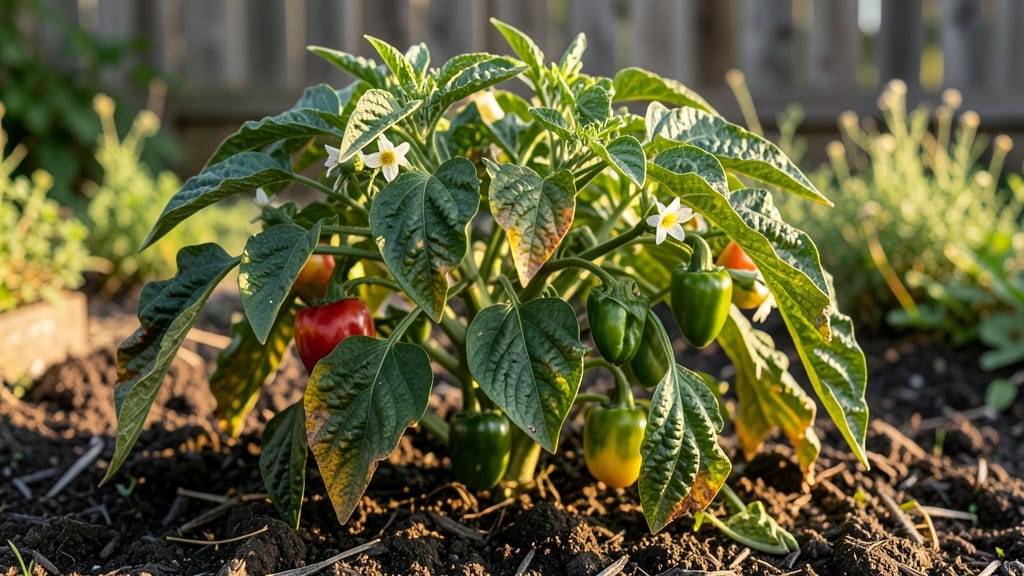
Your peppers showing the leaf curl at the edges like crispy parchment? 🌶️ That telltale sign usually means copper deficiency—or worse, a fungal infection. I’ve nursed back more pepper plants from this condition than I’d like to admit, and copper spray is my go-to weapon when the edges start puckering.
The problem often starts with poor soil drainage or overwatering, but fungal diseases like early blight love warm, humid conditions and will turn those crispy edges into a full-blown crisis.
The good news? Copper spray works on both—it’s a mineral that plants crave and a natural fungicide that stops the spread in its tracks.
Within a week of treatment, you’ll see new growth pushing out with smooth, vibrant leaves instead of those brittle, curled edges. The secret is in the timing: catch it early, and your plants will bounce back stronger than ever—no more sacrificing peppers to the leaf curl curse.
Works for bell peppers, jalapeños, and even tomatoes hit by the same issue. Here’s exactly how to mix, apply, and prevent future outbreaks—no more guessing what’s wrong with your plants.
Hidden Triggers Behind Leaf Warping
Leaf curl in peppers isn’t just a random quirk of nature—it’s a cry for help from your plants. Understanding the root causes is the first step to saving your harvest.
Below, we break down the science behind why your peppers develop those unsightly, curled leaves, so you can take precise action.
One of the most common culprits behind leaf curl is the Tomato leaf curl virus (ToLCV) or Pepper yellow leaf curl virus (PepYLCV), both spread by tiny, winged insects called whiteflies.
These viruses hijack plant cells, disrupting the normal flow of nutrients and causing leaves to curl, thicken, and yellow. Here’s how it works:
- How it spreads: Whiteflies feed on sap, injecting viruses as they go. A single infestation can turn your garden into a virus hotspot in weeks.
- Symptoms beyond curl: Look for stunted growth, upward-curling leaves, and a rough, crinkled texture. Severe cases may see no fruit production at all.
- Why it’s tricky: Viruses aren’t curable—once infected, plants rarely recover. Prevention (like copper sprays and row covers) is your best defense.
💡 Pro Tip: If you spot whiteflies, act fast! Knock them off with a strong blast of water or use neem oil to disrupt their life cycle.
Peppers are tropical at heart, but they have limits. Sudden temperature swings—especially heat stress above 90°F (32°C) or chilly nights below 50°F (10°C)—can cause leaves to curl as a protective response. Here’s the science:
- Heat stress: High temps speed up transpiration (water loss), making leaves roll inward to reduce surface area and conserve moisture.
- Cold shock: Below 50°F, cell membranes stiffen, disrupting nutrient flow and causing curling or puckering.
- Windburn: Dry, windy conditions strip moisture from leaves, mimicking heat stress symptoms.
🌡️ Fix It: Provide afternoon shade in scorching climates, mulch to regulate soil temps, and use cloches or row covers for cold snaps.
Peppers are drought-tolerant but not drought-loving. Watering issues—whether overwatering or underwatering—can trigger leaf curl by disrupting root function and nutrient uptake.
| Problem | Why It Happens | How to Spot It |
|---|---|---|
| Underwatering | Roots struggle to absorb water, causing osmotic stress and leaf curling to minimize water loss. | Dry, crispy leaf edges; soil pulls away from pot edges. |
| Overwatering | Poor drainage leads to root rot, cutting off oxygen and nutrients. Leaves curl as a distress signal. | Yellowing leaves; mushy, foul-smelling roots; wilting despite wet soil. |
| Inconsistent watering | Fluctuating moisture levels confuse plants, causing physiological drought and curling. | Uneven leaf curl; some leaves crispy, others soggy. |
💧 Solution: Water deeply 1–2 times per week (depending on climate), ensuring the top 2 inches of soil are dry before rewatering. Use well-draining soil and containers with drainage holes.
Peppers are heavy feeders, and deficiencies or excesses in key nutrients can cause leaf curl. The most critical offenders:
- Nitrogen (N) deficiency: Leaves curl and turn yellow (chlorosis) because the plant can’t produce enough chlorophyll for energy.
- Potassium (K) deficiency: Causes marginal scorching and curling as the plant struggles with water regulation and enzyme function.
- Magnesium (Mg) deficiency: Leads to interveinal chlorosis (yellowing between veins) and curling, especially in older leaves.
- Excess salt/sodium: From over-fertilization or poor-quality water, salts build up in soil, burning root tips and causing curling.
📊 Diagnose & Fix:
- Test your soil with a home kit or send a sample to a lab.
- For deficiencies: Use a balanced fertilizer (10-10-10) or targeted amendments (e.g., Epsom salt for magnesium).
- For excess salts: Flush soil with water until it runs clear from the drainage holes.
While whiteflies steal the spotlight, other pests can also cause leaf curl by physically damaging tissue or sucking sap, triggering a defensive response:
- Aphids: Cluster on undersides of leaves, injecting toxins that cause curling and sticky honeydew residue.
- Spider mites: Tiny arachnids create fine webbing and suck cell sap, leading to stippled, curled leaves.
- Thrips: Piercing mouthparts distort new growth, causing silver streaking and curling.
🔥 Take Action: Spray plants with neem oil or insecticidal soap, and introduce beneficial predators like ladybugs or lacewings.
Quick Fixes for Wrinkled Pepper Leaves
Now that you know why your peppers develop those unsightly curled leaves, let’s tackle the problem head-on with practical, garden-tested solutions. Whether your plants are suffering from viral infections, pest damage, or environmental stress, these fixes will help restore their health—and your confidence in the kitchen! 🌱🍃
If your peppers are infected with tomato or pepper leaf curl virus (PLCV), unfortunately, there’s no cure—but you can minimize the damage.
✅ Step-by-Step Fix:
- 🔥 Remove Infected Plants Immediately
- Snip off any curled or distorted leaves with sterilized pruners (dip in rubbing alcohol first).
- Burn or trash severely infected plants (do not compost them—viruses can spread).
- 👨🍳 Quarantine Your Garden
- Keep new plants at least 50 feet away from infected ones to prevent aphid (the main virus carrier) spread.
- Use fine mesh row covers (like Agribon) to block aphids while allowing pollination.
- 🌡️ Strengthen Plant Resilience
- Copper fungicide spray (like Bonide Copper Fungicide) can reduce virus spread by controlling aphids.
- Neem oil spray (1 tsp neem oil + 1 tsp mild soap per quart of water) deters pests and boosts plant immunity.
- Balanced fertilizer (10-10-10) promotes robust growth—weak plants are more susceptible.
💡 Prevention Tip:
- Plant resistant varieties like ‘Aristotle’ or ‘Carmen’ peppers, which tolerate leaf curl better.
- Rotate crops—don’t plant peppers, tomatoes, or eggplants in the same spot yearly.
Aphids, spider mites, and whiteflies don’t just cause leaf curl—they worsen it. Here’s how to evict them fast.
✅ Step-by-Step Fix:
- 🍳 Blast Off Pests with Water
- Forceful spray (hose nozzle on "jet" setting) dislodges aphids and mites. Do this early morning to avoid shocking plants.
- 🔪 Introduce Beneficial Predators
- Ladybugs and lacewings devour aphids. Buy them online or attract them with dill or fennel plants nearby.
- Parasitic wasps (like Encarsia formosa) target whiteflies—release them at dusk when they’re most active.
- 🥘 Homemade Insecticidal Soap
- Mix 1 tbsp castile soap + 1 quart water in a spray bottle. Test on a small leaf first—some plants (like basil) are sensitive.
- Spray directly on pests (undersides of leaves are a hotspot) every 3–4 days until gone.
💡 Prevention Tip:
- Sticky traps (yellow or blue) catch flying pests. Hang them near plants to monitor infestations early.
- Interplant with basil or marigolds—their strong scents repel pests naturally.
If your peppers are curling due to heat, wind, or poor soil, the fix is simpler: tweak their growing conditions.
✅ Step-by-Step Fix:
- 🌡️ Shield from Extreme Heat
- Shade cloth (30–50% coverage) reduces stress on leaves. Install it if temps hit 90°F+.
- Mulch heavily (2–3 inches of straw or wood chips) to keep roots cool and moist.
- 💧 Hydrate Correctly
- Drip irrigation or soaker hoses deliver water efficiently without wetting foliage.
- 🌱 Amend Soil for Better Nutrition
- Add compost (2–3 inches mixed into topsoil) for organic matter and drainage.
💡 Prevention Tip:
- Avoid over-fertilizing with nitrogen—it promotes leafy growth at the expense of peppers. Use a low-N, high-P/K fertilizer (like 5-10-10) instead.
If leaf curl is paired with yellowing, spots, or ooze, a fungal or bacterial infection might be lurking.
✅ Step-by-Step Fix:
- 🔪 Prune & Dispose Properly
- Cut off
- Do not compost—dispose in a sealed bag.
- 🍳 Copper Spray for Prevention
- Baking soda spray (1 tbsp baking soda + 1 tsp oil + 1 gallon water) can help with early-stage infections.
- 🌱 Improve Airflow
- Remove weeds around the base—they harbor pests and diseases.
💡 Prevention Tip:
- Rotate crops annually to starve soil-borne pathogens.
- Water in the morning so foliage dries quickly, discouraging fungal growth.
✨ Final Pro Tip: For mild cases of leaf curl, don’t panic—many peppers (like jalapeños or serranos) can still produce spicy, flavorful fruit even with curled leaves. Focus on harvesting early and redirecting energy to new growth with proper care!
With these fixes, your peppers should bounce back—ready to deliver that crisp, vibrant edge you crave in your dishes. 🌶️🔥
Frequently asked questions
Can copper spray harm my pepper plants if I use too much?
Copper spray is safe when used correctly, but overapplication can cause leaf burn or phytotoxicity. Stick to the recommended dosage (usually 1–2 tablespoons per gallon of water) and apply in the early morning when leaves are dry. Always test on a small area first.
How do I tell if my pepper leaves are curling from heat stress or a virus?
Heat stress curls usually appear on older leaves first and may include wilting or yellowing, while viral curl often starts on new growth with a rough, crinkled texture and stunted stems. Check for whiteflies—if present, it’s likely viral.
Will pruning curled leaves help my pepper plant recover?
Yes! Pruning removes infected or damaged tissue, redirecting the plant’s energy to healthy growth. Use sterilized scissors to cut ½ inch below the curled area. For viral infections, remove all affected leaves immediately to prevent spread.
Can I still harvest peppers from plants with leaf curl?
Many peppers (like jalapeños or serranos) produce flavorful fruit even with curled leaves. Harvest early to reduce stress on the plant. Avoid eating leaves—focus on the peppers themselves, which remain safe and delicious.
How often should I apply copper spray for prevention?
For prevention, apply copper spray every 7–10 days during peak growing season (spring to early summer). If treating an active infection, increase to every 5–7 days until symptoms improve. Always follow label instructions for safety.