
Leaf Blower
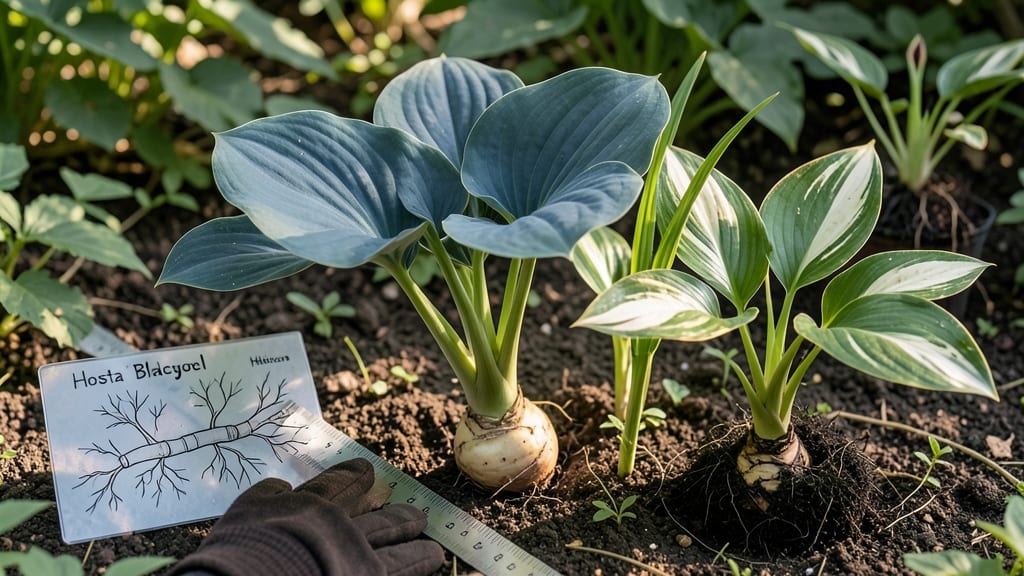
Mastering leaf shape bulb leaves identification saves you from buying the wrong plant—or worse, mistaking them for weeds. 🌱 The long, strap-like leaves of lilies or the hollow tubes of onions aren’t just random; they’re clues to what’s growing beneath the soil.
Knowing these signatures means you’ll spot early signs of disease, know when to divide clumps, and even predict bloom colors before they appear.
Start by comparing leaves to common shapes: sword-like (alliums), lance-shaped (tulips), or broad and fleshy (daylilies). Run your fingers along the edges—smooth or serrated? Notice the base: does it wrap around the stem (like tulips) or flare outward (like garlic)?
These details tell you everything you need to cultivate each plant right, from sunlight needs to watering schedules.
📚 In This Guide
- What you need
- Instructions
- Tips and common mistakes
- Wrapping up and next steps
What you need
- ● Fresh or dried leaves (at least 10-15 samples for comparison—mix of bulb leaves and other plant types for practice). Pro tip: Collect from local parks or nurseries for variety!
- ● Magnifying glass (10x magnification recommended for detailed observation).
- ● Ruler or measuring tape (metric, with millimeter markings for precision).
- ● Notebook or digital device (for sketching and recording observations).
- ● Pencil and colored markers (for labeling and highlighting leaf features).
- ● Field guide or plant identification app (e.g., iNaturalist or PlantNet for reference).
- ● Leaf press (to preserve samples for long-term study).
- ● Camera with macro lens (for high-resolution photos of leaf details).
- ● Glove (if handling spiky or prickly leaves).
- ● Field bag (to carry tools and samples safely).
- ● Reference books on bulb plants (e.g., Allium, Lilium, or Fritillaria for bulb-specific ID).
Step-by-Step guide to identifying leaf shapes and bulb leaves
Here's how I teach beginners to decode plant signatures like a botanist—no fancy tools required.
🌿 Step 1: Examine Leaf Margins and Edges
Start with the leaf edges—they tell you more than you think. Smooth, unbroken margins are common in plants like hostas or lilies, while jagged or serrated edges (like tiny teeth) appear on plants such as ferns or some grasses. I always run my finger along the edge first—roughness means serrated, smooth means entire. Bulb leaves often have a waxy finish, which you can feel by gently rubbing the surface.
Pay attention to how the edges curve. Lobed leaves (like oak or maple) have deep indentations, while undulate leaves (like some irises) have wavy edges. Bulb leaves typically have straighter, more uniform edges unless they’re variegated. Hold the leaf up to natural light—shadows will highlight the true shape.
🌱 Step 2: Measure and Compare Leaf Length to Width
Use a ruler or your hand as a guide to compare length and width. Narrow leaves (like those on onions or garlic) are called linear, while broad leaves (like those on tulips or daffodils) are ovate or elliptical. Bulb leaves often fall into the medium-width category—think of a sword-shaped leaf like those on lilies or aloe.
Divide the leaf’s length by its width mentally. A ratio of 3:1 or higher suggests a linear or lance-shaped leaf, while 1:1 or less indicates a more rounded or orbicular shape. Bulb leaves rarely exceed a 2:1 ratio—they’re built for storage, not dramatic shapes. Sketch a rough outline if you’re unsure; visuals stick better than descriptions.
☀️ Step 3: Check Vein Patterns and Arrangement
Flip the leaf over and examine the veins. Parallel veins (like in grasses or lilies) run straight from base to tip, while netted veins (like in hostas or tulips) form a web-like pattern. Bulb leaves often have prominent midribs—the central vein is thicker and more pronounced than in many other plants. Trace the veins with your finger to feel their texture.
Next, look at how leaves attach to the stem. Alternate arrangement (one leaf per node, staggered) is common in many bulbs like daffodils, while whorled (three or more leaves per node) appears in plants like some lilies. Hold the stem and count—if leaves spiral upward, it’s alternate; if they radiate outward like spokes, it’s whorled.
🪴 Step 4: Identify Bulb-Leaf Specifics
Bulb leaves are often straighter, longer, and more rigid than foliage leaves. Look for sheathing bases—where the leaf wraps partially around the stem, common in onions or garlic. These leaves are usually sword-shaped (ensiform) or strap-like (linear), designed to store energy efficiently. Run your thumb along the base; if it feels slightly tubular, it’s likely a bulb leaf.
Check for parallel venation extending to the tip—bulb leaves rarely branch veins. If the leaf tapers to a point (acuminate) or has a rounded tip (obtuse), note it. Bulb leaves often have a slightly thicker texture than non-bulb leaves, almost like parchment. Compare a known bulb leaf (like a green onion) to your mystery leaf for clues.
⏰ Step 5: Cross-Reference with Known Plant Signatures
Now that you’ve noted margins, ratios, veins, and bulb-specific traits, compare them to a field guide or app (like iNaturalist or PlantNet). Focus on plants with similar leaf shapes in your region. Bulb leaves are easier to ID once you rule out non-bulb shapes—think of them as "storage leaves" with predictable traits.
If you’re still unsure, observe the plant’s growth habit. Bulbs produce leaves in a basal rosette (all from the ground) or straight from the bulb (like garlic). Non-bulb plants often have leaves along the stem. Take a photo from multiple angles—lighting changes can reveal hidden details.
Tips & tricks for mastering leaf shape identification
These practical insights will help you sharpen your botanical eye and avoid common pitfalls when decoding plant signatures.
Texture Test: In Step 1, when examining leaf margins, don't just look - feel the surface! Bulb leaves often have a distinctive waxy coating that's noticeably smoother than regular foliage. I learned this the hard way after misidentifying a variegated aloe leaf as a hosta because I only looked at the edges. Run your thumb along the surface - that subtle slickness is a dead giveaway for bulb plants.
Visual Ratio Hack: For Step 2's length-to-width comparison, use your hand as a quick reference. Hold your palm flat - if the leaf fits within your hand's width, it's likely broad (ovate/elliptical). If it's longer than your forearm, it's probably linear. This mental trick eliminates the need for a ruler when you're in the field. I've used this shortcut hundreds of times and it's saved me from carrying unnecessary tools.
Vein Pattern Shortcut: When checking vein patterns in Step 3, focus on the midrib first. Bulb leaves almost always have a prominent central vein that's thicker than the surrounding veins. Hold the leaf up to light and trace the midrib with your finger - if it feels like a little ridge, you're looking at a bulb leaf. This simple test cuts your identification time in half.
Growth Habit Clue: In Step 5, pay special attention to how leaves attach to the stem. Bulbs typically produce leaves in a basal rosette where all leaves emerge from the ground level. If you see leaves growing directly from the bulb itself (like garlic), that's another strong indicator. I've found this characteristic is the most reliable way to distinguish bulb plants from non-bulb plants in the wild.
Pro Tips for Leaf Shape Bulb Leaves Identification
- These practical insights will help you sharpen your botanical eye and avoid common pitfalls when decoding plant signatures.
- Texture Test: In Step 1, when examining leaf margins, don't just look - feel the surface!
- Visual Ratio Hack: For Step 2's length-to-width comparison, use your hand as a quick reference.
Frequently asked questions
Got questions about identifying bulb leaves by shape? You’re not alone! Here are some of the most common queries—plus clear, expert-backed answers to help you decode your plants like a pro.
Why do bulb leaves come in so many shapes?
Bulb leaves vary by shape due to evolutionary adaptations—like sunlight exposure, water retention, and climate. For example, long, strap-like leaves (e.g., daffodils) thrive in dry conditions, while broad, fleshy leaves (e.g., lilies) store moisture. Even within a species, leaf shape can shift based on age or stress!
When is the best time to identify bulb leaves?
The ideal window is early spring, just as leaves emerge but before flowering. This is when shapes are most distinct and undistorted. Avoid late summer/fall—leaves may yellow or wither, making identification tricky. Pro tip: Take photos in natural light for future reference!
How can I tell if a leaf is from a bulb vs. a rhizome or tuber?
Here’s a quick cheat sheet:
- Bulbs: Leaves grow from the top (e.g., tulips, onions). The bulb itself is underground.
- Rhizomes: Leaves sprout along horizontal stems (e.g., irises, ginger). No true bulb.
- Tubers: Leaves emerge from eyes on a swollen root (e.g., potatoes). Bulb-like but not a bulb!
Need a visual? Snap a pic of the base of the plant—bulbs have a neat, compact structure.
What if my bulb leaves look deformed or spotted?
Deformed or spotted leaves often signal pests (aphids, mites) or diseases (fungus, rot). Start with these fixes:
- Isolate the plant to prevent spread.
- Wipe leaves with neem oil or soapy water.
- Ensure proper drainage—overwatering causes rot.
If issues persist, check the bulb itself for mold or soft spots. Prevention? Rotate crops and sterilize tools!
Can I use leaf shape to predict bulb flower color?
Not directly—but leaf texture and color can hint at a bulb’s family! For example:
Leaf Feature
Likely Bulb Family
Common Flower Colors
Blue-green, sword-shaped
Allium (onions/garlic)
White, purple, pink
Dark green, strap-like
Lily (tulips, fritillaries)
Red, yellow, striped
Fun fact: Some hybrids (like darwins) break the rules—always cross-reference with bloom time!
Wrapping up and next steps
Mastering the art of leaf shape and bulb leaf identification unlocks a whole new world of plant appreciation! 🌿 Whether you're a gardening enthusiast or a budding botanist, recognizing these subtle clues helps you nurture healthier greenery and make informed plant choices.
Now that you’re equipped with the knowledge, why not put it into practice?
Start by snapping photos of unfamiliar leaves in your garden or local park, then compare them to your newfound guide. Share your discoveries with fellow plant lovers—you might just inspire someone else’s green thumb journey! Happy identifying! 🌱