
Leaf Blower
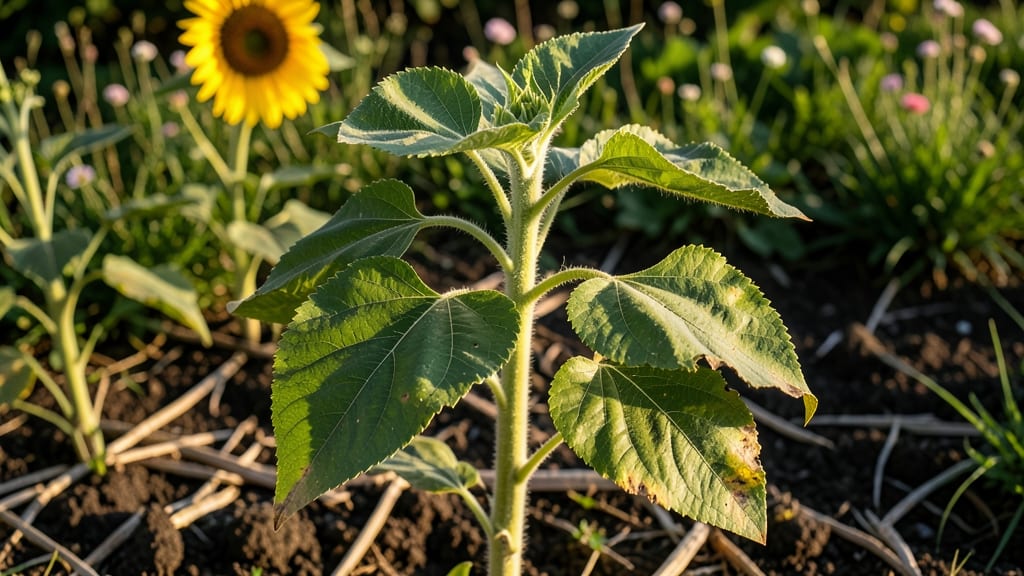
Sunflower leaf identification starts with noticing their bold, toothy-edged shape and deep, veiny structure—like a sunburst trapped in green paper. 🌻 I’ve spent years studying these leaves, and the key to spotting trouble lies in those veins and edges: healthy leaves feel firm and vibrant, while problems reveal themselves in spots, holes, or strange textures. Powdery mildew, for example, coats leaves with a white, flour-like dust, while rust creates orange-brown pustules that look like tiny blisters. Aphids, on the other hand, leave behind sticky residue and curled, stunted growth.
The first step in solving leaf issues is matching symptoms to causes—like connecting dots between chewed edges (slugs or beetles) and yellowing veins (fungal infections).
Sunflowers are tough, but they signal distress early: check the undersides of leaves for pests, and examine stems for sap oozing (a sign of borers). Most problems start small, so catching them early means saving your plants before they wilt or drop buds entirely.
Once you’ve identified the issue, targeted fixes make all the difference. For powdery mildew, spray leaves with a mix of water and baking soda (1 teaspoon per quart) every 7–10 days. Aphids? Blast them off with a strong stream of water or introduce ladybugs—they’re natural predators.
Rust-resistant varieties, like ‘Moulin Rouge,’ can also future-proof your garden. The goal isn’t perfection; it’s keeping your sunflowers strong enough to reach their full height despite setbacks.
Even experienced gardeners misdiagnose sunflower leaf problems at first—rust can mimic nutrient deficiencies, and spider mites often go unnoticed until leaves yellow. That’s why I always start with a close-up inspection: hold leaves up to light to spot hidden pests or discoloration.
With practice, you’ll recognize patterns faster, and your sunflowers will reward you with taller stems and brighter blooms all season long.
Understanding Sunflower Leaf Issues
Sunflower leaves can develop unusual patterns, spots, or deformities that may confuse even experienced gardeners. These changes often stem from environmental stressors, pests, or diseases. Below, we break down the most common causes—and why they happen—so you can identify and address them effectively.
Fungal infections are among the most common culprits behind distorted or discolored sunflower leaves. These pathogens thrive in warm, humid conditions and can spread rapidly if left unchecked.
- Powdery Mildew – A white, powdery coating appears on leaves, blocking sunlight and stunting growth. Why it happens: Fungal spores (like Erysiphe cichoracearum) germinate when humidity is high (above 75%) and temperatures hover between 60–80°F. Poor air circulation in dense plantings accelerates spread. - Leaf Spot Diseases – Dark, irregular spots (often with yellow halos) signal infections like Alternaria or Septoria. Why it happens: Overhead watering splashes spores onto leaves, while wet foliage creates ideal conditions for fungal growth.
Weakened plants (from stress or poor nutrition) are especially vulnerable. - Rust Fungus – Orange pustules on undersides of leaves indicate rust (Puccinia spp.). Why it happens: The fungus overwinters in plant debris and spreads via wind or splashing water. Cool, moist springs (50–75°F) trigger outbreaks.
Actionable Fix: Improve airflow with spacing, water at the base (not overhead), and apply fungicides (neem oil or copper-based sprays) at the first sign of infection.
Insects don’t just eat leaves—they inject toxins, suck sap, or lay eggs that trigger leaf curling, wilting, or holes. Here’s how they wreak havoc:
- Aphids – Clustered on new growth, these sap-suckers cause leaves to yellow, curl, or develop sticky honeydew. Why it happens: Aphids thrive in warm weather (60–80°F) and are drawn to tender, nitrogen-rich foliage.
They reproduce rapidly, often going unnoticed until populations explode. - Spider Mites – Tiny red or yellow mites create stippled, bronze-colored leaves and fine webbing. Why it happens: These pests prefer dry, dusty conditions and multiply quickly in hot weather (above 85°F).
They thrive on stressed plants with low humidity. - Caterpillars & Beetles – Ragged holes or chewed edges signal larvae (like Spodoptera moth caterpillars) or adult beetles. Why it happens: Adults lay eggs on leaves, and larvae emerge to feed voraciously.
Drought-stressed plants attract more pests as they become easier targets.
Actionable Fix: Blast off pests with a strong spray of water, introduce beneficial insects (ladybugs, lacewings), or use insecticidal soap for severe infestations.
Sunflowers are heavy feeders, and poor soil nutrition leads to telltale leaf symptoms. Each deficiency sends a unique distress signal:
| Symptom | Likely Cause | Why It Happens |
|---|---|---|
| Yellowing between veins | Nitrogen deficiency | Nitrogen is crucial for chlorophyll. Leaves turn pale green/yellow when soil lacks it, often due to leaching (common in sandy soils) or overwatering. |
| Purple or red stems/leaves | Phosphorus deficiency | Phosphorus aids energy transfer. Stress (like drought or compacted soil) locks it out of root uptake. |
| Yellowing edges (brown tips) | Potassium deficiency | Potassium regulates water and disease resistance. Poor soil structure or high sodium levels inhibit absorption. |
| Small, pale leaves | Magnesium deficiency | Magnesium is central to chlorophyll. Acidic or overly sandy soils deplete it over time. |
| Stunted growth, dark spots | Calcium deficiency | Calcium strengthens cell walls. Cool soils (below 55°F) or high soil pH reduce availability. |
Actionable Fix: Test your soil and amend with compost or targeted fertilizers (e.g., Epsom salt for magnesium). Mulch to retain moisture and nutrients.
Sunflowers are resilient, but extreme weather or poor growing conditions can trigger leaf problems:
- Heat Stress – Scorched, crispy leaf edges or wilting occur when temperatures exceed 95°F. Why it happens: High heat accelerates water loss, and sunflowers can’t transpire fast enough.
Shallow root systems in young plants make them especially vulnerable. - Cold Damage – Blackened, mushy leaves after a frost signal cell death. Why it happens: Sunflowers are sensitive to temps below 32°F. Young plants lack cold tolerance, and rapid temperature swings (like nighttime frosts) cause irreversible damage. - Water Issues – Yellowing leaves with drooping (but not crispy) edges indicate overwatering, while dry, brittle leaves signal underwatering. Why it happens: Overwatering suffocates roots (cutting off oxygen), while drought forces leaves to curl to conserve moisture.
Both stress the plant’s vascular system.
Actionable Fix: Use mulch to regulate soil temperature, water deeply but infrequently (1–2 inches per week), and provide shade cloth during heatwaves.
Less common but devastating, these pathogens spread via infected plants, insects, or contaminated tools:
- Bacterial Leaf Spot – Dark, water-soaked spots with yellow halos. Why it happens: Bacteria like Xanthomonas thrive in wet conditions and enter through wounds (e.g., from hail or pruning).
They multiply rapidly in warm, humid weather (75–85°F). - Mosaic Viruses – Yellow-green mottling or stunted growth. Why it happens: Viruses (e.g., Cucumber mosaic virus) spread via aphids or contaminated seeds. Infected plants often produce fewer seeds and weaker stems.
Actionable Fix: Remove infected plants immediately, sterilize tools with bleach, and rotate crops to break the disease cycle. Use row covers to block insect vectors.
Pro Tip 💡: Always examine the undersides of leaves and check for patterns—this narrows down the cause faster than guessing! If symptoms persist, consult a local extension service for soil/pest testing.
Fixing Common Sunflower Leaf Issues
Sunflowers are resilient, but their leaves can still show signs of distress—whether from pests, diseases, or environmental factors. The good news? Most problems have simple, effective solutions. Below, we’ve mapped common causes to fixes, along with prevention tips to keep your sunflowers thriving.
Cause: Nitrogen deficiency, magnesium (chlorosis), or soggy roots from overwatering. Fix:
- Test soil pH (ideal: 6.0–7.5). If too alkaline, add sulfur or compost to lower pH.
- Fertilize with balanced NPK (10-10-10) or a magnesium-rich supplement (like Epsom salt: 1 tbsp per gallon of water, sprayed on leaves).
- Adjust watering: Let soil dry between waterings. Drainage holes in pots? Use them!
Prevention: ✔ Mulch (2–3 inches of straw or wood chips) to retain moisture and block weeds. ✔ Water at the base (not overhead) to prevent fungal spores from splashing onto leaves.
Cause: Caterpillars, beetles, or slugs munching on foliage. Fix:
- Handpick pests in the morning (drop them in soapy water).
- Spray neem oil (mix 2 tbsp with 1 quart water + a drop of dish soap) for organic control.
- Set beer traps for slugs (bury a shallow dish filled with beer near plants).
Prevention: ✔ Encourage predators like ladybugs or lacewings with companion plants (e.g., marigolds). ✔ Prune damaged leaves to reduce pest hiding spots.
Cause: Powdery mildew, rust, or bacterial leaf spot from humidity or poor airflow. Fix:
- Prune infected leaves immediately and disinfect shears with rubbing alcohol.
- Apply copper fungicide (follow label rates) or a baking soda spray (1 tsp baking soda + 1 quart water + a drop of soap).
- Space plants 18–24 inches apart to improve airflow.
Prevention: ✔ Water early in the day so leaves dry quickly. ✔ Avoid overhead irrigation—use drip lines instead.
Cause: Heat stress, wind damage, or transplant shock. Fix:
- Provide shade cloth (30–50% coverage) if temperatures exceed 90°F (32°C).
- Stake tall varieties to prevent wind damage.
- Mulch heavily to retain moisture and cool roots.
Prevention: ✔ Hardening off seedlings gradually before transplanting. ✔ Plant in late spring (after last frost) to avoid early heat waves.
Use a hand lens or phone magnifier to inspect leaf undersides for pests or fungal spores. When in doubt, snap a photo and compare it to online plant disease databases (like the University of Minnesota’s guide).
Remember: Early action is key! Most issues are reversible if caught early. For stubborn problems, consider replanting in fresh, well-draining soil. Your sunflowers will reward you with those iconic golden blooms—just keep their leaves happy first! 🌻✨
Frequently asked questions
How do I tell the difference between healthy sunflower leaves and those with powdery mildew?
Healthy sunflower leaves are deep green, firm, and have a slightly rough texture with jagged edges. Powdery mildew shows up as a white, flour-like coating on the leaf surface, often starting on the undersides. The key difference? Healthy leaves feel crisp and vibrant, while infected ones look dull and dusty. Check for fuzzy white patches in shady or crowded areas first.
What do rust spots on sunflower leaves look like, and how do I confirm it's rust?
Rust appears as small, orange-brown pustules on the undersides of leaves—like tiny blisters. To confirm, flip the leaf and look closely: these spots will be clustered and may have a powdery texture. Unlike other spots, rust doesn’t usually have a dark center or yellow halo. Scrape a few pustules onto a white paper; if they leave rust-colored marks, it’s rust fungus.
Why are my sunflower leaves turning yellow between the veins, but the edges stay green?
This classic symptom signals magnesium deficiency (chlorosis). The yellowing between veins happens because magnesium is crucial for chlorophyll production, while the green edges stay healthy because they’re younger and still getting nutrients. To fix it, spray leaves with a solution of 1 tablespoon Epsom salt per gallon of water every 2 weeks, or add compost to the soil.
Can I still harvest sunflower seeds if the leaves have holes from caterpillars?
Yes, but monitor the damage closely. Minor holes won’t affect seed production, but severe defoliation (more than 25% of leaves eaten) can reduce yield. Focus on protecting the central stem and buds—these are the most critical for seed development. Handpick caterpillars or use neem oil to control further damage before flowering.
How do I know if my sunflower leaves are damaged by pests or just heat stress?
Pest damage shows as irregular holes, chewed edges, or sticky residue (honeydew from aphids), while heat stress causes crispy, brown leaf edges and wilting. The key difference? Heat damage affects older leaves first and often appears on the sun-exposed sides. Check for tiny insects or webs on the undersides—if you find them, pests are the culprit.