
Vegetables
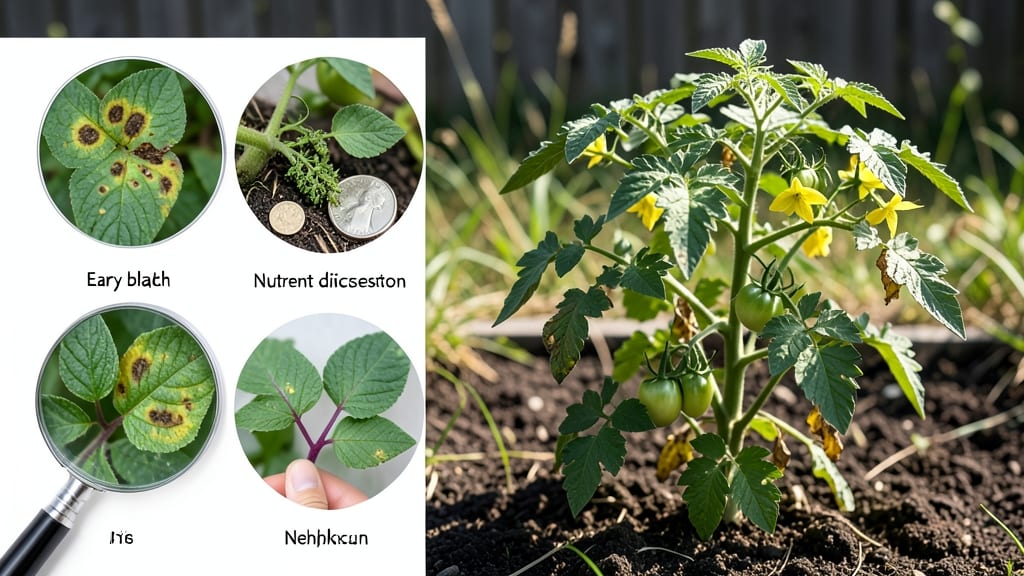
Fungal tomato leaf problems can be identified early with the right photos—turning a thriving plant into a sad, spotted mess in days unless you act fast. 🌱 I’ve seen my own plants go from lush and green to browned and wilted in just a week, and the key to saving them is spotting the problem fast before it spreads.
This guide shows you exactly what to look for, why it happens, and the simple fixes that work—no fancy tools required.
The most common culprits are early blight, late blight, and septoria leaf spot, each with its own telltale marks: brown spots with yellow halos, dark concentric rings, or ragged edges. The good news?
Most of these issues start with one simple fix: removing infected leaves immediately and improving airflow around your plants. I’ve saved entire tomato plants just by pruning aggressively and spacing them better—no chemicals needed.
By the time you’re done here, you’ll recognize the early warning signs in seconds and know whether to grab pruners, a copper spray, or just wait it out. The goal is to keep your plants productive and healthy all season, not just patch up the damage.
Prevention is easier than cleanup, and I’ll show you how to stop these problems before they start.
Whether you’re dealing with a single leaf or a full plant under attack, this guide gives you the fast, actionable steps to turn things around. No guesswork, no waiting for the problem to get worse—just clear, practical solutions that work in home gardens. Let’s get those leaves looking green again.
Root Causes Behind Leaf Troubles
Tomato plants are resilient, but their leaves can quickly become a battleground for pests, diseases, and environmental stressors. Understanding the why behind common tomato leaf problems is the first step to saving your harvest.
Below, we break down the most frequent culprits—from microscopic invaders to simple growing mistakes—and explain how they wreak havoc on your plants.
Fungi thrive in warm, humid conditions, turning lush tomato leaves into a buffet of decay. These pathogens don’t just discolor leaves—they can weaken the entire plant, reducing fruit yield and even killing it if left unchecked.
🔬 Early Blight: The Brown Spot Menace
- What triggers it? The fungus Alternaria solani spreads via infected seeds, soil, or plant debris. It loves cool nights (60–75°F) and wet foliage, making it a common early-season problem.
- How it attacks: Spores land on lower leaves, creating small, concentric brown spots with yellow halos. As it progresses, the spots expand, and leaves may drop prematurely.
- Why it’s sneaky: The fungus overwinters in soil, so even if you rotate crops, it can lie dormant for years, waiting for the right conditions to strike.
💦 Late Blight: The Fast-Spreading Killer
- What triggers it? Caused by Phytophthora infestans, this fungus spreads rapidly in cool, damp weather (50–77°F) and can move from plant to plant in mere days.
- How it attacks: Unlike early blight, late blight starts on older leaves but spreads upward, causing dark, greasy-looking spots that turn white with spores. It can also infect fruit, leading to rot.
- Why it’s devastating: This pathogen is airborne and highly contagious. A single infected plant can ruin an entire garden if not isolated immediately.
🍃 Septoria Leaf Spot: The Yellowing Threat
- What triggers it? The fungus Septoria lycopersici thrives in wet conditions and poor air circulation, often appearing after prolonged rain or overhead watering.
- How it attacks: Tiny, dark spots with light centers form, often surrounded by yellow rings. Severe cases cause leaves to wither and drop.
- Why it’s persistent: Spores survive in plant debris, so cleanup is critical. If you’ve had this issue before, remove all infected leaves and sterilize tools.
Insects may seem harmless, but they can defoliate a tomato plant in days, leaving it vulnerable to disease and sunburn. Some pests also transmit fungal spores, turning a simple bite into a full-blown infection.
🐛 Hornworms: The Overnight Defoliators
- What triggers them? These green caterpillars with white stripes love tomato plants and can strip a plant bare in 24 hours. They’re most active in warm weather (75–85°F).
- How they attack: They chew large, irregular holes in leaves and even devour fruit. Their droppings (frass) can also harbor fungal spores.
- Why they’re hard to spot: Hornworms blend into foliage and are often active at night or in shaded areas. By the time you notice the damage, they’ve already moved on.
🐜 Spider Mites: The Webbed Leaf Suckers
- What triggers them? These microscopic pests thrive in dry, hot conditions (80°F+) and multiply rapidly when plants are stressed (e.g., underwatered or over-fertilized).
- How they attack: They suck sap from leaves, causing stippling (tiny white/yellow dots) and webbing. Severe infestations turn leaves yellow and crispy.
- Why they’re insidious: A single female can lay hundreds of eggs, and they reproduce so fast that an outbreak can happen overnight. They also spread fungal diseases like powdery mildew.
🐞 Aphids: The Sap-Sucking Scourge
- What triggers them? These tiny, pear-shaped bugs cluster on new growth and are attracted to soft, tender leaves. They thrive in crowded gardens with poor airflow.
- How they attack: They pierce leaves to feed, causing curling, yellowing, and sticky honeydew (which attracts sooty mold).
- Why they’re a gateway problem: Aphids transmit viral diseases like cucumber mosaic virus, which can stunt plant growth and deform fruit.
Not all leaf problems come from living organisms—sometimes, it’s just bad luck with the weather or growing conditions. Tomato leaves are sensitive to extremes, and even minor imbalances can trigger visible distress.
☀️ Sun Scorch: When Too Much Heat Burns Leaves
- What triggers it? Intense afternoon sun (especially after rain) causes water droplets on leaves to act like magnifying glasses, burning tissue and creating crispy, white or brown patches.
- How it looks: Leaves develop bleached or necrotic spots along edges, often on the upper side. It’s common in hot, dry climates or after sudden temperature swings.
- Why it’s fixable: Unlike fungal issues, sun scorch isn’t contagious. Provide afternoon shade (e.g., row covers, shade cloth) or ensure consistent watering to prevent stress.
💧 Overwatering: The Drowning Problem
- What triggers it? Tomato plants need consistent moisture, but not soggy soil. Overwatering (or poor drainage) leads to root rot (Phytophthora), which then travels upward, causing yellowing, wilting, and blackened stems.
- How it looks: Lower leaves turn yellow and mushy, and the plant may fall over. In advanced cases, the entire plant collapses.
- Why it’s deadly: Waterlogged soil cuts off oxygen to roots, starving the plant. Fungal pathogens like Pythium exploit this weakness, making the problem worse.
🌬️ Poor Airflow: The Disease Incubator
- What triggers it? Tomato plants need space and airflow to dry quickly after watering. Crowded plants or dense foliage create a humid microclimate, perfect for fungal spores.
- How it looks: Leaves develop spots, mold, or mildew in shaded areas. Poor airflow also weakens plants, making them more susceptible to pests.
- Why it’s preventable: Prune regularly, space plants 18–24 inches apart, and avoid overhead watering. Use trellises to elevate plants and improve circulation.
Now that you know the why behind tomato leaf problems, the next step is identifying the issue in your garden. Check out our visual guide to tomato leaf problems to match symptoms with solutions—and save your plants before it’s too late!
Fixing Fungal Spots Fast
Got those unsightly spots ruining your tomato leaves? 🍅😬 Don’t panic—most fungal issues are treatable with the right approach. Below, we’ll tackle the most common tomato leaf problems with practical, step-by-step solutions and prevention tips to keep your plants thriving. Grab your gloves and let’s get to work!
Signs: Brown, concentric rings on lower leaves; yellowing edges.
How to Fix It:
- 🔥 Prune & Remove Infected Leaves
- Snip off any leaves with spots (including stems) using sterilized shears (wipe with rubbing alcohol between cuts).
- Dispose of them in the trash not the compost—this fungus thrives in organic matter.
- 👨🍳 Apply Fungicide (Organic or Chemical) - Copper fungicide (like Bordeaux mixture or copper soap) is a go-to for organic growers. Spray every 7–10 days until new growth appears. - Neem oil (1 tsp per quart of water + a drop of dish soap) disrupts fungal spores.
Reapply after rain. - For severe cases, chlorothalonil (like Daconil) works fast—follow label instructions.
- 🌡️ Boost Airflow & Light
- Space plants 18–24 inches apart to reduce humidity.
- Water at the base (not overhead) to keep leaves dry.
- Remove lower leaves touching the soil to prevent splashing spores.
💡 Pro Tip: If you’re growing in containers, elevate pots on bricks or stands to improve drainage and airflow.
Signs: Dark, greasy-looking spots on both leaf surfaces; rapid leaf drop.
How to Fix It:
- 🚨 Act Fast—This Spreads Like Wildfire
- Remove ALL infected foliage immediately (even if it’s just a few leaves).
- Destroy (don’t compost) infected plants if the blight is severe.
- 🔪 Use a Strong Fungicide
- Chlorothalonil or maneb are the most effective for late blight. Apply every 5–7 days until the threat passes.
- Baking soda spray (1 tbsp baking soda + 1 tsp oil + 1 gallon water) can help prevent spread (but won’t cure it).
- 🌧️ Adjust Watering & Mulching
- Water in the morning so leaves dry quickly.
- Avoid mulching too close to stems—keep mulch 2–3 inches away.
- Cover plants with row covers if rain is forecasted.
⚠️ Warning: Late blight can destroy a garden in days. If you see it, isolate infected plants and notify local agricultural extensions—they may issue alerts for your area.
Signs: Small, dark spots with tiny black dots (fruiting bodies) in the center.
How to Fix It:
- 🧹 Sanitize Your Tools & Garden
- Sterilize pruners with bleach (1 part bleach to 9 parts water) or rubbing alcohol.
- Clean up debris—rake up fallen leaves and remove plant refuse.
- Rotate crops—don’t plant tomatoes (or nightshades) in the same spot next year.
- 🍳 Preventative Sprays Work Best
- Copper fungicide applied before symptoms appear is your best defense.
- Fixed copper (like Cueva) is safer for edibles than Bordeaux mixture.
- Silica spray (like kelp-based fertilizers) strengthens plant cell walls.
- 🌱 Strengthen Your Plants
- Fertilize with compost tea or fish emulsion for healthier foliage.
- Avoid overhead watering—use drip irrigation or soaker hoses.
💡 Pro Tip: If you’re growing in a greenhouse, increase ventilation—high humidity is this fungus’s favorite breeding ground.
Signs: Sticky residue (honeydew), yellowing leaves, tiny webs (mites).
How to Fix It:
- 🔪 Blast Them Off
- Spray with water (strong stream from a hose) to knock off pests.
- Neem oil or insecticidal soap (like Safer’s) smothers them—reapply every 5–7 days.
- 🕷️ Introduce Beneficial Insects
- Ladybugs and lacewings eat aphids. Buy them online or attract them with dill or fennel in your garden.
- Predatory mites (like Phytoseiulus persimilis) control spider mites—order from garden centers.
- 🌿 Prevent Future Infestations
- Reflective mulch (aluminum foil) confuses mites.
- Plant companion flowers like marigolds or nasturtiums to repel pests.
🎯 Bonus: If mites are bad, wipe leaves with a damp cloth to remove webbing and eggs.
Want to avoid tomato leaf problems in the first place?
Follow these golden rules: - 🌞 Plant in full sun (6–8 hours daily) to reduce humidity. - 💧 Water deeply but infrequently—tomatoes hate soggy roots. - 🌿 Use raised beds for better drainage. - 🍅 Choose resistant varieties like ‘Mountain Merit’ (early blight resistant) or ‘Defiant PhR’ (late blight resistant). - 🧼 Rotate crops—never plant tomatoes in the same spot two years in a row.
Final Thought: Most tomato leaf problems are manageable with quick action and good garden hygiene. 🚀 Stay vigilant, and your plants will reward you with bountiful, healthy tomatoes all season long!
Frequently asked questions
How do I tell if my tomato leaf spots are fungal or insect damage?
Fungal spots usually have distinct patterns: early blight shows concentric brown rings, while late blight creates greasy-looking dark patches that spread fast. Insect damage often looks like irregular holes or stippling (tiny white/yellow dots), especially from spider mites or hornworms. Check the undersides of leaves too—fungal spores may appear as powdery or slimy residue, while insects leave droppings or webbing.
Can I still eat tomatoes from a plant with leaf problems?
It depends on the issue. If the problem is fungal (like early blight), the fruit may still be safe to eat—just wash thoroughly and avoid leaves touching the tomatoes. For late blight or severe infections, remove affected fruit immediately, as spores can contaminate them. Insect damage rarely affects fruit quality, but check for holes or droppings before harvesting. When in doubt, peel tomatoes and cook them to kill any potential pathogens.
Why do my tomato leaves keep getting spots even after treating them?
This usually happens when the root cause isn’t fixed. Fungi thrive in humid, crowded conditions, so check for:
- Poor airflow (prune and space plants 18–24 inches apart)
- Overhead watering (switch to drip irrigation)
- Infected plant debris (remove all fallen leaves and sterilize tools) Reapply fungicides every 7–10 days during wet weather, and consider resistant tomato varieties for next season.
Are homemade sprays (like baking soda or neem oil) as effective as store-bought fungicides?
Homemade sprays can help prevent fungal spread but aren’t as potent for active infections. Baking soda (1 tbsp + 1 tsp oil per gallon of water) works best as a preventative, while neem oil disrupts fungal spores but requires frequent reapplication (every 5–7 days). For severe cases like late blight, chemical fungicides (chlorothalonil or maneb) are more reliable. Test small areas first to avoid leaf burn.
How do I know if my tomato plant is beyond saving?
Your plant may be too far gone if:
- More than 50% of leaves are infected with late blight or severe spots
- The stem turns black or mushy (root rot)
- Fruit is already rotting from fungal spores If you’re unsure, prune aggressively and treat remaining healthy growth—sometimes plants bounce back! For container-grown tomatoes, you might save them by repotting in fresh soil and sterilizing the pot.