
Pests and Diseases
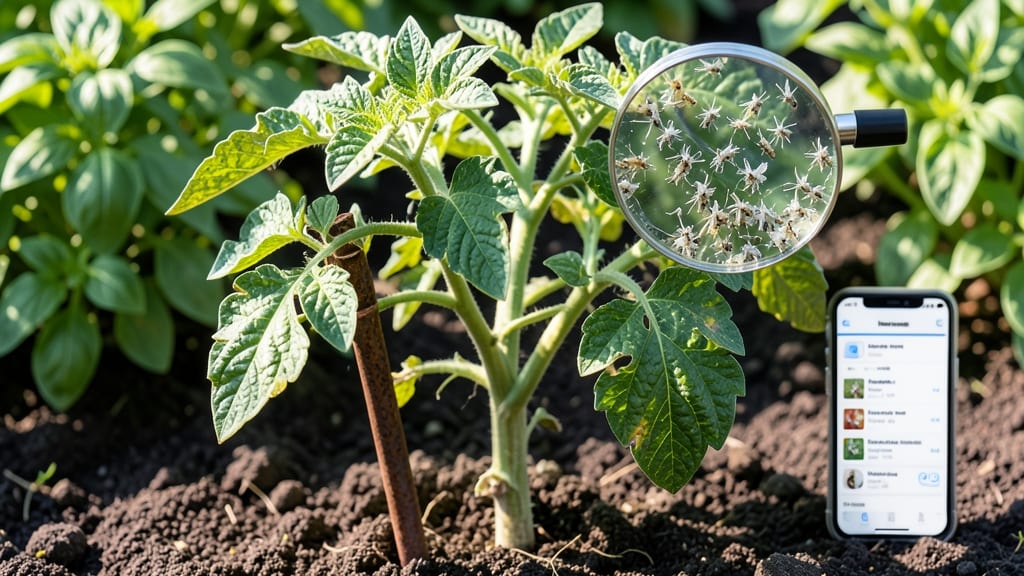
Your tomato plants' leaves curling like parchment paper? 🌱 That’s curly leaf disease—and copper spray is your best shot at crispy, healthy foliage before the season’s over.
I’ve seen this virus twist lush green leaves into brittle, stunted messes, but with the right approach, you can still salvage your harvest.
The culprit is usually Tomato Leaf Curl Virus, spread by whiteflies or infected seedlings. Environmental stress—like heatwaves or poor drainage—makes plants more vulnerable. Prevention starts with resistant varieties (like ‘Mountain Merit’ or ‘Defiant PhR’) and keeping whiteflies in check with yellow sticky traps or neem oil.
For existing infections, copper fungicide sprays (applied every 7–10 days) can slow the spread, though it won’t cure the virus. Remove severely infected plants immediately to stop the cycle. Prune back curled leaves to redirect energy to fruit production—your tomatoes will thank you.
This approach works for both organic and conventional growers, though organic methods rely more on prevention (healthy soil, companion planting) and less on chemical treatments. Early action is key—don’t wait until the leaves look like they’ve been crumpled by a child’s fist.
Root Causes of Tomato Leaf Distortion
When your tomato plants start showing puckered, curled, or stunted leaves, it’s often a sign of curly leaf disease—a viral or environmental stress issue that can wreak havoc on your harvest. Understanding the why behind this problem is the first step to stopping it in its tracks.
Below, we break down the most common culprits, from microscopic invaders to environmental missteps, and explain how they trigger those telltale leaf deformities.
The most notorious cause of curly leaf disease in tomatoes is the Tomato Leaf Curl Virus (ToLCV), a group of plant viruses transmitted by whiteflies. Here’s how it works:
- Virus Transmission: Whiteflies feed on infected plants, then spread the virus to healthy ones while feeding. The virus hijacks the plant’s phloem (vascular tissue), disrupting nutrient and water flow, which causes leaves to curl upward or inward.
- Symptom Progression: Early signs include yellowing veins (vein clearing) followed by thickened, leathery leaves that cup or twist. Severe infections stunt growth and reduce fruit yield.
- Why It’s Worse: ToLCV thrives in warm, humid conditions (ideal for whitefly populations), making greenhouses and tropical climates hotspots for outbreaks.
💡 Pro Tip: If you suspect a viral infection, remove and destroy infected plants immediately—viruses can’t be cured, only contained. Use yellow sticky traps to monitor whitefly activity and apply neem oil or insecticidal soap to disrupt their life cycle.
Not all curly leaves mean a virus—sometimes, your tomatoes are just overheated or underwatered. Here’s how environmental factors mess with leaf structure:
| Factor | Effect on Leaves | Why It Happens |
|---|---|---|
| Extreme Heat (>90°F/32°C) | Leaves curl downward or cup tightly to reduce surface area and limit water loss. | High temperatures disrupt enzyme activity in cells, causing osmotic stress. The plant’s natural response is to fold leaves inward to conserve moisture. |
| Inconsistent Watering | Leaves curl at edges or wrinkle (underwatering) or yellow and droop (overwatering). |
|
| Wind or Physical Damage | Leaves curl or tear along edges. | Mechanical stress damages cell walls, triggering a protective response where leaves roll or pucker to minimize exposure. |
🌡️ Fix It:
- Provide shade cloth (30-50%) during peak heat.
- Water deeply 1-2 times per week (check soil moisture 2” below surface).
- Use mulch to retain moisture and regulate soil temperature.
Curly leaves can also signal that your tomatoes aren’t getting the right nutrients. Two key deficiencies often cause this:
- Potassium (K) Deficiency:
- Leaves curl upward with yellowing edges (scorching).
- Potassium regulates water balance and enzyme function—without it, cells lose turgor, leading to curling.
- Magnesium (Mg) Deficiency:
- Leaves curl and develop brown patches between veins (a classic sign of chlorosis).
- Magnesium is central to chlorophyll production—deficiency disrupts photosynthesis, causing stress responses like curling.
💡 Quick Fix: Test your soil and amend with:
- Potassium: Use potassium sulfate or wood ash.
- Magnesium: Apply Epsom salt (magnesium sulfate) at 1 tablespoon per gallon of water every 2 weeks.
While whiteflies are the primary viral vectors, other pests can weaken plants and make them more susceptible to curling:
- Spider Mites: These tiny pests pierce cells to feed on sap, causing leaves to curl and dry out. Their silky webs further stress the plant.
- Aphids: Clusters of aphids excrete honeydew, which fosters sooty mold—a fungal growth that blocks sunlight and stunts leaf development.
- Fungal Pathogens (e.g., Early Blight):strong>
Some fungal infections (like Alternaria solani) cause leaf spots that distort growth as the plant tries to contain the damage, leading to curling.
🔥 Take Action:
- Spray plants with a horticultural oil or soapy water to smother mites and aphids.
- Introduce beneficial insects like ladybugs or lacewings to control pests naturally.
- Remove infected leaves and apply copper fungicide if fungal spots are present.
Fixing Curly Leaf Disease Fast
Curly leaf disease can turn your tomato plants from lush and green to wilted and sad—but don’t worry! With the right approach, you can nurse them back to health and even prevent future outbreaks.
Below, we break down practical, step-by-step solutions tailored to the most common causes of this pesky problem. Think of it as a first-aid kit for your tomato leaves—quick, effective, and easy to follow.
(Symptoms: Yellowing, curling, or stunted growth—often with a white powdery film or dark spots.)
🍳 Step 1: Prune the Problem Areas
- 🔪 Snip off infected leaves (wear gloves!) using sterilized pruners (wipe with rubbing alcohol between cuts).
- 🗑️ Dispose of diseased foliage in the trash—not the compost—so spores don’t spread.
- 🌿 Focus on airflow: Remove crowded branches to let sunlight and air circulate.
👨🍳 Step 2: Apply a Copper Spray Rescue
Copper-based fungicides (like copper sulfate or copper hydroxide) disrupt fungal spores before they spread.
- 💧 Mix 1 tbsp copper fungicide per gallon of water (follow product instructions).
- 🌧️ Spray early morning or late evening (avoid direct sunlight to prevent leaf burn).
- 🔄 Reapply every 7–10 days until new growth appears healthy.
🌱 Step 3: Boost Plant Immunity
- 💡 Feed with compost tea or a balanced fertilizer (like 10-10-10) to strengthen roots.
- 🌡️ Water at the base (not overhead) to keep leaves dry—fungi love moisture!
- ✨ Consider neem oil (1 tsp per liter of water) as a preventative spray.
(Symptoms: Severe curling, mosaic patterns, or stunted plants—often with no cure.)
🔪 Step 1: Remove Infected Plants Immediately
- 🚨 Viruses spread fast via aphids, beetles, or contaminated tools. Pull up the whole plant (roots and all) to stop the spread.
- 🧼 Sterilize tools with bleach (1 part bleach to 9 parts water) before moving to healthy plants.
🛡️ Step 2: Protect Remaining Plants
- 🐜 Install row covers to block aphids and other virus-spreading pests.
- 🌿 Rotate crops next season—don’t plant tomatoes (or related plants like peppers) in the same spot.
- 💡 Use reflective mulch (aluminum foil or silver plastic) to deter insects.
🌱 Step 3: Prevent Future Outbreaks
- 🌱 Start with disease-resistant varieties (like ‘Defiant PhR’ or ‘Mountain Merit’).
- 🌡️ Avoid overhead watering—viruses hitchhike on splashing water.
- ✨ Inspect new plants before transplanting—quarantine suspicious ones for a week.
(Symptoms: Mild curling, wilting, or leaf scorch—often from heat, drought, or poor soil.)
💧 Step 1: Adjust Watering Habits
- 🌧️ Water deeply 1–2 times per week (early morning is best).
- 🌱 Use mulch (straw or wood chips) to retain moisture and regulate soil temp.
- 🌡️ Avoid soggy soil—root rot can worsen curling.
🌿 Step 2: Shield from Harsh Conditions
- 🏜️ Provide shade cloth (30–50%) if temps exceed 90°F (32°C).
- 🌱 Move containers to a spot with partial shade during peak heat.
- 💡 Use a fan (on low) to improve airflow around plants.
🌱 Step 3: Feed for Resilience
- 🍽️ Add calcium (crushed eggshells or lime) to prevent blossom-end rot (which stresses plants).
- 🌿 Top-dress with compost for slow-release nutrients.
- ✨ Avoid over-fertilizing—too much nitrogen = soft, weak leaves.
Once your tomatoes are back in tip-top shape, lock in their health with these long-term strategies:
- 🌱 Crop rotation: Wait 3 years before replanting tomatoes in the same spot.
- 🍅 Choose disease-resistant seeds: Look for labels like V, F, or N (virus-, fungus-, or nematode-resistant).
- 🐜 Monitor pests daily: Check undersides of leaves for aphids, whiteflies, or spider mites.
- 🌧️ Rain or shine, stay consistent: Keep soil evenly moist (not soggy or dry).
- 🧼 Clean up debris: Remove old plant matter year-round to starve fungi.
Final Thought: Curly leaf disease might sound scary, but with fast action and smart prevention, your tomato plants can bounce back stronger than ever. Grab your pruners, mix that copper spray, and give your greens the TLC they deserve! 🍅✨
Frequently asked questions
Can copper spray actually cure curly leaf disease in tomatoes?
Copper spray won't cure viral infections like Tomato Leaf Curl Virus, but it's highly effective against fungal causes of leaf curling. For viruses, copper helps prevent secondary infections that worsen symptoms. Use it every 7-10 days as part of your treatment plan while removing infected plants immediately. The key is stopping spread, not curing the virus itself.
How do I tell if my tomato leaves are curling from heat or disease?
Heat stress causes leaves to curl downward (like trying to shade themselves) while disease often creates upward curling with thickened, leathery leaves. Check for other signs: yellowing veins or mosaic patterns suggest disease, while dry edges and wilting in afternoon heat point to environmental stress. Feel the soil—dry top layer means thirsty plants.
Are there tomato varieties that naturally resist curly leaf disease?
Yes! Look for varieties labeled V (virus-resistant) like 'Defiant PhR' or 'Mountain Merit'. These are bred to handle Tomato Leaf Curl Virus better. For organic gardens, 'Solar Fire' or 'Celebrity' also show good resistance. Always buy from reputable sources to avoid accidentally introducing infected seedlings.
What's the fastest way to stop whiteflies from spreading curly leaf disease?
Combine these immediate actions:
- Yellow sticky traps (place near plants to catch adults),
- Neem oil spray (disrupts their life cycle), and
- Reflective mulch (confuses them). Remove all infected plants within 24 hours of noticing symptoms. For severe outbreaks, use insecticidal soap every 3-5 days until whiteflies disappear.